Table of Contents >> Show >> Hide
- Why Shipping to Mexico Can Feel Tricky
- How to Send Packages to Mexico: 15 Steps
- Step 1: Make Sure the Item Can Legally Be Shipped
- Step 2: Confirm the Recipient’s Full Delivery Details
- Step 3: Ask for the Recipient’s RFC or CURP Early
- Step 4: Choose the Best Carrier for Your Shipment
- Step 5: Check Service Limits and Delivery Estimates
- Step 6: Use Sturdy Packaging
- Step 7: Weigh and Measure the Package Accurately
- Step 8: Write a Clear Item Description
- Step 9: Declare the Real Value of Every Item
- Step 10: Prepare the Customs Form Correctly
- Step 11: Add a Commercial Invoice if the Carrier Requires It
- Step 12: Decide Who Will Pay Duties and Taxes
- Step 13: Label the Package Properly
- Step 14: Drop Off the Package the Right Way
- Step 15: Track the Shipment and Stay Available
- Common Mistakes to Avoid When Shipping to Mexico
- A Simple Example of a Well-Planned Shipment
- Real-World Experiences Shipping Packages to Mexico
- Final Thoughts
Sending a package to Mexico sounds simple right up until the moment someone says, “Do you have the recipient’s tax ID?” Suddenly, your friendly little box of birthday gifts feels like it’s applying for a passport, a visa, and a minor accounting degree.
The good news is that shipping to Mexico from the United States does not have to be stressful. The trick is to treat it like international shipping, not like a domestic errand with better tacos on the other end. You need the right carrier, the right customs details, the right paperwork, and a little patience. Skip one of those, and your package may take an unexpected vacation in customs.
This guide breaks the process down into 15 clear steps so you can pack smarter, fill out forms correctly, and avoid the classic mistakes that make international shipping feel like a game show where the prize is “more paperwork.” Whether you are mailing gifts, personal items, business samples, or online orders, these steps will help you send packages to Mexico with fewer headaches and a much better chance of on-time delivery.
Note: Carrier rules, customs requirements, and recipient ID requirements can change. Always confirm the latest details with your chosen carrier before you buy the label.
Why Shipping to Mexico Can Feel Tricky
Mexico is one of the most common international shipping destinations for U.S. senders, but it is not a “slap on a label and hope for the best” situation. Shipments can require customs declarations, accurate item descriptions, recipient phone numbers, and in many cases the recipient’s RFC or CURP identification details. Courier services may also require commercial invoices, even when the shipment is a gift or has no sale attached.
In other words, the box matters, but the information matters more. If your label says “gift items,” your invoice says “miscellaneous,” and your customs form says “stuff,” customs may respond with the universal language of bureaucracy: delay.
How to Send Packages to Mexico: 15 Steps
Step 1: Make Sure the Item Can Legally Be Shipped
Before you grab tape, check whether your item is allowed. International carriers commonly restrict or prohibit things like currency, fireworks, hazardous materials, narcotics, counterfeit goods, and certain regulated consumer products. Some items may be allowed only with special approval, licenses, or extra documentation.
If you are sending food, beauty products, electronics with batteries, liquids, powders, supplements, toys for very young children, or anything even slightly “special,” look up your carrier’s Mexico rules first. It is much easier to discover a restriction before you pack the box than after it is halfway to customs.
Step 2: Confirm the Recipient’s Full Delivery Details
Ask your recipient for their complete legal name, full street address, postal code, city, state, and phone number. Double-check spelling. International shipping is not the place for freestyle guessing or “close enough” address math.
For Mexico, accurate recipient information is especially important. Many carriers now require extra consignee details for customs clearance. If the recipient’s name on the label does not match the identifying information you provide, you are basically inviting delays to dinner.
Step 3: Ask for the Recipient’s RFC or CURP Early
This is the step that surprises many U.S. senders. For many Mexico-bound shipments, carriers now require a recipient tax ID. That usually means the recipient’s RFC (Mexican tax ID) or CURP (population registry code), depending on the carrier and the recipient’s status.
Do not wait until checkout to ask for it. Get it before you prepare the label. Missing recipient ID data can cause a shipment to be held, delayed, or returned. Translation: your package may become a cardboard hostage.
Step 4: Choose the Best Carrier for Your Shipment
The “best” carrier depends on what you are sending, how fast it needs to arrive, and how much paperwork you can tolerate before coffee. USPS is often a good fit for lower-cost consumer shipments, especially lighter packages. FedEx, UPS, and DHL can be great when you want faster transit, stronger tracking, or business-grade shipping tools.
Compare:
- Transit time: Faster usually costs more.
- Tracking quality: Important if the item is valuable or time-sensitive.
- Customs support: Some carriers make forms easier than others.
- Duties and taxes options: Some services let the shipper prepay; others default to recipient payment.
- Package size and weight limits: Especially important for economy services.
If speed matters more than savings, use a courier. If your budget is giving you the side-eye, USPS may be a smart place to start.
Step 5: Check Service Limits and Delivery Estimates
Not every service accepts every size, weight, or product type. Some international services are better for documents, others for parcels, and some economy options have lower weight caps. Review both the service limits and the estimated delivery window before you pay.
This is also the moment to set expectations with the recipient. “It should arrive in a few days” is charming but risky. “The carrier estimates 5 to 10 business days, depending on customs clearance” is less romantic, but much safer.
Step 6: Use Sturdy Packaging
Your package is about to go on a journey. It will be lifted, stacked, scanned, shifted, and possibly judged by conveyor belts in multiple countries. Choose a strong corrugated box that fits the item well. Use bubble wrap, paper cushioning, or foam so the contents do not bounce around like popcorn at a dance party.
If the item is fragile, protect each piece individually. If it is heavy, reinforce the seams. If it is oddly shaped, consider double-boxing. International shipping rewards over-preparation. Nobody has ever regretted using one extra strip of tape on a box containing breakable ceramics.
Step 7: Weigh and Measure the Package Accurately
International shipping quotes depend on weight and dimensions. A sloppy estimate can lead to postage adjustments, label issues, or a counter clerk giving you the kind of look normally reserved for people who bring 19 items into the 10-items-or-less lane.
Measure the box after it is fully packed, not before. Use the final weight, final dimensions, and the correct packaging type when you compare rates.
Step 8: Write a Clear Item Description
This step matters more than most people think. Customs forms now require detailed content descriptions, not vague catch-all terms. “Gift,” “samples,” “clothes,” or “miscellaneous” may not be enough. Instead, write exactly what the item is.
Good examples:
- “Men’s cotton T-shirt”
- “Hardcover children’s book”
- “Ceramic coffee mug”
- “Plastic phone case”
Bad examples:
- “Stuff”
- “Personal items”
- “Gift box”
- “Accessories”
Think like customs. If a stranger opened the box, would your description match what they see? If yes, you are doing great.
Step 9: Declare the Real Value of Every Item
Use the actual fair value of each item, even if it was a gift, a sample, or something you are sending to family. Customs wants a true value, not your emotional attachment to the object. Saying “priceless” may be sweet, but customs prefers numbers.
Be honest. Understating value can create problems. Overstating value can make duties and taxes uglier than they need to be. Aim for accurate, supportable amounts.
Step 10: Prepare the Customs Form Correctly
For international shipping, customs forms are essential. Many USPS international shipments require a computer-generated customs form, and private carriers also rely on digital customs data and supporting documents. When you create the label online, the system usually prompts you to enter item descriptions, values, weights, and destination details.
Take your time here. Enter:
- The exact contents of the box
- The quantity of each item
- The value of each item
- The package weight
- The shipment type, such as gift, merchandise, or documents
One typo may not doom the shipment, but a vague or inconsistent form absolutely can.
Step 11: Add a Commercial Invoice if the Carrier Requires It
Courier shipments to Mexico often require a commercial invoice, and the details must match the air waybill and customs information. That means the sender, recipient, descriptions, quantities, and values should line up cleanly across all documents. If they do not, customs may decide your paperwork needs “more quality time.”
For gifts or no-sale shipments, you may still need to declare a real customs value. Some carriers allow electronic upload of trade documents, while others may require printed copies in a pouch on the package. If the system gives you invoice instructions, follow them like they are the recipe for the only edible casserole at the family potluck.
Step 12: Decide Who Will Pay Duties and Taxes
Many shipments to Mexico may trigger duties, taxes, brokerage charges, or import fees depending on the product type, shipment value, and carrier service. In many cases, import charges are calculated using the goods’ value plus shipping-related costs. Some services default to delivery duty unpaid, which means the recipient pays when the package arrives or clears customs.
If your carrier offers a duty-paid option, decide in advance whether you or the recipient will cover those charges. This is not a detail to “sort out later.” Few things kill gift-giving joy faster than a surprise payment request at the door.
Step 13: Label the Package Properly
Print the label clearly and attach it to the largest flat side of the box. Do not tape over the barcode. Do not cover important text with decorative enthusiasm. If you are including paper customs documents, place them in a clear pouch as directed by the carrier.
For international addressing, keep the country name on the bottom line and write it in full: MEXICO. That is not the time to get creative with abbreviations, doodles, or “Land of Excellent Street Food.”
Step 14: Drop Off the Package the Right Way
Some international packages can be dropped in approved locations, but others should go directly to a retail counter or staffed shipping center, especially if the shipment is valuable, document-heavy, or customs-sensitive. A clerk can confirm whether the label printed correctly and whether any additional paperwork is needed.
If the package is important, get a receipt. That little piece of paper can become your best friend if tracking goes quiet for a few days.
Step 15: Track the Shipment and Stay Available
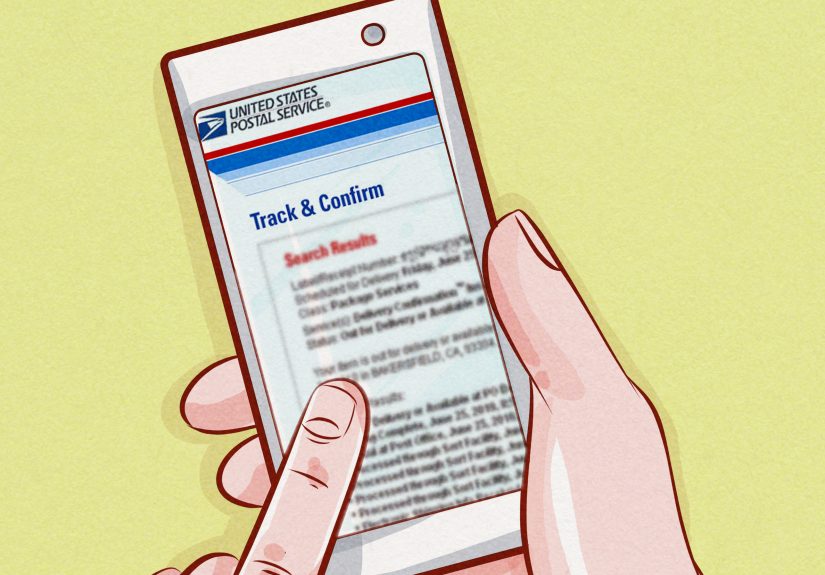
Once the package is on the move, track it regularly and remind the recipient to do the same. If customs needs more information, speed matters. A delayed response can turn a small hiccup into a long wait.
Tell the recipient to watch for calls, emails, or tracking updates related to customs clearance or duties. In some cases, the package is not “lost.” It is simply waiting for one more piece of information from the recipient. International shipping loves suspense, but you do not have to.
Common Mistakes to Avoid When Shipping to Mexico
- Using vague descriptions: “Gift” is not a product description.
- Skipping the recipient tax ID: This is one of the biggest avoidable problems.
- Guessing the value: Use a fair, real value for each item.
- Forgetting the phone number: Some carriers require it for Mexico clearance and delivery workflows.
- Poor packaging: If it rattles now, it will regret it later.
- Assuming duties are included: They often are not unless you chose a duty-paid option.
- Waiting too long to ship: Customs clearance adds uncertainty, especially around holidays.
A Simple Example of a Well-Planned Shipment
Let’s say you are sending your sister in Guadalajara a birthday package with a sweater, a paperback novel, and a mug. A smart shipping plan would look like this:
- Get her full address, phone number, and RFC or CURP before anything else.
- Choose a sturdy box with padding around the mug.
- List the items clearly: “women’s knit sweater,” “paperback book,” and “ceramic mug.”
- Enter accurate values for each item.
- Check whether your chosen carrier wants only customs data or also a commercial invoice.
- Decide whether you or your sister will pay any duties or taxes.
- Track the package and tell her to watch for customs messages.
That is the difference between “Happy birthday!” and “Your mug is currently in a philosophical discussion with customs.”
Real-World Experiences Shipping Packages to Mexico
People who ship to Mexico regularly tend to learn the same lesson in different ways: the package itself is rarely the problem. The paperwork is. One sender may carefully wrap handmade gifts, buy the label, and feel triumphant, only to discover that the customs description says “present items.” The box sits. Another sender may do everything right except ask the recipient for an RFC or CURP before checkout. The box sits again. International shipping has a funny way of punishing the tiny details that felt optional five minutes earlier.
A common experience is the “I thought the carrier would figure it out” phase. Many first-time shippers assume the clerk, website, or courier system will magically correct vague information. In reality, those systems only work well when you feed them solid details. If you type “clothes” instead of “men’s cotton shirts,” you may still get a label, but that does not mean your package is fully prepared for customs. People often learn this after the tracking suddenly stops updating somewhere between optimism and reality.
Another classic experience is sticker shock over import fees. A sender may find a reasonable shipping rate online and assume that is the full cost of the journey. Then the recipient gets contacted about duties, taxes, or brokerage-related charges. Awkward. This happens a lot with gifts because the sender is focused on postage and the recipient is focused on receiving the package, while customs is focused on neither of those feelings. The best experience usually happens when both sides talk about fees ahead of time and nobody is surprised later.
Frequent shippers also talk about how much smoother things get once they create a checklist. After a couple of shipments, they stop improvising. They ask for the full name, full address, postal code, phone number, and tax ID first. They write item descriptions in plain English. They keep values realistic. They photograph the contents before sealing the box. They save copies of the invoice and label. Suddenly, shipping feels less like gambling and more like a system.
Small business owners shipping orders to Mexico often describe a learning curve that starts steep and then levels out nicely. Their early packages may be delayed because product descriptions are too broad, documentation is inconsistent, or the buyer did not provide the needed ID information. But once the business updates its checkout flow, templates, and shipping rules, the process becomes far more predictable. In other words, the chaos is front-loaded. The wisdom arrives right after it, carrying a clipboard.
Family shipments have their own personality. People sending care packages to relatives in Mexico often pack with love but document with panic. The emotional energy goes into the contents, not the customs form. Yet experienced senders will tell you that the boring parts are what protect the sentimental parts. The sweater reaches your niece because you described it correctly. The holiday snacks arrive because you checked the restrictions first. The photo album makes it through because the label and recipient information were complete. Romance is wonderful, but logistics gets the box there.
The best overall experience usually comes from a simple mindset shift: do not think of shipping to Mexico as difficult; think of it as detail-sensitive. When people respect the process, it tends to go much better. Not perfect every time, because customs still has the power to humble us all, but much better.
Final Thoughts
If you want to send packages to Mexico successfully, focus on the details that matter most: accurate recipient information, a proper tax ID, clear customs descriptions, honest values, sturdy packaging, and realistic expectations about duties and delivery times. Once you get those right, the whole process becomes much more manageable.
The big secret is that international shipping is not about luck. It is about clarity. Give the carrier and customs exactly what they need, and your package has a much better chance of crossing the border without drama. Ignore the details, and your box may become an accidental long-distance relationship.