Table of Contents >> Show >> Hide
- How a Home Air Conditioner Works
- Start Here Before You “Repair” Anything
- The Most Common Home AC Repairs You Can Safely Handle
- Problems You Should Not Repair Yourself
- Signs It Is Time to Call an HVAC Technician
- A Practical Step-by-Step Troubleshooting Order
- How to Prevent Future Air Conditioner Repairs
- Real-World Experiences: What Homeowners Learn the Hard Way
- Conclusion
- SEO Tags
Note: This guide focuses on homeowner-safe air conditioner repairs and troubleshooting. Always shut off power before cleaning or opening accessible panels, and leave refrigerant work, sealed electrical components, and major motor or compressor repairs to a licensed HVAC technician.
When your home air conditioner stops cooling, the whole house can start feeling like a baked potato with furniture. The good news is that not every AC problem means your system is doomed, your wallet is doomed, and your weekend is doomed. In many cases, the issue is something surprisingly fixable: a dirty filter, blocked airflow, a thermostat setting gone rogue, or a condensate drain line that decided to become a tiny swamp.
That said, home air conditioner repair is not a free-for-all. Some fixes are perfectly reasonable for homeowners, while others belong firmly in “call a pro before this becomes a very expensive science experiment” territory. The trick is knowing the difference. This guide walks you through common problems, safe repair steps, and the warning signs that tell you it is time to stop playing detective and pick up the phone.
How a Home Air Conditioner Works
Before you repair anything, it helps to know what your AC is trying to do. A central air conditioner pulls warm indoor air across an evaporator coil, removes heat and humidity, and sends cooled air back through the ducts. The heat it collects is moved outside, where the condenser unit releases it. That basic process depends on a few things working together: airflow, a clean filter, a working thermostat, functioning electrical components, clear drainage, and the correct refrigerant charge.
In plain English, your AC is basically a team project. If one part slacks off, the whole group presentation falls apart.
Start Here Before You “Repair” Anything
Many AC issues are really troubleshooting problems, not true part failures. Start with the simplest checks first. This saves time, money, and the emotional damage of calling for service only to discover the thermostat was set to “fan” instead of “cool.” Yes, that happens. More often than you would think.
1. Check the Thermostat Settings
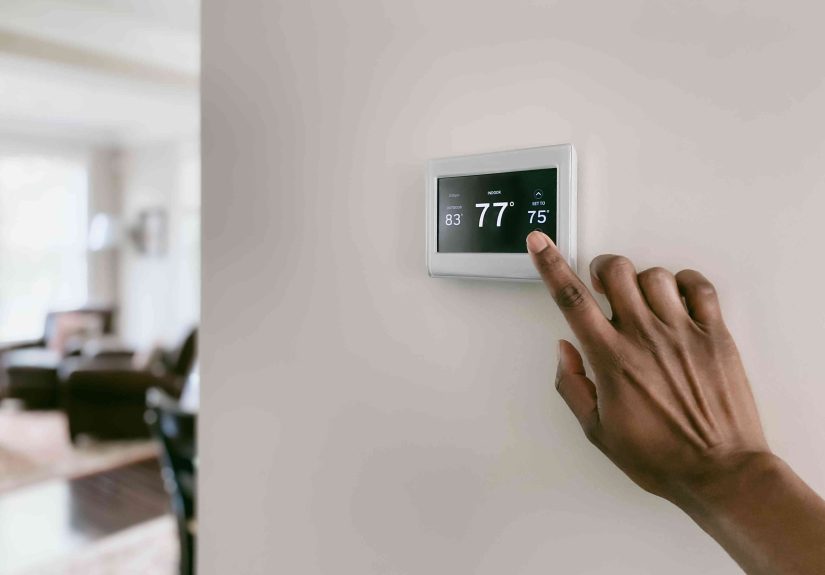
Make sure the thermostat is set to Cool and that the target temperature is lower than the room temperature. If the fan is set to On, the blower may run even when the system is not actively cooling, which can make it seem like the AC is blowing warm air. Switch the fan to Auto and see whether the system starts a normal cooling cycle.
If your thermostat uses batteries, replace them. Weak batteries can cause strange behavior, including blank screens, delayed response, or no signal to the air conditioner at all.
2. Check the Breaker and Power Shutoff
If the air conditioner will not turn on, inspect the circuit breaker panel. A tripped breaker can cut power to the system. Reset it once. If it trips again, stop there. Repeated tripping usually points to a deeper electrical problem, and that is not a DIY invitation. That is your cue to call a licensed technician.
Also check the outdoor disconnect box near the condenser if your system has one. Sometimes the issue is not dramatic at all. It is just a power interruption.
The Most Common Home AC Repairs You Can Safely Handle
Replace a Dirty Air Filter
If you only remember one thing from this guide, make it this: a dirty filter can make your air conditioner act much worse than it actually is. Restricted airflow can reduce cooling performance, raise energy bills, stress the blower, cause water problems, and even contribute to a frozen evaporator coil.
To fix it, turn off the system, remove the old filter, and install a replacement that matches the correct size and airflow direction. Look for the arrow on the frame. It should point toward the blower or air handler. If the filter looks like it has survived a dust storm and a family reunion, replacing it is not optional. It is overdue.
For many homes, checking the filter once a month during heavy cooling season is a smart habit. Some filters last longer than others, but “I forgot” is the most common maintenance plan in America, and it is not a good one.
Open and Clear Supply Vents and Return Grilles
An air conditioner needs balanced airflow. Closed vents, blocked return grilles, and furniture shoved against intake areas can reduce system performance and create hot and cold spots around the house. Walk room to room and make sure supply vents are open and return vents are not blocked by rugs, curtains, toy bins, or that suspiciously large bean bag chair.
This is one of those repairs that hardly feels like a repair, but it can make a real difference. Air conditioning is not magic. It still needs space to breathe.
Clean Debris Around the Outdoor Condenser
The outside unit needs room to release heat. If it is surrounded by leaves, grass clippings, weeds, or dirt-packed fins, your system will struggle. Turn off power to the unit before cleaning. Remove loose debris by hand, trim vegetation back, and gently rinse the exterior coils with a garden hose using moderate pressure. Do not use a pressure washer unless your life goal is to bend delicate fins into modern art.
If the fins are only lightly dusty, a soft brush or careful rinse may be enough. If they are heavily clogged or greasy, professional coil cleaning is the safer move. Homeowners can handle light surface cleaning, but deep coil cleaning should be done carefully to avoid damage.
Fix a Clogged Condensate Drain Line
If you notice water around the indoor unit, a musty smell, or your system shuts down unexpectedly, the condensate drain line may be clogged. Your AC removes humidity as it cools, and that moisture has to drain somewhere. When the line clogs, the water backs up like a tiny plumbing protest.
A common homeowner-safe method is to turn off the system, locate the drain line access point, and use a wet/dry vacuum on the outside drain termination to pull out sludge. After that, you can carefully flush the line with water if your system design allows it. Clean the drain pan if it is accessible and dirty. If the clog keeps returning, or if you are not sure which pipe you are looking at, call a technician. Guessing your way through PVC lines is a bold but unhelpful strategy.
Handle a Frozen Evaporator Coil the Safe Way
If your AC is running but not cooling, and you see ice on the refrigerant line or signs of frost near the indoor coil, the evaporator coil may be frozen. This often happens because of poor airflow, a filthy filter, dirty coils, or another underlying issue such as low refrigerant.
What should you do? First, turn the system off at the thermostat. Do not keep running it. Do not chip at the ice. Do not attack it with a hair dryer like you are trying to rescue a windshield in January. Let it thaw naturally. Then replace the filter, make sure vents are open, and check for obvious airflow problems.
If the coil freezes again after those fixes, you likely have a bigger issue. That is the point where professional diagnosis matters, especially if refrigerant or blower performance is involved.
Problems You Should Not Repair Yourself
Here is where the line gets very clear. Some AC repairs are not good DIY projects, especially for central systems. A few examples include refrigerant leaks, refrigerant recharging, compressor issues, capacitor replacement, contactor replacement, motor failure, and repeated breaker trips. These tasks can involve hazardous voltage, specialized tools, sealed system components, and legal requirements tied to refrigerant handling.
Low refrigerant is not like low windshield washer fluid. It does not simply “run out” under normal conditions. If the system is low, there is likely a leak, and the leak needs to be found and repaired. Adding refrigerant without fixing the cause is a temporary patch at best and a money pit at worst.
Likewise, electrical parts in AC systems can store dangerous energy even when the unit appears off. If your diagnosis is drifting toward “maybe I should test this capacitor,” that is a wonderful time to stop and call an HVAC professional.
Signs It Is Time to Call an HVAC Technician
Some symptoms are telling you loud and clear that simple troubleshooting is no longer enough. Call a pro if you notice any of the following:
- The breaker trips repeatedly after reset.
- The system starts but shuts down quickly over and over.
- You hear grinding, buzzing, screaming, or metal-on-metal noises.
- The evaporator coil keeps freezing after you replace the filter and improve airflow.
- There is little or no airflow from the vents despite the fan running.
- You see oil stains, refrigerant line icing, or signs of a leak.
- The outdoor fan or compressor is not running correctly.
- Your AC cools poorly even though all the obvious homeowner fixes check out.
In other words, if the problem feels bigger than dirt, settings, or drainage, it probably is.
A Practical Step-by-Step Troubleshooting Order
When your home air conditioner quits on a hot day, it helps to have an order of operations instead of sprinting from room to room in a sweat-powered panic. Use this sequence:
- Check thermostat mode, setpoint, and batteries.
- Check the breaker and power supply.
- Inspect and replace the air filter.
- Open vents and clear return grilles.
- Inspect the outdoor unit for debris and clean it lightly.
- Look for signs of water backup and check the drain line.
- Check for visible ice and shut the system off if the coil appears frozen.
- If none of that works, schedule professional service.
This order matters because the simplest problems are the most common. You do not want to pay for a major diagnostic visit when your filter is basically a gray brick.
How to Prevent Future Air Conditioner Repairs
The cheapest AC repair is the one you never need. A little preventive care goes a long way, especially before peak summer heat rolls in.
Change the Filter on Schedule
Check it monthly during cooling season and replace it when dirty. This one habit protects airflow, efficiency, and indoor comfort.
Keep the Outdoor Unit Clear
Trim plants back, remove debris, and avoid stacking anything against the condenser. The unit is not a shelf, a bike rack, or a decorative garden feature.
Watch for Drainage Problems
If your drain line clogs often, ask your HVAC technician how to maintain it properly for your system. A small preventive step can stop a bigger mess later.
Schedule Professional Maintenance
An annual tune-up helps catch wear, dirt buildup, electrical issues, and airflow problems before they turn into mid-July emergencies. Professional maintenance also makes it easier to spot whether your system is nearing the point where replacement may be smarter than repeated repairs.
Real-World Experiences: What Homeowners Learn the Hard Way
Ask enough homeowners about AC repair, and you start hearing the same stories with different furniture. Someone notices the house feels warm, but ignores it for two days because “maybe it is just extra humid.” Someone else hears a weird buzzing sound and decides that if they do not look at it, maybe the unit will respect their boundaries and fix itself. Spoiler: it will not.
One of the most common experiences is the dirty-filter surprise. A homeowner calls for help convinced the compressor is dying, the ducts are haunted, or the thermostat is plotting revenge. Then the filter comes out looking like it has been collecting dust since the early Bronze Age. The new filter goes in, airflow improves, and suddenly the house cools again. It is a humbling moment. Useful, but humbling.
Another classic experience involves the outdoor condenser. People forget that the unit outside actually needs breathing room. Over time, leaves collect, weeds grow up around it, and grass clippings glue themselves to the fins. Then the system struggles during the hottest week of the year, which is exactly when every HVAC company in town is suddenly very busy. Many homeowners learn the hard way that a five-minute cleanup in spring could have saved them a miserable weekend in July.
Drain line clogs are another sneaky problem. Homeowners often first notice them as water near the indoor unit, a strange musty smell, or an AC that shuts off for no obvious reason. At first, it feels confusing. Why would a cooling problem create a water mess? Then they find out that air conditioners remove humidity too, and suddenly it makes sense. Not fun, but logical.
Frozen coils create the most dramatic reactions. People see ice on the line and immediately assume the system is “working extra hard” because it is so cold. Unfortunately, ice on the coil is not a gold medal for effort. It is a warning sign. Homeowners who have been through it once usually remember the lesson forever: turn the system off, let it thaw, check airflow, and do not poke the ice like you are excavating a fossil.
And then there is the thermostat experience, the most humbling one of all. Batteries die. Settings get bumped. Someone changes the fan to “On” and another person assumes the unit is broken because warm air is coming out. Families have spent real money on service calls that ended with a technician pressing three buttons and smiling politely. Every household deserves exactly one of those moments. After that, everyone should know better.
The biggest lesson from real-world AC repair is simple: most systems give warning signs before they fail completely. Weak airflow, longer run times, uneven cooling, odd sounds, water where it should not be, or a steady climb in energy use usually mean something is starting to go wrong. Homeowners who pay attention early often get away with a cheap fix. The ones who wait until the house feels like a greenhouse usually end up paying more.
So yes, some home air conditioner repairs are absolutely manageable. But the smartest homeowners are not the ones who try to fix everything. They are the ones who know when a problem is a maintenance issue, when it is a safe DIY repair, and when it is time to let a qualified technician take over.
Conclusion
If you want to repair a home air conditioner without making the problem worse, start simple. Check the thermostat, power, filter, vents, condenser, drain line, and signs of coil freezing. Those steps solve a surprising number of cooling complaints and can prevent minor issues from turning into expensive repairs. But when the job involves refrigerant, repeated electrical faults, motor trouble, or persistent icing, the safest and smartest move is to call a licensed HVAC professional.
In short, your AC does not always need a rescue mission. Sometimes it just needs a clean filter, a clear drain, and a homeowner who does not panic before checking the obvious things first.