Table of Contents >> Show >> Hide
- Can You Really Remove a Scar on Your Leg?
- First, Figure Out What Kind of “Scar” You Have
- Best Creams and Topicals for Leg Scars (What Actually Helps)
- Home Remedies for Leg Scars: What Helps, What’s Overhyped
- When Creams and Home Care Aren’t Enough: In-Office Treatments
- How Long Does It Take to Fade Leg Scars?
- Sample At-Home Plans (General Guidance)
- When to See a Doctor or Dermatologist
- 500-Word Experience Section: What People Commonly Go Through (and What Helps)
- Final Takeaway
Leg scars have a special talent: they show up right before shorts season. One minute you’re minding your business, the next you’re wondering why that old scrape, bug bite, shave nick, or surgery line is still hanging around like an uninvited party guest.
The good news? Many leg scars can be improvedsometimes significantly. The less-fun-but-true news? Most scars can’t be completely erased. That said, the right treatment plan can help flatten raised scars, soften texture, reduce redness or dark discoloration, and make scars much less noticeable over time.
In this guide, we’ll break down what actually works (and what mostly just works on social media), including scar creams, silicone gels, home care tips, and dermatologist treatments. We’ll also cover how to tell the difference between a true scar and a dark markbecause they’re not always the same thing, and treating the wrong one is like using windshield wipers to fix a flat tire.
Can You Really Remove a Scar on Your Leg?
Short answer: not usually remove, but often fade and improve.
Scars are part of your skin’s natural repair process after an injury, surgery, burn, infection, or inflammation. Once a scar forms, it tends to change slowly over months (sometimes a year or longer), becoming flatter and lighter. The goal of treatment is usually to improve appearance and comfortnot to make the skin look like nothing ever happened.
That matters because expectations shape results. If you expect a cream to erase a 2-year-old raised scar in two weeks, you’ll be disappointed. If you expect steady improvement with consistent care, you’re much more likely to feel good about the process.
First, Figure Out What Kind of “Scar” You Have
This step is huge. Different marks on the legs respond to different treatments.
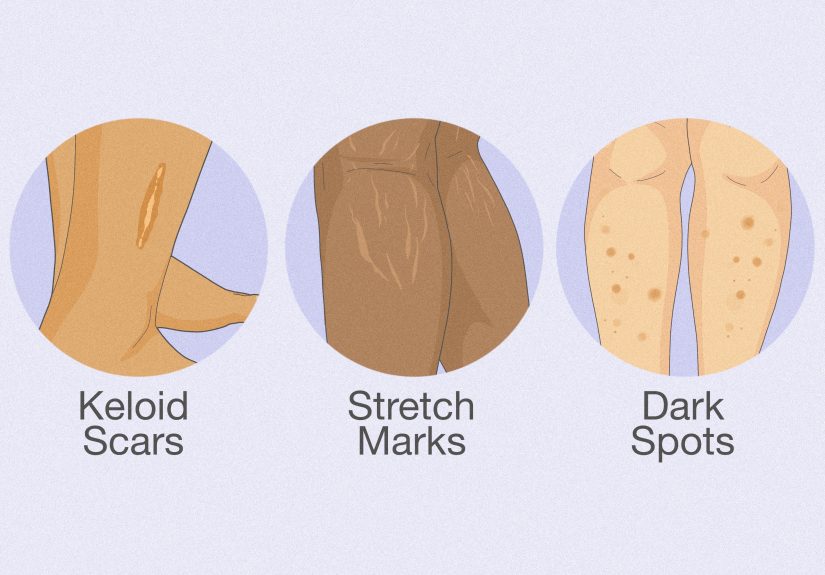
1) A True Scar (Textural Change)
A true scar usually changes the skin’s texture. It may be:
- Flat and pale (common after cuts or scrapes)
- Raised and firm (hypertrophic scar or keloid)
- Indented (atrophic scar, less common on legs but possible after injuries or chickenpox)
2) A Dark Mark (Post-Inflammatory Hyperpigmentation)
Many people say “scar” when they really mean a brown, purple, or gray mark left after inflammationsuch as a bug bite, ingrown hair, razor bump, folliculitis, or rash. This is often post-inflammatory hyperpigmentation (PIH).
PIH is not the same as a raised or indented scar, and it usually responds better to pigment-fading ingredients and strict sun protection than to “scar creams.”
3) A Raised Scar That Keeps Growing
If the scar extends beyond the original injury, feels thick, itchy, or continues to enlarge, it may be a keloid. Keloids are harder to treat at home and are a strong reason to see a dermatologist early.
Best Creams and Topicals for Leg Scars (What Actually Helps)
Silicone Gels and Silicone Sheets (Top Pick for Many Scars)
If there’s one over-the-counter scar treatment dermatologists mention again and again, it’s silicone. Silicone gels and sheets are commonly used for raised scars (including hypertrophic scars and some keloids) and for scars after surgery or injuryonce the wound is fully closed.
Why people like silicone:
- Can help flatten and soften raised scars
- May reduce redness, itch, and discomfort
- Available as gels, sheets, and tapes
- Works best with consistent daily use over weeks to months
Important: Silicone is not for open wounds, infected skin, or fresh injuries that haven’t sealed. Some people also get irritation or rashespecially in hot, sweaty areas (and legs can be sweaty/friction-heavy).
Petroleum Jelly (Underrated, Especially Early On)
This one isn’t glamorous, but it’s useful: petroleum jelly. During the healing phase (before a scar fully forms), keeping a wound clean and moist can help reduce scabbing and may improve the final appearance of the scar.
In plain English: dry wounds often scab more, and heavy scabbing can lead to more noticeable scars. A simple occlusive ointment can support better healing. Fancy packaging is optional.
Sunscreen (Yes, on Your Legs)
If your scar or dark mark is exposed to sunlight, sunscreen is non-negotiable. UV exposure can make scars and post-inflammatory marks darker and more noticeableand that discoloration can linger.
Choose a broad-spectrum SPF 30+ and reapply if you’re outside. If your main issue is dark marks (especially in deeper skin tones), tinted sunscreen can be especially helpful. Scar care without sun protection is like mopping while the faucet is still running.
Scar Creams with Onion Extract, Vitamin E, and Other Ingredients
This category gets the most hype and the most confusion.
Onion extract: Some products include onion extract. Evidence is mixed, and results vary. It may help some people a little (especially with itch or appearance), but it’s not a miracle treatment.
Vitamin E: This is a classic “everyone recommends it” ingredient, but the research is not impressive. In some people, topical vitamin E can irritate the skin (contact dermatitis) and may even worsen the appearance of the scar. If you try it, patch test firstbut many dermatologists prefer better-studied options like silicone.
Retinoids, azelaic acid, vitamin C, glycolic acid, niacinamide: These are often more useful for dark marks (PIH) than for raised or indented scars. They help with pigment and skin turnover, not necessarily scar thickness.
Hydroquinone: Sometimes used for stubborn dark discoloration, but it’s best used with professional guidanceespecially on larger areas, sensitive skin, or darker skin tones where irritation can backfire and cause more discoloration.
Home Remedies for Leg Scars: What Helps, What’s Overhyped
Let’s separate supportive home care from internet folklore.
Helpful At-Home Strategies
1) Gentle Scar Massage (After the Skin Has Healed)
Once the wound is closed and your clinician has cleared it (especially after surgery), gentle scar massage may help soften tight, firm scar tissue over time. It can also help you get more comfortable touching the area, which sounds minor but matters a lot.
Use clean hands and a bland moisturizer or silicone gel to reduce friction. Think “gentle pressure,” not “trying to buff a countertop.” If it hurts, cracks, bleeds, or gets irritated, stop and check with a healthcare professional.
2) Moisturizing Regularly
Keeping the area moisturized can reduce itch and dryness and make the scar feel less tight. This won’t erase a scar, but it can improve comfort and the way the area looks day to day.
3) Sun Protection + Clothing Coverage
For leg scars, this may mean sunscreen, long pants, or UV-protective clothingespecially if you’re outside a lot, biking, hiking, gardening, or living in sunny weather. (Or just walking to the mailbox and somehow getting a sunburn in under six minutes.)
4) Reducing Friction and Re-Injury
Leg scars often sit in high-friction zones: knees, shins, inner thighs, and areas rubbed by socks, boots, or athletic gear. Repeated rubbing can worsen irritation or pigmentation. If possible, protect the area while it heals.
5) Treating the Original Problem
If your “scars” come from ingrown hairs, folliculitis, eczema, or itchy bug bites, preventing new inflammation is as important as fading old marks. Otherwise, you’ll be trying to clear spots while new ones keep arriving.
Home Remedies That Are Usually Overhyped (or Risky)
- Lemon juice: Can irritate skin and increase risk of discoloration.
- Baking soda scrubs: Too harsh for many people and may inflame skin.
- Undiluted essential oils: Common cause of irritation/allergic reactions.
- Aggressive exfoliation on fresh scars: Can worsen redness and slow healing.
Aloe vera may feel soothing for some people, but “soothing” and “scar removal” are not the same thing. Comfort is great. Just don’t expect a botanical magic trick.
When Creams and Home Care Aren’t Enough: In-Office Treatments
If a scar on your leg is raised, itchy, painful, very dark, or just not improving, a dermatologist can offer treatments that are far more powerful than OTC products.
1) Corticosteroid Injections
Commonly used for raised scars and keloids. Injections can help flatten the scar and reduce itch or pain. Multiple sessions are often needed.
2) Laser and Light Treatments
Laser treatments can help reduce redness, improve texture, and treat some types of scars (including certain raised scars and some depressed scars). They can also be combined with other treatments for better results.
3) Cryotherapy (Freezing Treatment)
Often used for raised scars or keloids. Cryotherapy may shrink the scar and improve symptoms, and it’s sometimes combined with injections.
4) Microneedling
Microneedling is a minimally invasive procedure that stimulates collagen remodeling and may improve the appearance of certain scars and uneven texture. It can be a good option for some injury or surgical scars and is also used for hyperpigmentation concerns in selected cases.
At-home microneedling devices are a different story. They’re generally less effective and can cause irritation, infection, or even more scarring if used improperly. This is one of those “professional treatment if you’re serious” categories.
5) Chemical Peels or Dermabrasion (Mostly for Surface Texture/Pigment)
These may help with superficial texture changes or discoloration, depending on your skin type and the kind of mark you have. They’re not ideal for every scar and should be chosen carefullyespecially in people prone to PIH.
6) Scar Revision Surgery
For scars that restrict movement, heal poorly, or remain very noticeable, scar revision surgery may improve appearance and function. Timing matters, and many scars are left to mature for months before surgery is considered. Your dermatologist or surgeon can help decide when (or if) revision makes sense.
How Long Does It Take to Fade Leg Scars?
Longer than most people want. Faster than your most dramatic friend predicts.
Realistic timelines vary by scar type, skin tone, depth, and treatment consistency:
- New healing wounds/scars: noticeable change over weeks to months
- Raised scars: often need months of silicone and/or in-office treatment
- Dark marks (PIH): can take months; deeper pigment may last much longer
- Older scars: usually improve more slowly and may need procedures
If you’re treating a leg scar, photos can help more than memory. Take a picture every 4 weeks in the same lighting. Progress is often gradual, and your brain is not an objective dermatologist.
Sample At-Home Plans (General Guidance)
For a New Closed Scar (After Scrape/Cut/Surgery)
- Keep the area clean and moisturized (if still in active healing, follow wound-care instructions)
- Once fully closed, consider silicone gel or silicone sheets
- Use SPF 30+ on exposed skin daily
- Avoid picking, scratching, or repeated friction
For Flat Brown Marks from Bug Bites or Ingrown Hairs
- Daily sunscreen on exposed legs
- Gentle brightening ingredients (e.g., azelaic acid, retinoid, vitamin C, niacinamide) if tolerated
- Treat the cause (ingrowns, folliculitis, shaving irritation)
- See a dermatologist if marks are widespread, worsening, or not improving
For Raised, Itchy, Firm Scars
- Silicone gel/sheets (after full closure)
- Sun protection
- Dermatology appointment sooner rather than later (especially if it’s growing)
When to See a Doctor or Dermatologist
Make an appointment if:
- The scar is raised, painful, itchy, or continues to grow
- You suspect a keloid
- The area limits movement (especially around the knee)
- You have repeated irritation, infection, or poor healing
- You’re not sure whether it’s a scar, a dark spot, or another skin condition
- You want faster results or a treatment plan tailored to your skin tone and scar type
Also seek medical care right away if a wound or scar shows signs of infection (increasing redness, warmth, swelling, pus, severe pain, fever) or if a changing lesion makes you worry about something more serious.
500-Word Experience Section: What People Commonly Go Through (and What Helps)
Note: The examples below are composite, real-world style experiences based on common scar-care patternsnot individual medical advice.
One of the most common experiences with leg scars is the “I thought it would be gone by now” phase. Someone gets a scrape on the shin, uses basic first aid for a few days, and then assumes the rest is automatic. Weeks later, the wound is closedbut now there’s a pink or brown patch that looks more noticeable than expected. This is where frustration starts. People often think they “did something wrong,” when in reality, scar remodeling simply takes time.
Another common pattern happens after shaving or waxing. A person deals with ingrown hairs on the thighs or calves, picks at a bump (because, well, human nature), and ends up with multiple dark spots. They buy a scar cream, use it for five days, and quit because nothing changes. What usually helps more in this situation is a two-part strategy: preventing new bumps (better shaving habits, fewer irritants, treating folliculitis if present) and slowly fading old marks with sunscreen plus pigment-focused skincare. In other words, stop the leak before repainting the wall.
People with raised scars often describe a different issue: not just appearance, but texture and symptoms. A scar may feel tight under jeans, itch when skin gets dry, or rub against socks and become irritated. For them, success isn’t only “it looks better.” It’s also “it doesn’t bug me all day anymore.” Silicone products and gentle moisturizing routines can be especially meaningful here because comfort improves before the scar fully changesand that keeps people motivated.
Many people also report mixed emotions around in-office treatments. They’re excited, but nervous about cost, downtime, or whether a procedure will make things worse. A helpful mindset is to treat the first dermatology visit like a strategy session, not a final exam. A good clinician can identify whether the mark is a scar, hyperpigmentation, or both, and then explain what can realistically improve in 3 months versus 12 months. That clarity alone reduces stress.
For people with deeper skin tones, another frequent experience is feeling dismissed with generic advice like “just wait.” While time does help, discoloration can persist longer and may need a more targeted plan. Sun protection becomes especially important, and the right treatment choice matters because irritation can trigger more pigmentation. Many patients feel relieved once they get a plan that acknowledges this instead of pretending all scars behave the same way on every skin tone.
Finally, the biggest success factor people mention is consistencynot perfection. They don’t need a 12-step routine, a drawer full of products, or a moon-phase calendar. They need a realistic routine they’ll actually follow: protect from sun, use the right topical for the type of mark, avoid picking, and get professional help when the scar is raised or stubborn. Boring? Maybe. Effective? Usually, yes.
Final Takeaway
If you want to improve scars on your legs, start by identifying what you’re treating: a true scar, a dark mark, or both. For many people, the most effective at-home approach includes good wound care early, silicone after the skin closes, and daily sun protection. “Natural” remedies can be hit-or-miss, and some popular ones may irritate the skin.
If the scar is raised, itchy, growing, painful, or simply not improving, a dermatologist can offer treatments like injections, laser therapy, cryotherapy, microneedling, or scar revision. The best results usually come from matching the treatment to the scar typeand giving it enough time to work.