Table of Contents >> Show >> Hide
- Why Nigerian Dwarf Goats Are So Popular
- Before You Buy: Set Yourself Up for Success
- Housing and Fencing: The Part Goats Will Test Immediately
- How to Feed Nigerian Dwarf Goats the Right Way
- Daily Care and Routine Herd Management
- Breeding, Kidding, and Raising Kids
- Common Mistakes First-Time Owners Make
- What Raising Nigerian Dwarf Goats Actually Feels Like
- Final Thoughts
Nigerian Dwarf goats are the overachievers of the goat world: small enough to fit beautifully on a modest homestead, dramatic enough to turn an ordinary feeding routine into a full stage production, and productive enough to earn their keep with rich milk, lively kids, and endless personality. They are charming, clever, and just mischievous enough to make you question your fence-building skills at least once a month.
That said, raising Nigerian Dwarf goats well is not about tossing a few cute goats into a pasture and hoping for the best. Good management matters. These little dairy goats need sturdy housing, smart feeding, routine hoof and health care, parasite control, and a setup designed for real goats rather than storybook goats who politely stay where they are told. If you get the basics right, Nigerian Dwarfs can be hardy, useful, and deeply rewarding animals to keep.
Why Nigerian Dwarf Goats Are So Popular
Nigerian Dwarfs are miniature dairy goats, but they do not act like “starter pets” in tiny costumes. They are true goats with all the normal goat traits: curiosity, athletic ability, strong social instincts, and a real need for thoughtful management. Their size is part of their appeal, of course. They are easier to handle than larger dairy breeds, require less space than full-size goats, and are a natural fit for families, hobby farms, and homesteads that want milk production without managing a much bigger herd.
They also win people over with temperament. A well-raised Nigerian Dwarf is alert, bright, social, and entertaining. The keyword there is well-raised. Goats that are underfed, lonely, parasite-burdened, or kept in poor fencing do not suddenly become adorable because they are small. Size helps, but management does the heavy lifting.
Before You Buy: Set Yourself Up for Success
The first rule of raising Nigerian Dwarf goats is simple: do not buy just one. Goats are herd animals. A single goat is usually a frustrated goat, a noisy goat, and often a goat plotting your emotional destruction at 5:42 a.m. Start with at least two compatible animals so they have company and normal social interaction.
Next, decide what kind of herd you actually want. If your goal is easy companionship and brush control, wethers or pet does are often the least complicated option. If you want milk, choose sound dairy-type does from healthy, tested stock. If you want to breed, be honest with yourself about the extra work: kidding, kid management, breeding decisions, sanitation, recordkeeping, and buck management all add a new layer of commitment.
When shopping, look for goats from a clean herd with bright eyes, healthy body condition, good feet and legs, and a seller who can talk clearly about feeding, vaccines, parasite management, and general herd health. Bring new goats home only after your fencing, shelter, water setup, and feed plan are ready. The romantic version of goat ownership says, “We’ll figure it out.” The wise version says, “Let’s not build the fence while the goats are already escaping.”
It is also smart to quarantine new arrivals before mixing them into your herd. That gives you time to observe their appetite, droppings, feet, coat condition, and overall health while reducing the chance of bringing disease or parasite problems onto your property.
Housing and Fencing: The Part Goats Will Test Immediately
Shelter Basics
Nigerian Dwarf goats do not need a palace, but they do need shelter that stays dry, drains well, and protects them from wind, rain, and weather extremes. A simple shed or small barn can work beautifully if it has good ventilation, dry bedding, and room for the herd to lie down comfortably. Damp, filthy housing creates trouble fast, especially for kids and does around kidding time.
Keep the shelter easy to clean. That matters more than fancy design. Bedding should be simple to add and remove, water should be easy to access year-round, and feed should stay off the ground when possible. If your shelter is a swamp in spring, a sauna in summer, and a wind tunnel in winter, the goats will file a silent complaint with their hooves, lungs, and parasite load.
Fencing That Respects Goat Talent
Goats are not impressed by weak fencing. In fact, they treat bad fencing like a puzzle toy. Nigerian Dwarfs may be small, but that often makes them more likely to squeeze through gaps, climb objects near the fence line, or wriggle under something that “looked fine yesterday.”
Good fencing is one of the best investments you will make. Woven wire or solid livestock panels are common choices, and fences need enough height and strength to deal with jumping, leaning, and the occasional acrobatic audition. Keep objects away from the fence that could become launching pads. If you keep a buck, expect more pressure on the system and build with that in mind from the start.
How to Feed Nigerian Dwarf Goats the Right Way
Start With Forage
The foundation of a Nigerian Dwarf goat diet is forage. Good-quality hay and safe browse do most of the nutritional work for adult goats. Goats are natural browsers, which means they love sampling shrubs, leaves, weeds, and all the plants you were foolish enough to think were safe from nibbling. Browse can be useful and enriching, but it should not replace balanced feeding.
Many adult goats can do well on quality hay, minerals, and water. Growing kids, late-pregnant does, and lactating does usually need more support. This is where many beginners go wrong: they either feed grain like it is confetti at a parade, or they avoid supplementation entirely because hay seems simpler. Neither extreme is ideal.
Water and Minerals Matter More Than People Think
Fresh, clean water should always be available. Not “mostly clean.” Not “goat-clean,” which is a suspicious category. Actually clean. Water intake affects feed intake, milk production, and general health, so make it easy for goats to drink and keep containers scrubbed.
Nigerian Dwarfs also need a quality loose mineral made for goats. Loose mineral is usually preferred over hard blocks because goats often do not consume enough from blocks to meet their needs. Minerals are not an optional garnish. They support growth, reproduction, milk production, and overall health. If your goats are licking the feeder like it contains state secrets, check your mineral program before blaming the moon.
Use Grain With a Purpose
Grain and concentrates can be helpful for growing kids, thin goats, late-pregnant does, and milkers that need more energy. But this is not a snack-based economy. Overfeeding grain can lead to digestive trouble, and sudden feed changes are asking for chaos. Introduce concentrates gradually, adjust based on body condition and production, and match the ration to the animal in front of you.
A dry pet wether does not need to eat like a doe in peak milk. A doe carrying kids should not be managed exactly like an open yearling. Nigerian Dwarf goats may all look cute while chewing, but their nutritional needs are not identical.
Daily Care and Routine Herd Management
Hoof Trimming
Plan to trim hooves regularly. For many herds, that means about every six to eight weeks, though terrain, weather, growth rate, and management can change the schedule. Overgrown hooves make goats uncomfortable, affect movement, and can contribute to foot problems. A goat with bad feet will not browse well, breed well, or impress anyone except your veterinarian.
Vaccines and Basic Health
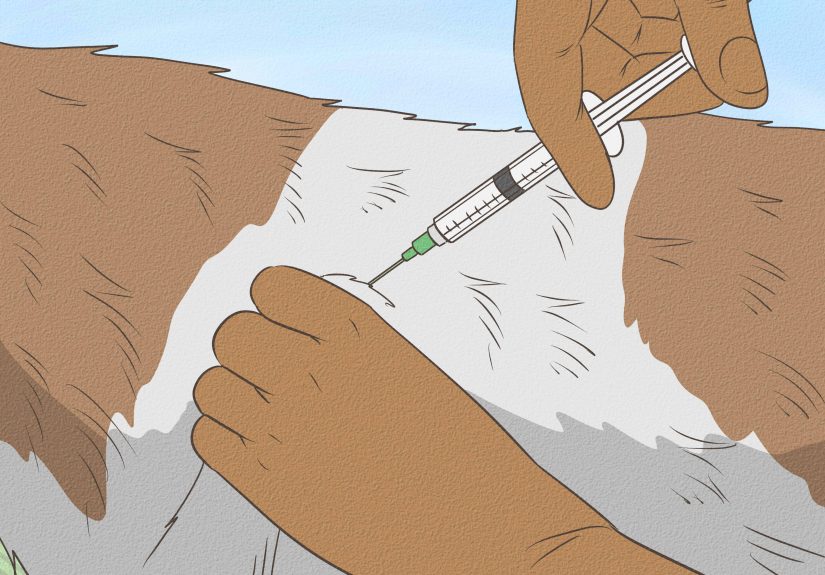
A sound herd health plan should include a relationship with a veterinarian who understands goats. One of the core vaccines commonly recommended for goats is CDT, which helps protect against enterotoxemia caused by Clostridium perfringens type C and D and tetanus. Beyond that, vaccination programs can vary by region and management style, so local veterinary advice matters.
Biosecurity matters too. Quarantine new goats, avoid sharing equipment carelessly, and do not assume a pretty goat from a nice photo is automatically a healthy addition. New animals can bring parasite problems, foot issues, or infectious disease into a previously stable herd.
Parasites and Pasture Management
If goats had a least favorite topic, it might be parasites. If goat owners had one, it would also be parasites. Internal parasites are one of the biggest management challenges in goats, and no amount of optimism changes that. The goal is not magic. The goal is control.
Use good grazing management, avoid forcing goats to graze pasture too short, keep bedding and feeding areas clean, and work with your veterinarian on targeted deworming instead of random “just in case” dosing. Kids are especially vulnerable to coccidiosis, a common gastrointestinal disease that thrives in contaminated, warm, moist conditions. Clean pens, dry bedding, smart kid management, and attention at weaning time go a long way.
Breeding, Kidding, and Raising Kids
If you plan to breed Nigerian Dwarf goats, think beyond the adorable baby-goat photos. Pregnancy in goats lasts about five months, and does need excellent nutrition and observation as kidding approaches. A clean, dry kidding area is worth preparing ahead of time, not while you are holding a flashlight in one hand and making questionable life choices in the other.
As kidding gets close, watch does for behavior changes, udder development, and restlessness. Most births go smoothly, but the people who sleep best are the ones who prepared early. Keep kidding supplies organized, know who to call if something goes wrong, and make sure newborn kids get off to a strong start.
Kid management does not end after birth. You need a plan for feeding, disbudding if that is part of your program, parasite prevention, vaccination timing, and eventual weaning. Bucklings also need to be separated before “surprise genetics” becomes your newest farm story.
Common Mistakes First-Time Owners Make
Buying goats before building the setup. Goats should arrive to a ready property, not a construction site with optimistic vibes.
Underestimating fencing. If the fence looks decorative, the goats agree.
Overfeeding grain. Rich feed without a reason can create more problems than it solves.
Ignoring minerals. Goats need a goat-specific mineral program, not a random bucket of wishful thinking.
Skipping routine chores. Hooves, body condition, fecals, and daily observation are not glamorous, but they are what keep small issues from becoming expensive ones.
Treating Nigerian Dwarfs like toys. They are small dairy livestock, not furry lawn ornaments with opinions.
What Raising Nigerian Dwarf Goats Actually Feels Like
On paper, raising Nigerian Dwarf goats sounds tidy: provide shelter, feed hay, trim hooves, manage health, repeat. In real life, it feels more like joining a tiny, highly opinionated committee that meets twice a day and complains loudly if dinner is three minutes late.
The first experience most people have is surprise at how quickly these goats learn routines. They know the sound of the feed bin, the rattle of a latch, and the exact moment you are wearing clothes that should not have muddy hoof prints on them. They meet you at the gate with bright eyes and complete confidence that you exist for their convenience. It is hard not to laugh, even when one of them is standing on a mineral feeder like a pirate on the bow of a ship.
There is also a rhythm to goat keeping that sneaks up on you. Morning chores become a quiet health check. You notice who rushed to breakfast, who is hanging back, whose coat looks sleek, whose rumen looks full, and who is considering whether your jacket zipper is edible. Over time, you get very good at reading the small changes. That is one of the most useful experiences a goat owner develops: the ability to spot “something is off” before it becomes a full-blown problem.
Then there is the fence experience, otherwise known as “How did you even get over there?” Nigerian Dwarfs are clever enough to find weak spots and athletic enough to exploit them. Almost every owner has a story involving a loose goat, a garden, and a face on the goat that suggests absolutely no regret. Those moments are frustrating, but they also teach you something valuable: goat management improves fast when you stop building for the goat you hope you have and start building for the goat you actually have.
Kidding season brings a completely different kind of experience. Even calm, prepared owners suddenly become amateur detectives, checking udder changes, tail ligaments, nesting behavior, and every suspicious glance from a pregnant doe. The barn feels different then, a little more serious and a little more magical. When kids arrive healthy and vigorous, it is one of the most satisfying moments in livestock keeping. It is tiring, messy, and sometimes nerve-racking, but it is also the moment when all the boring prep work proves its value.
And perhaps the best experience of all is how Nigerian Dwarfs turn ordinary farm life into something more personal. They are productive animals, yes, but they are also crowd-pleasing little comedians. You learn their voices, their pecking order, their favorite browsing spots, and their weird personal habits. One always wants the highest sleeping platform. One hates being last in line for grain. One thinks hoof-trimming day is a violation of constitutional rights.
That is why so many people stick with them. Raising Nigerian Dwarf goats is work, real work, but it is the kind of work that gives something back every day. If you build the right system and stay consistent, these goats repay you with milk, kids, brush control, and a surprising amount of joy. Also, occasional chaos. But mostly joy.
Final Thoughts
Raising Nigerian Dwarf goats successfully comes down to consistency. Give them companions, solid fencing, dry shelter, quality forage, clean water, loose minerals, routine hoof care, and a proactive health plan. Watch them closely, manage them like dairy animals, and respect the fact that “small” does not mean “low-maintenance.” Do that, and your herd can be healthy, productive, and endlessly entertaining for years to come.