Table of Contents >> Show >> Hide
- Why Cavity Prevention Matters More Than Most Parents Realize
- Start Early, Even Before Your Child Can Brush Alone
- Make Fluoride Your Quiet Little Superpower
- Brush Twice a Day Like It Actually Counts
- Tame the Sugar Schedule, Not Just the Sugar Itself
- Use Sealants and Checkups Strategically
- Watch for Hidden Risk Factors
- Know the Early Warning Signs
- A Practical Daily Routine That Actually Works
- Real-Life Experiences and Lessons From Families Dealing With Cavity Prevention
- Conclusion
Note: Body-only HTML in English. SEO tags are included in JSON format at the end of this article.
Preventing cavities in children sounds simple on paper: brush, floss, skip the candy avalanche, and visit the dentist. In real life, though, it looks more like this: your toddler is chewing the toothbrush, your second grader thinks mouthwash is a personality trait, and someone keeps “forgetting” that juice is not a food group. The good news is that cavities are highly preventable, and parents do not need a perfect routine to make a huge difference. They just need a smart one.
Cavities form when bacteria in the mouth feed on sugars and starches, then produce acids that wear down tooth enamel over time. Children are especially vulnerable because baby teeth have thinner enamel, brushing skills take years to develop, and snack-heavy schedules can turn little mouths into all-day buffet lines for plaque. The trick is not just cleaning teeth. It is building a daily system that protects them from morning cereal to bedtime negotiations.
Why Cavity Prevention Matters More Than Most Parents Realize
Baby teeth are not “throwaway teeth.” They help children chew comfortably, speak clearly, smile confidently, and hold space for permanent teeth. When cavities are ignored, kids can end up with pain, infections, poor sleep, trouble eating, missed school, and dental visits that go from mildly annoying to genuinely dramatic. No parent wants a simple snack habit to turn into a filling, crown, or emergency appointment.
The bigger point is this: preventing cavities is usually easier, cheaper, and far less stressful than treating them. Think of it as one of the highest-return parenting routines around. You spend a few minutes a day now so you do not spend hours later explaining why the dentist has a tiny mirror and a very strong opinion.
Start Early, Even Before Your Child Can Brush Alone
One of the best ways to prevent tooth decay is to start long before a child is capable of doing anything useful with a toothbrush. Before teeth erupt, gently wiping your baby’s gums with a clean, damp cloth after feedings can help create healthy oral care habits. Once the first tooth appears, it is game on: that tooth needs daily cleaning, not a ceremonial photo and a promise to deal with it later.
The “Dental Home” Rule
Children should have an early dental visit, ideally by their first birthday or within about six months of the first tooth coming in. This first visit is less about deep cleaning and more about prevention. A pediatric dentist can check for early signs of decay, talk about feeding habits, review fluoride needs, and help parents spot risky patterns before they become expensive ones.
Watch Bottle and Sippy Cup Habits
One of the classic cavity traps is letting a child go to sleep with a bottle or sip all evening from a cup filled with milk, juice, formula, or sweetened drinks. When sugary liquids pool around the teeth for long periods, bacteria throw a party and enamel pays the bill. Water is the safest bedtime drink. If your child still uses a bottle, work toward transitioning to a cup around the first birthday instead of letting the bottle become a permanent emotional support object.
Make Fluoride Your Quiet Little Superpower
If cavity prevention had a most valuable player award, fluoride would be holding the trophy. It helps strengthen enamel and makes teeth more resistant to acid attacks. It can also support early remineralization, which is a fancy way of saying it helps weak spots before they turn into full-blown cavities.
Use the Right Amount of Toothpaste
The amount matters. For children under age 3, use a smear of fluoride toothpaste about the size of a grain of rice. For ages 3 to 6, use a pea-sized amount. More is not better. This is toothpaste, not cupcake frosting. Parents should place the toothpaste on the brush and supervise brushing so kids do not swallow it like minty pudding.
Do Not Forget About Drinking Water
Fluoridated tap water can play a major role in cavity prevention. If your child mostly drinks bottled water, check whether it contains fluoride. Many brands do not provide enough to help protect teeth. If your family relies on well water or non-fluoridated water, ask your dentist or pediatrician whether your child needs additional fluoride support.
Ask About Fluoride Varnish
Fluoride varnish is a fast, simple treatment that can be applied in a dental office and sometimes even during pediatric visits. It is especially useful for babies, toddlers, and children at higher risk of tooth decay. It is not a magic shield, but it is a smart layer of protection that works best alongside good brushing, good nutrition, and regular checkups.
Brush Twice a Day Like It Actually Counts
Brushing should happen twice a day, every day: once in the morning and once before bed. The bedtime brush is the non-negotiable one. After that, the kitchen is closed. No milk, no crackers, no surprise granola bar because someone suddenly discovered hunger at 9:14 p.m. A clean mouth right before sleep matters because saliva drops overnight, which means teeth have less natural protection.
Technique Beats Enthusiasm
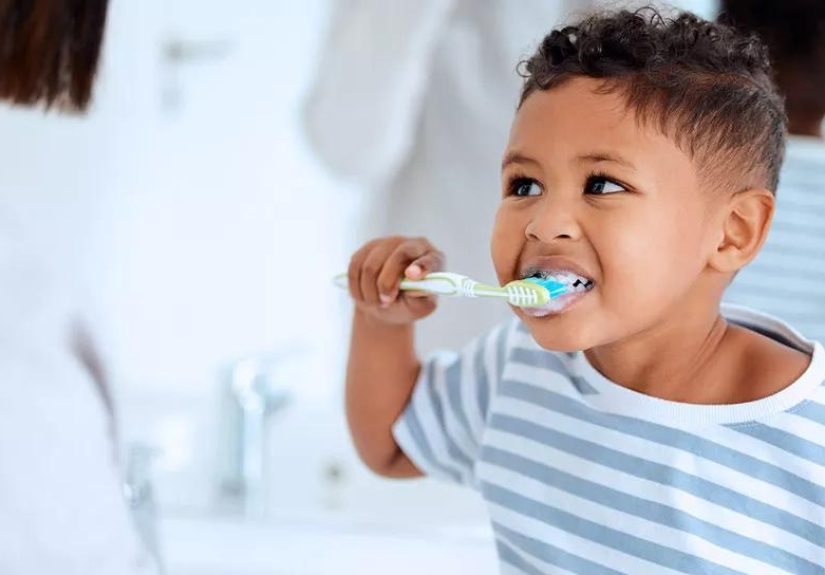
A quick ten-second scrub of the front teeth does not count, even if your child performs it with Broadway-level confidence. Brush for two full minutes, reaching the front, back, and chewing surfaces. Use a soft-bristled child-size brush. Electric toothbrushes can help some kids do a better job, especially if timers, music, or apps make them more cooperative.
Parents Need to Help Longer Than They Think
Many children do not have the hand skills to brush thoroughly on their own in the early years. A good rule of thumb is: let them practice, then you finish the job. Lots of kids need brushing help until around age 7 or 8, and flossing help even longer. Independence is wonderful. Clean molars are wonderful too. When forced to choose, pick clean molars.
Start Flossing When Teeth Touch
Flossing is not reserved for adults with strong opinions about gum health. Once two teeth touch, flossing should begin. Why? Because a toothbrush cannot clean the tight spaces where plaque loves to hide. Floss picks can make the job easier for wiggly kids, though traditional floss works just fine if you and your child have the patience of saints.
Tame the Sugar Schedule, Not Just the Sugar Itself
Parents often focus on how much sugar a child eats, but how often a child eats sugar can matter just as much. Every time a child sips juice, nibbles fruit snacks, or grazes on crackers, the mouth gets another acid attack. Constant snacking means teeth never really get a recovery break.
What to Limit
- Sticky candies, gummies, dried fruit, and chewy snack bars
- Juice, soda, sports drinks, flavored milk, and sweet tea
- Frequent grazing on crackers, chips, cookies, and sweet cereals
- Bedtime drinks other than water after brushing
What Helps Instead
- Serve sweets with meals instead of as all-day snacks
- Offer water between meals
- Choose tooth-friendlier snacks like cheese, yogurt without lots of added sugar, eggs, nuts if age-appropriate, fresh vegetables, and whole fruit
- Keep snack times structured instead of letting kids nibble constantly
Whole fruit is generally a better choice than juice because it is less likely to bathe teeth in sugar and usually gets eaten faster instead of sipped for an hour in the back seat. The goal is not to create a childhood with zero treats. It is to keep sugar from becoming a daylong subscription service.
Use Sealants and Checkups Strategically
Molars have deep grooves that are excellent for chewing and terrible for staying clean. That is where dental sealants come in. These thin protective coatings are placed on the chewing surfaces of back teeth to help keep food and bacteria out. Sealants are especially helpful when permanent molars erupt, often around ages 6 and 12. If your child is cavity-prone, asking about sealants is one of the smartest moves you can make.
Regular dental checkups also matter because early decay is often painless. Parents usually do not see tiny weak spots forming between teeth or in the grooves of molars. Dentists do. Routine visits can catch problems early, reinforce brushing habits, and tailor prevention to your child’s risk level.
Watch for Hidden Risk Factors
Some kids need extra help because their cavity risk is higher than average. That can happen if they wear braces, take medications that cause dry mouth, have developmental or sensory challenges that make brushing difficult, snack frequently for medical reasons, or have a history of cavities already. Family patterns matter too. If caregivers or siblings have active tooth decay, the household may need a stronger prevention plan overall.
Another overlooked issue is bacteria transfer. Sharing spoons, cleaning a pacifier with your mouth, or blowing on food then using the same utensil can spread cavity-causing bacteria. It is not something to panic about, but it is worth avoiding. Your child does not need your cavity microbes as a family heirloom.
Know the Early Warning Signs
Cavities do not always start as obvious holes. Early tooth decay may show up as chalky white spots near the gums, brown areas, sensitivity, bad breath, food getting stuck in the same place, or complaints that one side of the mouth “feels weird.” If you notice anything suspicious, do not wait to see whether it magically disappears. Teeth are not known for spontaneous redemption arcs.
In some cases, early damage can be slowed or managed with fluoride and close follow-up. In others, treatment is needed. The sooner the problem is evaluated, the more options you usually have.
A Practical Daily Routine That Actually Works
For Babies and Toddlers
- Wipe gums and brush as soon as the first tooth appears
- Use a rice-sized smear of fluoride toothpaste
- Avoid bedtime bottles with milk, formula, juice, or sweet drinks
- Begin transitioning from bottle to cup around age 1
- Schedule the first dental visit by age 1
For Preschoolers
- Brush twice daily with a pea-sized amount of fluoride toothpaste after age 3
- Floss when teeth touch
- Limit grazing and sticky snacks
- Offer water between meals
- Keep parents in charge of the final brushing pass
For School-Age Kids
- Maintain twice-daily brushing for two minutes
- Supervise quality, not just participation
- Ask about sealants for molars
- Keep juice, soda, and sports drinks occasional
- Stay consistent with checkups and preventive care
Real-Life Experiences and Lessons From Families Dealing With Cavity Prevention
In real families, cavity prevention usually does not fail because parents do not care. It fails because life gets noisy. One parent may start with a great plan, only to discover that mornings are chaos, bedtime is a hostage negotiation, and the child who happily brushed at age 3 becomes a tiny union leader by age 5. That is why the most successful families are not always the strictest. They are the ones who make oral care boring, predictable, and automatic.
A common experience is the “sippy cup surprise.” A parent switches from bottles, feels proud, and then realizes the child carries diluted juice around the house all day. From a cavity perspective, that still keeps teeth exposed to sugar over and over. Families who fix this usually do something simple: they make water the default drink between meals and keep juice small, occasional, and served with food. The result is often dramatic. Less grazing, less sugar exposure, fewer brushing battles caused by sticky snack residue, and fewer mysterious spots on the back teeth.
Another familiar story is the bedtime milk habit. Many parents use milk as a comfort routine because it works fast and everyone wants sleep. Then they hear at a dental visit that nighttime exposure is raising the risk of decay. Families who successfully move away from that habit rarely do it overnight with a grand speech. They tend to taper. Maybe they reduce the amount, switch the timing so milk happens before brushing, then replace the final bedtime drink with water. The lesson here is that prevention often works better through small consistent changes than through one heroic weekend of reform.
Brushing struggles are another near-universal experience. Some children hate the taste of toothpaste. Others bite the brush, run away shirtless, or insist they already brushed while still wearing cracker dust on their face. Parents who win this game usually stop treating brushing like a debate. They build a routine: same time, same order, same soundtrack, every day. A favorite trick is “you brush, then I brush.” Kids get ownership, but adults still make sure the molars are actually clean. Over time, that consistency matters more than any fancy gadget.
Parents also often notice that cavities are not always linked to obvious candy habits. Sometimes the issue is constant crackers, fruit snacks in lunch boxes, sticky dried fruit, or sports drinks after practice because they seem healthier than soda. Once families understand that frequent exposure matters, not just dessert, they start making smarter swaps. Cheese cubes, apples, cucumbers, plain yogurt, and water do not feel dramatic, but they reduce the number of daily acid attacks on teeth.
Then there is the experience many parents describe after getting sealants for a child with newly erupted molars. They wish they had known sooner. Deep grooves in back teeth are hard for kids to clean well, even when everyone is trying. Sealants can feel like a relief because they protect the teeth most likely to become troublemakers. Parents often say it is one of the few preventive steps in life that feels wonderfully unfair in a good way: quick appointment, no major drama, and less chance of needing a filling later.
The biggest lesson from families is simple: perfection is not required. What works is catching risky habits early, making water and fluoride normal, helping with brushing longer than expected, and treating dental checkups as preventive maintenance instead of emergency response. Kids do not need flawless parents. They need steady routines, a little fluoride, and someone willing to say, “Nice try, but we are still brushing before bed.”
Conclusion
If you want to prevent cavities in children, focus on the basics and repeat them until they feel ordinary. Start cleaning early. Use fluoride toothpaste correctly. Help kids brush well, not just independently. Floss when teeth touch. Keep sugar from turning into an all-day event. Offer water often. Ask about fluoride varnish and sealants. And see the dentist before there is a problem to fix.
That is the real secret: cavity prevention is not one dramatic action. It is a collection of small daily habits that quietly protect your child’s smile for years. No cape required.