Table of Contents >> Show >> Hide
- Why Jewelry Needs Its Own Moving Plan
- 12 Easy Packing Tips & Hacks
- 1) Start with a Jewelry Inventory (Yes, Before Bubble Wrap)
- 2) Separate by Category and Frequency of Use
- 3) Use a Dedicated “Jewelry Packing Kit”
- 4) Clean and Dry Pieces Before Packing
- 5) Give Every Piece Its Own “Personal Space”
- 6) Use the Necklace Anti-Tangle Trick (Straw or Tube)
- 7) Pair Earrings with Buttons, Foam, or Cards
- 8) Use a Pill Organizer or Egg Carton for Tiny Items
- 9) Secure Jewelry Trays and Boxes with Stretch Wrap
- 10) Protect Watches and Statement Pieces in Rigid Boxes
- 11) Pack by Material: Soft Gemstones Need Gentler Handling
- 12) Build a Security Plan: Carry, Insure, and Ship Smart
- Quick Jewelry Packing Checklist
- Common Mistakes to Avoid
- How to Unpack Jewelry Without a Headache
- Final Thoughts
- Experience Notes: What Real Moves Teach You About Packing Jewelry (500+ Words)
Moving day is chaotic enough without a mystery knot made of six necklaces, one earring back, and your last remaining ounce of patience. Jewelry may be small, but it’s one of the riskiest things to move: easy to lose, easy to scratch, and painfully easy to tangle. The good news? You don’t need a vault, a bodyguard, or a dramatic movie soundtrack to protect your pieces. You just need a smart system.
This guide walks you through how to pack jewelry for moving with 12 practical tips and low-effort hacks you can do with things already in your house. You’ll learn how to keep chains from tangling, prevent scratches, protect sentimental heirlooms, and make unpacking painless. We’ll also cover security and insurance essentials so your valuables are protected not just physically, but financially too.
Whether you own three everyday rings or a full collection of fine jewelry, this plan helps you move everything safelyand still have enough energy left to find the coffee maker at your new place.
Why Jewelry Needs Its Own Moving Plan
Jewelry is the “small but mighty” category of moving risk. It combines all the classic moving problems in one place:
- Tangles: thin chains become tiny metal puzzles.
- Scratches: harder stones and metal edges can scuff softer pieces.
- Loss: a single loose stud can disappear into the void forever.
- Theft risk: valuables are portable, which means they need discreet handling.
- Claims complexity: if high-value items are not documented, reimbursement can get messy.
Think of jewelry packing as a “micro move” inside your full move: separate kit, separate process, separate security. That one mindset shift will save you stress, money, and probably a dramatic “Where is grandma’s ring?!” moment later.
12 Easy Packing Tips & Hacks
1) Start with a Jewelry Inventory (Yes, Before Bubble Wrap)
Before packing anything, make a quick list of your pieces. Include what the item is, approximate value, and a photo. If you have receipts, certificates, or appraisals, gather them in one folder (digital and/or printed). This helps in three ways:
- You know exactly what you own.
- You can spot missing items fast.
- You’re prepared if you need to file an insurance claim.
Mini hack: Record a short phone video of each tray/box while naming each piece out loud. It’s fast, and surprisingly useful later.
2) Separate by Category and Frequency of Use
Don’t pack everything in one giant “sparkly soup.” Sort into buckets:
- Daily wear (easy access first)
- Fine/sentimental pieces (highest protection)
- Costume jewelry (still protected, less stress)
- Repair pile (pack last, label clearly)
This makes your packing safer and your unpacking faster. It also prevents you from opening ten boxes just to find one pair of studs for your first workday in the new place.
3) Use a Dedicated “Jewelry Packing Kit”
Your jewelry deserves its own supply station. Gather:
- Soft microfiber cloths or acid-free tissue
- Small zip pouches / zip bags
- Pill organizer or bead container
- Buttons or craft foam for earrings
- Paper straws or cardboard tubes for chains
- Painter’s tape + labels
- Small rigid boxes (for watches and statement pieces)
Mini hack: Use white tissue paper when possible to avoid dye transfer onto lighter metals or pearls.
4) Clean and Dry Pieces Before Packing
Jewelry stored with skin oils, lotion residue, or moisture can tarnish faster during transit. Give each piece a gentle clean based on material type, then fully dry before packing. Even a quick wipe-down helps.
Mini hack: Add a tiny sticky note in each pouch naming the item and metal type (e.g., “14k gold hoop,” “sterling charm bracelet”). Future you will be grateful.
5) Give Every Piece Its Own “Personal Space”
The easiest way to prevent scratches is also the simplest: avoid metal-on-metal contact. Pack delicate pieces individually, especially rings with prongs, gemstone pendants, and polished surfaces.
Rule of thumb: If two pieces could rub, separate them. This one rule solves half of all post-move jewelry damage.
6) Use the Necklace Anti-Tangle Trick (Straw or Tube)
For fine chains, thread each necklace through a straw and clasp it. For chunkier necklaces, use a cardboard tube (like a trimmed paper towel roll). Then wrap lightly in tissue and place into a pouch.
This keeps chains straight and prevents the legendary “metal bird’s nest” effect that appears the minute you’re tired and unpacking at midnight.
Mini hack: If you’re out of straws, place each chain in a small zip bag with the clasp closed outside the seal.
7) Pair Earrings with Buttons, Foam, or Cards
Earrings are tiny escape artists. Keep each pair together by:
- Threading studs through a button
- Piercing them through craft foam/card stock
- Placing each pair in one small compartment
Add a light wrap over the card or container so nothing shifts during transport.
Mini hack: Label each earring card with your outfit category (everyday, office, event) so styling later is faster.
8) Use a Pill Organizer or Egg Carton for Tiny Items
A weekly pill organizer is great for rings, studs, and chain bracelets. Each piece gets its own compartment and the lid prevents wandering. A clean plastic egg carton can work similarly for lower-risk pieces.
Mini hack: Place a small square of tissue in each compartment for extra cushioning and to reduce movement.
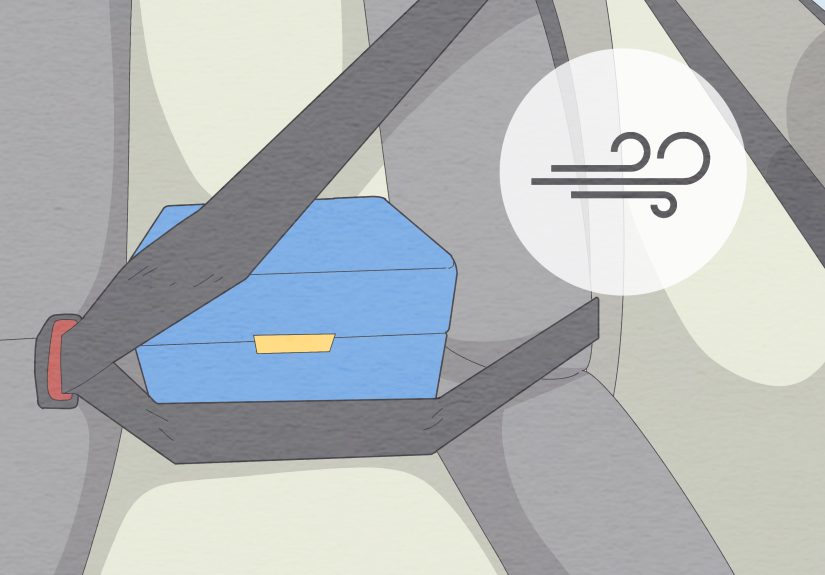
9) Secure Jewelry Trays and Boxes with Stretch Wrap
If your jewelry is already organized in a tray or travel case, don’t always reinvent the wheel. Add tissue where needed, then use plastic wrap around the tray/box to keep everything in place. This can preserve your setup from old home to new home with minimal effort.
Mini hack: Tape only onto the outside shell, never directly on fabric lining or items.
10) Protect Watches and Statement Pieces in Rigid Boxes
Watches, bangles, and heavier items need crush protection. Original boxes are ideal. If you don’t have them, use small rigid containers with soft fill so faces and stones don’t hit hard surfaces.
Mini hack: Wrap watch faces in microfiber first, then place face-up in a snug box to reduce impact risk.
11) Pack by Material: Soft Gemstones Need Gentler Handling
Not all jewelry behaves the same during a move. Pearls and other softer materials need extra care. Keep them away from heat, friction, and rough contact with harder stones/metals. Use soft pouches and avoid over-compressing them in crowded containers.
Mini hack: Create a “soft stones only” pouch group so those pieces never mix with heavy metal jewelry.
12) Build a Security Plan: Carry, Insure, and Ship Smart
For high-value or sentimental pieces, the safest strategy is often to keep them with you, not on the moving truck. If items must be shipped, use high-security methods and proper insurance. For interstate moves, review mover liability options ahead of time so you understand what is and isn’t covered.
- Carry your most valuable jewelry personally.
- Keep documentation accessible (photos, appraisals, receipts).
- Understand policy limits and consider scheduled coverage for high-value items.
- If shipping, choose secure service levels and insured declared value options.
Mini hack: Use discreet labels like “accessories” instead of announcing contents on every side of a box.
Quick Jewelry Packing Checklist
- Inventory list + photos complete
- Appraisals/receipts saved in cloud + printed copy
- Fine jewelry separated from costume pieces
- Necklaces threaded and clasped
- Earrings paired and secured
- Rings compartmentalized
- Watches in rigid protection
- Soft stones in separate pouches
- Travel-day jewelry pouch prepared (carry-on)
- Insurance/valuation details reviewed
Common Mistakes to Avoid
- One-box chaos: dumping everything together “just for now.”
- Skipping photos: then trying to remember details from memory during stress.
- Packing valuables too early: and not knowing where they are on moving day.
- Ignoring material differences: pearls packed with hard gemstones.
- Assuming full coverage: without checking limits or special-item requirements.
- Unlabeled pouches: turning unpacking into a scavenger hunt.
How to Unpack Jewelry Without a Headache
When you arrive, unpack jewelry before decor and “nice-to-have” items. Do it in a clean, bright space with a towel on the surface (so tiny pieces don’t bounce). Check your inventory as you go. Give each category a temporary home immediately: one tray for daily wear, one box for fine pieces, one pouch for repair items. The faster you establish order, the lower the loss risk.
And yes, celebrate if every necklace is still untangled. That is a legitimate life achievement.
Final Thoughts
The best way to pack jewelry for moving is not fancyit’s intentional. A few simple systems (inventory, separation, cushioning, and security planning) protect both monetary value and sentimental value. Use these 12 packing tips and hacks, and your jewelry arrives ready to wear, not ready for emergency surgery with tweezers.
In short: pack smart, label clearly, carry your high-value pieces yourself, and give every item the personal space it deserves. Your future selfstanding in a new bedroom, opening a perfectly organized jewelry pouchwill absolutely thank you.
Experience Notes: What Real Moves Teach You About Packing Jewelry (500+ Words)
One of the most repeated moving stories goes like this: “We packed the entire kitchen like pros, wrapped every plate, color-coded every room, and still managed to lose one tiny diamond stud.” That contrast is common. People focus on bulky, breakable items and underestimate small valuables. Jewelry gets packed late, usually while tired, and often in whatever container is closest. That rushed final-hour packing is where most preventable mistakes happen.
Another frequent experience is the “chain catastrophe.” Someone tosses five necklaces into one pouch because “they’re all going to the same place anyway.” Two days later, one chain is knotted through another clasp, and a pendant has scratched a polished surface. The emotional reaction is bigger than the physical damage because jewelry often carries memoriesgraduation gifts, family heirlooms, engagement pieces. It’s not just about replacement cost.
People who report the smoothest outcomes usually did three things early: they documented their pieces, they packed by type, and they used tiny compartment systems. A pill organizer, a bead box, or even labeled mini pouches turns chaos into structure. It sounds simple, but this is where moving success lives: repeatable small habits. The same movers also mention how helpful it was to keep a “first week jewelry set” separatejust enough daily pieces for work or events while the rest of the home is still in boxes.
A common lesson from high-value moves is that trust and visibility matter. Many homeowners assumed “the moving company is insured, so I’m covered.” Later they realized coverage details are nuanced, especially for valuable items and self-packed boxes. The people who felt most protected had already reviewed their policy limits, saved appraisal records, and understood their options before moving day. They didn’t wait for a problem to learn the rules.
There are also practical stories around organization wins. One family used button cards for earrings and wrote tiny outfit notes on each (“work,” “formal,” “weekend”). They said unpacking felt like opening a boutique instead of solving a puzzle. Another mover used color dots: gold pieces in yellow-labeled pouches, silver in blue, sentimental heirlooms in red. They found everything faster and reduced handling, which lowered scratch risk.
Then there’s the “I packed it too safely” storyyes, that exists. Some movers wrapped jewelry so thoroughly and scattered it across too many boxes that they spent weeks searching. The fix is easy: one master list, one dedicated jewelry container system, and one clearly defined location during transport. Secure does not need to mean impossible to find.
People moving with kids often share one brilliant tactic: they packed jewelry at a quiet time, alone, with a checklist, instead of during family rush hour. Distractions are a major risk factor for tiny valuables. Ten focused minutes beats one frantic hour every time. Likewise, people moving long distance often recommend a double-check ritual: inventory at old home, inventory at arrival, and a quick count the first night.
Finally, nearly everyone who had a good outcome says the same thing: the best packing hack was not a productit was a plan. A straw trick and a pill organizer are great, but they work because they are part of a process. When you treat jewelry as its own mini project inside the move, breakage, tangles, and loss drop dramatically.
If you remember only one experience-driven rule, make it this: Pack jewelry earlier than you think you need to. Not last-minute. Not “after dinner if there’s time.” Early, calm, documented, and compartmentalized. That single shift prevents most of the stories people wish they could undo.