Table of Contents >> Show >> Hide
- Why Stovetop Skillet Cookies Work (And Why They Sometimes Don’t)
- Choose Your Skillet Like You Mean It
- Ingredients for Stovetop Success
- Before You Cook: Two Quick Prep Moves That Make a Big Difference
- Make the Dough (One Bowl, No Drama)
- Method 1: One Giant Chocolate Chip Stovetop Cookie (Skillet “Pizookie” Style)
- Method 2: Individual Stovetop Cookies (More Like Classic Cookies)
- Stovetop Skillet Cookie Troubleshooting (Because Burners Have Opinions)
- Flavor Upgrades and Variations
- Serving Ideas (Aka, How to Make This Look Like a Restaurant Dessert)
- Storage and Reheating
- Food Safety Notes (Quick, Important, Not Here to Ruin Your Fun)
- Bonus: of Real-Kitchen Experiences Making Stovetop Skillet Cookies
- Conclusion
No oven? No problem. If you’ve got a skillet, a lid (or a little foil bravery), and the patience to keep your burner on “barely alive,” you can make chocolate chip cookies right on the stovetopwarm, gooey, and suspiciously impressive for something cooked on a single pan.
Stovetop skillet cookies are the dessert equivalent of wearing sweatpants to a fancy restaurant: wildly comfortable, a little rebellious, and somehow still the right choice. The trick is learning how to turn a skillet into a tiny, gentle “oven” so your cookies cook through without turning the bottoms into cookie-flavored charcoal.
Why Stovetop Skillet Cookies Work (And Why They Sometimes Don’t)
You’re building a mini oven on your burner
In the oven, hot air surrounds the dough and bakes it evenly from top to bottom. On the stovetop, heat comes from underneath. That’s why a lid matters: it traps heat and steam, helping the top set instead of staying raw while the bottom over-browns.
Cast iron is a superpowerif you treat it nicely
A heavy skillet (especially cast iron) holds heat steadily and gives you those crisp edges with a soft center people rave about. The downside: once it gets too hot, it stays too hot. That’s why low heat and occasional rotation are your best friends.
Choose Your Skillet Like You Mean It
- Best overall: 10- to 12-inch cast iron skillet with a lid.
- Great backup: Heavy stainless steel or anodized aluminum skillet (again: lid helps).
- Nonstick: Works well for individual cookies, but keep heat low to protect the coating.
Lid note: If you don’t have a lid that fits, use a sheet of aluminum foil crimped tightly over the top. If you do have a lid, you can still slip a small piece of foil under it to reduce steam drips (aka “cookie weather” falling from the sky).
Ingredients for Stovetop Success
This dough is designed for stovetop control: chewy, flavorful, and less likely to spread into one giant pancake-cookie (unless you want that, in which case, live your truth).
Base ingredients (for 1 giant skillet cookie or about 10–12 individual cookies)
- 1/2 cup (1 stick) unsalted butter, melted and cooled 5 minutes
- 1/2 cup packed light brown sugar
- 1/4 cup granulated sugar
- 1 large egg, room temperature
- 2 teaspoons vanilla extract
- 1 1/4 cups all-purpose flour
- 1/2 teaspoon baking soda
- 1/2 teaspoon fine salt
- 1 to 1 1/4 cups semisweet chocolate chips (or a mix of chips + chopped chocolate)
- Optional but excellent: 1 teaspoon cornstarch (for extra chew), flaky sea salt for the top
Why these ratios behave well on the stovetop
- More brown sugar = chewiness and moisture, which helps prevent a dry cookie if you need extra cook time.
- Melted butter = easy mixing and a fudgier texture (also: fewer dishes, because we’re adults with goals).
- Moderate flour = enough structure so the cookie sets on top under a lid, not just underneath.
Before You Cook: Two Quick Prep Moves That Make a Big Difference
- Chill the dough (optional, but highly recommended): 20–30 minutes in the fridge makes the dough easier to handle and slows spreading. If your kitchen is warm, this is basically cookie insurance.
- Cut a parchment circle (for the giant cookie): It helps prevent sticking and makes lifting the cookie out easier. For individual cookies, you can skip parchment and just lightly butter the skillet.
Make the Dough (One Bowl, No Drama)
- In a medium bowl, whisk melted butter, brown sugar, and granulated sugar until glossy and smooth.
- Whisk in the egg and vanilla until the mixture looks thicker and slightly lighter.
- Sprinkle in flour, baking soda, salt (and cornstarch if using). Stir just until no dry flour remains.
- Fold in chocolate chips. Save a small handful to press on top if you want bakery-style “look at me” puddles.
- If you’re chilling, cover and refrigerate 20–30 minutes.
Method 1: One Giant Chocolate Chip Stovetop Cookie (Skillet “Pizookie” Style)
This is the shareable, scoopable, ice-cream-friendly version. It’s also the one most likely to make people hover around your stove like it’s a campfire.
Step-by-step
- Prep the skillet: Lightly butter the skillet. If using parchment, press the parchment circle into the bottom.
- Add dough: Press dough evenly into the skillet (about 3/4-inch thick). Sprinkle reserved chocolate on top.
- Start low and slow: Set burner to the lowest heat you have. Place skillet on the burner and cover with a lid (or tightly crimped foil).
- Cook gently: Cook 15–22 minutes, checking around minute 12. Rotate the skillet a quarter turn every 5 minutes if your burner heats unevenly.
- Check doneness: Edges should look set and slightly darker; the center should look soft but not wet. If you have a thermometer, aim for about 160°F in the center for a fully cooked, food-safe cookie.
- Rest (this matters): Turn off heat and keep covered 5 minutes. Then uncover and cool 10 minutes before slicing or scooping. Carryover heat finishes the center without scorching the bottom.
What it should look like when it’s “right”
- Edges: firm enough to lift with a spoon
- Center: soft, slightly glossy, not raw-looking
- Bottom: deeply golden brown, not blackened
Pro move: If the bottom is browning fast but the top is lagging, slide the skillet halfway off the burner or onto a heat diffuser (or even a second cold burner) and keep it covered. You want gentler heat, not more time at “volcano.”
Method 2: Individual Stovetop Cookies (More Like Classic Cookies)
These are perfect when you want actual cookie shapesand when you don’t want to commit to a whole skillet cookie that you’ll “accidentally” eat with a spoon.
Step-by-step
- Portion: Roll dough into 2-tablespoon balls. Chill 10 minutes if dough is soft.
- Warm the pan: Heat skillet over low for 2 minutes, then add a tiny smear of butter.
- Place cookies: Add 3–4 dough balls, spaced apart. Gently flatten each just a bit.
- Cover: Put the lid on. Cook 10–17 minutes on very low heat (timing depends on thickness and stove).
- Optional flip method: If you want browning on both sides, flip carefully once the bottoms are golden and the cookies can lift without tearing (usually around 7–10 minutes), then cook 2–4 minutes more, covered.
- Cool: Transfer to a rack and let cool 5–10 minutes. They firm up as they coolcookie science, not cookie betrayal.
How to tell individual cookies are done
- Bottoms are crisp and golden
- Tops look set (not shiny-wet)
- Centers feel soft but not liquid when gently pressed
Stovetop Skillet Cookie Troubleshooting (Because Burners Have Opinions)
Problem: The bottoms are burning before the tops set
- Turn heat down (yes, even lower).
- Use a heat diffuser or move skillet partially off the burner.
- Keep the lid on so trapped heat finishes the top.
- Try a thicker parchment layer for the giant cookie.
Problem: The center stays raw
- Make sure you’re covering the skillet the whole time.
- Press giant-cookie dough a little thinner at the center (slight “dip”) so it cooks evenly.
- Cook longer, then rest covered 5 minutes.
- Consider smaller cookies if your stove runs hot.
Problem: Cookies spread too much
- Chill the dough 20–30 minutes.
- Make sure melted butter has cooled a few minutes before mixing.
- Add 1–2 tablespoons extra flour next time if your kitchen is very warm.
Problem: Cookies are pale on top
- This is normal for stovetop cookies, especially if you don’t flip.
- Press a few extra chocolate pieces on top for visual “baked” vibes.
- Let them rest uncovered after cooking so the surface dries slightly.
Flavor Upgrades and Variations
Brown butter upgrade
Brown the butter in the skillet first (stir until it smells nutty and turns amber), then cool it before mixing with sugar. It adds a deep, toasty flavor that makes people ask what your secret is. You can say “patience” and look mysterious.
Chocolate choices
- Semisweet chips: classic
- Chopped dark chocolate: bigger melty puddles
- Milk chocolate + dark mix: sweet and balanced
Add-ins that behave well on low heat
- Toasted walnuts or pecans
- Toffee bits
- Mini marshmallows (add near the end so they don’t scorch)
- Peanut butter swirl (drop small spoonfuls on top and drag a knife through lightly)
Serving Ideas (Aka, How to Make This Look Like a Restaurant Dessert)
- Classic: scoop of vanilla ice cream + flaky sea salt
- Weeknight fancy: drizzle of caramel sauce + toasted nuts
- Breakfast chaos (judge-free zone): spoonful with Greek yogurt and berries
- Shareable: serve straight from the skillet with spoons and let everyone “portion” their own
Storage and Reheating
- Room temp: Store cookies airtight for 3–4 days.
- Freeze: Freeze baked cookies up to 2 months; thaw at room temp.
- Rewarm: 30–60 seconds in a covered skillet on the lowest heat brings back gooey centers without drying them out.
Food Safety Notes (Quick, Important, Not Here to Ruin Your Fun)
Cookie dough is delicious, but raw flour and raw eggs can carry germs. The safest move is simple: cook your cookies fully and avoid tasting raw dough. If you want certainty, a quick-read thermometer is the least dramatic way to know the center is cookedaround 160°F is a solid target for egg-containing dough.
Also: let cookies cool a few minutes before eating. Not because I’m trying to stop youbecause molten chocolate is basically edible lava and it does not care about your schedule.
Bonus: of Real-Kitchen Experiences Making Stovetop Skillet Cookies
The first “experience” most people have with stovetop cookies is realizing their stove has a personality. Some burners run gentle and steady; others go from “low” to “surface of the sun” like they’re trying to speedrun dinner. The learning curve is mostly about heat confidencetrusting the lowest setting, keeping the lid on, and resisting the urge to crank the knob because you’re bored. Stovetop cookies reward patience in a way the oven sometimes doesn’t. You can actually listen and smell your way through it: a quiet sizzle of butter, a warm caramel aroma from the sugar, then that unmistakable chocolate-chip-cookie smell that makes everyone wander into the kitchen pretending they “just needed water.”
Another common moment: the great lid debate. If you’ve never cooked cookies covered, it feels wronglike you’re steaming dessert. But once you see the top turn from shiny to set without burning the bottom, it clicks. The lid is less about steam and more about trapping heat so the cookie cooks through. If you do notice condensation forming, you’re not failing; you’re just running a tiny cookie climate system. A quick solution is lifting the lid for a second or two near the end, then covering again for the final rest.
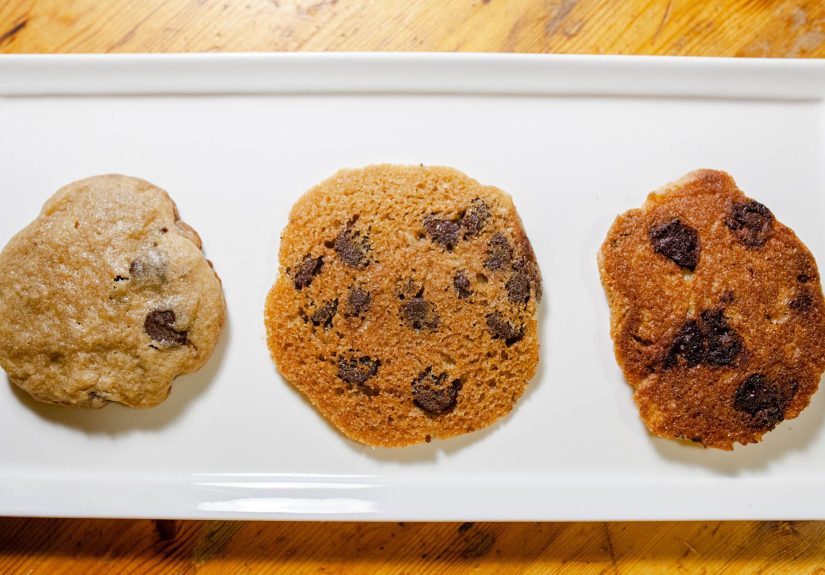
People also notice how different the texture is compared to a sheet-pan cookie. A skillet cookie tends to have a crisp, candy-like edge and a thicker, softer centermore like a brownie-cookie hybrid. That’s part of the charm. It feels “special” even if you mixed the dough in a bowl with a spoon and cooked it in the same pan you used for eggs earlier. (Yes, you can do that; a well-cleaned cast iron skillet won’t automatically make your cookie taste like breakfast. If it did, diners would be selling cookie omelets.)
The most satisfying experience is dialing in your own timing. Maybe your perfect giant skillet cookie is 18 minutes on low with a 5-minute covered rest. Maybe your individual cookies need a cautious flip at minute 9. Once you learn your stove, the process becomes repeatablelike a signature move. And because stovetop cookies don’t require preheating an oven, people end up making them more often: after-school treats, rainy-day desserts, late-night “I deserve something sweet” moments. The skillet becomes a shortcut to comfort. You’ll also start noticing how small changes feel bigger: a pinch of flaky salt turns the chocolate brighter; a mix of chopped chocolate and chips creates puddles; chilling the dough gives you thicker cookies. In the end, the best experience is that the method feels flexible. You’re not locked into one exact outcomeyou’re cooking, adjusting, and making the cookie you actually want, right there on the stovetop.
Conclusion
Stovetop chocolate chip cookies in a skillet are all about smart heat management: go low, cover the pan, and let carryover heat finish the job. Whether you make one giant, scoopable skillet cookie or a batch of individual cookies, the payoff is the samewarm chocolate, crisp edges, and the kind of dessert that makes people ask, “Wait… you made that on the stove?”
Keep it gentle, keep it covered, and don’t skip the short rest at the end. Your skillet can absolutely do oven dutiesit just needs you to be the calm, slightly bossy manager it deserves.