Table of Contents >> Show >> Hide
- Before You Start: The No Sew Dress Toolkit
- Look 1: The No Sew Scarf Halter Dress
- Look 2: The Sarong Wrap Dress
- Look 3: The Oversized T-Shirt Dress
- Look 4: The No Sew Tube Maxi Dress
- Look 5: The Belted Kaftan Dress
- How to Make No Sew Dresses Look More Polished
- Common No Sew Dress Mistakes to Avoid
- Care Tips for DIY No Sew Dresses
- Real-Life Experience: What It Is Actually Like to Make a No Sew Dress
- Conclusion
Want a cute dress without threading a needle, fighting with a bobbin, or whispering “please behave” to a sewing machine? Good news: you can make a stylish no sew dress with fabric, clever tying, fabric glue, fusible hem tape, and a few beginner-friendly tricks. No sewing machine. No pattern panic. No mysterious pile of tangled thread on the floor.
No sew dress ideas are perfect for quick parties, beach days, closet makeovers, costume moments, vacation outfits, and those “I have nothing to wear” emergencies that somehow happen while standing in front of a full closet. The secret is choosing forgiving fabrics, using strong but simple fastening methods, and understanding how fabric drapes on the body.
This guide covers five simple DIY looks: a scarf halter dress, a beachy sarong wrap dress, an oversized T-shirt dress, a no sew tube maxi dress, and a belted kaftan-style dress. Each one uses easy techniques that can be adjusted for different sizes and styles. Think of this as your friendly fashion labminus the lab coat, unless you want to turn that into a dress too.
Before You Start: The No Sew Dress Toolkit
The best no sew projects begin with the right supplies. You do not need a craft room worthy of a reality TV makeover, but a few basic tools will make your dress look polished instead of “I wrestled a tablecloth and lost.”
Essential Supplies
- Soft fabric, scarves, sarongs, or oversized T-shirts
- Fabric scissors
- Measuring tape
- Fabric glue or washable fabric adhesive
- Fusible hem tape or bonding web
- Iron and press cloth for heat-bonded hems
- Safety pins, fashion tape, or clips for temporary fitting
- Belt, ribbon, cord, chain, or scarf ring for styling
If you are using an iron, hot glue, or sharp scissors, work on a stable surface and ask an adult for help if needed. A no sew dress should create confidence, not a surprise trip to the first-aid drawer.
Best Fabrics for No Sew Dresses
Fabric choice matters more than almost anything else. For beginners, stretchy knits are the easiest because they usually do not fray much and they drape naturally. Jersey knit, rayon jersey, cotton jersey, modal blends, and lightweight stretch fabric work beautifully for casual no sew dresses. For wrap styles, try large scarves, sarongs, challis, rayon, soft cotton voile, or lightweight linen blends.
Avoid stiff fabric for your first project. Stiff cotton can look boxy unless it is carefully shaped. Very slippery satin can be glamorous but dramatic, like a red-carpet celebrity who refuses to stand still. If you are new to DIY fashion, start with fabric that has softness, movement, and a little forgiveness.
Look 1: The No Sew Scarf Halter Dress
The scarf halter dress is one of the fastest ways to make a no sew dress. It works best with a large square scarf, lightweight shawl, or silky rectangular scarf. This look is great for summer events, vacation outfits, beach cover-ups, or layered styling over a slip dress.
What You Need
- One large scarf or two matching scarves
- Ribbon, chain, cord, or a soft belt
- Fashion tape or small safety pins for extra security
How to Make It
- Hold the scarf behind your body with the top corners in both hands.
- Bring the two top corners forward under your arms.
- Cross the corners over your chest and tie them behind your neck.
- Adjust the front so the fabric lies smoothly.
- Add a belt at the waist to create shape.
- Use fashion tape or hidden safety pins if you want extra hold.
For more coverage, use two scarves. Place one scarf in front and one in back, then connect the top corners at the shoulders with knots, scarf rings, or discreet pins. Belt the waist to bring the shape together. The result looks intentionally breezy, not like you got into an argument with your picnic blanket.
Style Tip
Choose a scarf with a border print. When tied as a dress, the border creates a designer-looking hem without any cutting or hemming. Add flat sandals for daytime or metallic accessories for evening.
Look 2: The Sarong Wrap Dress
A sarong wrap dress is the champion of no sew fashion. It is adjustable, packable, lightweight, and perfect for warm weather. This look works especially well as a beach cover-up, resort dress, or casual summer outfit layered over a tank dress.
What You Need
- One large rectangular sarong or piece of lightweight fabric
- Optional scarf ring, belt, or brooch
- Fashion tape for windy days
How to Make It
- Wrap the fabric around your back, holding one corner in each hand.
- Bring the corners to the front of your chest.
- Cross the corners once, then twist them lightly.
- Tie the ends behind your neck for a halter-style wrap.
- Smooth the fabric over your waist and hips.
- Add a belt if you want more structure.
Another version is the one-shoulder wrap. Wrap the fabric around your body, bring both top corners to one shoulder, and tie them securely. This creates an elegant asymmetrical shape that looks much fancier than the effort required. That is the magic of draping: it lets the fabric do the work while you accept compliments like a calm, mysterious fashion genius.
Best Fabric for This Look
Use fabric with fluid movement. Rayon, voile, lightweight cotton, challis, and soft polyester blends can work well. If the fabric feels nice when gathered in your hand, it will probably drape well as a wrap dress.
Look 3: The Oversized T-Shirt Dress
The oversized T-shirt dress is the most comfortable no sew dress on this list. It is casual, sporty, and easy to customize. You can make it from a large graphic tee, plain cotton shirt, thrifted men’s tee, or long tunic-style top. This is the project for anyone who wants to look cool while feeling like they are wearing pajamas in publicin the best possible way.
What You Need
- One oversized T-shirt long enough to wear as a dress
- Fabric scissors
- Measuring tape
- Belt, ribbon, or elastic cord
- Optional fabric glue for finishing raw edges
How to Make It
- Try on the T-shirt and mark where you want the waist to sit.
- Remove the shirt and lay it flat.
- Cut small side slits at the hem if you want easier movement.
- For a fitted waist, cut tiny holes at the side seams near the waistline.
- Thread a ribbon, cord, or soft belt through the holes and tie it at the front or side.
- Roll the sleeves or cut them into cap sleeves for a cleaner silhouette.
For a more styled look, cut the neckline into a boat neck or scoop neck. Start small and try it on before cutting more. Fabric is very forgiving, but it does not grow back. It is not bangs.
No Sew Upgrade
Add iron-on patches, fabric paint, or a glued-on trim near the sleeves or hem. If you use fabric glue, apply a thin, even layer and let it cure according to the product instructions before washing.
Look 4: The No Sew Tube Maxi Dress
A tube maxi dress looks sleek but can be surprisingly simple. This project works best with stretchy knit fabric because stretch helps the dress stay comfortable and fitted without zippers, darts, or complicated shaping.
What You Need
- Two yards of stretchy jersey knit fabric
- Fabric glue or fusible bonding tape
- Measuring tape
- Fabric scissors
- Iron and press cloth if using fusible tape
How to Make It
- Wrap the fabric around your body with the stretch going around you, not up and down.
- Overlap the side seam by about one inch and mark the fit.
- Lay the fabric flat and trim excess fabric, leaving room for movement.
- Use fabric glue or fusible bonding tape to close the side seam.
- Let the seam fully dry or cool before trying it on.
- Fold the top edge inward and bond it for a cleaner finish.
- Hem the bottom with fusible tape if needed.
The key is not making the dress too tight. A no sew seam is strong when used correctly, but it should not be forced to do acrobatics every time you sit down. Give yourself enough ease to walk, sit, and breathe like a normal human.
Style Tip
Add a cropped denim jacket, long necklace, or wide belt. For extra support, layer the tube dress over a fitted tank or bandeau. This makes the look more wearable and helps the dress stay in place.
Look 5: The Belted Kaftan Dress
The kaftan-style dress is the easiest no sew option for anyone who loves relaxed, artsy, comfortable clothing. It is roomy, stylish, and beginner-friendly. You can make it from a rectangular piece of fabric, a lightweight throw, a large scarf, or even a soft curtain panel if the fabric feels nice enough to wear.
What You Need
- One large rectangle of fabric
- Fabric scissors
- Fabric glue or fusible hem tape
- Belt or sash
- Measuring tape
How to Make It
- Fold the fabric in half widthwise so the fold becomes the shoulder line.
- Cut a small neck opening at the center of the fold.
- Try it on and gradually enlarge the neckline if needed.
- Use fabric glue or fusible tape to finish the neckline edge.
- Bond the side seams from below the arm opening to the lower hip, leaving room for sleeves.
- Add a belt, sash, or cord at the waist.
This look is forgiving because it does not require exact body shaping. The belt creates the silhouette, while the fabric creates movement. Choose a bold print if you want a statement piece, or use a solid linen-look fabric for something minimal and chic.
How to Make No Sew Dresses Look More Polished
A no sew dress does not have to look temporary. Small finishing details can make your DIY dress look intentional, wearable, and surprisingly expensive.
Finish the Edges
Raw edges can look casual, which may be fine for a beach dress or T-shirt dress. For a cleaner finish, fold the edge inward and use fusible hem tape or fabric glue. Press the fold neatly before bonding. A crisp edge instantly makes the project look more professional.
Test Adhesives First
Always test fabric glue or bonding tape on a scrap piece before using it on the final dress. Some fabrics respond differently to heat or adhesive. A tiny test can save you from a very emotional conversation with a ruined scarf.
Let Glue Cure Properly
Fabric glue may feel dry before it is fully cured. Give glued seams enough time before wearing or washing the dress. For washable fabric adhesives, follow the label directions carefully, especially for drying time, washing temperature, and whether the garment should be turned inside out.
Use Belts Strategically
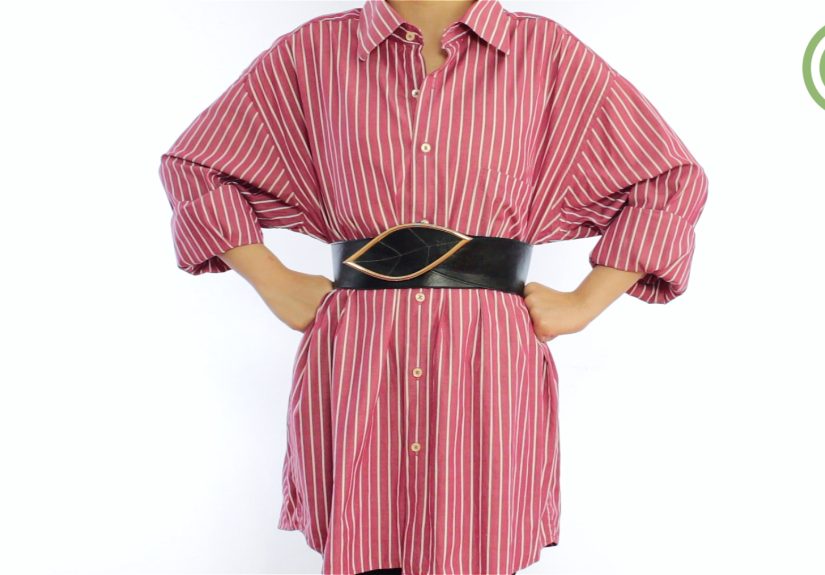
Belts are the secret weapon of no sew fashion. They hide joins, shape loose fabric, and turn a simple rectangle into an outfit. Try a thin belt for delicate fabrics and a wide belt for oversized T-shirt or kaftan dresses.
Layer for Confidence
Layering makes no sew dresses more wearable. A slip dress, fitted tank, biker shorts, leggings, or bandeau can add coverage and comfort. This is especially helpful with wrap dresses, scarf dresses, and lightweight fabrics.
Common No Sew Dress Mistakes to Avoid
The first mistake is cutting too much too fast. Trim slowly and try the dress on between adjustments. The second mistake is choosing fabric that is too stiff, too sheer, or too slippery for the design. The third mistake is expecting fabric glue to behave like industrial magic. It is useful, but it needs clean fabric, even application, and proper drying time.
Another common issue is ignoring movement. A dress may look perfect while standing still, but real life includes walking, sitting, reaching, and occasionally chasing a bus with dramatic background music. Make sure your no sew dress allows movement before wearing it out.
Care Tips for DIY No Sew Dresses
No sew garments need gentle care. Hand washing is safest for scarf and wrap styles. For glued or fused seams, turn the dress inside out, wash gently, and avoid high heat unless the adhesive instructions say otherwise. Air drying is usually better than a hot dryer because heat can stress bonded seams.
Store scarf dresses and sarong dresses untied to prevent permanent creases. Hang kaftan and T-shirt dresses on padded hangers or fold them neatly. If an edge lifts, rebond it with a small amount of fabric glue or a short piece of fusible tape.
Real-Life Experience: What It Is Actually Like to Make a No Sew Dress
The first time you make a no sew dress, you may feel suspiciously powerful. One minute you are holding a scarf, and the next minute you are standing in front of the mirror thinking, “Wait, did I just create fashion?” That feeling is part of the fun. No sew dressing is less about perfection and more about experimenting with shape, drape, and styling.
From experience, the easiest beginner project is the oversized T-shirt dress. It is comfortable, hard to mess up, and ideal for testing basic cuts. If the neckline looks uneven, you can soften it by stretching the raw edge slightly. If the waist feels too loose, add a belt. If the hem is too plain, cut small side slits. The T-shirt dress forgives mistakes like a very patient friend.
The scarf halter dress feels more glamorous, but it needs a little confidence. The trick is practicing the tie before the day you want to wear it. Try different knots, belt placements, and layers. A scarf dress can shift as you move, so fashion tape or a hidden pin can make the difference between “effortless style” and “I am adjusting this every fourteen seconds.”
The tube maxi dress is the most satisfying when it works, but it requires the best fabric choice. Stretch knit is your friend. Fabric without stretch may look elegant on the table but feel restrictive on the body. When measuring, leave a little extra room. You can always take in a glued seam slightly, but adding fabric back is a more advanced form of wishful thinking.
The kaftan dress is wonderful for creative fabric. A bold print turns a simple rectangle into a dramatic outfit. This is a great project for repurposing fabric you already own, especially lightweight curtains, large scarves, or fabric remnants. The belt changes everything. Without a belt, it may look like a chic blanket. With a belt, it becomes relaxed resort wear. Fashion is sometimes just a rectangle with confidence.
The biggest lesson is that no sew dressmaking teaches you how clothing works. You start noticing where fabric needs to move, where it needs support, and how small details change the whole look. A neckline that is one inch wider can feel more elegant. A belt placed higher can create a completely different silhouette. A softer fabric can turn a simple wrap into something that looks boutique-worthy.
Another useful experience: keep a mini emergency kit nearby when wearing a no sew dress for the first time. A few safety pins, fashion tape strips, and a small belt can solve almost anything. This does not mean the dress is unreliable; it simply means you are being smart. Even store-bought clothes sometimes need backup. Anyone who has lost a button in public understands this deeply.
Most importantly, do not judge your first no sew dress too harshly. DIY fashion improves through trying, adjusting, and laughing at the occasional weird result. Maybe the first scarf dress becomes a beach cover-up instead of a party dress. Maybe the T-shirt dress becomes your favorite lazy-day outfit. Maybe the kaftan makes you feel like an artist who owns excellent candles. All of these outcomes count as success.
Conclusion
Learning how to make a no sew dress is one of the easiest ways to experiment with DIY fashion. You can start with a scarf, sarong, oversized T-shirt, stretch knit fabric, or a simple rectangle of cloth. With fabric glue, fusible hem tape, smart tying, and a good belt, you can create wearable looks without touching a sewing machine.
The best no sew dresses are simple, comfortable, and adjustable. Choose soft fabric, test your adhesive, finish your edges when needed, and give yourself room to move. Whether you are making a beach cover-up, casual T-shirt dress, elegant wrap, or dramatic kaftan, the process should feel funnot fussy. And if your first attempt looks a little unexpected, congratulations: you have officially entered the creative zone.
Note: This article is written for web publication and focuses on practical, beginner-friendly DIY fashion methods using no sew techniques, fabric bonding, styling, and safe crafting habits.