Table of Contents >> Show >> Hide
- How Free Furniture Donation Pickup Works in 2025
- Best Charities That Pick Up Furniture for Free
- 1. The Salvation Army
- 2. Habitat for Humanity ReStore
- 3. Goodwill
- 4. AMVETS
- 5. Pickup Please
- 6. PickUpMyDonation.com
- 7. Furniture Bank Network and Local Furniture Banks
- 8. Society of St. Vincent de Paul
- 9. The Arc
- 10. GreenDrop and Purple Heart-Related Donation Programs
- 11. DonationTown.org and Local Charity Directories
- What Furniture Do Charities Usually Accept?
- What Items Are Often Rejected?
- How to Schedule a Free Furniture Pickup
- Can You Get a Tax Deduction for Donated Furniture?
- Why Donating Furniture Is Better Than Dumping It
- Real-World Experience: What Furniture Donation Pickup Is Actually Like
- Conclusion
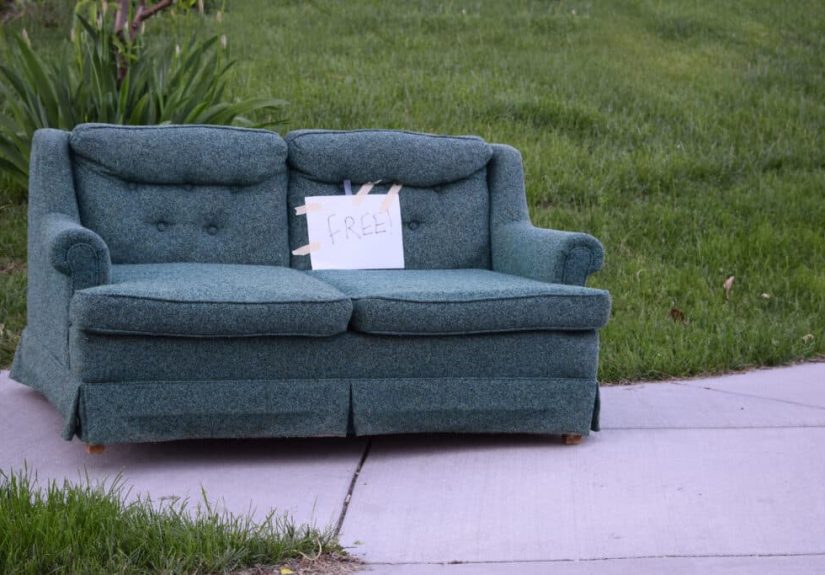
That old sofa in your living room has served bravely. It hosted movie nights, snack attacks, surprise naps, and at least one mysterious stain everyone agreed never to discuss. But now it is time for it to move on. The good news? You may not need to rent a truck, bribe a friend with pizza, or attempt the classic “pivot!” maneuver down a staircase.
Across the United States, many charities and nonprofit partners offer free furniture donation pickup, especially for gently used sofas, tables, chairs, dressers, bookshelves, and home goods. These services help families in need, fund job training and social programs, support veterans, reduce landfill waste, and give your furniture a second life instead of a dramatic final scene at the curb.
This 2025 guide explains which charities may pick up furniture for free, what they usually accept, what they often reject, how to schedule a pickup, and how to prepare your donation so the driver actually takes it. Because yes, “free pickup” is wonderful, but “free pickup of a broken recliner with three legs and a haunted smell” is usually not on the menu.
How Free Furniture Donation Pickup Works in 2025
Free furniture pickup is usually offered by local branches, thrift stores, charity partners, or nonprofit networks. That means availability depends heavily on your ZIP code. A national organization may have a pickup option in one city but drop-off only in another. Some charities pick up directly from your home, while others require items to be placed outside, on a porch, in a garage, or near the curb.
Most charities want furniture that is clean, gently used, structurally sound, and sellable or usable. If an item is torn, stained, broken, smoky, wet, moldy, or missing parts, it will likely be refused. Think of donation this way: if you would feel awkward offering it to a neighbor, a charity may not want to send a truck for it either.
Before scheduling, take photos, measure large items, check the charity’s accepted-items list, and be honest about condition. Charities spend money on fuel, labor, sorting, storage, disposal, and resale operations. A good donation helps them; an unusable donation creates costs. Your goal is to be the donor they silently thank, not the donor they discuss in the break room.
Best Charities That Pick Up Furniture for Free
1. The Salvation Army
The Salvation Army is one of the most recognized options for furniture donation pickup in the United States. In many areas, you can schedule a free pickup through its donation pickup website or by calling 1-800-SA-TRUCK. Donated furniture and household goods are typically sold through Salvation Army thrift stores, with proceeds supporting Adult Rehabilitation Centers and other community programs.
The Salvation Army commonly accepts items such as sofas, chairs, tables, dressers, lamps, household goods, and clothing, depending on local rules. However, it may reject damaged furniture, mattresses, built-in items, large appliances, old televisions, baby gear, and anything unsafe or unsanitary. Because accepted items vary by location, always enter your ZIP code and review the local list before dragging a couch across the room like a determined indoor ox.
2. Habitat for Humanity ReStore
Habitat for Humanity ReStores are nonprofit home improvement stores and donation centers that sell new and gently used furniture, appliances, building materials, home decor, cabinets, lighting, tools, and more. Many ReStores offer free pickup for large donations, including furniture, although each store sets its own schedule and acceptance rules.
Habitat ReStore is especially useful if you are donating more than a single chair. Dining sets, cabinets, appliances, desks, shelving, and building materials may be welcome if they are in good shape. Proceeds support Habitat’s mission to help build homes and strengthen communities. If you are remodeling, downsizing, or replacing furniture, ReStore can be one of the smartest first calls.
Tip: ReStores often appreciate clear photos and dimensions. If your item is large, heavy, or unusual, send pictures before booking. It saves everyone time and prevents the dreaded “truck arrives, item rejected, everyone stares quietly at the armoire” moment.
3. Goodwill
Goodwill is famous for accepting clothing and household donations, but furniture pickup is more complicated. Goodwill organizations are locally operated, so pickup availability varies widely. Some regional Goodwill agencies offer free home pickup for large donations or partner with pickup services. Others accept furniture only at donation centers, and some do not accept furniture at all.
When Goodwill accepts furniture, the donation usually supports job training, employment placement, community programs, and local workforce services. Because Goodwill rules differ by region, search for your local Goodwill, check its donation page, and look specifically for “furniture pickup,” “home pickup,” or “large item donation.” Do not assume the Goodwill two towns over follows the same rules as your nearest store.
Goodwill generally prefers clean, usable items that can be resold. Many locations reject mattresses, box springs, damaged furniture, large entertainment centers, hazardous materials, broken appliances, and items that cannot be safely handled by staff.
4. AMVETS
AMVETS pickup services support programs for American veterans, and in select service areas, donors can schedule free donation pickup. AMVETS pickup availability is not nationwide in every city; it operates in specific regions and states, so your ZIP code matters.
AMVETS may accept clothing, small household goods, electronics, toys, and some furniture items. Some pickup programs have strict rules, such as requiring donations to be placed near the curb and limiting pickups at apartments, condominiums, or storage facilities. Furniture may require special scheduling or separate review.
If you live in an AMVETS service area, this can be a strong option, especially if your donation includes more than furniture. As with most charities, items should be clean, accessible, and in usable condition.
5. Pickup Please
Pickup Please is a donation pickup program that supports charities and veterans-related causes. It offers free pickup in many cities and states, but it is best for smaller items and small furniture rather than large sofas, mattresses, or bulky appliances.
Pickup Please commonly accepts small furniture such as nightstands, side tables, small chairs, office chairs, mirrors, headboards, accent furniture, and small filing cabinets, as long as one person can carry the item. It usually does not accept large couches, sleeper sofas, box springs, mattresses, major appliances, hazardous materials, food, fuel, or tires.
This is a great option if your “furniture” pile is more apartment refresh than full estate cleanout. A small end table? Great. A sectional sofa shaped like a lowercase “g”? Probably not.
6. PickUpMyDonation.com
PickUpMyDonation.com is not a charity itself. Instead, it connects donors with local nonprofit thrift stores and pickup providers. The platform can be helpful because it searches for participating nonprofits near you and may connect you with free pickup options for qualifying large donations.
In many cases, free pickup depends on the size, quality, resale value, and location of your donation. Some nonprofit partners may require at least one large furniture item to justify sending a truck. If a free nonprofit pickup is not available, you may be offered a fee-based priority pickup option.
This service is especially useful when you do not know which local charity accepts furniture. Enter your ZIP code, describe your items, upload photos if requested, and let the platform search for options. It is like matchmaking, but for your dining room table.
7. Furniture Bank Network and Local Furniture Banks
Furniture banks collect gently used furniture and distribute it to families, individuals, and households transitioning out of homelessness, crisis, domestic violence, disaster, or financial hardship. The Furniture Bank Network includes member furniture banks across North America, including many in the United States.
Pickup rules vary by local furniture bank. Some offer free curbside, porch, or garage pickup. Others charge for in-home pickup or operate only within certain counties. Commonly accepted items include sofas, loveseats, dining tables, chairs, dressers, mattresses in acceptable condition where allowed, lamps, and basic housewares.
Furniture banks are ideal when your goal is direct community impact. Instead of being sold first, many items go directly into homes where families need beds, tables, seating, and storage. If you have practical, clean furniture, this is one of the most meaningful places to start.
8. Society of St. Vincent de Paul
The Society of St. Vincent de Paul operates through local councils and thrift stores across the country. Many local branches offer free furniture pickup, although rules vary by city. Some branches pick up furniture only, some accept household goods as well, and some may charge for certain items like mattresses or in-home removal.
St. Vincent de Paul donations often support thrift store programs, emergency assistance, food, housing support, utility help, and direct aid for neighbors in need. If you have gently used furniture, search for your nearest St. Vincent de Paul thrift store or council and look for “schedule a pickup.”
This organization is especially worth checking if you live near a major city or region with active thrift operations. Many local branches are deeply connected to community relief programs.
9. The Arc
The Arc supports people with intellectual and developmental disabilities and their families. Many local Arc chapters and thrift operations accept physical donations, and some offer free pickup for clothing, household items, and qualifying furniture.
Because The Arc is chapter-based, donation rules vary significantly. One chapter may offer free furniture pickup, while another may accept only smaller goods or use a partner thrift store. The best approach is to search for your local Arc chapter and check its donation page directly.
If your local chapter does accept furniture, your donation can help fund advocacy, family services, employment support, education, and community programs. This is a good reminder that local charity pickup is not just a junk-removal shortcut. It can fund real services for real people.
10. GreenDrop and Purple Heart-Related Donation Programs
GreenDrop provides pickup services in select areas and collects donations on behalf of nonprofit partners. It is best known for clothing, shoes, blankets, household goods, and small items. It may not be the best option for large furniture, and damaged furniture is typically not accepted.
GreenDrop can still be useful if you are clearing out a room and have smaller home goods along with limited furniture-type items. If your main donation is a large sofa or bedroom set, check the accepted-items list carefully before booking.
11. DonationTown.org and Local Charity Directories
DonationTown.org is often used as a directory to connect donors with charities that may offer free donation pickup in their area. It is not the same as one national charity with one uniform policy. Instead, it helps you locate nearby organizations that may accept furniture, household goods, clothing, appliances, and other items.
Directories are helpful because the best free furniture pickup may come from a local rescue mission, church thrift shop, veterans group, community warehouse, or regional nonprofit that does not appear on national “top ten” lists. When using any directory, verify the charity, confirm pickup is free, and ask for a donation receipt.
What Furniture Do Charities Usually Accept?
Most charities prefer furniture that is clean, safe, functional, and easy to resell or reuse. Commonly accepted furniture may include sofas, loveseats, armchairs, dining tables, dining chairs, coffee tables, end tables, nightstands, dressers, bookshelves, desks, office chairs, lamps, bed frames, small cabinets, and gently used home decor.
The magic phrase is “gently used.” A lightly scratched dresser is usually fine. A table with one wobbly leg may be acceptable if it is easily repairable. A sofa that smells like wet basement and regret is not a donation; it is a disposal problem wearing upholstery.
What Items Are Often Rejected?
Charities often reject mattresses, box springs, sleeper sofas, damaged upholstered furniture, furniture with stains or odors, broken recliners, large entertainment centers, old tube televisions, recalled baby furniture, cribs, car seats, hazardous materials, major appliances, built-in cabinets, exercise equipment, and items with mold, pests, water damage, or missing parts.
Why so strict? Because charities must protect staff, customers, clients, and the people receiving donations. They also pay disposal costs when unusable items are left with them. Donating should reduce burden, not transfer a problem from your garage to someone else’s loading dock.
How to Schedule a Free Furniture Pickup
Start by making a short list of the items you want to donate. Include item type, approximate dimensions, condition, and whether the item is heavy or located upstairs. Then take clear photos in good light. Photos help charities decide whether they can accept the item before sending a truck.
Next, search by ZIP code. Try The Salvation Army, Habitat ReStore, Goodwill, St. Vincent de Paul, AMVETS, local furniture banks, The Arc, and PickUpMyDonation.com. Compare availability and accepted items. If one charity says no, another may say yes, especially if your furniture is practical and in good shape.
When booking, ask these questions: Is pickup free? Do items need to be outside? Do you pick up from apartments? Are stairs allowed? Will drivers enter the home? Do you need photos? Will I receive a tax receipt? What happens if the driver rejects an item?
Finally, prepare your donation. Clean the furniture, remove personal items from drawers, tape small parts in a bag, disassemble only if requested, label donations clearly, and place them where the charity instructed. If pickup is curbside, protect items from rain. Weather can turn a perfectly good chair into a soggy tragedy.
Can You Get a Tax Deduction for Donated Furniture?
In many cases, furniture donations to qualified nonprofit organizations may be tax-deductible if you itemize deductions and follow IRS rules. The IRS generally uses fair market value for donated property, meaning the realistic price the item would sell for in its current condition, not the original retail price.
Always request a receipt from the charity. For larger noncash donations, you may need additional documentation, and high-value donations may require IRS Form 8283 or an appraisal. This article is not tax advice, so check IRS guidance or speak with a tax professional if your donation is valuable.
Why Donating Furniture Is Better Than Dumping It
Donating furniture is practical, charitable, and environmentally smart. Reuse keeps usable goods out of landfills, reduces demand for new materials, and helps households furnish homes at lower cost. It also supports thrift stores, job programs, housing assistance, veteran services, rehabilitation programs, disability advocacy, and emergency relief.
In short, one donated table can do more than hold coffee. It can help a family eat dinner together, support a job training program, fund a shelter service, or keep bulky waste from being buried. Not bad for something that was previously just blocking your hallway.
Real-World Experience: What Furniture Donation Pickup Is Actually Like
Here is the part many guides skip: free furniture pickup is not always instant, effortless, or guaranteed. It is closer to booking a tiny moving appointment with a nonprofit that has limited trucks, limited staff, and a very real need to protect its mission. The better you prepare, the smoother it goes.
In real life, the easiest pickups usually involve practical furniture in excellent condition: a clean dining set, a sturdy dresser, a gently used couch with no stains, or a bookshelf that is not secretly made of sawdust and hope. Charities like items that can be resold quickly or placed into a home immediately. If your donation looks ready for a second life, you have a much better chance of getting a free pickup slot.
The hardest pickups usually involve oversized, damaged, or awkward items. Large sectionals, sleeper sofas, heavy wall units, glass-top tables, and furniture located up three flights of stairs can be tricky. Some charities do not send drivers into homes. Others will not move items from basements, apartments, or storage units. A few require everything to be outside before pickup. This is not because they dislike your furniture. It is because insurance, safety, staffing, and timing matter.
A good donor experience starts with honesty. If the sofa has pet hair, say so. If the dresser has a cracked drawer, mention it. If the table requires two people and a motivational speech to move, include that detail. Surprises are fun for birthdays, not for donation truck drivers.
Photos are your secret weapon. Take one photo of the whole item, one close-up of the condition, and one photo showing any flaw. If donating a dining set, show the table and all chairs. If donating a couch, show the cushions. If donating a dresser, open the drawers enough to show they work. Clear photos can prevent rejection at the door.
Timing also matters. End-of-month moving season, spring cleaning season, and holiday decluttering periods can fill pickup calendars quickly. If you need furniture gone by a specific date, start early and contact more than one organization. Free pickup is generous, but it is not always fast. If you wait until the night before moving day, your options may shrink to paid junk removal, a very tired friend with a truck, or intense negotiation with your landlord.
Another useful lesson: bundle donations when possible. A charity may be more willing to schedule a free pickup for a sofa, dresser, lamps, and several boxes of housewares than for one small chair. Truck routes cost money, so a larger useful donation can make the trip worthwhile.
Finally, remember that rejection is not personal. If a charity cannot take your item, ask whether they know another organization that might. Furniture banks, local shelters, refugee resettlement groups, Buy Nothing groups, neighborhood mutual aid pages, and community reuse centers may accept items that thrift stores cannot. The goal is not simply to make furniture disappear. The goal is to move it to the best next place.
Conclusion
Finding charities that will pick up furniture for free in 2025 is absolutely possible, but the best option depends on your location, your furniture, and how flexible your schedule is. Start with The Salvation Army, Habitat ReStore, local Goodwill organizations, AMVETS, Pickup Please, furniture banks, St. Vincent de Paul, The Arc, and PickUpMyDonation.com. Then confirm local rules before booking.
The winning formula is simple: donate clean, usable furniture; check accepted-item lists; take photos; schedule early; and place items exactly where the charity asks. Do that, and your old furniture can become someone else’s fresh start instead of another bulky landfill statistic. Your sofa gets a second act, your home gets breathing room, and your back gets to avoid renting a truck. Everybody wins.