Table of Contents >> Show >> Hide
- What Is a Full Paper Tulip?
- Supplies You Need
- Best Paper for Making a Paper Tulip
- Step-by-Step Guide: How to Make a Full Paper Tulip
- Easy Origami Tulip Option
- Design Ideas for Paper Tulips
- Common Mistakes and How to Fix Them
- How to Make Your Paper Tulip Look More Realistic
- Creative Ways to Use Full Paper Tulips
- Experience Notes: What Making Paper Tulips Teaches You
- Conclusion
Paper tulips are the rare craft project that looks fancy enough for a spring centerpiece but does not require a secret degree in botanical engineering. With a few sheets of paper, a little glue, and a patient attitude toward petals that occasionally behave like tiny green pancakes, you can create a full paper tulip with a rounded bloom, sturdy stem, and realistic leaves.
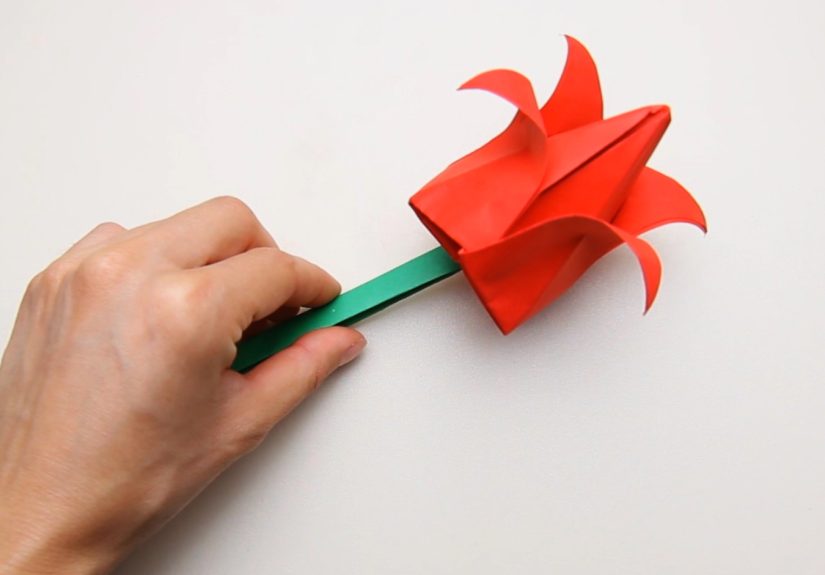
This guide focuses on a full paper tulip, meaning a complete flower with layered petals, a paper stem, a calyx, and leaves. It is inspired by classic paper flower techniques, origami tulip methods, crepe paper flower construction, and rolled paper flower styling. The result is a tulip that stands beautifully in a vase, works in handmade bouquets, and lasts far longer than fresh flowersno watering, no wilting, and no dramatic drooping by Tuesday.
What Is a Full Paper Tulip?
A full paper tulip is more than a flat flower cutout. It has dimension. The bloom should curve inward like a real tulip cup, the petals should overlap naturally, and the stem should be strong enough to hold the flower upright. A good paper tulip includes four main parts: the bloom, the inner support, the stem, and the leaves.
You can make paper tulips with origami paper, cardstock, tissue paper, or crepe paper. For beginners, lightweight cardstock or construction paper is easiest because it holds shape without tearing too quickly. Crepe paper gives the most realistic texture because it stretches gently, while origami paper creates a cleaner, sharper folded look.
Supplies You Need
Before you begin, gather your materials. Nothing ruins a peaceful craft session faster than discovering your glue stick has the emotional strength of a sleepy noodle.
- Colored paper for the tulip petals, preferably pink, red, yellow, purple, white, or orange
- Green paper for the stem, leaves, and calyx
- Scissors
- Craft glue, tacky glue, or a low-temperature glue gun
- Pencil, marker, or wooden skewer for curling petals
- Ruler
- Optional: yellow paper for the flower center
- Optional: floral tape if you want a smoother stem finish
If children are crafting, use child-safe scissors and regular craft glue. A glue gun can speed things up, but it should be handled carefully. Paper flowers are supposed to bring joy, not tiny finger emergencies.
Best Paper for Making a Paper Tulip
Cardstock
Cardstock is excellent for a structured tulip. It keeps the petals upright and creates a bold, clean flower. Choose light to medium cardstock rather than very thick paper, because thick cardstock can be difficult to curl and may make the bloom look stiff.
Construction Paper
Construction paper is affordable and easy to find. It is a good choice for classroom crafts, family projects, and quick spring decorations. The color may fade over time, but for cheerful DIY paper tulips, it works beautifully.
Crepe Paper
Crepe paper gives your tulip a softer, more realistic look. Because it has a natural grain, you can gently stretch the middle of each petal to create a cup shape. This makes crepe paper ideal for handmade bouquets and more polished paper flower arrangements.
Origami Paper
Origami paper is best if you prefer a folded paper tulip instead of a cut-and-glue version. It creates crisp lines and a neat geometric bloom. However, origami tulips usually look less “full” unless you combine the folded flower head with a separate stem and leaves.
Step-by-Step Guide: How to Make a Full Paper Tulip
Step 1: Cut the Petal Shapes
Start by cutting six tulip petals from your colored paper. Each petal should look like a tall teardrop or an oval with a slightly pointed top. For a medium tulip, make each petal about 3 inches tall and 1.5 inches wide.
You do not need perfect petals. Real tulips are not perfectly symmetrical either, which is a comforting fact for anyone whose scissors like to wander. Cut one petal first, then use it as a template for the others. For a fuller bloom, cut three slightly smaller petals for the inside and three larger petals for the outside.
Step 2: Shape the Petals
To make the tulip look realistic, curl each petal before assembling the flower. Place a petal over a pencil or marker and gently pull the paper around the curve. Curl the top edge outward and press the center slightly inward with your thumb.
If you are using crepe paper, make sure the grain runs vertically from the base to the tip of the petal. Gently stretch the center of the petal with your thumbs to create a shallow bowl shape. This small detail makes the difference between “lovely paper tulip” and “why is this flower shaped like a potato chip?”
Step 3: Create the Flower Center
A tulip does not need a dramatic center because its petals often form a cup around the inside. Still, adding a small center gives your paper tulip extra depth. Cut a narrow strip of yellow paper about 2 inches long and half an inch wide. Snip tiny fringe cuts along one side, then roll it into a small cylinder and glue the end.
This fringed center will sit inside the bloom. Keep it small so the petals remain the star of the show. The center should whisper, not perform a Broadway solo.
Step 4: Make a Paper Stem
Cut a green rectangle about 8 inches by 4 inches. Place a pencil or wooden skewer diagonally across one corner and roll the paper tightly around it. Add glue along the final edge and press until secure. Slide the pencil or skewer out, leaving a hollow paper tube.
For a stronger stem, roll a second narrow strip of green paper and insert it inside the first tube. You can also twist the paper tube gently to make it firmer. A sturdy stem matters because a full tulip bloom can become top-heavy.
Step 5: Attach the Flower Center to the Stem
Add a small dot of glue to the top of the paper stem. Place the fringed yellow center on top and hold it in place until it grips. If the center wobbles, let it dry for a minute before adding the petals.
Do not rush this step. Paper flower making rewards patience. It also quietly punishes impatience with crooked blooms, but we do not need to make that awkward.
Step 6: Glue the Inner Petals
Take your three smaller petals and glue them around the flower center. Place the first petal against the stem so the bottom hugs the base of the center. Add the second petal slightly overlapping the first, then add the third petal to complete the inner cup.
The petals should curve inward, forming a rounded tulip shape. Hold the base for a few seconds so the glue can set. If the petals spread too far open, pinch the lower part of the bloom gently and add a little more glue near the bottom.
Step 7: Add the Outer Petals
Now attach the three larger petals around the outside of the bloom. Stagger them so they cover the gaps between the inner petals. This layering creates fullness and makes the tulip look more natural.
For a classic tulip shape, keep the outer petals slightly closed. For a blooming tulip, curl the top edges outward more dramatically. Think of it as choosing your flower’s personality: shy garden tulip or “I have arrived at brunch” tulip.
Step 8: Make the Calyx
The calyx is the small green leafy base under the flower head. Cut a green strip about 3 inches long and 1 inch wide. Snip three or four small pointed triangles along one edge. Wrap the strip around the base of the bloom, with the points facing upward, and glue it in place.
This step hides glue marks and gives your paper tulip a finished look. It also helps secure the petals to the stem, which is very useful if your tulip plans to live in a vase, gift box, or school project display.
Step 9: Cut and Shape the Leaves
Tulip leaves are long, smooth, and slightly curved. Cut two green leaves about 6 to 8 inches long. Each leaf should be narrow at the bottom, wider in the middle, and pointed at the top.
Fold each leaf lightly down the center to create a vein. Then curl the edges around a pencil to make them look more organic. Glue one leaf low on the stem and the other slightly higher. Angle them in different directions so the flower feels balanced.
Step 10: Final Shaping
Once the glue is dry, gently adjust the petals with your fingers. Curl the tips, press the base, and rotate the bloom until it looks full from every angle. If one petal sticks out like it is trying to escape, add a tiny dot of glue and tuck it back into the cup.
Place your finished paper tulip in a small vase, tie several tulips into a bouquet, or use one as a handmade gift topper. A single paper tulip looks sweet, but a dozen together can turn a plain table into a spring celebration.
Easy Origami Tulip Option
If you prefer folding instead of cutting, you can make an origami tulip bloom from a square piece of paper. Traditional origami tulips often begin with diagonal folds, collapse into a water-bomb-style base, and inflate into a small flower shape. The top points are then peeled or curled down to form petals.
For a fuller result, attach the origami bloom to a rolled paper stem and add separate paper leaves. This hybrid method gives you the crisp charm of origami with the complete look of a standing paper flower.
Design Ideas for Paper Tulips
Make a Spring Bouquet
Create tulips in several colors and arrange them in a vase. Soft pink, yellow, and white make a classic spring bouquet. Red and purple feel more dramatic, while orange tulips add a cheerful pop of color.
Create a Handmade Card Decoration
Flatten the back of a smaller tulip bloom and glue it to the front of a greeting card. This works well for Mother’s Day, birthdays, thank-you cards, or “I made this instead of buying something expensive” cards.
Use Patterned Paper
Patterned scrapbook paper can create playful tulips. Use polka dots, watercolor prints, or subtle stripes. Avoid very busy patterns if you want the flower shape to remain clear.
Try Ombre Petals
Blend two similar colors by using darker paper for the outer petals and lighter paper for the inner petals. For example, combine deep pink outer petals with pale blush inner petals. The result looks elegant without requiring paint or advanced supplies.
Common Mistakes and How to Fix Them
The Bloom Looks Too Flat
Curl the petals more before gluing. The most common reason paper tulips look flat is that the petals were attached before shaping. Always curl, cup, and bend first.
The Stem Bends Under the Flower
Make the stem tighter or insert an extra rolled paper tube inside. You can also reduce the size of the bloom slightly. A giant tulip head on a weak stem is basically a craft version of bad posture.
The Petals Keep Opening
Add glue near the lower third of each petal instead of only at the very bottom. This helps the flower hold its cup shape while keeping the top edges soft and natural.
The Glue Shows
Use less glue and hide the base with a green calyx. Clear-drying craft glue is helpful, especially with light-colored paper.
How to Make Your Paper Tulip Look More Realistic
To make a paper tulip look realistic, focus on shape, not perfection. Real tulips have gentle curves, uneven petal positions, and leaves that bend naturally. Add slight variation to each petal instead of making all six identical. Curl one petal a little more. Let another sit slightly higher. Small differences make the flower feel alive.
You can also shade the petal edges with a colored pencil or soft pastel. A light touch of darker pink on the lower petal or yellow near the base can create depth. Do not overdo it. The goal is a natural glow, not a tulip wearing stage makeup.
Creative Ways to Use Full Paper Tulips
Paper tulips are perfect for home decor, classroom crafts, party decorations, handmade gifts, and wedding-style arrangements. Because they do not wilt, they are especially useful for events that require decorations to be prepared days or weeks in advance.
You can place them in mason jars for rustic decor, wrap them in kraft paper for a mini bouquet, or attach them to a wreath. They also make thoughtful gifts for teachers, friends, parents, and anyone who loves flowers but does not love watching them fade after three days.
Experience Notes: What Making Paper Tulips Teaches You
Making a full paper tulip is one of those crafts that looks simple at first and then quietly teaches you several useful lessons. The first lesson is that paper has a personality. Some paper bends gracefully, some cracks at the fold, and some behaves like it has been personally offended by your scissors. Lightweight cardstock is usually the most forgiving for beginners because it holds a curl without collapsing. Crepe paper is beautiful, but it asks for a gentler hand. If you pull too hard, it stretches too much; if you do not shape it enough, it just sits there looking shy.
The second lesson is that the flower becomes more realistic when you stop chasing perfection. Many beginners try to cut every petal exactly the same. That sounds logical, but perfect symmetry can make the tulip look stiff. Real tulips have tiny differences from petal to petal. One edge may curve more, one petal may sit slightly lower, and one leaf may lean as if it is thinking about the weather. When you allow small variations, the finished paper tulip feels warmer and more natural.
Another helpful experience is learning how important the base of the bloom is. Most people focus on the pretty petal tips, but the lower part of the tulip controls the whole shape. If the petals are glued too loosely at the bottom, the flower opens too wide and loses its tulip cup. If they are glued too tightly, the bloom can look squeezed. The best approach is to secure the lower third of each petal while leaving the upper edges free to curl. That balance creates a bloom that looks full but not crowded.
The stem also deserves more attention than it usually gets. A rolled paper stem may seem like a small detail, but it decides whether your tulip stands proudly or nods like it needs a nap. Roll the paper tightly, glue the seam well, and reinforce it with another paper roll if needed. When making a bouquet, use slightly different stem lengths. This keeps the flowers from lining up like soldiers and makes the arrangement look more like fresh tulips in a vase.
Color choice changes the mood of the entire project. Red paper tulips feel classic and bold. Yellow tulips look sunny and friendly. Pink tulips are soft and sweet, while white tulips feel clean and elegant. Purple tulips add a rich, artistic look. If you are making paper tulips as a gift, choose colors based on the recipient’s style. A bright mixed bouquet feels cheerful, while a monochrome bouquet looks modern and polished.
The best practical tip is to make one test tulip before creating a full bouquet. The first flower helps you understand petal size, glue placement, and stem strength. By the second or third tulip, your hands know what to do. The process becomes faster, cleaner, and more relaxing. That is when paper flower making becomes truly enjoyable. You stop worrying about every tiny wrinkle and start seeing each tulip as part of a handmade garden.
Finally, paper tulips are satisfying because they are both simple and expressive. You can make a quick version in twenty minutes or spend an afternoon refining every curve. You can craft them with kids, use them for elegant decor, or make a bouquet that lasts all season. They are inexpensive, customizable, and surprisingly charming. In a world where fresh flowers eventually droop, a handmade paper tulip stays upright like a tiny champion of spring.
Conclusion
Learning how to make a full paper tulip is a fun, affordable, and creative way to bring spring into your home any time of year. By layering shaped petals, rolling a sturdy paper stem, adding a neat calyx, and attaching curved leaves, you can create a flower that looks dimensional and polished without needing complicated tools.
The key is to shape each piece before assembly. Curl the petals, cup the centers, fold the leaves, and keep the base secure. Once you understand the basic structure, you can experiment with colors, paper types, bouquet styles, and decorative details. Whether you are making one tulip for a handmade card or a whole bouquet for a centerpiece, this paper flower project is easy to personalize and hard not to love.
Note: This article synthesizes real paper flower, origami, crepe paper, and handmade craft techniques into original web-ready content. No source links or unnecessary reference markers are included.