Table of Contents >> Show >> Hide
- Before You Start: Know Your Door Type
- 1. Use a Rubber Door Wedge
- 2. Insert a Portable Door Lock
- 3. Brace the Door With a Security Bar or Door Jammer
- 4. Install an Interior Door Reinforcement Lock
- 5. Add a Door Stop Alarm
- 6. Wedge a Sturdy Chair Under the Handle
- 7. Tie a Belt or Rope to a Lever Handle
- 8. Secure Double or French Doors Together
- 9. Use a Renter-Friendly Smart Deadbolt or Lock Replacement
- 10. Create a Temporary Furniture Barricade as a Last Resort
- Which Method Is Best?
- Safety Tips You Should Not Ignore
- Extra Experiences and Real-World Lessons From Using These Methods
- Final Thoughts
Sometimes a door has all the privacy of a stage curtain. Maybe the latch is broken, maybe you are staying in a rental with a suspiciously “vintage” bedroom door, or maybe you just want a little extra peace of mind in a hotel, dorm, apartment, or home office. Whatever the reason, learning how to lock a door without a lock can be surprisingly useful.
The good news is that you do not always need a full hardware upgrade to make a door more secure. The better news is that some of the smartest solutions are simple, affordable, and renter-friendly. The less-fun news is that not every trick works on every door. A method that works beautifully on an inward-swinging bedroom door may fail dramatically on an outward-swinging door. Doors are picky like that.
In this guide, we will walk through the 10 best methods to secure a door without a lock, from portable travel tools to clever at-home fixes. We will also cover what works best for renters, travelers, kids’ rooms, shared apartments, and emergency situations. No gimmicks. No “just lean a spoon against it and believe in yourself” nonsense. Just practical, realistic options.
Before You Start: Know Your Door Type
Before choosing any method, check three things:
First, does the door swing inward or outward? Portable door locks, wedges, and many security bars usually work best on inward-swinging doors. Outward-swinging doors often need a different approach.
Second, what kind of handle do you have? Lever handles are easier to restrain with a belt, rope, or tether than round knobs.
Third, what is the floor like? A security bar or wedge performs better on a solid floor than on a slippery surface. Carpet can work, but the fit matters.
One more important note: these methods are for securing the room you are inside, especially for privacy and temporary safety. They are not a substitute for a proper lock on an exterior entry door, and they should never block a fast escape in an emergency.
1. Use a Rubber Door Wedge
A rubber door wedge is the simplest, cheapest, and most portable way to secure a door without a lock. Slide it under the bottom edge of an inward-swinging door from the inside, then push it firmly into place. That extra friction can make the door much harder to open from the outside.
This method is especially popular for hotel rooms, dorms, bathrooms, bedrooms, and temporary lodging. It is lightweight, easy to carry, and does not require tools, screws, or permission from a landlord.
Best for: Travel, bedrooms, bathrooms, shared spaces
Pros: Cheap, portable, fast to use
Cons: Works best on inward-swinging doors; less effective on slick floors or large door gaps
If you want a no-fuss answer to the question “how to secure a door without a lock,” start here. It is the duct tape of door privacy: not glamorous, but weirdly dependable.
2. Insert a Portable Door Lock
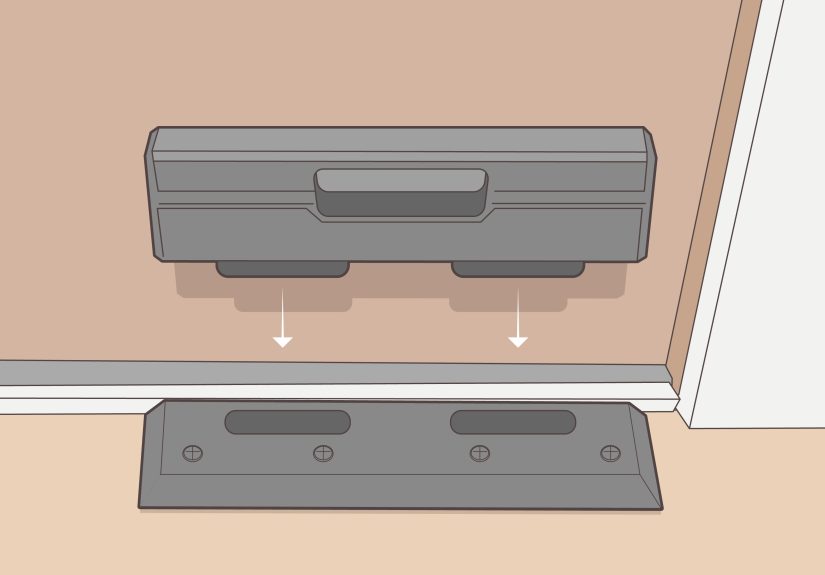
A portable door lock is one of the best modern solutions for renters and travelers. These small devices usually fit into the strike plate area on the inside of the door and stop the door from opening, even if someone has a key. In other words, it creates an extra interior barrier without any permanent installation.
Most models are compact enough to fit in a purse, backpack, or carry-on. They are ideal for hotels, Airbnbs, apartments, and dorms. However, they do not fit every latch style, so compatibility matters.
Best for: Hotels, rentals, apartments, dorm rooms
Pros: Portable, tool-free, renter-friendly
Cons: Usually works only on inward-swinging doors; some door frames and latches are incompatible
If your goal is privacy while sleeping or showering in a place you do not fully trust, a portable door lock is one of the smartest upgrades you can buy.
3. Brace the Door With a Security Bar or Door Jammer
A door security bar, also called a door jammer, is the heavy-duty cousin of the door wedge. It typically sits under the doorknob or lever and angles down to the floor, creating strong resistance if someone tries to push the door open. It is more substantial than a wedge and often more effective against force.
This is a great option for front doors, side doors, apartments, and rental homes where you want added security but cannot make major changes. Some models also work on sliding doors, which is a nice bonus for patio access.
Best for: Apartments, homes, rentals, travel with extra luggage space
Pros: Stronger than a simple wedge, reusable, usually no drilling
Cons: Bulkier than a portable lock; placement matters for effectiveness
If a door wedge is a polite “please stay out,” a door security bar is more like, “I have boundaries, and they are made of steel.”
4. Install an Interior Door Reinforcement Lock
If you need something more permanent but still simple, an interior door reinforcement lock is one of the best upgrades. These devices mount on the inside of the door frame and physically block the door from opening when engaged. They are popular for apartments, bedrooms, and homes because they add security without requiring a full lock replacement.
Some models are designed specifically for renters and only leave a few small screw holes behind. They are not as temporary as a wedge or jammer, but they are less invasive than replacing the whole door hardware.
Best for: Apartments, bedrooms, interior privacy, long-term use
Pros: More secure, easy to operate from inside, compact appearance
Cons: Requires installation; not ideal if you need a zero-drill solution
If your current door has no functional lock at all, this is one of the best “real fix” options that does not require a full construction project.
5. Add a Door Stop Alarm
A door stop alarm combines two jobs in one. It acts like a wedge under the door, and if someone pushes against the door, it emits a loud alarm. This is especially useful when you want both physical resistance and a noise deterrent.
It is a smart choice for solo travelers, students, and anyone staying in unfamiliar accommodations. Even if it does not stop a determined person forever, it can buy time, wake you up, and attract attention.
Best for: Hotels, dorms, shared housing, overnight travel
Pros: Portable, simple, adds an audible alert
Cons: Depends on batteries; alarm may be triggered by a bad fit or accidental pressure
Think of it as a wedge with stage fright. The moment someone messes with the door, it starts making a scene.
6. Wedge a Sturdy Chair Under the Handle
This is one of the classic improvised methods, and yes, it can work. If the door swings inward and has a lever or handle at the right height, you can angle the back of a sturdy chair under the handle so the feet grip the floor and the chair braces against the door.
It is not elegant, and it is definitely not something you will see in a luxury design magazine, but it can be effective in a pinch.
Best for: Bedrooms, offices, emergency privacy situations
Pros: Uses what you already have, no purchase needed
Cons: Not reliable on every door; less suitable where quick exit is important
The key word here is sturdy. If the chair folds like a cheap lawn chair at a family barbecue, this is not your method.
7. Tie a Belt or Rope to a Lever Handle
If your door has a lever handle, a belt, rope, or strong strap can sometimes keep the handle from moving when attached to a heavy fixed object. This method works by limiting the handle’s range of motion, which is often enough to prevent the latch from retracting.
This can be useful for inward- or outward-swinging interior doors, depending on the setup, but it is much less effective on round knobs. It also depends heavily on whether you have a secure anchor point nearby.
Best for: Lever-handle interior doors
Pros: Cheap, fast, no tools required
Cons: Improvised, depends on layout, not ideal for repeated daily use
This is the kind of method that makes you feel both resourceful and slightly like you are solving a puzzle room with household accessories.
8. Secure Double or French Doors Together
Double doors and French doors can be especially annoying because one weak point becomes two. If the handles are close enough, you can secure them together with a strap, belt, or strong tie so they cannot separate easily. The goal is not magic; it is simply preventing the active door from moving independently.
This is a helpful temporary fix for interior French doors, closets, offices, and some rental layouts. It is not a replacement for proper hardware, but it can reduce surprise walk-ins and improve privacy.
Best for: Interior French doors, paired handles, temporary privacy
Pros: No tools, easy, inexpensive
Cons: Depends on handle design and door alignment
9. Use a Renter-Friendly Smart Deadbolt or Lock Replacement
If you are dealing with a bedroom or apartment door that needs a better long-term fix, a renter-friendly smart deadbolt or interior lock replacement may be worth it. Many modern options are designed to fit standard doors and can be removed later with minimal damage. Some even allow keyless entry, temporary codes, or app control.
This option is less of a “hack” and more of a practical upgrade. It costs more than wedges and portable locks, but it is far more convenient if the problem is ongoing.
Best for: Apartments, rentals, home offices, long-term privacy needs
Pros: Stronger daily solution, convenient, modern features
Cons: Higher cost; may need landlord approval depending on the lease
If you are tired of MacGyvering your bedroom door every night, this is the grown-up solution.
10. Create a Temporary Furniture Barricade as a Last Resort
When nothing else is available, a heavy piece of furniture can act as a temporary barricade. A dresser, desk, or solid chair placed firmly against the door can slow entry and buy time. This is a last-resort option, not a stylish home improvement strategy.
Use common sense here. If the barricade will block a fast exit, make the room unsafe, or turn a simple privacy problem into a fire hazard, skip it. In many settings, especially dorms and shared housing, keeping an exit path clear matters more than turning your bedroom into a fortress.
Best for: Short-term emergency situations only
Pros: Uses available items, can slow forced entry
Cons: Can block egress, awkward, not ideal for routine use
Which Method Is Best?
The best way to lock a door without a lock depends on your situation:
For travel
Choose a portable door lock, a rubber door wedge, or a door stop alarm.
For renters
Choose a door security bar, portable lock, or renter-friendly reinforcement lock.
For a broken bedroom or bathroom door
Use a wedge, chair brace, or reinforcement lock depending on how temporary the problem is.
For long-term daily use
Skip improvised tricks and install a real interior reinforcement lock or smart lock replacement.
Safety Tips You Should Not Ignore
Temporary door security is useful, but it should not make the room less safe.
Do not block an emergency exit with heavy furniture if you may need to get out quickly.
Do not rely on improvised methods alone for an exterior entry door that protects your whole home.
Do not assume every portable lock fits every hotel or rental door. Test it before bedtime.
Do not open the door to strangers just because they say they are staff. Verify first.
Do not forget fire safety. Know the nearest exits, and make sure your setup can be removed fast.
Extra Experiences and Real-World Lessons From Using These Methods
One reason this topic keeps coming up is because people rarely think about door security until a door suddenly becomes weird. Not evil. Just weird. The latch does not catch. The knob turns like it is emotionally unavailable. The rental listing says “private room,” but the door closes with all the authority of a cardboard flap. That is when these methods stop sounding like trivia and start feeling very practical.
A common travel experience is arriving at a hotel late at night, locking the door, and still noticing too much play in it. You push it gently and the whole thing wiggles. That is usually the moment a humble rubber wedge earns its paycheck. Travelers like wedges because they are tiny, cheap, and fast. They also do not require any trust in the building’s maintenance standards, which can vary wildly from “solid and secure” to “held together by optimism and beige paint.”
Apartment renters often run into a different version of the problem. The front door may have a lock, but a bedroom or home office door does not. That matters more than people expect. Remote work, roommates, kids, guests, and shared schedules can make a lockless interior door surprisingly annoying. In those cases, people usually start with a wedge or portable lock, then eventually upgrade to an interior reinforcement lock because doing the same workaround every day gets old fast.
Then there is the classic family scenario: someone just wants five uninterrupted minutes in a room. Parents know this one well. A bathroom door with a weak latch is basically an engraved invitation for chaos. For a short-term fix, a wedge can be enough. For a long-term fix, adding a proper interior security device saves everyone from awkward interruptions and accidental barging.
Students in dorms and shared housing also tend to prefer portable solutions because they do not want to violate housing rules. A portable door lock or door stop alarm makes sense because it leaves no damage and can move with you. It is one of those rare purchases that feels both mildly dramatic and completely justified.
The biggest lesson from real-world use is this: the best method is the one you will actually use correctly. A heavy-duty security bar may be stronger than a wedge, but if it is so bulky that you leave it in the closet, it is not helping. A portable lock may sound perfect, but if it does not fit your specific latch, it becomes an expensive paperweight. Convenience matters. So does practice. Test any method in daylight before you depend on it at midnight.
The second lesson is that improvised tricks are fine for temporary privacy, but recurring problems deserve a better fix. If you find yourself bracing the same door with a chair every evening, that is your sign to stop living in a low-budget spy movie and install a real solution.
And finally, confidence matters. Good temporary door security is not about turning your room into a bunker. It is about sleeping better, showering without worry, working without interruptions, and feeling like you control your space. That is a pretty solid return on a rubber wedge, a portable lock, or a smarter upgrade.
Final Thoughts
If you need to lock a door without a lock, you have more options than most people realize. A simple door wedge may be enough for travel. A portable door lock is excellent for renters and hotel stays. A security bar gives stronger protection. And if the issue is ongoing, an interior reinforcement lock or renter-friendly smart lock is usually the smartest long-term fix.
The trick is choosing the method that matches your door, your space, and your actual use case. Temporary privacy? Go simple. Daily security? Upgrade properly. And if your current plan involves balancing a laundry basket against a folding chair and hoping for the best, it may be time for a better system.