Table of Contents >> Show >> Hide
- Before You Start: What Gardeners Should Know
- How to Grow Water Chestnuts in 14 Steps
- Step 1: Choose the Right Plant
- Step 2: Pick the Warmest, Sunniest Spot You Have
- Step 3: Decide Whether You Are Growing in a Pond, Bog, or Container
- Step 4: Use Heavy Soil, Not Standard Potting Mix
- Step 5: Set Up the Container Like a Mini Paddy
- Step 6: Plant When the Weather Is Reliably Warm
- Step 7: Plant the Corms a Few Inches Deep
- Step 8: Add Shallow Standing Water
- Step 9: Feed Lightly, but Do Not Turn the Tub into Fertilizer Soup
- Step 10: Keep the Water Clean Enough for Growing and Use Clean Water for Harvest Handling
- Step 11: Weed, Thin, and Keep the Planting Contained
- Step 12: Watch the Stems Through Summer
- Step 13: Let the Plants Mature Fully Before Harvest
- Step 14: Harvest, Clean, Store, and Save the Best Corms for Replanting
- Common Problems When Growing Water Chestnuts
- Are Water Chestnuts Worth Growing at Home?
- Real-World Growing Experiences: What Gardeners Learn the First Time
- Conclusion
Growing water chestnuts sounds like one of those gardening projects people start after watching exactly one too many “live off the land” videos. And yet, it is absolutely doable if you have patience, heat, sun, and a willingness to let a container of muddy water become the star of your yard. The crunchy “water chestnut” used in stir-fries is not actually a chestnut at all. It is the edible corm of Eleocharis dulcis, also called Chinese water chestnut, a warm-season aquatic sedge grown in shallow standing water.
If you live in a hot climate, you can grow water chestnuts outdoors for a full season. If you live somewhere cooler, you can still raise them in tubs, a greenhouse, or a super-sunny protected spot and treat them like annuals. The trick is not magic. It is basically this: warm weather, muddy soil, shallow water, and enough time for the corms to fatten up underground. Simple in theory. Messy in practice. Delicious in the end.
This guide breaks the process into 14 clear steps, with practical advice for containers, small backyard ponds, and mini bog setups. By the end, you will know how to plant water chestnuts, keep them happy through the growing season, harvest them at the right time, and save a few corms for next year.
Before You Start: What Gardeners Should Know
First, let’s clear up the name problem. Chinese water chestnut is Eleocharis dulcis, an edible aquatic vegetable grown for underground corms. It is not the same plant as the invasive floating water chestnut, Trapa natans. That distinction matters because one belongs in a stir-fry and the other belongs in a conversation about invasive species management.
Second, this crop loves warmth. Water chestnuts grow best in a long, frost-free season and are happiest in full sun, wet soil, and shallow standing water. In warm regions, they can behave like perennials. In cooler climates, most home gardeners grow them as seasonal plants in large containers and either save the corms indoors or buy fresh ones again in spring.
Third, they are not fussy in the dramatic orchid sense, but they do demand consistency. Let the planting medium dry out, and the crop sulks. Put them in fluffy potting mix, and the whole setup becomes a swampy disaster. Give them shallow water, heavy soil, heat, and time, and they reward you with crisp, sweet, crunchy corms that taste far fresher than the canned version.
How to Grow Water Chestnuts in 14 Steps
Step 1: Choose the Right Plant
Start with edible Chinese water chestnuts, not ornamental look-alikes and not invasive floating water chestnut. You want firm, healthy corms or divisions from Eleocharis dulcis. If you are buying locally, Asian grocery stores sometimes carry fresh corms that can be used for planting, and specialty nurseries may sell starts or divisions. Pick corms that are plump, unshrived, and free of rot.
Step 2: Pick the Warmest, Sunniest Spot You Have
Water chestnuts are sun-lovers. Choose a site that gets strong light for most of the day. A patio, deck, greenhouse bench, or protected garden corner works well. Think “summer vacation in a mud spa,” not “dark corner behind the shed.” The warmer the site, the better the growth and the better your odds of forming decent-sized corms before cool weather arrives.
Step 3: Decide Whether You Are Growing in a Pond, Bog, or Container
For most home gardeners, a large container is the easiest method. A half barrel, stock tank, large plastic tub, or wide pot set inside a watertight basin can all work. Bigger is better because the plant spreads underground and appreciates room. A generous setup also helps stabilize soil moisture and temperature, which means fewer dramatic mood swings from your crop.
If you already have a pond, keep water chestnuts contained in pots rather than letting them roam. Containment makes harvest easier and prevents the planting from becoming a muddy guessing game in fall.
Step 4: Use Heavy Soil, Not Standard Potting Mix
This is the step that saves many first-timers from chaos. Water chestnuts do best in a dense, mineral-based soil rather than fluffy bagged potting mix. Use heavy garden topsoil, clay-loam, or sandy loam. Avoid mixes loaded with bark, peat chunks, or lots of floating organic material. In an aquatic setup, lightweight potting mix tends to drift, cloud the water, and generally behave like it has better places to be.
If you have access to a good loamy soil with some sand, that is even better. The goal is a rich, muddy base that will stay put under shallow water.
Step 5: Set Up the Container Like a Mini Paddy
Fill your container with about 8 to 12 inches of heavy soil. Add water slowly so the soil settles into mud rather than exploding into a murky science experiment. You want a planted zone that stays saturated all the time, with room above it for a few inches of standing water once the plants are established.
If you are using an aquatic planting basket, line holes with burlap or landscape fabric so the soil stays where it belongs. The whole point is to create a stable, shallow-water system, not a floating dirt soup.
Step 6: Plant When the Weather Is Reliably Warm
Do not rush this crop into chilly conditions. Water chestnuts want real warmth, not optimistic spring weather that still threatens cold nights. Plant once temperatures are consistently mild to warm and the danger of frost has passed. In very warm regions, that may be spring. In cooler climates, it may be late spring or early summer.
If you want a head start, you can wake corms indoors in a warm, bright space before moving them outside. Just do not expose actively growing plants to cold snaps unless you enjoy apologizing to your vegetables.
Step 7: Plant the Corms a Few Inches Deep
Tuck the corms into the mud with the growing point facing upward. A planting depth of a few inches works well in home setups. Space them so each plant has room to expand. Water chestnuts spread by underground rhizomes, and crowded plants are less charming when harvest time comes around and you are elbow-deep in mud trying to figure out which corm belongs to whom.
Press the soil gently around each corm so it is anchored but not smothered.
Step 8: Add Shallow Standing Water
Once planted, maintain shallow standing water over the soil. In most backyard setups, about 3 to 5 inches of water works nicely. That depth keeps the medium saturated while still allowing the upright stems to emerge and grow well. The planting should never dry out. Ever. Water chestnuts are aquatic plants, and they do not do “light drought stress” as a character-building exercise.
As the plants grow, keep topping off the container so the water level stays steady.
Step 9: Feed Lightly, but Do Not Turn the Tub into Fertilizer Soup
If your soil is reasonably fertile, water chestnuts often do well without heavy feeding. This is not a crop that benefits from turning the container into a bubbling nutrient cauldron. Too much fertility can lead to lush top growth without improving the corms. If growth seems weak, use a modest amount of fertilizer suited to aquatic or heavy-feeding container plants and apply it sparingly.
In plain English: feed enough to keep the plants growing, but not enough to create a swamp worthy of a movie villain.
Step 10: Keep the Water Clean Enough for Growing and Use Clean Water for Harvest Handling
Because you are growing an edible crop in wet conditions, water quality matters. For growing, clean water is best. If you use surface water from a pond or stream, be cautious. Natural water can carry contamination, especially if animals, runoff, or poor water quality are involved. And once you harvest, do not wash your crop in questionable water. Use clean water for rinsing, scrubbing, and kitchen prep.
That one extra bit of care makes the difference between “fresh from the garden” and “why does my vegetable have a backstory?”
Step 11: Weed, Thin, and Keep the Planting Contained
Water chestnuts are easygoing once established, but they still appreciate basic maintenance. Remove weeds that pop up in the container so the corms are not competing for space and nutrients. If the planting gets too crowded, thin lightly. Dense top growth may look impressive, but too much crowding can make harvest harder and reduce corm size.
Containment also keeps the crop manageable. This is especially important if you are growing in a backyard pond or shared water feature. You want a crop, not an aquatic family reunion that takes over the whole neighborhood.
Step 12: Watch the Stems Through Summer
During active growth, the plant sends up upright, rush-like green stems that resemble a tidy bundle of thick chives. That top growth is your clue that the plant is building energy underground. Through summer, focus on consistency: full sun, warm weather, steady water, and no drying out. If the stems look vigorous, you are on the right track.
This stage can feel slow because all the interesting action happens below the surface. Gardening teaches patience. Water chestnuts teach underwater patience.
Step 13: Let the Plants Mature Fully Before Harvest
The corms develop toward the end of the growing season, so resist the urge to dig early just because you are curious. Water chestnuts usually need a long run of warm weather to form a worthwhile crop. As fall approaches, the foliage begins to yellow and die back. That is your signal that the corms are reaching maturity and harvest time is near.
In a container, you can lower the water level before harvest to make digging easier. In a larger planting, some growers allow the system to drain down a bit first. Either way, less water means less mud wrestling.
Step 14: Harvest, Clean, Store, and Save the Best Corms for Replanting
When the tops yellow and fade, dig carefully through the mud to find the corms attached to underground rhizomes. Expect this to be messy. There is no elegant way to say it. You are treasure hunting in a bucket of pudding. Gently separate the corms, rinse off the mud with clean water, and set aside the best ones for replanting next year.
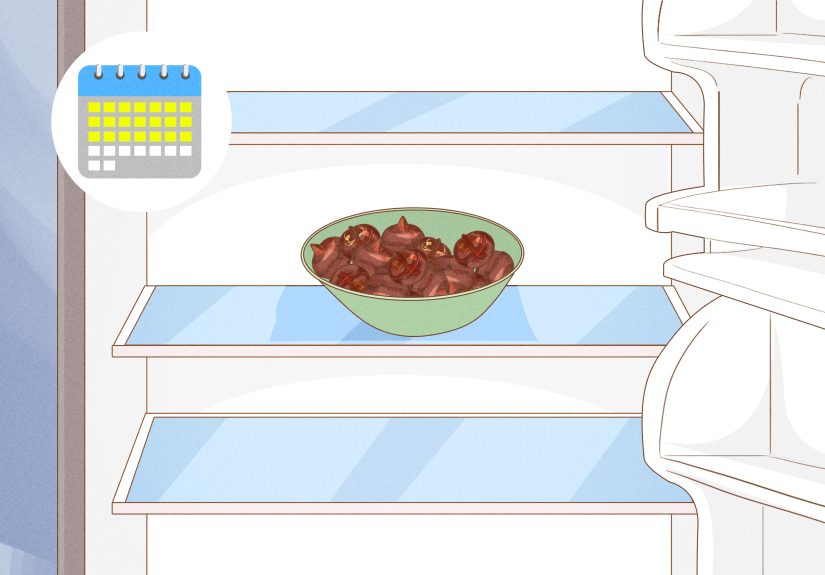
Fresh water chestnuts can be stored cool and moist for short-term use. If you want planting stock for next season, keep a few sound corms in moist conditions where they will not dry out or freeze. In colder climates, many gardeners simply harvest the crop, save the healthiest corms indoors, and start again the following spring.
Common Problems When Growing Water Chestnuts
Not enough heat
This is the biggest issue for home gardeners. If the season is too short or too cool, the plants may grow stems but produce only tiny corms. A greenhouse, warm patio, or black container placed in full sun can help boost heat.
Soil that is too light
Fluffy potting mix floats, decomposes quickly, and turns the container into a soggy mess. Use heavy mineral soil instead.
Water levels that swing wildly
These plants like steady conditions. Letting the mud dry and then flooding it again is a recipe for poor growth.
Harvesting too early
If the tops are still green and vigorous, the corms may not be fully developed yet. Patience pays off.
Are Water Chestnuts Worth Growing at Home?
Yes, especially if you enjoy unusual edible crops and do not mind a little mess. Homegrown water chestnuts are crisp, sweet, and much livelier than canned ones. They also make a great conversation starter. Most people have never seen them growing, which gives you the rare chance to say, “Actually, those stir-fry crunchies came from my mud barrel,” and sound both impressive and slightly unhinged.
They are also a smart crop for gardeners who already grow taro, lotus, rice, or other moisture-loving plants. If you have the heat and can provide a shallow-water setup, water chestnuts are surprisingly manageable.
Real-World Growing Experiences: What Gardeners Learn the First Time
The first experience most gardeners have with water chestnuts is confusion. Not plant confusion, although that happens too. It is more the psychological confusion of realizing you are intentionally filling a container with mud, adding standing water, and then calling it a vegetable patch. Traditional raised-bed gardeners may need a moment. This is normal. Water chestnuts are a crop that rewires your gardening instincts.
One of the most common lessons is that bigger containers make life easier. A small pot dries faster, heats unevenly, and gives the plant less room to spread. A larger tub or stock tank is more forgiving. The water level stays more stable, the soil does not shift as much, and the harvest tends to be more satisfying. Gardeners who start too small often spend the season topping off water constantly and then vow to size up the next year.
Another frequent surprise is how ordinary the top growth looks. If you are expecting dramatic tropical leaves or flashy flowers, water chestnuts will gently humble you. The plant looks tidy, grassy, and almost suspiciously plain. Then harvest day arrives, and suddenly that modest patch of green turns into a hidden stash of crunchy corms. It is a very “don’t judge a plant by its foliage” kind of crop.
Heat also separates the okay results from the brag-worthy results. Gardeners in truly warm climates often report stronger growth and better corm formation with less fuss. In cooler climates, success depends more on microclimates, timing, and protection. A warm wall, a reflective patio, or a greenhouse can make a real difference. People who treat water chestnuts like tomatoes-with-extra-water usually get mediocre results. People who treat them like tropical aquatic vegetables usually do much better.
There is also the harvest experience, which deserves its own medal. Digging water chestnuts is part gardening, part archaeology, part mud-based improvisation. Even organized people become slightly feral during this process. Gloves help. A wash tub helps more. And setting aside time helps most of all, because this is not a crop you harvest in five elegant minutes before dinner. It is a muddy event.
Gardeners who stick with the crop often become loyal fans for one simple reason: freshness changes everything. Fresh water chestnuts are sweet, crisp, juicy, and far more flavorful than the canned version many people grew up knowing. That first bite tends to convert skeptics. Suddenly, all the mud management feels less like nonsense and more like a very logical path to excellent stir-fries, salads, and snacking.
The final lesson is practical but important: save the best corms. New growers sometimes cook the entire harvest and then realize, a little too late, that next season now depends on another shopping trip. Experienced growers set aside their healthiest, firmest corms first and only then start planning dinner. It is the kind of wisdom that sounds obvious after you learn it and not one minute before.
So yes, growing water chestnuts is unusual. It is wet, muddy, highly seasonal, and not especially photogenic for most of the year. But it is also rewarding, memorable, and weird in the best possible gardening way. If you enjoy edible plants that teach new skills and make you feel like an inventive backyard grower, water chestnuts absolutely earn their place in the lineup.
Conclusion
If you can provide a long warm season, full sun, heavy soil, and shallow standing water, you can grow water chestnuts at home. The process is not difficult, but it does reward consistency. Treat the plant like the aquatic crop it is, wait for the foliage to yellow before harvest, and save your best corms for next year. In return, you get one of the crispest, freshest, most satisfying specialty vegetables a home gardener can produce.