Table of Contents >> Show >> Hide
- What Is Witch Hazel?
- Quick Witch Hazel Growing Snapshot
- Choosing the Right Witch Hazel Variety
- Where to Plant Witch Hazel
- How to Plant Witch Hazel
- Light Requirements for Witch Hazel
- Soil and Water Needs
- Fertilizing Witch Hazel
- How and When to Prune Witch Hazel
- Common Witch Hazel Problems
- Using Witch Hazel in Landscape Design
- Can You Grow Witch Hazel in Containers?
- Seasonal Witch Hazel Care Calendar
- Extra Growing Experience: Real-World Lessons From Caring for Witch Hazel
- Conclusion
If your garden looks a little sleepy in fall or winter, witch hazel is the shrub that walks in wearing a bright yellow scarf and pretending it did not just save the whole landscape. Known botanically as Hamamelis, witch hazel is a deciduous shrub or small tree famous for its ribbon-like flowers, spicy fragrance, golden fall color, and surprisingly low-maintenance personality. In a world full of plants that demand constant attention, witch hazel is refreshingly civilized. Give it the right spot, keep it watered while it settles in, and it will reward you with blooms when most of the garden is busy looking dramatic and leafless.
This guide explains how to grow and care for witch hazel in a practical, gardener-friendly way. You will learn where to plant it, what soil it likes, how much sun it needs, when to prune it, which varieties to consider, and how to solve common problems before your shrub starts sending passive-aggressive leaf signals.
What Is Witch Hazel?
Witch hazel is a large flowering shrub or small tree in the genus Hamamelis. The best-known North American native species is Hamamelis virginiana, commonly called American witch hazel or common witch hazel. It grows naturally in woodland edges, stream banks, and forest margins across much of the eastern United States. In the garden, it typically forms a graceful, multi-stemmed shrub with a spreading, slightly irregular shape. Translation: it has character, not chaos.
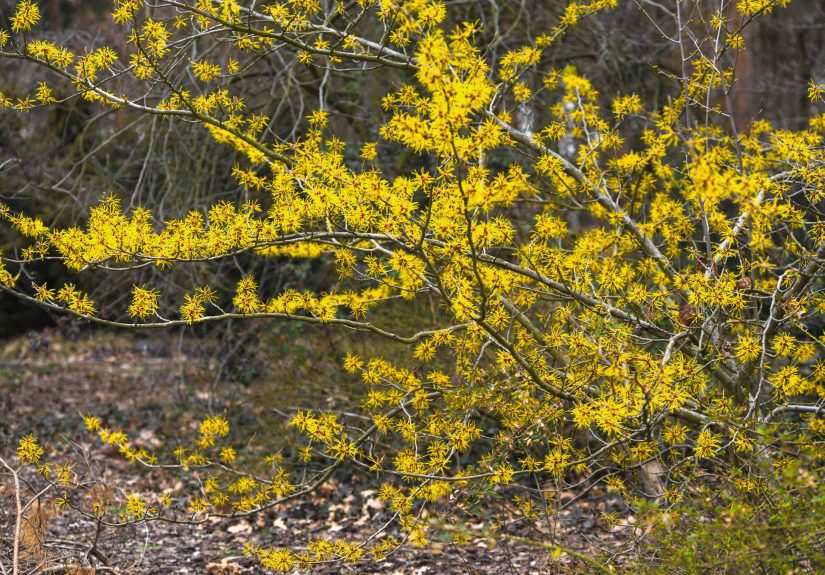
The flowers are the main event. Instead of big, round blooms, witch hazel produces slender, twisted petals that look like tiny party streamers. Depending on the species or cultivar, flowers may be yellow, orange, copper, red, or somewhere between “sunset” and “fancy marmalade.” American witch hazel usually blooms in fall, while many hybrid witch hazels bloom in late winter or early spring. That unusual bloom time makes the plant valuable for four-season gardens, native plantings, woodland borders, and anyone who refuses to let winter have the final word.
Quick Witch Hazel Growing Snapshot
- Botanical name: Hamamelis spp.
- Common name: Witch hazel
- Plant type: Deciduous shrub or small tree
- Mature size: Usually 8 to 20 feet tall and wide, depending on species and cultivar
- Light: Full sun to partial shade
- Soil: Moist, acidic, humus-rich, well-drained soil
- Water: Moderate; avoid letting young plants dry out
- Bloom time: Fall, winter, or early spring depending on type
- Best uses: Specimen shrub, woodland edge, native garden, winter garden, pollinator garden, tall screen, informal hedge
Choosing the Right Witch Hazel Variety
Before planting witch hazel, decide what kind of show you want. Some types bloom in fall, some in winter, and others in very early spring. Some are native, some are hybrids, and some are prized mainly for fragrance or flower color. Choosing the right one is like choosing a movie for family night: the label matters, and someone will have strong opinions.
American Witch Hazel
Hamamelis virginiana, or American witch hazel, is the classic native choice for many U.S. gardens. It usually blooms from mid-fall into early winter, often after the leaves begin to yellow or drop. The flowers are typically yellow and fragrant, and the plant works beautifully along woodland edges, in naturalized areas, or as a native specimen shrub. It is also useful for wildlife-friendly gardens because it supports certain native insects and adds structure to layered plantings.
Vernal Witch Hazel
Hamamelis vernalis, commonly called Ozark or vernal witch hazel, is another North American native. It tends to bloom in late winter to early spring and is known for being tough and adaptable. Its flowers are often yellow to reddish-orange and can bring color to the garden before many other shrubs have even found the motivation to wake up.
Hybrid Witch Hazels
Many garden-center favorites are hybrids, especially Hamamelis × intermedia, a cross between Japanese witch hazel and Chinese witch hazel. These hybrids are popular because they offer larger flowers, strong fragrance, and dramatic colors. Cultivars such as ‘Jelena’ are known for coppery-orange blooms, while yellow-flowered varieties can look like little lanterns glowing on bare branches.
Where to Plant Witch Hazel
Witch hazel grows best in a location that gives it enough room to mature naturally. This is not a plant that wants to be shaved into a green meatball every six weeks. Most witch hazels develop an open, spreading form, so choose a spot where the branches can stretch without blocking a sidewalk, smacking visitors in the face, or starting a turf war with the garage.
For the best flowering, plant witch hazel in full sun. It can tolerate partial shade, especially because it naturally grows as an understory plant, but more sunlight usually means more flowers and stronger fall color. In very hot climates, light afternoon shade can help protect leaves from scorching during summer heat.
A good planting location includes moist but well-drained soil. Witch hazel likes organic matter, so woodland-style soil is ideal: rich, slightly acidic, and able to hold moisture without becoming swampy. If your yard has heavy clay, do not panic. Witch hazel can tolerate clay if drainage is decent, but adding compost before planting can improve texture and reduce the risk of soggy roots.
How to Plant Witch Hazel
The best times to plant witch hazel are early spring or fall, when temperatures are mild and rainfall is usually more generous. Planting during blazing summer heat is possible, but it requires more careful watering. The shrub may survive, but it may also glare at you through its leaves.
Step 1: Prepare the Site
Clear grass and weeds from the planting area. Dig a wide hole, about two to three times the width of the root ball, but no deeper than the root system. A wide hole encourages roots to move outward into loosened soil. A deep hole, on the other hand, can cause the plant to settle too low, which is a common mistake with trees and shrubs.
Step 2: Check the Root Flare
The root flare is the area where the trunk or main stems begin to widen at the soil line. Make sure this flare remains visible after planting. If witch hazel is planted too deeply, the roots may struggle, and the plant can decline over time. Think of the root flare as the plant’s neckline: burying it is not a fashion statement.
Step 3: Backfill and Water
Place the shrub in the hole, backfill with the original soil mixed with compost if needed, and gently firm the soil around the roots. Water thoroughly to remove air pockets. Do not stomp the soil like you are trying to win a clogging contest; gentle pressure is enough.
Step 4: Mulch Properly
Add a 2- to 3-inch layer of organic mulch around the plant, keeping it a few inches away from the stems. Mulch helps conserve moisture, moderate soil temperature, and suppress weeds. Avoid piling mulch against the trunk in a “volcano” shape. Mulch volcanoes are bad for trees, bad for shrubs, and frankly bad for civilization.
Light Requirements for Witch Hazel
Witch hazel is flexible about light, but it performs best when it receives at least several hours of direct sun. Full sun encourages heavier flowering and more vivid fall foliage. Partial shade is acceptable, especially in woodland gardens or warmer regions, but expect fewer blooms and a looser shape.
If your witch hazel is planted in deep shade and refuses to bloom well, the problem may not be fertilizer or pruning. It may simply be light. Moving a young plant to a brighter location can help, but mature specimens are best left alone unless absolutely necessary.
Soil and Water Needs
Witch hazel prefers soil that is moist, acidic, humus-rich, and well drained. In practical terms, it likes soil that feels like a healthy forest floor: crumbly, alive, and not too dry. Adding compost, leaf mold, or aged bark can improve poor soil and support steady root growth.
During the first year after planting, water witch hazel regularly. A deep watering once or twice a week is usually better than a daily sprinkle, especially during dry periods. Young shrubs need consistent moisture while their roots establish. Once established, witch hazel becomes easier to manage, but it is not truly drought-loving. Extended dry spells can cause leaf scorch, slow growth, or weak flowering.
Good drainage matters. Witch hazel enjoys moisture, but it does not want to sit in waterlogged soil for long periods. If puddles remain in the planting area after rain, consider improving drainage or choosing a slightly raised site.
Fertilizing Witch Hazel
Witch hazel is not a heavy feeder. In good soil, it may not need much fertilizer at all. If growth seems weak or foliage looks pale, apply a balanced, slow-release fertilizer in early spring according to the label directions. Another excellent option is to top-dress the root zone with compost each year.
Avoid overfertilizing. Too much nitrogen can push leafy growth at the expense of flowers. It can also make stems softer and more attractive to certain pests. In short, do not try to turn witch hazel into a bodybuilder. It is supposed to be elegant, not swollen.
How and When to Prune Witch Hazel
One of the nicest things about witch hazel care is that pruning is usually minimal. The plant naturally develops a graceful form, and heavy pruning can ruin that structure. Remove dead, damaged, crossing, or poorly placed branches when needed. If you are growing a grafted hybrid, remove suckers that appear from below the graft union, because those shoots may come from the rootstock rather than the ornamental cultivar you actually bought.
The best pruning time depends on bloom season. As a general rule, prune witch hazel shortly after flowering. Many witch hazels bloom on old wood, so pruning at the wrong time can remove flower buds and reduce the next display. For American witch hazel, which blooms in fall, prune lightly after the bloom period. For winter- and spring-blooming hybrids, prune after flowers fade in late winter or spring.
Keep cuts selective. Instead of shearing the outside, remove whole branches back to a side branch or the base when necessary. This preserves the plant’s natural shape and prevents the dreaded “twiggy broom” look.
Common Witch Hazel Problems
Witch hazel is generally a sturdy, low-drama plant. It does not attract serious pest problems in most gardens, which is refreshing because gardeners already have enough drama from tomatoes, roses, and whatever is eating the basil.
Leaf Galls
Witch hazel may develop odd-looking leaf galls caused by insects such as aphids. These growths can look alarming, but they usually do not seriously harm the plant. If the shrub is otherwise healthy, no major treatment is needed.
Powdery Mildew and Leaf Spots
Powdery mildew and leaf spots can appear in humid conditions or where air circulation is poor. To reduce disease pressure, avoid overhead watering late in the day, give the shrub enough space, and prune lightly to remove crowded growth if necessary.
Drought Stress
Dry soil is one of the most common causes of witch hazel stress. Leaves may brown at the edges, curl, or drop early. Mulching and deep watering during hot, dry weather can prevent many moisture-related problems.
Poor Blooming
If witch hazel does not bloom well, check three things: light, pruning, and age. Plants in too much shade may flower lightly. Plants pruned at the wrong time may lose buds. Young shrubs may simply need more time to mature. Gardening often requires patience, which is just a polite word for standing outside with coffee and pretending you are not worried.
Using Witch Hazel in Landscape Design
Witch hazel is ideal as a specimen plant where its unusual flowers can be admired up close. Plant it near a walkway, patio, window, or garden entrance so you can enjoy the fragrance and winter color. A witch hazel planted in the far back corner of the yard may still be beautiful, but you will need binoculars and dedication.
It also works well in woodland gardens, native plant borders, rain gardens, and informal screens. Pair it with shade-tolerant perennials, spring bulbs, ferns, sedges, foamflower, woodland phlox, or native ground covers. Because witch hazel has a graceful open habit, underplanting can make the whole area look intentional rather than “we forgot to mow there.”
For four-season interest, combine witch hazel with evergreens, red-twig dogwood, winterberry holly, serviceberry, oakleaf hydrangea, and native grasses. The goal is to create a landscape that still has structure and color when annual flowers have retired for the year.
Can You Grow Witch Hazel in Containers?
Witch hazel can be grown in a large container for a while, especially compact cultivars, but it is usually happiest in the ground. The plant develops a broad root system and can become large over time. If you try container growing, choose a wide, sturdy pot with excellent drainage, use a high-quality acidic planting mix, and water carefully. Containers dry out faster than garden soil, so summer watering becomes especially important.
In cold climates, container-grown shrubs are more vulnerable to freezing roots. Protect the pot during winter or move it to a sheltered location. For long-term success, most witch hazels should eventually be planted in the landscape.
Seasonal Witch Hazel Care Calendar
Spring
Check for winter damage and prune after flowering if you grow a winter- or spring-blooming type. Add compost or a light application of balanced fertilizer if needed. Refresh mulch while keeping it away from the stems.
Summer
Water during dry spells, especially for young plants. Watch for leaf scorch, powdery mildew, or signs of stress. Avoid heavy pruning in summer because flower buds may already be forming for the next bloom cycle.
Fall
Enjoy golden foliage and, if you grow American witch hazel, watch for fragrant yellow flowers. Fall is also a good planting season in many regions because cooler temperatures reduce transplant stress.
Winter
Look for flowers on hybrid and vernal witch hazels. Remove broken branches if storms cause damage. Otherwise, let the plant do its quiet winter magic while you take full credit for “excellent garden planning.”
Extra Growing Experience: Real-World Lessons From Caring for Witch Hazel
One of the most useful lessons about growing witch hazel is that the plant rewards gardeners who think ahead. It is slow to moderate in growth, and it does not become spectacular overnight. The first year often looks modest. The second year may bring better structure. By the third or fourth year, the shrub usually begins to look like it belongs in the landscape rather than like a hopeful stick with ambition. This is normal. Witch hazel is not a fast-flashing annual; it is a long-term garden investment.
In real garden situations, the best results often come from planting witch hazel where you will actually notice it. A common mistake is placing it too far from daily life. Because its flowers appear in cool seasons, you may not wander deep into the garden as often. Planting it near a kitchen window, front walk, driveway edge, or patio makes the bloom show much more enjoyable. On a cold day, those thin petals can look almost magical against bare branches.
Another practical experience is that mulch makes a major difference. Witch hazel appreciates evenly moist soil, and a simple layer of shredded bark, pine needles, or chopped leaves can keep roots cooler and more comfortable. In gardens with hot summers, mulch can be the difference between glossy leaves and crispy edges. Just remember to keep mulch away from the trunk. The donut shape is your friend; the volcano shape is not invited.
Watering young witch hazel deeply is also more important than many new gardeners expect. The plant may be native or adaptable, but newly planted shrubs still need help. During the first growing season, check soil moisture regularly. If the top few inches are dry, water slowly and deeply. Shallow watering encourages shallow roots, which makes the plant more vulnerable during heat waves. Deep watering teaches the roots to go exploring, like responsible little underground adventurers.
Pruning experience teaches another valuable point: less is usually more. Witch hazel has a naturally elegant, irregular form. Trying to make it perfectly symmetrical can remove the very charm you planted it for. Instead, step back before cutting. Look at the entire shape. Remove one problematic branch at a time, then stop and reassess. Many gardeners make better pruning decisions after a cup of coffee and a five-minute pause. The plant appreciates your restraint, even if it cannot send a thank-you card.
Finally, patience with flowering is essential. Some young plants bloom lightly until they mature. Others may skip a strong bloom after transplanting because they are busy building roots. If the plant has good light, suitable soil, and consistent moisture, give it time. Witch hazel is the kind of shrub that quietly improves each year. One day, usually when the rest of the garden looks bare and uninspired, it will suddenly cover itself in fragrant ribbons and make you look like a gardening genius. Take the compliment. You earned it.
Conclusion
Witch hazel is one of the most rewarding shrubs for gardeners who want beauty beyond the usual spring-and-summer parade. With its fragrant ribbon-like flowers, golden fall color, wildlife value, and graceful branching, it brings personality to the landscape when many plants are off duty. Give witch hazel full sun to partial shade, moist acidic soil, thoughtful watering, and light pruning after bloom, and it will become a dependable four-season feature.
Whether you choose native American witch hazel for a woodland edge or a colorful hybrid for a winter focal point, this shrub offers a rare mix of toughness and charm. It is not fussy, but it does appreciate good placement and a little early care. Plant it well, mulch it properly, water it during dry spells, and then let it grow into its natural shape. Witch hazel does not need constant fussing. It simply needs a good home, a bit of patience, and an audience willing to admire flowers that look like cheerful botanical confetti.
Note: This article is intended for ornamental gardening and landscape care. Commercial witch hazel skin-care products are made through specific processing methods; garden-grown plants should not be used for homemade medical treatments without qualified professional guidance.