Table of Contents >> Show >> Hide
- What Causes Static Cling?
- 1. Use Fabric Softener
- 2. Choose Natural Fibers
- 3. Use Dryer Balls
- 4. Try a Humidifier
- 5. Dry Clothes on Low Heat
- 6. Add Vinegar to the Wash
- 7. Avoid Over-Drying Your Clothes
- 8. Use Anti-Static Spray
- 9. Rub Your Clothes with a Metal Hanger
- 10. Try Lotion for Skin Static
- 11. Use Aluminum Foil in the Dryer
- 12. Wear a Slip Under Dresses and Skirts
- Conclusion
- Experiences with Static Cling: Real-Life Solutions
We’ve all experienced itthe annoying cling of socks to your pants, the sudden hair-pulling chaos of static in the winter, or the irritating shock when you touch a doorknob after pulling on a sweater. Static cling is not only frustrating but can leave you feeling a bit on edge. Luckily, there are several simple and effective ways to prevent or eliminate static cling, and they’re easier than you might think. In this article, we’ll explore more than 10 easy solutions to keep you and your clothes static-free.
What Causes Static Cling?
Before we dive into the solutions, it’s helpful to understand what causes static cling in the first place. Static electricity is the result of an imbalance between positively and negatively charged particles. Clothes made from synthetic fibers like polyester, nylon, and rayon are more likely to build up static due to their tendency to collect electrons. When two fabrics rub togetherlike when you take off a wool sweater or separate your clothes in the dryerthey exchange electrons, creating static. In dry environments, especially during winter, the lack of moisture makes it harder for these charges to dissipate, leaving you with the dreaded cling.
1. Use Fabric Softener
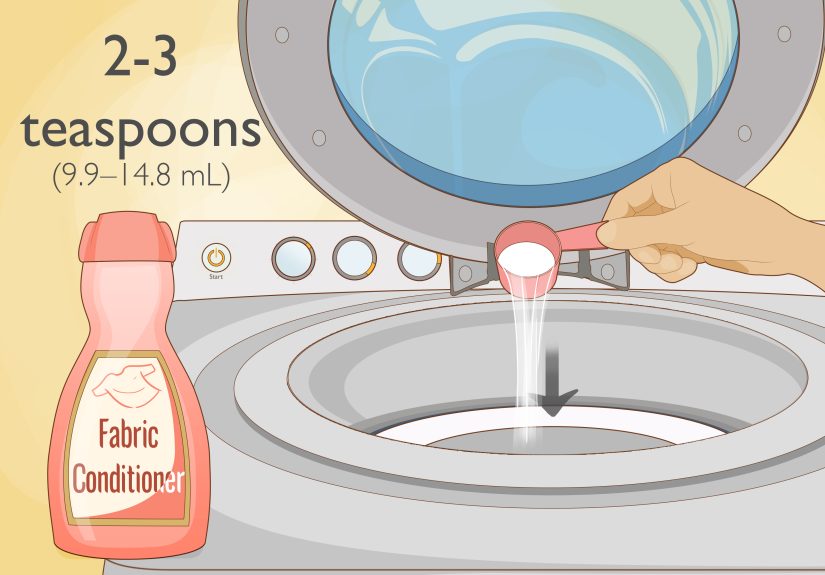
Fabric softeners are designed to coat your clothes with a thin layer of chemicals that reduce static build-up. The fabric softener helps the fibers slide against each other instead of rubbing and creating static. You can use liquid fabric softener in the wash or opt for dryer sheets, which release similar chemicals while tumbling in the dryer. Fabric softeners also make your clothes feel softer, so it’s a win-win!
2. Choose Natural Fibers
One of the easiest ways to prevent static cling is to wear more clothes made from natural fibers, such as cotton, wool, or linen. These fabrics are less likely to generate static electricity than their synthetic counterparts. They allow moisture to escape, which reduces the likelihood of static. So, for static-free days, opt for natural fabric clothing when possible.
3. Use Dryer Balls
If you’re tired of buying dryer sheets or just want a more sustainable option, consider using dryer balls. These reusable balls, made of wool or plastic, help prevent static cling by separating clothes in the dryer and allowing air to circulate more effectively. This reduces the friction that causes static buildup. Plus, dryer balls help to soften fabrics without using harsh chemicals, which is better for the environment and your skin.
4. Try a Humidifier
Static cling is more common in dry air, especially during winter months. Adding moisture to the air in your home with a humidifier can help prevent static buildup. When the air is more humid, it helps the electrical charges dissipate more easily. Running a humidifier, especially in your bedroom or laundry room, will make static less of an issue throughout the day.
5. Dry Clothes on Low Heat
High heat in the dryer can cause fabrics to dry too quickly, which increases the chances of static cling. Opt for a lower heat setting to dry your clothes. This will allow the fabrics to dry more gently, reducing the friction that leads to static build-up. If your dryer has a “cool down” cycle, use it to gradually reduce the temperature, keeping static at bay.
6. Add Vinegar to the Wash
If you’re looking for a natural solution, try adding half a cup of white vinegar to your laundry during the rinse cycle. Vinegar acts as a natural fabric softener, reducing static and softening fabrics. Don’t worryyour clothes won’t smell like vinegar once they dry. This method is particularly helpful for people who want to avoid chemicals in their laundry routine.
7. Avoid Over-Drying Your Clothes
Over-drying clothes in the dryer increases the chances of static cling. When clothes are left in the dryer for too long, they rub against each other more, creating static charges. Try setting a timer or using your dryer’s automatic cycle to prevent over-drying. Alternatively, air-dry clothes when possible to eliminate the risk of static altogether.
8. Use Anti-Static Spray
If static cling is a persistent problem, anti-static sprays are a great solution. You can buy an anti-static spray at most stores, or make your own by mixing one part fabric softener with 30 parts water in a spray bottle. Spritz your clothes with the solution, and you’ll be static-free in no time. This solution works great for any lingering cling you may experience throughout the day.
9. Rub Your Clothes with a Metal Hanger
If you’re caught off-guard and need to deal with static cling on the go, grab a metal hanger! Simply rub it along your clothing, especially the areas where static tends to build up. The metal helps dissipate the electrical charge. This quick fix is especially useful when you’re getting dressed and don’t want to deal with that annoying cling.
10. Try Lotion for Skin Static
Your skin can also attract static, especially when it’s dry. Applying a small amount of lotion to your skin can help reduce the static cling. Not only will it keep your skin hydrated, but it’ll also reduce the chances of a shock when you touch your clothes or any metal surfaces.
11. Use Aluminum Foil in the Dryer
Another trick to try is adding a ball of aluminum foil to your dryer. The foil helps reduce static by preventing clothes from rubbing together too much. It’s an eco-friendly alternative to dryer sheets that also works wonders in reducing static. Plus, it’s reusable, so you can keep using it in every load!
12. Wear a Slip Under Dresses and Skirts
If you find that your skirts and dresses cling to your legs, try wearing a slip underneath. The smooth fabric of the slip will reduce friction between your skin and clothing, preventing the dreaded cling. It’s a simple and effective way to keep your outfit looking polished all day.
Conclusion
Static cling doesn’t have to be a constant frustration in your life. With these 10+ solutions, you can easily keep it under control and stay comfortable all year long. Whether you choose to use dryer balls, add vinegar to your laundry, or simply wear natural fabrics, the right approach can make all the difference. Say goodbye to static and hello to a more relaxed and pleasant day!
Experiences with Static Cling: Real-Life Solutions
We’ve all been therefighting with our clothes as they stick together in a way that makes you wonder if you’ve just become a human magnet. For years, I struggled with static cling, especially in the winter months when the air is drier. I remember one winter, when I was rushing to get ready for work, and my sweater just wouldn’t stop sticking to my pants. I tried everything, from the tried-and-true fabric softener to rubbing metal hangers on my clothes. But it wasn’t until I started using a humidifier in my bedroom at night that I noticed a real difference. The moist air helped prevent the build-up of static, and the problem became much less frequent.
One of my favorite quick fixes is using vinegar in the rinse cycle. I was skeptical at first, but after a few loads of laundry, I was sold. My clothes came out softer, and I didn’t get zapped when I reached for the doorknob. My solution is a combination of several methods, from avoiding over-drying to adding dryer balls, but the key has been consistency. If I skip using fabric softener or forget to check the humidity, I can feel the static creeping back in. However, now that I know what works for me, dealing with static cling is just part of the routine. So, if you’re struggling with this common issue, don’t give up! There are simple fixes that can make your life a lot easier and more comfortable.