Table of Contents >> Show >> Hide
- Why Moss Keeps Showing Up in Lawns
- How to Get Rid of Moss in Your Lawn: 14 Steps
- Step 1: Confirm that it’s actually moss
- Step 2: Check how much sunlight the area gets
- Step 3: Test the soil before throwing lime around like confetti
- Step 4: Improve drainage in wet or soggy areas
- Step 5: Core-aerate compacted soil
- Step 6: Stop mowing the lawn too short
- Step 7: Water deeply, not constantly
- Step 8: Dethatch if the lawn has a heavy layer of buildup
- Step 9: Apply a lawn-safe moss control product if needed
- Step 10: Rake out the dead moss
- Step 11: Overseed the bare spots right away
- Step 12: Feed the lawn so grass can outcompete moss
- Step 13: Repair the environment, not just the symptom
- Step 14: Know when to stop fighting and choose a better alternative
- Common Mistakes That Make Moss Worse
- What a Successful Moss-Control Plan Looks Like
- Experiences Homeowners Often Have When Fighting Lawn Moss
- Conclusion
Note: This article is written for home lawns and based on current lawn-care best practices. It is not intended for roof moss, patio moss, or hardscape treatments.
Moss has a talent for making a lawn look like it gave up, joined a poetry club, and moved into permanent shade. It’s soft, green, and oddly charming right up until you realize your grass is losing the battle. If your yard has turned into a velvety green carpet in all the wrong places, don’t panic. Moss is usually less of a villain and more of a messenger. It shows up when turfgrass is struggling.
That’s actually good news. Once you figure out why moss is growing in your lawn, you can stop treating the symptom and fix the real problem. In most cases, the issue comes down to too much shade, wet soil, compacted ground, poor drainage, low fertility, improper mowing, or soil conditions that make grass weak and moss smug.
This guide walks you through how to get rid of moss in your lawn in 14 practical steps, with specific advice on removal, soil improvement, overseeding, mowing, watering, and keeping moss from making an encore appearance next season.
Why Moss Keeps Showing Up in Lawns
Before you grab a rake and declare war, it helps to know what moss is telling you. Moss doesn’t usually kill grass. Instead, it fills the gaps when grass thins out. In other words, moss is the houseguest that only arrives because the host left the front door open.
Common conditions that encourage lawn moss include:
- Too much shade
- Poor drainage or soggy soil
- Compacted ground that blocks air and water movement
- Low soil fertility
- Watering too often and too lightly
- Mowing too short
- Soil pH problems, especially acidic soil in some regions
The fastest way to remove moss is one thing. The smartest way to keep it from coming back is another. You need both.
How to Get Rid of Moss in Your Lawn: 14 Steps
Step 1: Confirm that it’s actually moss
Moss usually appears as a low, dense, green mat or soft carpet hugging the soil surface. It thrives in damp, thin turf and often pops up in shady zones where grass looks tired, patchy, or sparse. If the growth feels spongy and peels up easily, you’re probably dealing with moss. Start by identifying where it appears most heavily, because that pattern tells you what’s wrong with the site.
Step 2: Check how much sunlight the area gets
If a part of your lawn gets only a few hours of direct sun, grass may never compete well there. Moss can tolerate shade far better than most turfgrasses. Watch the area over the course of a day. If it stays gloomy from breakfast to dinner, you may need to prune trees, thin lower branches, or rethink whether grass belongs there at all. In stubborn deep shade, a shade garden or alternative groundcover may be more realistic than forcing a lawn to live its worst life.
Step 3: Test the soil before throwing lime around like confetti
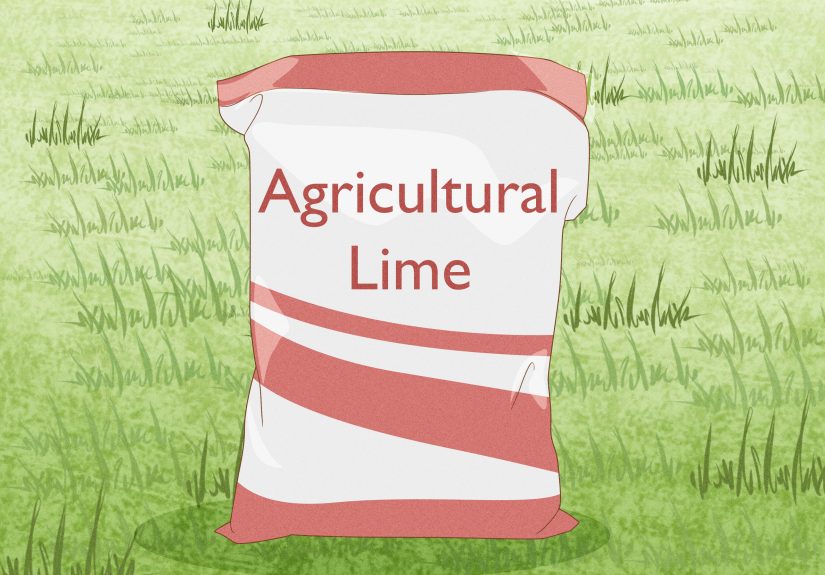
One of the most common lawn myths is that lime automatically kills moss. It doesn’t. Lime helps only when a soil test shows the pH is too low for healthy turf. That’s why a soil test matters. It can tell you whether your lawn needs lime, fertilizer, or both. For many lawns, grass grows best in soil that’s close to slightly acidic or near neutral. If your test recommends lime, follow the rate carefully. If it doesn’t, skip it. Blind liming can make a lawn worse, not better.
Step 4: Improve drainage in wet or soggy areas
Moss loves wet feet. Grass does not. If your lawn stays muddy after rain, pools water, or feels swampy days later, drainage is likely part of the problem. Regrading low spots, loosening compacted soil, or installing better drainage can make a huge difference. Even simple fixes help: redirect downspouts, stop runoff from flowing into the lawn, and avoid overwatering areas that already stay damp.
Step 5: Core-aerate compacted soil
Compaction is one of moss’s favorite sidekicks. When soil is packed hard, oxygen, water, and nutrients can’t move well through the root zone. Grass weakens, moss moves in, and everybody except the moss loses. Use a core aerator, not a spike aerator, for the best results. Core aeration removes plugs of soil and opens channels for air and water. For many lawns, fall is an ideal time to aerate cool-season grass, especially before overseeding.
Step 6: Stop mowing the lawn too short
Scalping your lawn is basically rolling out the red carpet for moss. When you cut grass too low, you reduce the leaf area it needs to photosynthesize and keep roots strong. Follow the one-third rule: never remove more than one-third of the blade at a time. In shady areas, keep grass at the upper end of its recommended mowing height. Taller grass shades the soil, strengthens roots, and competes better with moss, weeds, and lawn stress.
Step 7: Water deeply, not constantly
If your sprinkler runs every day for a tiny sip of water, your grass roots stay shallow and moss gets ideal surface moisture. Established lawns do better with deeper, less frequent watering that soaks the soil rather than just dampening the top layer. Watering too often encourages moisture-loving problems, including moss. If your irrigation is automatic, review the schedule. Many lawns are not thirsty every single day, no matter what the timer believes.
Step 8: Dethatch if the lawn has a heavy layer of buildup
Thatch is the layer of living and dead stems, roots, and debris that sits between the soil and the grass blades. A little is normal. Too much becomes a problem because it blocks air, water, and seed-to-soil contact. If your lawn has a thick thatch layer, use a dethatching rake for small patches or rent a power dethatcher for larger areas. Do this during active growth, when the lawn can recover. Dethatching can look dramatic, but sometimes lawn improvement has a “things may get ugly before they get better” phase.
Step 9: Apply a lawn-safe moss control product if needed
If moss is widespread, a lawn moss killer can help speed removal. Look for products labeled for lawns, often with iron-based ingredients such as ferrous sulfate or other iron compounds. Some lawn-safe formulas use potassium salts of fatty acids. Follow the label exactly, because more is not better, and some products can stain concrete, brick, or stone. Also, don’t use products meant for roofs or hard surfaces on grass. That’s a shortcut to lawn regret.
Step 10: Rake out the dead moss
Once the moss has blackened or dried after treatment, rake it out thoroughly. Moss doesn’t have true roots, so it generally lifts more easily than most weeds. For small patches, a steel garden rake or flat-edged shovel may do the trick. For large areas, take your time and be thorough. If you leave dead moss packed into the lawn, it can interfere with reseeding and keep the surface looking rough and tired.
Step 11: Overseed the bare spots right away
Removing moss without adding new grass is like evicting a tenant and leaving the door unlocked. Bare spots invite moss to return. After aerating and clearing debris, overseed with a grass type suited to your conditions. If the area is somewhat shady, choose a shade-tolerant mix. Fine fescues are often recommended for shade. If the site gets enough sun but struggles because of wear or density, choose a high-quality regional blend that matches your lawn type.
Step 12: Feed the lawn so grass can outcompete moss
Weak turf gives moss room to spread. Proper fertilization helps grass thicken and reclaim territory. Use a fertilizer schedule that fits your grass type and region, and lean on soil-test results whenever possible. Cool-season lawns often benefit from fall feeding, while warm-season lawns are typically fertilized during active summer growth. The goal is steady, healthy turf growth, not a flashy burst followed by a crash. Think “consistent athlete,” not “weekend superhero.”
Step 13: Repair the environment, not just the symptom
This is the step many homeowners skip, and it’s why moss comes back like it pays rent. If the area is still deeply shaded, constantly soggy, compacted, and cut too short, moss will return even after a perfect cleanup. Prune trees where practical. Adjust irrigation. Fix drainage. Aerate compacted zones. Raise the mowing height. Add lime only if the soil test says so. Strong grass is the long-term moss control plan.
Step 14: Know when to stop fighting and choose a better alternative
Sometimes the best lawn-care decision is admitting that a particular area is simply not a good lawn site. If a spot gets very little direct sun, stays damp, and refuses to grow turf year after year, consider a different solution. Moss itself can be a low-maintenance groundcover in the right setting. You can also replace struggling turf with mulch, native plants, shade perennials, or another suitable groundcover. That’s not giving up. That’s landscaping like a grown-up.
Common Mistakes That Make Moss Worse
- Applying lime without a soil test: It may do nothing or create a new problem.
- Using the wrong product: Roof moss products and non-lawn formulations can damage grass.
- Skipping reseeding: Empty space invites moss back.
- Mowing too low: Short grass is stressed grass.
- Watering lightly every day: That encourages shallow roots and damp surface conditions.
- Ignoring shade: Grass cannot win where sunlight never shows up.
- Expecting a one-time fix: Moss control is usually a lawn-improvement project, not a magic trick.
What a Successful Moss-Control Plan Looks Like
Here’s a practical example. Say your backyard lawn has moss under two mature maples. The grass is thin, the soil feels hard, and the sprinkler runs every morning. A smart plan would be to prune for more light, reduce irrigation frequency, core-aerate the compacted area, test the soil, apply lime only if recommended, rake out moss, overseed with a shade-tolerant blend, and keep the mowing height a little higher. That combination gives grass a fighting chance.
Another example: if your side yard stays wet because of runoff from a downspout, no amount of moss killer will solve the real problem. Redirecting the water and improving drainage matter more than any spray bottle ever will.
Experiences Homeowners Often Have When Fighting Lawn Moss
One of the most common experiences people report is frustration after trying a moss killer and seeing beautiful, dramatic results for about a week. The moss turns dark, dries up, and seems defeated. Victory dance begins. Then a month or two later, the green fuzz creeps back in like it never signed the peace treaty. What happened? Usually, the product did its job, but the lawn conditions never changed. The moss was removed, but the invitation remained.
Another familiar experience is discovering that the “bad patch” of lawn is really a pattern tied to the landscape. Homeowners often notice moss is thickest under trees, near fences, along the north side of the house, or in shallow depressions where water lingers. Once they start observing sunlight and moisture instead of just staring angrily at the moss itself, the mystery gets easier to solve. It becomes less about random lawn failure and more about site conditions making perfect sense.
Many people are also surprised by how much mowing habits matter. A lawn cut too short can look neat for a day and stressed for a week. Homeowners who raise their mower height often say the lawn starts looking fuller, softer, and healthier within a season. The change seems almost unfairly simple, which is probably why it gets ignored so often. Sometimes the lawn doesn’t need a miracle. It needs the blade setting moved up a notch.
There’s also the moment when someone finally aerates a compacted lawn and realizes the soil had basically been acting like a parking lot. Water starts soaking in better. Seed germinates more evenly. The lawn stops looking like it’s surviving on stubbornness alone. In heavily trafficked areas, especially where kids, dogs, or repeated foot traffic have pressed the ground flat, aeration can feel like giving the lawn the ability to breathe again.
Then there’s the shade lesson. Plenty of homeowners spend years reseeding the same gloomy area, only to discover that the spot gets two hours of direct sun on a good day and spends the rest of the time under leafy darkness. Once they switch to a shade-tolerant seed mix or replace turf entirely with a groundcover bed, the stress level drops fast. The yard starts looking intentional instead of perpetually under construction.
And finally, many people come away from the whole moss battle with a slightly humbling realization: lawn care is less about domination and more about cooperation. You can push grass only so far before the site pushes back. The most satisfying results often come when homeowners match the plant to the place, improve the soil, water correctly, mow wisely, and accept that not every square foot has to be a picture-perfect carpet of turf. Sometimes the best lawn-care experience starts when expectations get smarter.
Conclusion
If you want to know how to get rid of moss in your lawn, the real answer is bigger than one product or one Saturday afternoon. Yes, you can kill and remove the moss. But lasting results come from helping grass grow thick enough to keep moss from returning. That means fixing shade issues where possible, improving drainage, aerating compacted soil, mowing at the right height, watering deeply but less often, using lime only when a soil test recommends it, and reseeding bare areas promptly.
In short, moss control is really lawn recovery. Treat the cause, not just the carpet. Once you do, your grass has a much better chance of winning the yard back fair and square.