Table of Contents >> Show >> Hide
- Why Propane Tank Safety Comes First
- 10 Steps to Fill a Propane Tank Safely
- 1. Confirm that the cylinder is meant to be refilled
- 2. Check the date markings and overall refill eligibility
- 3. Inspect the cylinder body for dents, rust, gouges, or damage
- 4. Inspect the valve area and never try to repair it yourself
- 5. Keep the cylinder upright before, during, and after transport
- 6. Close the valve fully and secure the cylinder for the drive
- 7. Never leave the cylinder sitting in a hot, enclosed vehicle
- 8. Choose a reputable refill or exchange location
- 9. Ask the attendant to verify condition, markings, and safe fill status
- 10. Store the cylinder outdoors after refill and away from risky spots
- Common Mistakes People Make With Propane Cylinders
- Refill vs. Exchange: Which One Makes More Sense?
- What to Do With an Old or Unwanted Propane Tank
- Final Thoughts
- Real-World Experiences and Lessons From Propane Tank Use
Note: For safety, this article covers how to prepare a propane cylinder for refill by trained personnel and how to transport, inspect, and store it safely. It does not provide DIY propane-dispensing instructions.
Propane is wonderfully useful and wonderfully unforgiving. It can fire up your grill, keep an RV kitchen humming, and make your patio heater feel like a tiny sun. It can also turn a casual weekend into a very bad story if you treat it like a harmless hunk of metal with a valve on top. That is why the smartest way to “fill a propane tank” is not to play backyard fuel technician. It is to know exactly how to inspect the cylinder, transport it, hand it off to qualified refill staff, and store it properly afterward.
If that sounds less dramatic than a do-it-yourself refill tutorial, good. Drama is for streaming shows, not fuel cylinders.
This guide walks you through 10 practical safety steps every propane user should know before heading to a refill or exchange location. Along the way, you will learn how to spot a cylinder that should never be refilled, when exchange makes more sense than refill, and which common mistakes people make when they are in a hurry, distracted, or feeling a little too confident because they once assembled a grill without crying.
Why Propane Tank Safety Comes First
A propane cylinder is not just a container. It is a pressurized fuel system. That means condition matters. Age matters. Valve condition matters. Storage matters. Transport matters. Even the weather can matter. A refill station is not merely pouring fuel into a bottle. It is checking whether that bottle is legal, safe, and fit for service.
For everyday users, the goal is simple: do the safety checks you can do, leave the fuel transfer to trained personnel, and never ignore a cylinder that looks questionable. You are not being dramatic. You are being the only adult in the room, even if the room is just a garage and a stubborn barbecue.
10 Steps to Fill a Propane Tank Safely
1. Confirm that the cylinder is meant to be refilled
Not every propane container should go back to a refill station. Start by checking the collar and body for clear manufacturer markings and signs that it is a standard refillable cylinder, not a disposable or damaged container someone decided to keep around “just in case.” If the labeling is missing, unreadable, or suspicious, stop there. A legitimate refill location can verify what the cylinder is and whether it belongs in service.
This step sounds boring, but it is the kind of boring that keeps people out of trouble. A mystery cylinder is not a fun antique. It is a question mark full of fuel.
2. Check the date markings and overall refill eligibility
Portable propane cylinders are subject to inspection and requalification requirements. In plain English, that means age matters. Look at the collar for the manufacture date and any later requalification markings. If the cylinder is overdue, do not try to talk yourself into “one more refill.” Let the refill location inspect it or replace it through exchange if appropriate.
Many people assume a tank is fine because it still holds gas. That is like assuming old tires are safe because they still contain air. The point is not whether the container can hold something today. The point is whether it is still approved to do so safely.
3. Inspect the cylinder body for dents, rust, gouges, or damage
Give the tank a slow visual once-over. Look for significant rust, deep dents, obvious pitting, bulges, cuts, burn marks, or anything that suggests the cylinder has been dropped, dragged, overheated, or treated like gym equipment. Also inspect the bottom ring and protective collar. If those parts are bent, missing, or damaged, the cylinder may no longer be safe to handle or refill.
Surface scuffs happen. A propane cylinder does not need spa skin. But major structural damage is a different story, and that story should end with the cylinder removed from service, not tossed in the trunk for “just a quick top-off.”
4. Inspect the valve area and never try to repair it yourself
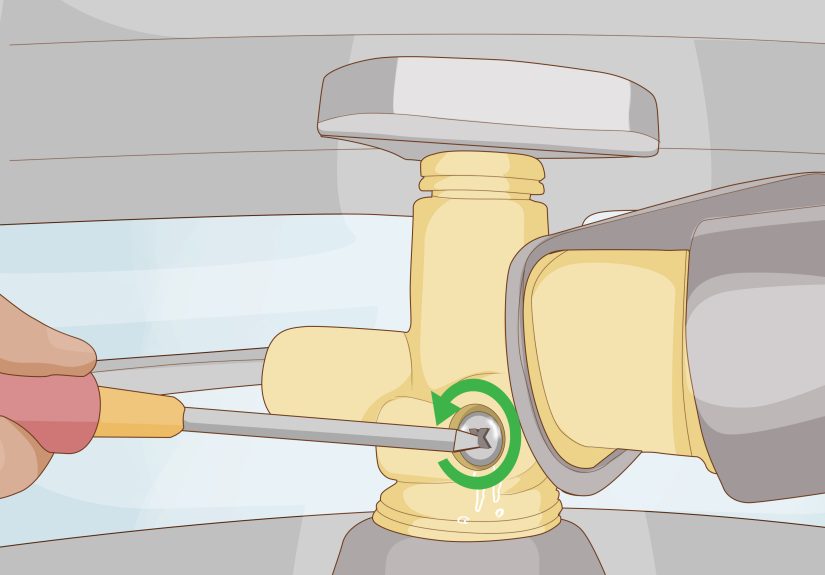
The valve is not the place for creativity. If it is cracked, bent, leaking, loose, or missing pieces, the cylinder needs professional attention. Do not tape it, glue it, wrench on it, or squint at it like confidence alone can fix metal. If you suspect a leak, keep the cylinder away from ignition sources and take it to a qualified propane provider for evaluation.
A damaged valve is one of the clearest signs that a cylinder should not be casually hauled around as if nothing is wrong. If the part that controls the gas is not trustworthy, neither is the entire setup.
5. Keep the cylinder upright before, during, and after transport
Propane cylinders should be handled upright. That is not a suggestion from the universe. It is basic fuel safety. Upright positioning helps the valve system work as intended and reduces the chances of liquid propane moving where it should not. Do not lay a cylinder on its side in the car, roll it around in a truck bed, or wedge it under sports gear and hope for the best.
If you only remember one rule from this article, make it this one: upright beats sideways every time.
6. Close the valve fully and secure the cylinder for the drive
Before you leave for a refill site, make sure the service valve is fully closed. Then secure the cylinder so it cannot tip, slide, or bounce around during transport. A milk crate, cargo strap, or other stable support can help keep it upright. Ventilation matters too, so transport the cylinder in a well-ventilated vehicle area and drive straight to your destination.
This is not the moment for a three-stop errand tour, iced coffee detour, and surprise grocery run. Fuel cylinders prefer direct routes and low drama.
7. Never leave the cylinder sitting in a hot, enclosed vehicle
Heat and enclosed spaces are a lousy combination for pressurized fuel containers. Once the cylinder is in your vehicle, head to the refill or exchange location without delay. Do not leave it parked for hours while you shop, eat lunch, or debate paint colors. The same rule applies after pickup. Bring it home promptly and store it in a proper outdoor location.
Think of propane like a guest who behaves well outdoors but gets grumpy in a sealed hot car. Give it air, shade, and a short commute.
8. Choose a reputable refill or exchange location
Use a certified, established propane supplier, hardware store, gas station, or exchange service that regularly handles cylinders. A good location will inspect the tank, reject unsafe containers, and follow proper procedures. If the place looks improvised, rushed, or careless, trust your instincts and leave. Fuel service should feel controlled, not chaotic.
Refill is often a good choice when your cylinder is in solid condition and you want to keep the same tank. Exchange can be convenient when your cylinder is old, questionable, or simply not worth troubleshooting. Both options have their place. The right answer depends on the condition of the cylinder, not on which line is shorter.
9. Ask the attendant to verify condition, markings, and safe fill status
When you arrive, let the trained staff do their job. Ask them to check the cylinder date, valve condition, and overall eligibility. If they reject the tank, thank them instead of arguing. A rejected cylinder is not an insult to your character. It is a safety decision.
This is also the right time to ask simple questions: Is this tank still legal to refill? Would exchange make more sense? Does the valve look okay? Is the collar damage cosmetic or a problem? A good propane attendant has seen every variety of “I found this in the shed” and will usually give you a clearer answer than internet mythology.
10. Store the cylinder outdoors after refill and away from risky spots
Once the cylinder is refilled or exchanged, store it outdoors in a well-ventilated area on stable ground. Keep it away from open flames, ignition sources, and enclosed indoor spaces such as garages, basements, and sheds. Do not keep a spare cylinder tucked under or beside a hot grill just because it is convenient. Convenience is not a safety standard.
Outdoor, upright, shaded, and secure is the winning formula. A proper storage spot is not glamorous, but neither is calling for help because someone decided the laundry room was “probably fine.”
Common Mistakes People Make With Propane Cylinders
The biggest mistake is assuming propane safety is obvious. It is not. People get casual because a cylinder looks sturdy. Then they store it indoors, drive around with it loose in the back seat, ignore rust on the bottom ring, or assume a valve problem is minor because they do not hear hissing today.
Another common error is treating all propane containers as interchangeable. A standard grill cylinder, an RV setup, and a small camping cylinder are not the same thing. What is appropriate for one is not automatically appropriate for another. That is especially true with little camping bottles. Many consumers are tempted to transfer fuel into small cylinders using improvised methods. That is a hard no. If you use one-pound style containers, follow the manufacturer’s design and safety information and do not assume internet hacks are wise just because someone filmed them with cheerful background music.
People also underestimate storage risks. A garage feels safer than the yard because it is sheltered, but enclosed spaces are exactly where leaked gas can accumulate. The best storage decision is often the least exciting one: outside, upright, ventilated, and undisturbed.
Refill vs. Exchange: Which One Makes More Sense?
If your cylinder is in good shape, refill can be practical and cost-effective. You keep the same tank, and you do not add another metal shell to the world’s collection of “almost fine” objects. Refill also appeals to people who like routine. Same tank, same provider, same basic process.
Exchange is often smarter when the cylinder is old, out of date, visibly worn, or simply not worth second-guessing. It can also be faster for busy households that value convenience over squeezing every last cent from a refill. You are not “giving up” by choosing exchange. You are outsourcing the headache.
The right choice is not ideological. It is practical. If the cylinder makes you nervous, that is useful information.
What to Do With an Old or Unwanted Propane Tank
Do not toss propane cylinders in curbside recycling. Do not leave them by the trash and hope sanitation workers enjoy surprises. And definitely do not puncture, crush, or burn them like a villain in a cautionary tale. Check with your local household hazardous waste program, municipal waste authority, or an approved propane provider for disposal or exchange options.
If the cylinder still contains propane, that matters even more. Residual fuel is not “basically empty.” It is still fuel. Handle it like fuel until a qualified service says otherwise.
Final Thoughts
If you came here expecting a heroic ten-step guide to personally pumping propane into a tank, this article has politely ruined that fantasy. On purpose. The safest way to “fill a propane tank” is to act like a careful owner, not a self-appointed fuel technician.
Inspect the cylinder. Check the date. Look for damage. Keep it upright. Transport it securely. Use a reputable refill or exchange provider. Store it outdoors afterward. Those are the habits that matter. They are not flashy, but neither is avoidable disaster, and that is kind of the point.
In propane safety, boring is beautiful.
Real-World Experiences and Lessons From Propane Tank Use
People usually learn propane safety one of two ways: from good habits or from a bad scare. The lucky ones get the first version. They grow up watching a parent or grandparent check the tank before every grilling season, keep the cylinder upright in the truck bed, and refuse to store extras in the garage no matter how rainy it gets. Those routines look almost old-fashioned until you realize they are exactly why nothing dramatic ever happened.
Then there is the second group. They are not reckless, exactly. They are just busy. They leave a spare tank under the grill because it is “only for a day.” They roll an old cylinder out of the shed and decide the rust is probably cosmetic. They toss it in the back seat, run three errands, and only later remember there is a fuel cylinder warming up in a parked car like it booked a seat for the whole afternoon. Most of the time, nothing happens. That is what makes these habits so sneaky. Near misses are excellent liars. They convince people the shortcut was safe when it was really just lucky.
One common experience is discovering that an old tank is not refill-eligible anymore. Plenty of people show up at a refill station expecting a quick stop and leave with a small lesson in federal markings, valve types, and why the collar stamping matters more than their personal optimism. It can feel annoying in the moment, especially if dinner plans involve burgers and a crowd. But later, most people admit they would rather be mildly inconvenienced than confidently wrong around pressurized fuel.
Another real-life pattern is the “mystery leak” panic. Someone smells gas near the grill, freezes, and suddenly becomes a detective. Was the valve left slightly open? Is the hose cracked? Did the connection fail? Moments like that teach a fast lesson: propane safety is not something you improvise after the smell starts. It is built earlier, in the boring choices. Good storage, regular checks, proper connections, and refusing to use sketchy cylinders are what make a leak less likely in the first place.
RV owners and frequent campers often become the most disciplined propane users because they depend on it often enough to respect it. They know the difference between confidence and carelessness. They learn to read markings, notice valve wear, and treat every cylinder like equipment instead of scenery. That mindset is worth copying even if your propane life begins and ends with weekend grilling.
The biggest lesson from real experience is simple: convenience has terrible judgment. Convenience says the garage is close enough, the rust is fine, the tank can ride sideways just this once, and the refill question can wait until later. Experience says otherwise. Experience says safe propane use is mostly a collection of small, unglamorous choices repeated on ordinary days. No fireworks, no heroics, no shortcuts. Just habits that quietly keep people, homes, and cookouts intact.