Table of Contents >> Show >> Hide
- First, Redefine the Goal
- Build Your Foundation With Movement
- A Simple Weekly Routine That Actually Works
- Eat in a Way That Supports Energy and Consistency
- Hydration Helps More Than People Think
- Sleep Is a Secret Weapon
- Manage Stress Before It Runs the Show
- Do the Small Things That Boost Confidence Fast
- What Not to Do
- How to Know Your Plan Is Working
- The Real Secret: Confidence Comes From Repetition
- Experience and Real-Life Perspective
- Conclusion
The phrase bikini-worthy body has been bossing people around for years, as if swimsuits are tiny nightclub bouncers checking for visible abs at the door. Let’s retire that nonsense right away. If you have a body and you wear a bikini, congratulations: you already qualify.
What most people really mean when they search for this topic is something much more practical. They want to feel energized, toned, comfortable in their skin, and less like they need to hide behind a giant towel at the beach. That goal makes sense. The good news is that getting there usually has less to do with punishment and a lot more to do with consistent habits.
If you want to feel stronger, leaner, and more confident for summer, the answer is not a crash diet, a misery workout plan, or pretending lettuce is a personality trait. It is a routine that supports your body instead of fighting it: regular movement, smart strength training, satisfying meals, enough sleep, lower stress, and a mindset that doesn’t fall apart the second you eat dessert at a barbecue.
This guide walks you through exactly how to build that routine in a realistic way. No gimmicks. No “lose ten pounds by Tuesday” drama. Just sustainable steps that help you look healthier because you are healthier.
First, Redefine the Goal
If your definition of success is “I must look like a celebrity on a magazine cover by next month,” you are setting yourself up for frustration. Most of those images involve ideal lighting, strategic posing, professional styling, and enough retouching to make a houseplant look emotionally available.
A better goal is this: build a body that feels capable, energized, and confident. That may include changes in muscle tone, posture, stamina, or body composition. It may also include feeling less bloated, sleeping better, carrying yourself with more confidence, and wearing your swimsuit without conducting a full emotional hearing in the mirror.
When you focus on health-driven habits, appearance often improves as a side effect. More important, the results are far easier to maintain. You are no longer chasing punishment. You are building a lifestyle your body can actually live with.
Build Your Foundation With Movement
If you want a stronger, more sculpted look, movement matters. But it does not need to be extreme. The people who make the best long-term progress are rarely the ones doing wild two-hour workouts fueled by determination and one iced coffee. They are the ones who keep showing up.
1. Walk more than you think you need to
Walking is wildly underrated. It supports cardiovascular health, helps with stress, boosts daily calorie burn, improves recovery, and is easy to stick with. A brisk walk can also help you feel more athletic without beating up your joints.
If your current activity level is low, start with a 20-minute walk most days of the week. Once that feels normal, aim for longer walks, hillier routes, or a faster pace. Walking after meals can also help you feel less sluggish and more consistent overall.
2. Strength train to create shape
If your goal is to feel tighter, stronger, and more “toned,” strength training is your best friend. Technically, “toned” usually means building some muscle while lowering excess body fat over time. Endless cardio alone is not the magic wand many people hope it will be.
Two to four weekly strength sessions can make a visible difference when done consistently. You do not need to bodybuilder your way through life. Basic exercises are enough: squats, lunges, glute bridges, rows, push-ups, overhead presses, deadlifts, step-ups, and planks.
Focus on the major muscle groups, especially the glutes, legs, back, shoulders, and core. Those areas help create the strong, upright, athletic look many people want in summer clothes and swimwear.
3. Add cardio for fitness, not punishment
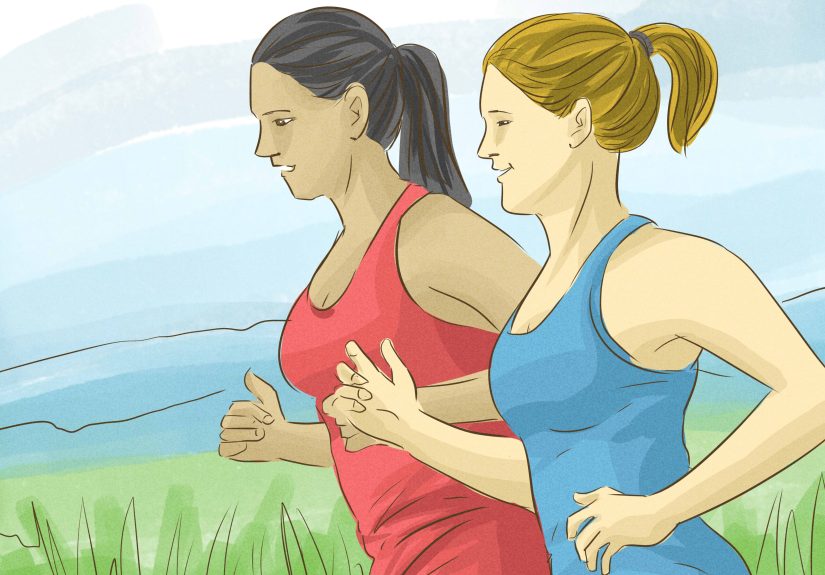
Cardio is useful, but it should support your routine instead of dominating it. Cycling, jogging, swimming, dancing, hiking, rowing, and group classes all count. Choose something you can repeat without dreading your own calendar.
A balanced week might include two strength workouts, two or three cardio sessions, and daily walking. That is more than enough for most people to build momentum.
A Simple Weekly Routine That Actually Works
If you want a practical starting point, here is a sample schedule:
- Monday: Full-body strength workout
- Tuesday: 30-minute brisk walk plus mobility
- Wednesday: Lower-body and core workout
- Thursday: Bike ride, swim, dance class, or easy jog
- Friday: Upper-body strength workout
- Saturday: Long walk, hike, or recreational activity
- Sunday: Rest, stretching, easy movement
This structure works because it is not trying to ruin your life. It gives you enough stimulus to improve, enough recovery to avoid burnout, and enough flexibility to still be a human being with errands, work, and the occasional random craving for tacos.
Eat in a Way That Supports Energy and Consistency
Let’s talk food. You do not need a starvation plan. You need meals that help you feel full, fueled, and less likely to dive face-first into snack cabinets at 10 p.m.
Build most meals around four anchors
A satisfying, balanced plate usually includes:
- Protein: chicken, fish, eggs, Greek yogurt, tofu, beans, cottage cheese, tempeh, lean beef
- Fiber-rich carbs: fruit, potatoes, oats, rice, beans, whole grains
- Produce: vegetables and fruit for volume, nutrients, and color
- Healthy fats: avocado, nuts, seeds, olive oil, nut butter
This kind of meal supports satiety and makes it easier to avoid the roller coaster of “I’m being so healthy” at noon and “Why am I eating cereal from a mug over the sink?” by night.
Prioritize protein without becoming weird about it
Protein helps with fullness and supports muscle repair, which matters if you are strength training. Try to include a quality protein source at each meal and most snacks. That could be eggs at breakfast, chicken or tofu at lunch, yogurt in the afternoon, and salmon, beans, or turkey at dinner.
You do not need a shaker bottle attached to your hand at all times. Real food works beautifully.
Do not fear carbohydrates
Carbs are not the villain in a beach movie montage. They help fuel workouts, support recovery, and make life less bleak. The key is choosing mostly higher-quality carbs and portions that fit your hunger and activity level.
Think oatmeal instead of frosting-covered pastries every morning. Think potatoes, rice, fruit, or whole-grain toast paired with protein instead of swinging between total restriction and accidental bakery tourism.
Watch liquid calories and mindless extras
One of the easiest ways to improve nutrition without feeling deprived is to be more aware of what you drink and what you nibble absentmindedly. Fancy coffee drinks, sugary sodas, nightly cocktails, and “just a few bites” while cooking can add up fast.
You do not need perfection. You just need awareness. Small, repeatable upgrades beat dramatic overhauls every time.
Hydration Helps More Than People Think
Feeling tired, puffy, headachy, sluggish, or snacky can sometimes be a hydration issue wearing a fake mustache. Drinking enough water supports performance, digestion, temperature regulation, and overall comfort, especially in hot weather.
A practical approach is to drink water regularly through the day, have some with meals, and increase intake around workouts or time in the sun. If plain water bores you to tears, add lemon, cucumber, mint, or use sparkling water.
Hydration is not glamorous, but neither is feeling wilted halfway through a beach day.
Sleep Is a Secret Weapon
People love to hunt for exotic fitness hacks while ignoring the fact that they are sleeping five hours a night and functioning on stress fumes. Sleep affects hunger, recovery, training quality, mood, and decision-making. Translation: if you are exhausted, everything feels harder.
When you sleep well, you are more likely to make balanced food choices, recover from workouts, manage stress, and show up consistently. When you do not, the whole routine feels like a personal insult.
Create a simple sleep routine: dim lights earlier, reduce late-night scrolling, keep your room cool, and aim for a consistent bedtime. Boring? Slightly. Effective? Extremely.
Manage Stress Before It Runs the Show
Stress can absolutely interfere with your progress. It can affect sleep, appetite, cravings, motivation, digestion, and recovery. It can also trick you into thinking the answer is to become more extreme, when what you actually need is to calm your nervous system down.
That does not mean you need to move into a candle shop and start speaking only in affirmations. It means adding basic stress-management habits that help your body function better. Walk outside. Stretch. Journal. Breathe deeply for a few minutes. Put your phone down earlier. Stop doom-scrolling before bed. Give your brain an off switch.
A calm body usually responds better than a chronically overwhelmed one.
Do the Small Things That Boost Confidence Fast
Not every improvement needs months of effort. Some things make you feel better almost immediately.
Stand up straighter
Posture changes how your body looks in seconds. Standing tall with your shoulders relaxed, ribs stacked, and core lightly engaged creates a stronger silhouette than slumping like a tired shrimp.
Wear a swimsuit that fits now
Do not wait until your body changes to buy something that feels good. A supportive, flattering swimsuit can improve comfort and confidence instantly. The right fit matters more than the number on the tag.
Take care of your skin
Healthy-looking skin contributes to that overall fresh, confident feeling. Use sunscreen, moisturize, and remember that painful sunburn is not a beauty strategy. It is just uncomfortable regret with shoulder straps.
What Not to Do
Sometimes the fastest way to make progress is to stop doing the things that sabotage it.
- Do not crash diet. Severe restriction often leads to fatigue, irritability, rebound overeating, and a miserable relationship with food.
- Do not overexercise. More is not always better. Too much training can increase soreness, exhaustion, and injury risk.
- Do not compare yourself nonstop. Social media is a highlight reel with strategic angles and suspiciously excellent lighting.
- Do not use shame as motivation. It may create urgency for a week, but it rarely builds a healthy routine.
- Do not expect instant transformation. Real progress is usually subtle at first, then obvious later.
How to Know Your Plan Is Working
Success is not only measured by a scale, and it definitely is not measured by whether your stomach behaves perfectly after one salty dinner. Look for broader signs:
- You feel stronger in workouts
- You recover faster
- You have better posture
- Your clothes fit more comfortably
- You have steadier energy
- You feel less obsessed with food
- You can enjoy the beach without mentally auditing your thighs every seven seconds
Those wins matter. In many cases, they matter more than a temporary drop on the scale.
The Real Secret: Confidence Comes From Repetition
Confidence is often treated like a magical personality trait bestowed upon a lucky few. In reality, it usually grows from evidence. When you keep promises to yourself, confidence builds. When you train regularly, nourish yourself well, sleep better, and take care of your body, you start to trust yourself more.
That trust shows up everywhere. In how you walk into a pool party. In how you stop sucking in your stomach every time someone grabs a camera. In how you enjoy summer instead of treating it like a full-time performance review.
So yes, you can absolutely work toward a stronger, leaner, more confident version of yourself. Just do it from a place of care, not criticism. The healthiest body transformations are usually the ones that improve your life while they improve your habits.
Experience and Real-Life Perspective
A lot of people start this journey thinking the answer will be dramatic. They imagine a total reset: strict meal plans, daily workouts, no sugar, no fun, and somehow no social life. Then real life arrives. Work gets busy. Sleep gets messy. A birthday dinner happens. The weather is rude. Suddenly the perfect plan collapses because it was never built for an actual human schedule.
What tends to work better is a quieter kind of consistency. For example, someone might begin with a simple promise to walk every morning for twenty minutes and do two strength sessions each week. At first, that can feel almost too easy. It does not look flashy enough to earn dramatic background music. But after a few weeks, energy improves. Mood improves. The body starts feeling more capable. Then better choices become easier because the person already feels invested.
Another common experience is discovering that food quality matters, but food fear does not help. Many people think getting “bikini ready” means cutting every carb in sight and living on salads the size of a napkin. In practice, that usually backfires. A more sustainable approach is eating satisfying meals with protein, fruit, vegetables, and smart carbs so hunger stays manageable. People often notice that when they stop bouncing between restriction and overeating, their body and mind both calm down.
Strength training also changes how people feel in a way the mirror cannot always capture right away. There is something confidence-building about carrying groceries more easily, standing taller, and realizing your body is doing more than simply being looked at. The mental shift can be huge. Instead of asking, “How do I make my body acceptable?” the question becomes, “How do I support this body so it feels good?” That is a much better place to build from.
Of course, there are frustrating moments too. Progress can feel invisible at first. Water retention happens. Motivation disappears for a week. A swimsuit fitting room may still try to humble you under terrible lighting. None of that means the process is failing. It usually means you are a person with hormones, stress, schedules, and a body that does not change on command.
Many people also report that the biggest difference is not reaching some mythical perfect shape. It is feeling less at war with themselves. They stop postponing beach days until they “fix” their body. They stop covering up out of panic. They take the trip, wear the swimsuit, swim in the ocean, laugh in the photos, and realize that enjoying life is a much better look than chasing impossible standards.
That is the experience worth aiming for. Not perfection. Not panic. Not punishment. Just a stronger body, steadier habits, and a more confident relationship with yourself. Ironically, that is often when people look their best too, because they are no longer trying so hard to earn permission to be seen.
Conclusion
If you want to feel amazing in a bikini, start by dropping the idea that your body has to pass some beauty exam first. Focus on the habits that actually move the needle: walk more, strength train consistently, eat balanced meals, stay hydrated, sleep enough, manage stress, and avoid extreme shortcuts that make you miserable.
The result is not just a better beach season. It is a stronger routine, a healthier mindset, and a body that feels supported instead of criticized. And that kind of confidence looks good in absolutely anything, including a bikini.