Table of Contents >> Show >> Hide
- Why Fish Can Be Tricky on a Gout Diet
- Fish You Should Limit First
- Fish That May Be Easier to Fit In
- How to Eat Fish Safely on a Gout Diet
- Best Ways to Cook Fish for Gout-Friendly Meals
- Food Safety: The Other Meaning of “Eat Fish Safely”
- What to Eat With Fish on a Gout Diet
- What to Do During a Gout Flare
- Common Mistakes People Make
- Final Takeaway
- Experiences From the Gout-and-Fish Learning Curve
If you have gout, fish can feel like a dietary plot twist. One minute you hear that seafood is healthy and full of heart-friendly omega-3s. The next minute somebody waves a low-purine list at you like it is a parking ticket from the universe. So what gives?
Here is the good news: a gout diet does not automatically mean “goodbye forever” to fish. In many cases, you can still enjoy fish on a gout diet if you choose the right types, keep portions sensible, pay attention to your flare patterns, and avoid turning every seafood dinner into a deep-fried, beer-washed festival of regret. That last part matters more than people think.
Gout happens when uric acid builds up and forms crystals in the joints, which can trigger painful inflammation. Foods high in purines can contribute to that uric acid load, and some seafood sits high on the purine ladder. But fish is also a valuable source of protein and nutrients, and completely avoiding it may be unnecessary for many people. The smart goal is not panic. The smart goal is strategy.
This guide explains how to eat fish safely on a gout diet without making your plate boring, your meals joyless, or your dinner decisions feel like a math test. We will cover which fish to limit, which options tend to be easier to fit into a gout-friendly eating plan, how to cook seafood safely, what to eat with it, and how real-life trial and error often shapes success.
Why Fish Can Be Tricky on a Gout Diet
The issue is not that fish is “bad.” The issue is that some fish and shellfish are higher in purines than others. When purines break down, the body produces uric acid. If your body already has trouble clearing uric acid efficiently, the wrong seafood choice can make trouble show up like an uninvited houseguest who also steals your left big toe.
That is why gout nutrition advice often warns people about certain seafood, especially anchovies, sardines, shellfish, scallops, mussels, and similar higher-purine choices. Some lists also flag trout, tuna, haddock, and cod more cautiously than many people expect. Translation: “fish” is not one giant category. Different types matter, and portion size matters too.
At the same time, fish still has real benefits. It can fit into a heart-healthy eating pattern, and that matters because gout often travels with other metabolic issues such as obesity, high blood pressure, insulin resistance, or kidney problems. In other words, your gout diet should not become so restrictive that it accidentally turns into a bacon-and-cheese rescue mission.
Fish You Should Limit First
If you are trying to eat fish safely on a gout diet, the easiest first move is to treat certain seafood as occasional foods, not everyday staples.
Seafood that often lands on the caution list
- Anchovies
- Sardines
- Shellfish
- Mussels
- Scallops
- Herring
- Crab, lobster, oysters, and shrimp in larger amounts
- Some other fish that may be listed more cautiously, such as trout or tuna
This does not mean one bite will automatically trigger a flare. It means these choices are more likely to push your uric acid intake higher, especially if they show up in large portions, in rich sauces, next to alcohol, or during a time when your gout is already poorly controlled.
A bowl of buttery shellfish pasta plus two beers plus dehydration is not “just dinner.” For someone with gout, it can be a full-scale scheduling conflict with tomorrow morning.
Fish That May Be Easier to Fit In
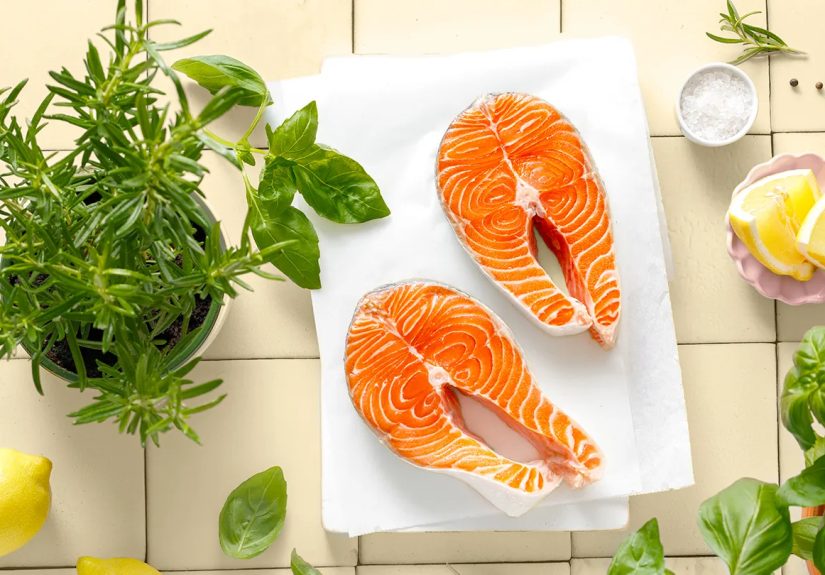
There is no universal “perfect fish for gout,” but many people do better with smaller, modest portions of fish that are not on the highest-purine lists. Flaky white fish such as tilapia or flounder is often a more practical starting point. Some people can also tolerate moderate portions of salmon, especially when the rest of the meal is light, low in sugar, and alcohol-free.
The key phrase here is starting point. Gout triggers vary from person to person. One person may handle a 3-ounce portion of salmon just fine, while another notices that even moderate seafood portions pile onto other triggers and cause problems. You are not failing the diet if your body needs a slightly different playbook. You are collecting useful data.
A good rule of thumb
Start with a 3-ounce cooked portion, not a restaurant-sized slab that looks like it could qualify for its own zip code. Eat it with low-purine sides, drink water with the meal, and avoid stacking multiple triggers together.
How to Eat Fish Safely on a Gout Diet
1. Keep portions modest
For many people with gout, fish works better in small, controlled servings than in giant “protein-first” meals. Think of fish as one part of the meal, not the entire event. A sensible portion can help you enjoy seafood without flooding your diet with more purines than necessary.
2. Avoid the “trigger combo meal”
Even a moderate fish choice can become a problem when combined with other common gout triggers. The classic danger stack includes:
- Beer or liquor
- Sugary soda
- Large portions of meat or shellfish
- Heavy sauces
- Dehydration
If you want fish to work for you, do not pair it with a parade of other things that also push uric acid in the wrong direction. Your joints prefer teamwork. Unfortunately, gout triggers also love teamwork.
3. Pair fish with low-purine foods
A fish meal is usually safer for gout when it includes foods that support a balanced eating pattern. Good side choices include:
- Brown rice or quinoa
- Roasted vegetables
- Green beans, broccoli, carrots, or zucchini
- Salad with olive oil and lemon
- Baked sweet potato
- Fruit for dessert instead of syrupy pastries or soda
Low-fat dairy may also help some people with gout. So if your fish dinner is followed by plain yogurt with berries instead of a sugar bomb the size of a flowerpot, that is usually a smarter move.
4. Hydrate like it matters, because it does
Hydration is one of the least glamorous and most useful gout habits. Water helps your body clear uric acid more effectively. If you are eating fish, especially at a restaurant or during travel, drink water before and during the meal. This is not as exciting as a fizzy cocktail, but your swollen joints are famously underwhelmed by excitement.
5. Watch your personal pattern
Food journals can be surprisingly helpful. If you notice that shellfish leads to trouble but a small portion of grilled tilapia does not, that pattern matters. If salmon only seems to cause issues when eaten with alcohol, that matters too. Gout often behaves less like a strict villain and more like a petty bureaucrat: annoying, inconsistent, and obsessed with combinations.
6. Do not treat diet as the only tool
A gout diet can help reduce flare risk, but it does not replace medical care. If you have frequent attacks, visible tophi, kidney stones, or chronically high uric acid, talk with your clinician. Food choices matter, but sometimes medication is still the main engine that gets gout under control. Diet is the helpful co-pilot, not always the pilot.
Best Ways to Cook Fish for Gout-Friendly Meals
How you cook fish matters almost as much as which fish you choose. A gently baked fillet with vegetables is a very different meal from battered fried fish with salty fries, sugary sauce, and two drinks that think they are innocent.
Better cooking methods
- Baking
- Broiling
- Grilling
- Poaching
- Pan-searing with a small amount of healthy oil
Methods to keep occasional
- Deep-frying
- Heavy cream sauces
- Sugary glazes
- Butter-loaded restaurant preparations
Season fish with lemon, herbs, black pepper, garlic, paprika, or a small amount of olive oil. These bring flavor without dragging in a pile of extra sugar, sodium, or saturated fat.
Food Safety: The Other Meaning of “Eat Fish Safely”
When people ask how to eat fish safely on a gout diet, they usually mean uric acid and flares. But literal food safety matters too. Nobody wants to avoid a gout attack and then lose a wrestling match with undercooked seafood.
Buy and store seafood carefully
- Keep seafood cold on the way home.
- Refrigerate it promptly.
- Keep your refrigerator at 40°F or below.
- Keep your freezer at 0°F or below.
- Do not leave fish sitting out for more than 2 hours, or 1 hour if it is very hot outside.
Cook it thoroughly
Most seafood should be cooked to an internal temperature of 145°F. If you do not have a thermometer, fish should look opaque and flake easily with a fork. Shellfish should be fully cooked, and unopened shells after cooking should be discarded.
Be careful with raw seafood
Raw or undercooked fish and shellfish can increase food poisoning risk. Sushi, sashimi, ceviche, and raw oysters may sound fancy, but foodborne illness is not. If you are trying to keep your body calm, inflamed joints and a stomach bug are a terrible double feature.
What to Eat With Fish on a Gout Diet
Building the full plate correctly can make fish easier to tolerate. The winning formula is simple: modest fish portion + plant-forward sides + water + no alcohol.
Good meal examples
- Grilled tilapia with quinoa, roasted broccoli, and lemon
- Baked flounder with brown rice and green beans
- A small salmon portion with a large salad and roasted sweet potato
- Fish tacos on corn tortillas with cabbage slaw, avocado, and plain yogurt-lime sauce
- Poached white fish over vegetable soup and whole-grain toast
These meals work because the fish is not doing all the nutritional heavy lifting alone. Fiber-rich vegetables, whole grains, and lower-sugar choices help keep the overall meal more balanced.
What to Do During a Gout Flare
If you are in the middle of an active flare, that is not the ideal time to experiment with shrimp platters or “all-you-can-eat seafood night.” During a flare, keep your meals simple, drink plenty of water, avoid alcohol, and lean into lower-purine basics. Some people temporarily reduce fish and rely more on eggs, low-fat dairy, tofu, beans, and plant-forward meals until symptoms calm down.
This is also the time to be extra honest about your trigger stack. A flare often feels mysterious until you remember the weekend included shellfish, beer, dessert, little water, and sleep that can only be described as “aspirational.”
Common Mistakes People Make
- Assuming all fish is healthy in unlimited amounts: healthy does not mean flare-proof.
- Thinking only shellfish matters: some non-shellfish options can still be more purine-dense than expected.
- Skipping water: dehydration and gout are not friends.
- Focusing only on fish: beer, sugary drinks, organ meats, and oversized portions can matter just as much.
- Using restaurant portions as a guide: restaurants are in the business of excitement, not restraint.
- Forgetting food safety: raw or poorly stored seafood is risky even if the portion is tiny.
Final Takeaway
You do not need to treat fish as forbidden forever just because you have gout. The smarter approach is to choose fish strategically, keep portions reasonable, avoid the highest-purine seafood most of the time, and pay attention to how your body responds. Pair fish with vegetables, whole grains, low-fat dairy, and water instead of alcohol and sugary extras. Cook seafood safely, store it properly, and skip the raw-seafood gamble if you want the lowest-risk option.
The best gout diet is not the one that sounds the toughest online. It is the one you can actually follow, the one that helps keep flares down, and the one that still lets dinner feel like dinner instead of punishment. Your plate should support your joints, not audition for villain status.
Experiences From the Gout-and-Fish Learning Curve
The most common experience people report when trying to eat fish safely on a gout diet is simple: they start out confused. They hear that fish is healthy, then they read that seafood can raise uric acid, and suddenly dinner feels like a pop quiz no one studied for. In real life, many people discover that the answer is not “always yes” or “always no.” It is usually “it depends on the type, the portion, and what else came with it.”
One very typical pattern is that people do fine with a small baked fish meal at home but run into trouble with restaurant seafood. The home version might be 3 ounces of tilapia, roasted vegetables, and water. The restaurant version is often a mountain of fried shrimp, salty sides, a buttery sauce, and a drink or two. Same general category, wildly different outcome. Many people think the fish alone caused the problem, when really it was the entire meal doing synchronized damage.
Another common experience is learning that “moderation” is annoyingly real. Someone may tolerate a small salmon portion once a week with no issue, then assume that means four large seafood meals in one weekend is also fine. Their joints then submit a formal complaint. Gout has a way of teaching portion control with all the kindness of a car alarm at 3 a.m. Once people start spacing seafood out and keeping servings modest, they often realize their diet becomes much easier to manage.
People also frequently notice that hydration changes everything. A fish meal on a well-hydrated day may go smoothly, while the same meal during travel, summer heat, or a long busy workday feels very different. That experience can be eye-opening because it proves that gout triggers are often cumulative. Fish might not be the only actor on stage. Dehydration, alcohol, sugary drinks, poor sleep, and overdoing rich foods can all join the cast.
There is also the emotional side of the experience. Many people feel frustrated when a “healthy” food still needs limits. That is understandable. It can feel unfair to be told that fish has benefits and cautions at the same time. But once people stop looking for a perfect food and start looking for a workable pattern, things usually get easier. Instead of asking, “Can I ever eat fish again?” the question becomes, “Which fish, how much, how often, and in what kind of meal works best for me?” That is a much more useful question.
Some people find success with a personal rule system. For example: no shellfish during a flare, no seafood with beer, no oversized portions, and always water with dinner. Others keep a short list of “usually okay” meals, like baked flounder with vegetables or grilled fish tacos without sugary sauces. These routines reduce decision fatigue, which is helpful because nobody wants to stand in a grocery aisle debating salmon versus tilapia like it is a courtroom drama.
Over time, the experience many people describe is not perfection. It is confidence. They learn their trigger combinations, they stop fearing every fish fillet, and they get better at building meals that support both heart health and gout control. That is the sweet spot: not food fear, not food chaos, just a smarter and calmer way to eat.