Table of Contents >> Show >> Hide
- What Is Dip Dye Hair?
- Before You Start: A Few Safety Rules That Matter
- How to Dip Dye Hair: 14 Steps
- Step 1: Choose Your Dip Dye Look
- Step 2: Pick the Right Hair Color
- Step 3: Gather Your Supplies
- Step 4: Read the Instructions Twice
- Step 5: Do a Patch Test and Strand Test
- Step 6: Start With Dry, Detangled Hair
- Step 7: Section Your Hair
- Step 8: Protect Your Skin and Clothes
- Step 9: Lighten the Ends If Needed
- Step 10: Apply the Dip Dye Color
- Step 11: Wrap and Process
- Step 12: Rinse Carefully
- Step 13: Dry and Check the Result
- Step 14: Maintain Your Dip Dyed Hair
- Best Dip Dye Hair Ideas by Hair Color
- Common Dip Dye Mistakes to Avoid
- How Long Does Dip Dye Hair Last?
- When Should You See a Professional?
- Personal Experience Tips: What Dip Dye Hair Teaches You in Real Life
- Conclusion
Dip dye hair is the beauty equivalent of putting a neon sign on your ends and saying, “Yes, I make excellent life choices.” It is bold, customizable, and much less intimidating than coloring your entire head. Whether you want electric blue tips, soft caramel ends, pastel pink, cherry red, or a subtle sun-kissed finish, learning how to dip dye hair at home can help you create a fresh look without committing your whole personality to a box of hair color.
The dip dye technique focuses color on the ends of your hair, usually with a more noticeable line than ombré or balayage. Ombré blends gradually from dark to light. Balayage is hand-painted for a soft, natural effect. Dip dye, on the other hand, says, “I meant to do this,” and says it loudly. The good news? With the right prep, tools, timing, and aftercare, you can get a clean, fun result without turning your bathroom into a crime scene for blueberries.
This step-by-step guide explains how to dip dye hair safely, how to choose the right color, when bleaching may be necessary, how to avoid uneven ends, and how to keep your new color looking bright for longer.
What Is Dip Dye Hair?
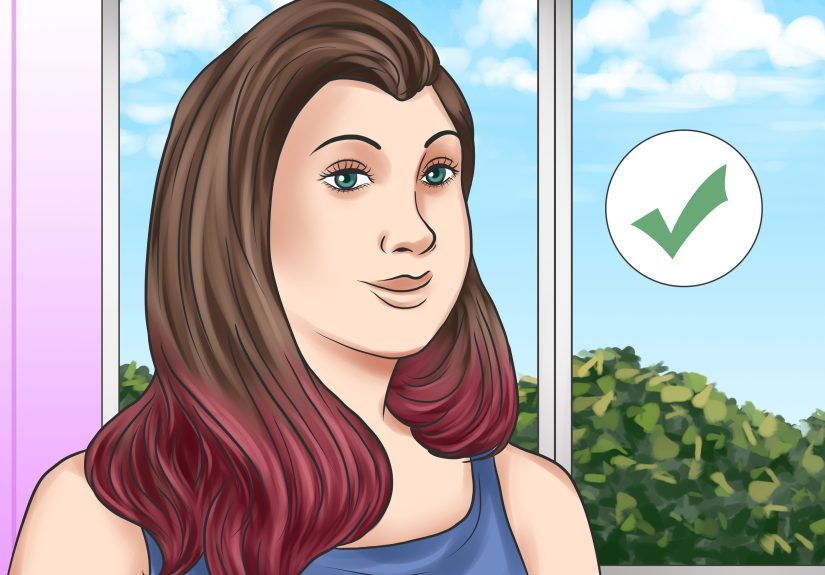
Dip dye hair is a coloring method where only the lower section of the hair is dyed. The colored area can start at the last inch, the lower third, or even halfway down the hair, depending on how dramatic you want the look. Unlike soft ombré hair, dip dyed ends often have a stronger contrast between your natural shade and the dyed portion.
This style works on straight, wavy, curly, and coily hair. It can be playful, elegant, edgy, or surprisingly subtle. Blonde hair can take bright colors easily, while dark brown or black hair may need pre-lightening before vivid shades show up clearly. That does not mean everyone needs bleach, though. If you want a dark red, deep purple, espresso brown, or warm copper effect, you may be able to use dye directly, depending on your starting color.
Before You Start: A Few Safety Rules That Matter
Hair dye is fun, but it is still chemistry wearing cute packaging. Always read the instructions that come with your product, wear gloves, and never leave bleach or dye on longer than recommended. Do a patch test before using hair dye, even if you have colored your hair before. Allergic reactions can happen unexpectedly, and your scalp is not the place to discover that your skin has strong opinions.
A strand test is also smart. This means applying the color to a small hidden piece of hair first to see how it lifts, processes, and looks when dry. A strand test can save you from surprises like “pastel lavender” becoming “muddy mystery gray” or “soft copper” becoming “traffic cone, but emotional.”
If your hair is already damaged, breaking, freshly relaxed, permed, or recently bleached, pause before adding more chemicals. When in doubt, ask a professional colorist. Healthy hair holds color better, looks shinier, and is less likely to throw a dramatic tantrum in your brush.
How to Dip Dye Hair: 14 Steps
Step 1: Choose Your Dip Dye Look
Start by deciding how bold you want the result to be. Do you want just the last two inches colored, or do you want the shade to begin around your chin, shoulders, or collarbone? For a beginner-friendly look, dye only the lower few inches. It is easier to apply, easier to fix, and easier to trim off later if you decide your turquoise era has come to a peaceful end.
Also decide whether you want a sharp line or a softer transition. A sharp dip dye gives a graphic, fashion-forward look. A blended dip dye looks more relaxed and beachy. Both are beautiful; one just looks like it drinks iced coffee from a glass cup.
Step 2: Pick the Right Hair Color
Your starting hair color matters. Light blonde hair can show pastels, brights, and fantasy shades with little effort. Medium brown hair may show rich reds, burgundy, copper, plum, or dark blue. Very dark hair usually needs bleaching first if you want vivid pink, teal, silver, lavender, or bright green.
For a lower-maintenance style, choose a color that fades nicely. Pink often fades softer. Purple may fade smoky or silvery depending on the base. Blue can sometimes fade greenish on yellow-toned blonde hair. Red is bold but can wash out quickly. If you want a natural dip dye, try honey blonde, caramel, chestnut, auburn, or chocolate brown.
Step 3: Gather Your Supplies
Before opening any dye, gather everything you need. You will want hair dye or lightener, developer if required, gloves, a tint brush, plastic bowl, hair clips, elastics, foil or plastic wrap, an old towel, petroleum jelly or barrier cream, a wide-tooth comb, timer, shampoo for color-treated hair, conditioner, and a shirt you are emotionally prepared to lose.
Do not use metal bowls or metal tools with bleach. Use plastic or glass instead. Also protect your sink, counter, and floor. Hair dye has the survival instinct of a raccoon in a grocery store; once it lands somewhere, it may not leave politely.
Step 4: Read the Instructions Twice
Every hair color product has its own mixing ratio, timing, and application rules. Some dyes go on dry hair. Some work better on damp hair. Some vivid semi-permanent colors do not require developer. Bleach kits often require careful mixing and exact timing. Read the directions once like a responsible adult, then read them again like someone who has seen what purple dye can do to white tile.
Pay special attention to processing time, allergy warnings, rinsing instructions, and whether the product is safe for your hair type. Never mix random products together unless the instructions specifically tell you to.
Step 5: Do a Patch Test and Strand Test
A patch test checks for skin sensitivity. Follow the product instructions carefully, usually by applying a tiny amount of mixed dye to a small area of skin and waiting the recommended time. If you notice irritation, redness, swelling, itching, burning, or a rash, do not use the product.
A strand test checks the color result. Choose a hidden strand near the underside of your hair, apply the dye or lightener, process according to the instructions, rinse, dry, and inspect it in natural light. This tells you whether the color is strong enough, whether your ends can handle the formula, and how long the product needs to sit.
Step 6: Start With Dry, Detangled Hair
Most dip dye methods work best on dry, detangled hair unless your product says otherwise. Brush or comb gently so the ends are smooth and easy to section. Knots can cause patchy application because dye cannot coat tangled hair evenly.
Try not to wash your hair immediately before dyeing unless the product requires clean hair. Natural oils can help protect the scalp, although dip dye usually stays away from the roots. Avoid heavy styling creams, oils, gels, or dry shampoo buildup on the ends because they can block color from absorbing evenly.
Step 7: Section Your Hair
Divide your hair into manageable sections. For thin or medium hair, four sections may be enough: two in front and two in back. For thick, curly, or long hair, create more sections so each piece is easy to control. Secure each section with an elastic at the point where you want the color to begin.
Make sure both sides are even before applying dye. Look in two mirrors if possible, or ask a trusted friend to check the back. Dip dye is supposed to look intentional, not like you lost a fight with a paint roller.
Step 8: Protect Your Skin and Clothes
Apply a little petroleum jelly or barrier cream around areas where dye may touch your skin, such as your neck, ears, and hairline. Put an old towel over your shoulders and wear gloves before touching the dye. Even if you are only coloring the ends, dye has a magical way of reaching elbows, doorknobs, and one mysterious spot on your ankle.
Keep paper towels nearby for quick cleanup. If dye gets on your skin, wipe it off right away. The sooner you remove it, the less likely it is to stain.
Step 9: Lighten the Ends If Needed
If your chosen color is much lighter or brighter than your natural hair, you may need to bleach the ends first. Apply lightener only to the area you want colored, starting at the tips and working upward. Saturate the hair evenly, but do not overload it until it drips. Wrap sections in foil if your kit recommends it, and check the color regularly.
Do not chase platinum blonde in one session if your hair is dark. That is how hair gets stressed, dry, or fragile. For dark hair, lifting gradually is safer. If your ends feel gummy, stretchy, or unusually weak after lightening, rinse immediately and do not apply more chemical color that day.
Step 10: Apply the Dip Dye Color
Once your hair is ready, apply the dye to the ends using a tint brush or gloved fingers. Start at the tips, where you want the strongest color, then work upward toward the elastic. Make sure every strand is coated on both sides. Flip each section and check underneath, especially if you have thick hair.
For a softer transition, use the brush vertically and feather the dye upward in small strokes. You can also gently rub the color at the top edge with gloved fingers to blur the line. For a bold dip dye, keep the application line cleaner and more defined.
Step 11: Wrap and Process
Wrap each dyed section in foil or plastic wrap if recommended by your product. This keeps the dye from transferring to other hair and helps maintain neat sections. Set a timer for the processing time listed in the instructions.
Do not guess the time. Do not “just add ten more minutes for luck.” Hair color is not pasta sauce. More time does not always mean better results, and leaving dye or bleach on too long can cause dryness, breakage, or unwanted tones.
Step 12: Rinse Carefully
When time is up, rinse the colored ends with cool or lukewarm water until the water runs mostly clear. Try to keep the dyed sections separate from the rest of your hair at first, especially with bright colors, to reduce staining. Avoid hot water because it can encourage color to fade faster.
Use the conditioner included in your kit or a color-safe conditioner. Be gentle. Your ends have just been through a makeover montage, and they deserve a soft landing.
Step 13: Dry and Check the Result
Gently squeeze out water with a towel you do not mind staining. Let your hair air dry if possible, or use a blow dryer on a low heat setting. Once your hair is dry, check the color in natural light. Wet hair often looks darker, so wait until it is fully dry before judging the final shade.
If the color looks uneven, do not panic. Minor patchiness can sometimes be fixed with a second careful application of semi-permanent color. If the issue is from uneven bleaching or major banding, it may be best to visit a professional.
Step 14: Maintain Your Dip Dyed Hair
Use shampoo and conditioner made for color-treated hair. Wash less often if your hair type allows, rinse with cooler water, and avoid excessive heat styling. Heat, harsh shampoos, chlorine, and sun exposure can fade color faster. A weekly deep-conditioning mask can help keep the ends soft and shiny.
Bright dip dye colors may need refreshing every few weeks. Natural shades usually last longer but may still become warm, brassy, or dull over time. If your ends were bleached, use moisturizing products regularly and trim split ends when needed.
Best Dip Dye Hair Ideas by Hair Color
For Blonde Hair
Blonde hair is the easiest base for pastel and vivid colors. Try rose gold, lavender, peach, mint, baby blue, coral, or hot pink. If your blonde is very yellow, purple and blue shades may turn unexpected tones, so a strand test is especially helpful.
For Brown Hair
Brown hair looks beautiful with caramel, copper, burgundy, plum, navy, emerald, or chocolate-dipped ends. For bright fantasy shades, pre-lightening may be needed. If you want a soft look, warm honey or cinnamon tips can add dimension without shouting across the room.
For Black Hair
Black hair pairs well with deep red, wine, dark violet, midnight blue, or smoky silver if the ends are lifted first. Because black hair often requires more lightening for vivid color, consider professional help if you want pastel or platinum-based dip dye.
For Curly and Coily Hair
Curly and coily textures can look stunning with dip dyed ends because the color catches movement and shape. Work in smaller sections, fully saturate each curl, and keep hair moisturized before and after coloring. Since textured hair can be more prone to dryness, be cautious with bleach and prioritize conditioning treatments.
Common Dip Dye Mistakes to Avoid
The first common mistake is skipping the strand test. It feels optional until your “soft raspberry” ends look like barbecue sauce. The second mistake is applying too little product. Dip dye needs saturation. If the dye only sits on the surface, the final color may look patchy.
Another mistake is starting the color too high. Remember, wet hair stretches and looks longer. If you are unsure, begin lower. You can always add more color higher up later, but you cannot un-dye your cheekbones. Also avoid washing with hot water, heat styling immediately after dyeing, or using clarifying shampoo unless you are trying to fade the color.
How Long Does Dip Dye Hair Last?
The answer depends on the type of dye, your hair porosity, your starting shade, and your washing habits. Semi-permanent bright colors may last a few washes to several weeks. Permanent natural shades can last longer but may fade or change tone over time. Bleached ends remain lightened until they grow out or are cut off, even if the fashion color fades.
To extend your color, wash with cool water, use sulfate-free or color-safe products, protect your hair from heat, and refresh the ends with a color-depositing conditioner when needed. Treat the ends kindly. They are the oldest part of your hair and have seen things.
When Should You See a Professional?
DIY dip dye works best when the change is simple, the hair is healthy, and the desired result does not require major lightening. See a professional if your hair is very dark and you want pastel ends, if your hair is already damaged, if you have previous permanent color or henna, or if you want a complex multi-color blend.
A colorist can help prevent uneven lifting, harsh bands, breakage, and unwanted tones. Professional help may cost more upfront, but so does repairing a home experiment that ends with three hats and a nervous laugh.
Personal Experience Tips: What Dip Dye Hair Teaches You in Real Life
After helping with and studying plenty of at-home color routines, the biggest lesson is simple: dip dye hair rewards patience. The people who get the best results are not necessarily the most artistic. They are the ones who prepare everything before they start, section carefully, follow the timer, and resist the urge to freestyle with bleach like they are painting a garage door.
One practical experience tip is to start smaller than you think. If you imagine dyeing six inches of hair, begin with three or four. Once the color is dry, you can decide whether to go higher. This matters because dip dye changes the visual balance of your haircut. On long hair, higher color can look dramatic and stylish. On shoulder-length hair, the same placement may look like half your head changed teams overnight.
Another real-world lesson is that lighting lies. Bathroom lighting can make blue look black, pink look red, and blonde look like a tax document. Always check your strand test and final color near a window or in natural daylight. If you choose a fashion shade, expect it to shift. Pink may fade into cotton candy. Purple may soften into lilac or silver. Blue can become teal, especially over yellow-blonde hair. This is not always bad; sometimes the fade-out shade is even prettier than the original.
For beginners, a semi-permanent dye is often the friendliest option. It gives you room to experiment without the same level of commitment as permanent color. However, semi-permanent does not mean “gone by Monday.” Porous or bleached ends can hold pigment stubbornly, especially blues, greens, and reds. If your school, job, or family event requires natural hair next week, choose carefully. Hair dye has a calendar, and it does not care about your cousin’s wedding photos.
Texture also changes the experience. Straight hair shows the placement line more clearly, so precision matters. Wavy hair is forgiving and makes blended ends look effortless. Curly and coily hair can make color look dimensional and lively, but it also needs more moisture. If your curls feel dry before dyeing, deep condition first and consider skipping bleach unless your hair is strong enough for it.
A friend can be incredibly helpful, especially for the back sections. Even a very honest friend who says, “The left side is higher, bestie,” is better than discovering it later in a store window. If you are doing it alone, use two mirrors, take your time, and check the underside of each section. Most patchy dip dye results happen because the visible top layer got attention while the hidden inner layer was left looking confused.
Finally, aftercare is not optional. The color may be the exciting part, but conditioning is what keeps the style looking intentional instead of crispy. Use a color-safe routine, limit hot tools, and trim the ends when they get rough. Dip dye hair is fun because it lets you play with color without changing your entire look. Treat it as a creative experiment, follow the steps, and your ends can have their main-character moment without causing a bathroom emergency.
Conclusion
Dip dye hair is one of the easiest ways to experiment with color while keeping most of your natural shade intact. The key is preparation: choose the right shade, test first, section neatly, apply enough product, follow the timer, rinse gently, and care for your ends afterward. Whether you go for subtle caramel tips or bright pink ends that can be seen from space, the best dip dye results come from patience, safety, and a little bit of bathroom bravery.