Table of Contents >> Show >> Hide
- What Is Pancreatitis in Dogs?
- Tip 1: Create a Quiet, Cozy Recovery Zone
- Tip 2: Follow the Vet’s Pain and Nausea Plan Exactly
- Tip 3: Feed Small, Vet-Approved Low-Fat Meals
- Tip 4: Monitor Hydration, Comfort, and Red Flags
- What Not to Do When Comforting a Dog with Pancreatitis
- How Long Does Recovery Take?
- Experience-Based Comfort Tips for Dog Parents
- Conclusion: Comfort Is Calm, Careful, and Vet-Guided
When your dog has pancreatitis, comfort becomes a full-time job. One minute your pup is giving you the “I deserve a snack” stare, and the next they are refusing food, looking tired, vomiting, or curling up like their belly has filed an official complaint. Pancreatitis in dogs can be painful, unpredictable, and scary for pet parents, especially because dogs are not exactly famous for calmly explaining their symptoms over coffee.
The good news: while pancreatitis always deserves veterinary attention, there are gentle, practical ways to help your dog feel safer and more comfortable during recovery. The key is knowing what helps, what can make things worse, and when “let’s monitor this” should become “call the vet now.”
This guide explains how to comfort a dog with pancreatitis using four expert-backed tips: creating a calm recovery space, supporting hydration and nausea control, feeding the right low-fat diet, and monitoring pain or warning signs. Think of it as a comfort plan for your dog’s pancreasminus the complicated medical textbook energy.
What Is Pancreatitis in Dogs?
Pancreatitis means inflammation of the pancreas, a small but important organ near the stomach and small intestine. The pancreas helps digest food and regulate blood sugar. When it becomes inflamed, digestive enzymes may activate too early, irritating the pancreas and nearby tissues. That irritation can lead to pain, vomiting, poor appetite, diarrhea, dehydration, and low energy.
Dog pancreatitis can be acute, meaning it comes on suddenly, or chronic, meaning it returns or lingers over time. Some dogs have a mild episode and recover with supportive care. Others become seriously ill and need hospitalization, IV fluids, pain medication, anti-nausea medication, and close monitoring.
Common Signs of Pancreatitis in Dogs
Symptoms can vary, but many dogs with pancreatitis show some combination of:
- Vomiting or repeated nausea
- Loss of appetite
- Lethargy or unusual tiredness
- Abdominal pain or a tense belly
- Diarrhea
- Dehydration
- Hunched posture or “prayer position”
- Restlessness, trembling, or hiding
- Fever in some cases
Because these symptoms can also appear with other serious illnesses, pancreatitis should not be treated as a guessing game. If your dog is vomiting repeatedly, refusing food, acting weak, showing belly pain, or collapsing, contact a veterinarian immediately.
Tip 1: Create a Quiet, Cozy Recovery Zone
A dog with pancreatitis often feels nauseated, sore, tired, and generally offended by the entire concept of digestion. Comfort starts with reducing stress. Set up a calm recovery area where your dog can rest without loud noise, constant foot traffic, playful pets, or enthusiastic toddlers asking, “Is he better now?” every 11 seconds.
Choose a soft bed in a warm, quiet room. Keep water nearby, but do not force your dog to drink. If your dog prefers a crate, leave the door open if it is safe. If they prefer a favorite blanket, use it. Familiar smells are comforting, and dogs are experts at turning one old blanket into a five-star wellness retreat.
Make Movement Easy
Dogs with abdominal pain may not want to jump, climb stairs, or stretch. Place their bed on the floor, not on a sofa or elevated surface. Use rugs or mats if your floors are slippery. Keep potty breaks short and calm. A slow leash walk to the yard is fine if your vet allows it; a neighborhood adventure tour is not.
Avoid rough play, long walks, and excitement during recovery. Pancreatitis is not the moment for fetch marathons, dog park visits, or “just one little zoomie.” Rest helps the body heal, and your dog’s pancreas does not need a cardio challenge.
Use Gentle Touch, Not Pressure
Many dogs enjoy gentle petting, but abdominal pain can make them sensitive. Stroke your dog’s head, neck, shoulders, or back if they seem to like it. Avoid pressing on the belly. If your dog moves away, growls, flinches, pants, trembles, or looks uncomfortable, give them space. Comfort should feel like support, not a surprise inspection.
Tip 2: Follow the Vet’s Pain and Nausea Plan Exactly
Pain control is one of the most important parts of comforting a dog with pancreatitis. This condition can hurta lot. Dogs may hide pain by becoming quiet, restless, clingy, or unusually still. Some pant, tremble, stand with an arched back, or refuse to lie normally.
Your veterinarian may prescribe medication for pain, nausea, vomiting, appetite support, or other needs based on your dog’s exam and test results. Give medications exactly as directed. Do not stop early because your dog “looks better,” and do not double up because your dog “looks worse.” Medication math should not be freestyle jazz.
Never Give Human Pain Medicine Unless Your Vet Says So
This is a big one. Human medications such as ibuprofen, naproxen, acetaminophen, or aspirin can be dangerous or toxic to dogs, especially when the digestive system is already stressed. Even medications that seem harmless can worsen stomach irritation, affect the liver or kidneys, or interact with veterinary prescriptions.
If your dog still seems painful while taking prescribed medication, call your vet. There may be safer options or a need for reassessment. A dog who cannot get comfortable, keeps crying, has a hard belly, collapses, or continues vomiting needs prompt veterinary care.
Watch for Nausea Clues
Dogs do not always vomit when they feel nauseated. Some lick their lips, drool, swallow repeatedly, turn away from food, eat grass, burp, or hover near the food bowl with tragic theater-level disappointment. If your dog acts hungry but then backs away from food, nausea may be the problem.
Anti-nausea medication can make a major difference in comfort and appetite, but it should come from your veterinarian. Once nausea is controlled, many dogs are more willing to drink, eat small meals, and rest.
Tip 3: Feed Small, Vet-Approved Low-Fat Meals
Diet is one of the biggest long-term factors in managing pancreatitis in dogs. High-fat foods can worsen symptoms or trigger flare-ups in some dogs. That means bacon, sausage, buttery leftovers, fried foods, rich treats, cheese-heavy snacks, fatty meat trimmings, and “just a tiny bite” holiday foods should be off the menu.
Your veterinarian may recommend a prescription low-fat gastrointestinal diet, a carefully selected over-the-counter low-fat food, or a temporary bland diet depending on your dog’s condition. Some dogs need a low-fat diet for a short recovery period. Others, especially dogs with chronic pancreatitis or high blood fat levels, may need long-term fat restriction.
Small Meals Are Usually Easier
Instead of one large meal, your vet may suggest smaller, more frequent meals. Small portions can be gentler on the digestive system and easier for a nauseated dog to tolerate. For example, a dog who normally eats twice daily may temporarily do better with three to four small meals, depending on veterinary instructions.
Keep meals plain and consistent. Sudden food changes can upset the stomach, so transition only as your vet recommends. If your dog refuses the recommended food, do not panic and do not immediately open the royal buffet of random options. Call your vet and ask how to improve acceptance safely.
Do Not Force Food
A dog recovering from pancreatitis needs nutrition, but force-feeding can backfire if the dog is nauseated, painful, or at risk of vomiting. If your dog will not eat, call your veterinarian. Some dogs need appetite support, anti-nausea medication, fluid therapy, or, in more serious cases, assisted feeding.
If your vet approves a bland temporary meal, it may include low-fat, easy-to-digest ingredients. However, home-prepared diets are not automatically complete and balanced for long-term feeding. Use them only under veterinary guidance. Your dog’s pancreas does not need a Pinterest experiment called “Chicken Surprise: Medical Edition.”
Choose Treats Carefully
Treats can be emotionally important, especially when your dog has mastered the art of looking betrayed. But many treats are high in fat. Ask your vet which treats are safe. In some cases, pieces of the approved low-fat kibble, tiny portions of low-fat prescription treats, or vet-approved vegetables may be better options.
Everyone in the house should follow the same rule: no table scraps. A dog with pancreatitis does not care that Grandpa “only gave one little bite.” The pancreas keeps receipts.
Tip 4: Monitor Hydration, Comfort, and Red Flags
Comforting a dog with pancreatitis also means watching for changes. Your dog may seem better in the morning and worse by evening. Keep a simple recovery log with meal times, water intake, vomiting, diarrhea, medication times, energy level, and pain signs. This gives your vet useful information and prevents the classic household mystery: “Wait, did anyone give the 2 p.m. pill?”
Check Hydration Gently
Vomiting and diarrhea can cause dehydration. Signs may include dry or sticky gums, sunken-looking eyes, weakness, heavy panting, or reduced urination. Some dogs drink more when nauseated, then vomit the water back up. Others barely drink at all.
Encourage water by keeping fresh bowls nearby. Some dogs prefer a water fountain, ice chips, or small amounts offered frequently, but ask your vet before changing the plan. If your dog cannot keep water down or seems weak, contact a veterinarian right away.
Know When Pancreatitis Is an Emergency
Call your veterinarian or an emergency clinic immediately if your dog has repeated vomiting, severe diarrhea, collapse, extreme lethargy, pale gums, a swollen or painful belly, breathing difficulty, signs of shock, yellow gums or eyes, or refusal to eat and drink for an extended period. Severe pancreatitis can become dangerous quickly, and waiting too long can make treatment harder.
It is always better to call and be told, “Monitor at home,” than to wait and wish you had called sooner. Veterinarians are used to worried pet parents. It is practically part of the job description, right after “own many lint rollers.”
What Not to Do When Comforting a Dog with Pancreatitis
Good intentions can sometimes cause trouble. Avoid these common mistakes:
- Do not give fatty foods to tempt appetite.
- Do not give human medications without veterinary approval.
- Do not force-feed a vomiting or nauseated dog.
- Do not assume mild symptoms cannot worsen.
- Do not allow family members to sneak treats.
- Do not delay care if your dog seems painful or weak.
Comfort is not about doing everything possible. It is about doing the right things calmly and consistently.
How Long Does Recovery Take?
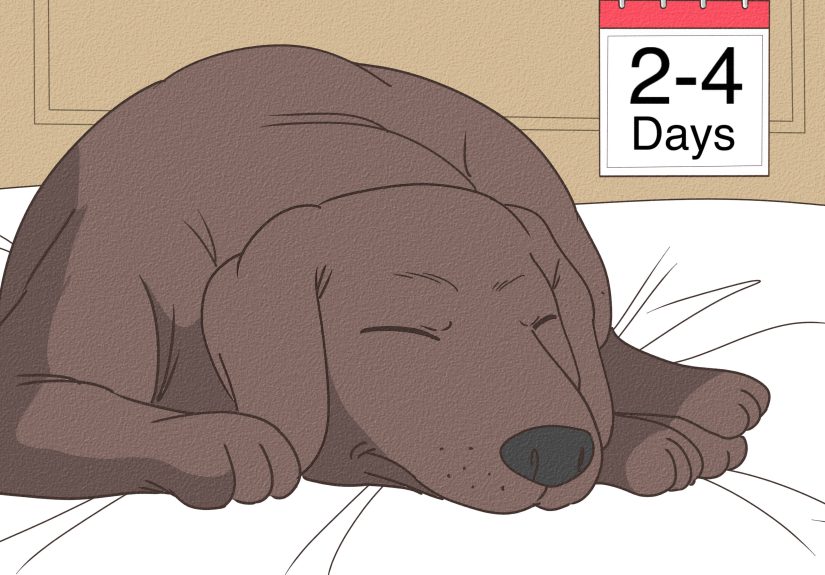
Recovery time depends on the severity of the pancreatitis, your dog’s age, other health conditions, and how quickly treatment begins. Mild cases may improve within a few days with veterinary care, medication, rest, and diet changes. More serious cases may require hospitalization and longer recovery.
Chronic pancreatitis can require ongoing management. That may include a long-term low-fat diet, regular checkups, weight control, avoiding dietary triggers, and monitoring for flare-ups. Dogs with conditions such as diabetes, Cushing’s disease, obesity, or high triglycerides may need extra care because these issues can complicate pancreatic health.
Experience-Based Comfort Tips for Dog Parents
In real-life caregiving, one of the first things many dog parents notice is how emotionally difficult pancreatitis can be. Dogs who normally dance for dinner may suddenly sniff the bowl and walk away. A playful pup may become quiet, clingy, or withdrawn. That change can make owners feel helpless, but small acts of steady care matter.
A helpful experience-based approach is to build a calm routine around medication, meals, potty breaks, and rest. Dogs often feel more secure when the day becomes predictable. For example, offer medication at the same times, keep meals small and quiet, and use a gentle voice instead of worried hovering. Dogs are excellent emotional detectives. If the whole house acts like a medical drama finale, your dog may feel more anxious.
Another common lesson is that appetite recovery is rarely perfectly smooth. A dog may eat breakfast but refuse dinner, or accept one approved food for two days and then look at it as if it personally insulted their ancestors. Instead of switching foods repeatedly, contact the vet. Sometimes nausea control needs adjustment. Sometimes warming food slightly, adding a vet-approved topper, or offering smaller portions can help. The important part is staying inside the safe, low-fat plan.
Many owners also learn that “no table scraps” sounds simple until the dog deploys the eyes. The eyes are powerful. The eyes have ended diets, changed dinner plans, and caused entire households to crumble. But with pancreatitis, consistency is kindness. A tiny piece of fatty food can undo progress for sensitive dogs. Put a note on the fridge if needed: “Do not feed the patient. He has a pancreas and a legal team.”
Comfort also includes protecting your dog from too much excitement. Visitors may want to greet them. Other pets may want to play. Children may want to cuddle. During recovery, calm is better. Short, gentle visits are fine if your dog enjoys them, but rest should win. A baby gate, closed bedroom door, or quiet crate can help your dog relax without feeling isolated.
Finally, tracking symptoms can reduce stress for both you and your veterinarian. Write down when your dog eats, drinks, vomits, has diarrhea, takes medication, or seems painful. You do not need a fancy spreadsheet unless spreadsheets bring you joy. A notebook or phone note works. Clear details help your vet decide whether recovery is on track or whether the treatment plan needs adjustment.
Conclusion: Comfort Is Calm, Careful, and Vet-Guided
Learning how to comfort a dog with pancreatitis starts with understanding that this is a medical condition, not a simple upset stomach. Your dog may need pain control, nausea medication, low-fat nutrition, hydration support, and careful monitoring. At home, your best tools are calm energy, a quiet resting space, vet-approved meals, consistent medication, and fast action if symptoms worsen.
Pancreatitis can feel overwhelming, but many dogs improve with the right care. Keep the recovery plan simple: comfort the dog, protect the pancreas, skip the fatty snacks, and call your veterinarian when something feels off. Your dog may not understand the science, but they will understand your steady presence, soft voice, and commitment to helping them feel safe.
Note: This article is for educational purposes only and is not a substitute for diagnosis or treatment from a licensed veterinarian. If your dog shows signs of pancreatitis or symptoms are worsening, contact your veterinary team promptly.