Table of Contents >> Show >> Hide
- First, Identify What You’re Cleaning (Because Chemistry Has Opinions)
- What You’ll Need
- The 4 Steps to Clean Battery Corrosion
- When Cleaning Isn’t Enough (And You Should Replace Something)
- Disposal and Cleanup (Do This Part Like a Responsible Adult)
- FAQ
- Common Experiences That Teach You to Respect Battery Corrosion (About )
- Conclusion
Battery corrosion is like glitter at a craft party: it shows up uninvited, spreads everywhere, and somehow ends up ruining the thing you actually care about.
The good news? Cleaning it is usually fast, cheap, and oddly satisfyinglike watching a stain disappear in a commercial, except you’re the star.
This guide covers the two most common “corrosion situations” Americans run into:
car battery terminal corrosion (under-the-hood crust) and
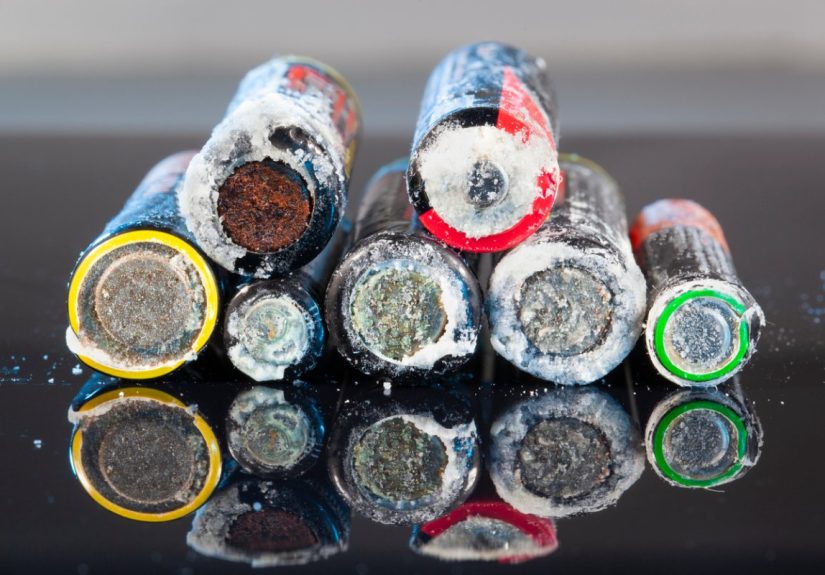
alkaline battery leakage (the white, chalky menace in remotes, toys, flashlights, and game controllers).
You’ll follow the same 4-step framework for bothjust with one important twist:
the right cleaner depends on the battery chemistry.
First, Identify What You’re Cleaning (Because Chemistry Has Opinions)
Corrosion isn’t one-size-fits-all. Using the wrong “fix” can make the mess worseor damage your device.
Here’s the quick cheat sheet:
| Where you see it | What it often looks like | Most likely cause | Best neutralizer |
|---|---|---|---|
| Car battery terminals | White/blue/green crust around posts & clamps | Lead-acid battery byproducts around terminals | Baking soda + water (neutralizes acidic residue) |
| AA/AAA/C/D batteries in devices | White powdery crystals in compartment/contacts | Alkaline electrolyte leakage (often a base) | White vinegar or lemon juice (mild acid to neutralize alkaline) |
If your battery is swollen, hot, cracked, actively leaking liquid, or smells like chemical regret, skip the DIY heroics.
Treat it as damaged and move to safe handling and recycling guidance below.
What You’ll Need
Safety gear (non-negotiable)
- Gloves (nitrile, latex, or rubber)
- Safety glasses or goggles
- Good ventilation (especially for car batteries)
Cleaning supplies (pick what matches your situation)
- For car batteries: baking soda, water (preferably distilled), old toothbrush or battery terminal brush, clean rags/paper towels, small spray bottle of water
- For devices with alkaline batteries: distilled white vinegar or lemon juice, cotton swabs, old toothbrush, paper towels
- Optional but helpful: isopropyl alcohol (for final wipe on device contacts), pencil eraser (for polishing contacts), dielectric grease or terminal protector spray (for car terminals)
The 4 Steps to Clean Battery Corrosion
These steps work whether you’re cleaning a car battery or rescuing your TV remote from a corroded battery fossil.
The only difference is which neutralizer you use in Step 2.
-
Step 1: Make It Safe (Power Down, Protect Yourself, and Avoid Sparks)
For a car battery:
- Turn the engine off, remove the key, and let the area ventilate.
- Keep flames/smoking far away. Car batteries can produce flammable hydrogen gas.
-
Disconnect the cables negative terminal first (marked “-” or black), then the positive.
This reduces the chance of an accidental short if your tool touches metal. -
Inspect for serious problems: cracks, bulging case, wetness around the battery tray, or obvious liquid acid.
If you see those, stop and consider replacement/testing instead of cleaning.
For household devices:
- Remove the batteries (wear gloves). Don’t “clean and reuse” leaky batteriesjust don’t.
- Keep the device off and open the battery compartment fully.
- Work over a paper towel or newspaper so you don’t spread residue everywhere.
Quick reality check: the white powder can irritate skin and eyes and may damage fabricsso gloves and eye protection are worth it.
This isn’t a “danger movie,” but it also isn’t powdered sugar. -
Step 2: Neutralize the Corrosion (Use the Right Stuff)
Neutralizing is what makes corrosion stop clinging for dear life.
You’re not just “scrubbing crust”you’re chemically persuading it to give up.Option A: Car battery terminals (lead-acid residue) Baking soda + water
- Mix about 1 tablespoon baking soda with 1 cup water (or make a paste with less water for thick buildup).
-
Apply carefully to the corrosion on terminals and clamps.
Aim for the crusty areasnot into vent openings or caps. - If it fizzes/bubbles, congratulations: chemistry is working.
Option B: Alkaline battery leakage in devices Vinegar or lemon juice
- Dip a cotton swab into white vinegar (or lemon juice) and dab onto the corroded spots.
- Use a “just damp” swabdon’t flood the compartment. Electronics do not enjoy surprise baths.
- Let it sit briefly to soften the residue.
If you’re unsure which type you’re dealing with, here’s a practical clue:
car battery corrosion usually responds best to baking soda;
AA/AAA device corrosion usually responds best to vinegar/lemon. -
Step 3: Scrub, Rinse, and Dry (The “Make It Actually Work Again” Part)
For car battery terminals:
- Scrub terminals and cable ends with a battery brush, wire brush, or old toothbrush.
-
Wipe away loosened gunk with a rag. Use a small spray bottle of water to rinse
(gentle rinsethis is not the time to power-wash your engine bay). - Dry thoroughly. Moisture left behind can invite future corrosion.
For devices:
- Scrub gently with a toothbrush or fresh cotton swabs until residue lifts from corners and contact points.
- Wipe with a clean paper towel.
-
Optional pro move: lightly wipe contacts with isopropyl alcohol on a swab to remove leftover moisture and grime.
Let everything air-dry completely. -
If the metal contacts still look dull or spotty, gently polish with a pencil eraser.
(Yes, like you’re erasing mistakesbattery corrosion is definitely a mistake.)
Important: if corrosion has traveled into a device’s circuitry (beyond the battery contacts),
cleaning the compartment may not fully revive it. Sometimes the damage is deeper than the crust you can see. -
Step 4: Protect and Prevent (So You Don’t Do This Again Next Week)
For cars:
-
Once everything is clean and dry, apply a thin protective barrier:
dielectric grease, petroleum jelly, or a battery terminal protector spray.
The goal is to block moisture and air from the metal surfaces. - Reconnect the battery cables positive first, then negative. Tighten snugly (not “gorilla-tight”).
- Check that the terminals don’t wiggle. Loose connections can cause problems and speed up corrosion.
-
Make it a habit: peek at your battery terminals every few months, and clean light buildup early.
“A little crust” is easy. “A terminal wearing a winter coat” is harder.
For household devices:
- Remove alkaline batteries from devices you won’t use for a while (think seasonal items like holiday decor, emergency flashlights, and that drawer of “mystery remotes”).
- Don’t mix old and new batteries, and don’t mix brands/types in the same device.
- Store spare batteries in a cool, dry spotnot in a hot car or damp garage.
-
Once everything is clean and dry, apply a thin protective barrier:
When Cleaning Isn’t Enough (And You Should Replace Something)
Cleaning works greatuntil it doesn’t. Here are signs you need to replace the battery, cables, or even the device:
Replace or professionally test a car battery if:
- The battery case is cracked, swollen, or leaking.
- Corrosion comes back quickly after cleaning (could indicate venting/charging issues).
- Cable ends are brittle, heavily pitted, or won’t tighten securely.
- Your car still struggles to start even after clean, tight connections.
Replace a household device (or at least the battery contacts) if:
- Contacts are eaten away, missing metal, or no longer springy/firm.
- Corrosion has spread beyond the compartment into internal electronics.
- The device only works intermittently even with fresh batteries and clean contacts.
Disposal and Cleanup (Do This Part Like a Responsible Adult)
Leaking or corroded batteries should be handled and disposed of carefully. Many battery types are best recycled or dropped at household hazardous waste collection points.
If you’re dealing with lithium-ion or any damaged rechargeable battery, treat it as higher risk:
avoid tossing it in household trash, and prevent short-circuiting during transport by taping terminals or bagging batteries separately.
- Bag up leaked batteries and contaminated paper towels before transporting.
- Don’t dump leftover chemical residue down the drain or into storm sewers.
- Check local disposal rules for batteries and household hazardous waste options.
FAQ
Can I use soda (cola) to clean car battery corrosion?
Some people do, because the acidity can help loosen buildup. But it’s sticky, messy, and not the cleanest approach.
Baking soda and water is usually the more controlled, neutralizing methodplus it doesn’t leave your battery smelling like a movie theater.
Should I use vinegar on a car battery terminal?
Generally, no. For typical car battery terminal corrosion, baking soda solution is the safer default because it neutralizes acidic residue.
Vinegar is acidic, so it’s better suited to alkaline leakage in household devices.
Is battery corrosion dangerous to touch?
It can irritate skin and eyes, and car batteries involve acid and the potential for sparks. Wear gloves and eye protection.
If there’s active leaking, swelling, or heat, treat it as damaged and focus on safe handling rather than scrubbing.
How often should I clean car battery terminals?
Check them periodically (every few months is reasonable), and clean at the first sign of buildup.
Regular maintenance can prevent starting problems and extend the life of cables and terminals.
Why does corrosion keep coming back?
Common causes include moisture, loose connections, battery age, or charging system issues.
Cleaning helps, but if it returns quickly, consider testing the battery and inspecting the alternator/charging behavior.
My remote still doesn’t work after cleaningnow what?
Try polishing contacts, ensuring full dryness, and using fresh batteries. If corrosion migrated into internal circuitry,
it may be beyond an easy fix. Sometimes the most practical repair is replacement (sad, but true).
Common Experiences That Teach You to Respect Battery Corrosion (About )
Battery corrosion has a funny way of showing up at the worst possible momentright when you need the thing to work.
Here are a few real-life-style scenarios people commonly run into, plus what they teach you (sometimes the hard way).
1) The Remote Control That “Died” During the Big Game
Someone grabs the remote, presses power, and nothing happens. The first reaction is usually dramatic: “The TV is broken!”
The second reaction is denial: “But the batteries were fine last year!” Then you open the compartment and find white crystals
coating the springs like tiny snowdrifts. Lesson: alkaline batteries can leak slowly over time. A quick vinegar-on-a-swab cleanup
often saves the remoteif you catch it before the metal contacts are eaten away. Bonus lesson: don’t store remotes in hot places
(sunny windowsills, cars, garages), because heat can encourage leakage.
2) The Kids’ Toy That Suddenly “Smells Weird”
Toys that sit unused for weeks (then get rediscovered at 7:12 a.m. on a weekday) are prime candidates for battery leakage.
The toy doesn’t turn on, and the compartment has that chalky, crusty buildup. You neutralize with vinegar, gently scrub, and
it worksuntil it doesn’tbecause one of the contacts has thinned and lost tension. Lesson: cleaning is step one, but mechanical contact
matters too. If the spring is weak or the contact is pitted, you may need to bend it slightly back into shape (carefully) or replace it.
3) The Flashlight That Failed During a Power Outage
Emergency flashlights are famous for working perfectly when you test them… and then failing when you actually need them.
Corrosion is a top reason. People often store a flashlight for years with batteries installed “just in case,” which is basically an invitation
for leakage. Lesson: store flashlights with batteries removed (or use low-leakage options and still check them). Also, keep spare batteries
in a cool, dry place and label them so you rotate stock instead of using “ancient drawer batteries.”
4) The Car That Clicked Instead of Starting in a Parking Lot
Car battery corrosion loves to show up right when you’re already late. The engine clicks, lights dim, and the terminals look like they’ve been
sprinkled with blue-green parmesan. You clean with baking soda and water, scrub, dry, and the car starts like nothing happened. Lesson:
corrosion can reduce electrical flow enough to mimic a dying battery. Cleaning fixes the connectionbut if it returns quickly, the underlying
cause might be battery age, loose clamps, or charging system problems. Cleaning is the first aid; testing is the checkup.
5) The Calculator (or Small Gadget) That Got “Bleached” Inside
Smaller electronics sometimes show a more subtle sign: the white residue that looks harmless until you realize it can discolor fabrics and irritate skin.
You wipe it dry first, then use a small amount of vinegar on a cloth to neutralize what’s left. Lesson: start dry, go slow, and use minimal liquid.
Over-wetting the compartment can push residue deeper into seams. A gentle approachneutralize, scrub, wipe, dry, and optionally polishgives you the best chance
of saving the device without creating a new problem.
Conclusion
Battery corrosion is annoying, but it’s rarely mysterious. If you remember the golden rulematch the cleaner to the battery typeyou’ll fix most
cases in minutes. Follow the 4 steps:
make it safe, neutralize, scrub/rinse/dry, and protect & prevent.
Do that, and you’ll spend less time scraping white crust and more time using your stuff like a normal person.