Table of Contents >> Show >> Hide
- The Short Answer: Don’t Rush, Don’t Linger
- Why the Timing Matters More Than People Think
- So What Is the Best Bumble Timeline?
- Signs You’re Ready to Meet in Person
- Signs You Should Wait a Bit Longer
- How to Move from Bumble Chat to a Real Date
- What the First Meeting Should Actually Look Like
- How Much Texting Is Too Much Before Meeting?
- Safety Tips Before You Meet IRL
- What If the Date Flops?
- Real-World Bumble Experiences: What This Looks Like in Practice
- Final Verdict
If you have ever stared at a Bumble chat and wondered, Are we vibing, or are we just becoming digital pen pals?, welcome to modern dating. It is the romantic era of cute banter, mysterious response times, and the occasional “haha” that somehow feels like a personality test.
So, how long should you talk on Bumble before meeting in real life? For most people, the sweet spot is usually a few days to about a week. That is often enough time to confirm the other person seems genuine, respectful, and interesting, but not so long that the connection turns into an endless texting marathon with the emotional intensity of a relationship and the reality of absolutely nothing.
That said, there is no one-size-fits-all rule. Some people are ready to meet after a lively day or two of messaging. Others need more time, especially if they value slower pacing, want to check for consistency, or simply have a life outside the app. The best answer is not “as fast as possible” or “wait forever.” It is this: talk long enough to build basic trust and real interest, but not so long that you mistake texting chemistry for actual compatibility.
The Short Answer: Don’t Rush, Don’t Linger
If you wait too little, you may end up meeting someone you barely know, which can feel awkward, unsafe, or just plain exhausting. If you wait too long, you risk creating a fantasy version of the person in your head. Texting is excellent at building anticipation. It is less excellent at revealing how someone treats a waiter, handles pauses in conversation, or laughs at your joke that deserved much more appreciation than it got.
In other words, Bumble chat should do three jobs before you meet:
1. Confirm basic compatibility
You are not trying to write a joint memoir before date one. You are checking the basics: Do you enjoy talking? Do your goals line up? Do they seem kind, responsive, and normal in a reassuringly human way?
2. Screen for safety and sincerity
You want enough conversation to notice red flags, pressure, inconsistency, or scammy behavior. If someone avoids basic questions, refuses a quick call, pushes for private meetups right away, or starts acting like you are soulmates before learning your last name, that is not romance. That is a plot twist.
3. Build momentum toward a real meeting
The point of Bumble is not to win the world championship of clever texting. It is to see whether there is real-life chemistry. A good chat should lead somewhere. If both people are interested, the conversation should eventually move toward an actual plan.
Why the Timing Matters More Than People Think
People often obsess over how many days, but the better question is what happens during those days. Two days of thoughtful conversation can be more useful than two weeks of “hey, how was your day?” followed by “good u?” followed by a spiritual crisis.
The right pacing helps you balance three important things: attraction, realism, and safety.
Attraction matters because you want enough back-and-forth to feel curious about meeting. A date should not feel like a meeting request from a stranger in a calendar app.
Realism matters because too much messaging can create false closeness. You start filling in the gaps with assumptions. They become funnier, deeper, and more emotionally available in your imagination than they may actually be over coffee.
Safety matters because online dating is still online dating. You want time to verify that the person is who they say they are, notice how they communicate, and choose a meeting format that feels comfortable.
So What Is the Best Bumble Timeline?
For many daters, a smart timeline looks something like this:
Days 1–3: Establish interest
This is where you see whether the conversation has any spark. Are they asking questions? Are they engaged? Can they talk like a person instead of a malfunctioning chatbot? If the conversation feels easy and respectful, great. Keep going.
Days 3–7: Vet and clarify
Now you look for consistency. Do their stories line up? Do they respond in a normal way? Have they made it clear what they want? This is also a good window for a phone call, voice note, or video chat if that helps you feel more comfortable.
By about one week: Suggest meeting if things feel good
If the chat has been steady and enjoyable, this is usually a strong time to move things offline. Not into a candlelit cabin in the woods. Into a normal first date in a public place where both of you can leave after an hour if the vibe is weird.
That does not mean everyone must meet within seven days or be banished to the Friend Zone of Perpetual Typing. It just means that if the conversation is healthy and mutual, there is usually no big benefit in dragging it out for weeks.
Signs You’re Ready to Meet in Person
You probably do not need a 42-point compatibility audit before grabbing coffee. But it helps if a few of these boxes are checked:
You can hold a real conversation
Not just flirting. Not just memes. Not just sending each other songs and pretending that counts as emotional labor. You should be able to have a natural conversation where both people contribute.
You know the basics
You should have a rough sense of who they are, what they are looking for, and whether your expectations are wildly mismatched. If you want something serious and they want “just seeing what happens” with the energy of a tumbleweed, that is useful information.
They respect your pace
If you say you would like a few more days before meeting, a respectful person will not guilt-trip you. If you suggest a call first, they should not act like you have requested a Senate hearing.
They seem consistent
Their tone, timing, and details do not feel all over the place. Consistency is not flashy, but it is one of the greenest flags on the app.
You feel curious, not pressured
The best first dates usually come from genuine curiosity. You want to meet because you are interested, not because they wore you down like a subscription pop-up.
Signs You Should Wait a Bit Longer
Sometimes the answer is not “meet now.” Sometimes the answer is “absolutely not, and maybe block.” Here are signs to slow down:
They avoid verification
If their profile is sketchy, their photos seem too polished, or they refuse any kind of voice or video contact, take that seriously. Bumble has verification and in-app call tools for a reason.
They push for private meetups immediately
A first meeting should be low-pressure and public. If someone wants you at their place, your place, or a super isolated setting before trust exists, that is not charming spontaneity. That is poor judgment at best.
The conversation is intense too fast
Fast attachment can feel flattering, but it can also be manipulative. If you have exchanged 18 messages and they are talking like you are destined to name a golden retriever together, tap the brakes.
They ask for money, favors, or personal details
That is a no. A hard no. A no wearing steel-toe boots. Real interest does not require emergency wire transfers, gift cards, or your full financial biography.
You are already uneasy
Do not override your instincts just because the banter is decent. If something feels off, listen to that. Dating is not a group project where you lose points for leaving early.
How to Move from Bumble Chat to a Real Date
You do not need a dramatic speech. Keep it simple, direct, and easy to answer.
Try one of these examples:
“I’m enjoying this. Want to grab coffee this week?”
“You seem fun in text form. Want to test that theory in person?”
“I’d rather not become pen pals. Want to meet for a quick drink or coffee?”
“Would you be up for a short video call first and then maybe meeting this weekend?”
The magic is not in sounding perfect. It is in being clear. Clarity is attractive. Clarity also saves everyone time.
What the First Meeting Should Actually Look Like
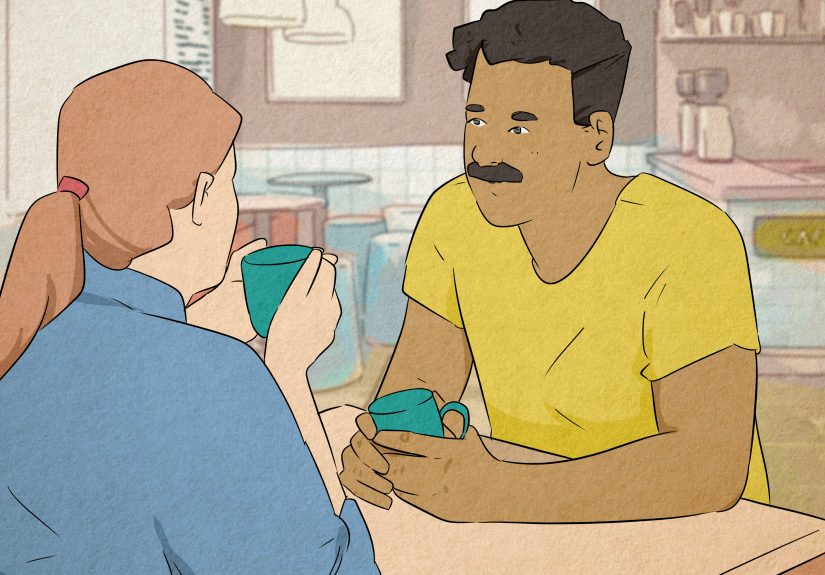
If you are meeting someone from Bumble for the first time, think light, public, and easy to leave.
Best first-date options
Coffee shops, casual restaurants, busy parks, bookstores, brunch spots, or any daytime plan where both of you can relax and talk. Keep it to an hour or two. If it goes well, amazing. You can always extend or plan date two.
Bad first-date ideas
Your apartment. Their apartment. A road trip. A remote hike with no signal. A six-hour dinner reservation that turns into an endurance sport. Save the big romantic gestures for later, when you know the person is not secretly powered by red flags.
How Much Texting Is Too Much Before Meeting?
Here is the honest answer: texting becomes too much when it starts replacing real progress.
If you have been talking for two or three weeks and still have no plan, one of three things is probably happening:
1. Someone is not that serious
They like attention, not action.
2. Someone is anxious about meeting
This is understandable, but it still means the connection may stay stuck unless one person gently moves it forward.
3. You are building fantasy chemistry
The chat feels great because it is curated. Real chemistry needs real-world context.
If the conversation is fun but going nowhere, try this: “I’ve liked talking with you, but I’d rather see if we click in person. Want to meet this week?” That line politely clears the fog.
Safety Tips Before You Meet IRL
This part is not optional. It is smart.
Use Bumble’s built-in tools
Photo verification, in-app voice/video calls, and date-sharing features can help you confirm the person is real and keep your personal information more private.
Meet in public
Choose a busy place. Tell a friend where you are going. Arrange your own transportation. Have an exit plan. This is not being paranoid. This is being competent.
Protect your private details
You do not need to hand over your home address, full routine, or too much personal information before trust is earned. Mystery is sexy. Oversharing your exact building access code is not.
Watch for pressure
A good match will respect your boundaries. A bad one will argue with them. That difference tells you a lot.
What If the Date Flops?
Then congratulations: you learned something useful quickly.
This is exactly why meeting matters. A mediocre first date is not a failure. It is data. You found out there was no spark, or the energy was off, or they said “actually I never read books” in a bookstore cafe and the universe made a decision for you.
Better one slightly awkward hour in real life than three weeks of texting only to discover you have the chemistry of two staplers.
Real-World Bumble Experiences: What This Looks Like in Practice
One very common experience goes like this: two people match, trade genuinely funny messages for three or four days, maybe send a voice note, and then meet for coffee that weekend. The date is easy because neither person has built huge expectations. They have enough information to feel comfortable, but not so much that they feel weirdly overinvested. Even if sparks do not fly, it still feels normal, low-pressure, and useful.
Then there is the opposite experience: two people message constantly for two weeks. Morning check-ins. Late-night jokes. Long opinions about favorite shows. Tiny confessions. Suddenly it feels like there is this big emotional connection. But when they finally meet, the energy is flat. Nobody did anything wrong. They just got attached to the texting version of each other. This is one of the biggest traps in app dating. Text can create momentum, but it can also create illusion.
Another familiar pattern is the “almost date.” You chat for a while, one person says, “We should hang out sometime,” the other says, “Definitely,” and then nothing actually happens. The conversation stays friendly, but the plan never becomes real. That usually means somebody likes the idea of meeting more than the reality. It is frustrating, but it is also helpful. A real connection moves forward. It does not live forever in the kingdom of vague intention.
Some of the best experiences come from people who keep things simple. They ask a few good questions, confirm they are on the same page, and suggest a short first meeting. No essay-length texting. No fantasy wedding playlist. No pretending every match needs to become an epic love story. Just a reasonable chance to see whether real-life chemistry exists.
There are also slower-burn experiences, and those can work too. Maybe one person is busy, cautious, or just more comfortable taking a little more time. In those cases, the conversation still moves somewhere. Maybe it becomes a video call first. Maybe they plan a date for next week instead of tomorrow. The key difference is intention. Slow is fine. Stuck is not.
And yes, sometimes people wait because they are trying to stay safe. That is completely valid. Wanting a few extra days, a call first, or a public daytime meetup is not “being difficult.” It is being thoughtful. The right person usually responds well to that. In fact, respectful pacing often reveals more than flirting does. Someone who can handle boundaries calmly is already telling you something good about themselves.
The healthiest Bumble experiences usually have the same core ingredients: steady communication, basic verification, mutual effort, clear intentions, and a first date that is simple enough to feel human. Not perfect. Not movie-level romantic. Just real. And real is the whole point.
Final Verdict
If you are wondering how long you should talk on Bumble before meeting IRL, think in terms of readiness, not rigid rules. For many people, several days to about a week is the sweet spot. That gives you time to screen for safety, build interest, and make sure the conversation is not all glitter and no substance.
Meet too soon, and you may feel rushed. Wait too long, and you may end up dating a projection. The goal is a middle path: enough chat to feel comfortable, enough momentum to keep it real.
So if the conversation is consistent, respectful, and actually fun, go ahead and make the plan. Choose a public place. Keep it light. Protect your boundaries. And remember: the purpose of Bumble is not to find the world’s greatest texter. It is to find out whether this person is worth a second date in actual, three-dimensional life.