Table of Contents >> Show >> Hide
- Can You Really Dye Dark Hair Blue Without Bleach?
- Choose the Right Bleach-Free Method
- What You Need Before You Start
- Step-by-Step: How to Dye Dark Hair Blue Without Bleach at Home
- How to Pick the Best Blue for Your Starting Shade
- Common Mistakes to Avoid
- How Long Does Blue Hair Last Without Bleach?
- How to Keep Dark Blue Hair Looking Good
- What If the Result Is Too Subtle?
- What If It Starts Looking Greenish?
- When to Skip DIY and See a Pro
- Final Thoughts
- Real-World Experiences With Dyeing Dark Hair Blue Without Bleach
If you have dark hair and a sudden urge to go blue without wrecking your strands with bleach, welcome. You are among friends. Specifically, among the friends who have stood in a bathroom staring at a box of dye thinking, “Will this make me look cool and mysterious, or like I lost a fight with a ballpoint pen?”
The good news is that blue hair on dark hair can happen at home without bleach. The not-so-magical truth is that it will not usually turn into electric cartoon blue on black or deep brown hair. Bleach-free blue works best when you choose realistic shades, use the right formula, and go in with expectations that belong in the real world instead of a photo filter. In other words: think midnight blue, navy, indigo, blue-black, or a deep teal cast in sunlight.
This guide breaks down exactly how to dye dark hair blue without bleach, which blue shades actually show up, what products and methods make sense, how to avoid common mistakes, and how to keep your new color from fading into disappointment after three showers.
Can You Really Dye Dark Hair Blue Without Bleach?
Yes, but the result depends on your starting shade. If your hair is dark brown, medium brown, soft black, or natural black, bleach-free blue usually shows up as a tinted overlay rather than a bright replacement color. Indoors, it may read as rich brunette or blue-black. In sunlight, it can flash navy, indigo, or cool sapphire.
That is why the best bleach-free blue hair ideas for brunettes usually live in the deeper end of the color family. If you want pastel blue, icy blue, bright cobalt, denim blue, or mermaid turquoise from very dark hair, bleach-free color is probably not your shortcut. It is your detour.
The Blue Shades That Actually Work on Dark Hair
When coloring dark hair blue without bleach, these are the most realistic choices:
Blue-black: The safest option if you want a dramatic change that still looks polished and office-friendly.
Midnight blue: A dark, rich blue that looks almost black in low light and gleams blue outdoors.
Navy blue: Slightly more obvious than blue-black, but still very wearable.
Indigo: Great if you want a cooler, jewel-toned finish with a little depth.
Deep teal: Possible on some dark brown hair, especially if your hair is not naturally jet black.
Choose the Right Bleach-Free Method
There is more than one way to get blue hair without bleach at home, and the best route depends on how bold you want the final result to be.
1. Permanent Hair Color Made for Dark Hair
This is your best option if you want the blue to actually stay awhile and show up more clearly. Look for permanent dyes labeled for dark hair, brunette hair, or no-bleach color. These formulas are usually designed to deposit a visible cool tone without forcing major lift.
This method works especially well for blue-black, midnight blue, and navy shades. If you want your dark hair to look obviously cooler and richer for weeks instead of just a few washes, permanent color is usually the strongest bleach-free move.
2. Semi-Permanent Blue Dye for Dark Hair
Semi-permanent dye is easier to use, gentler on the hair, and perfect if you want a blue tint rather than a full transformation. On dark hair, these formulas often add a glossy blue cast, especially on the mid-lengths and ends, where hair may be slightly lighter or more porous.
This route is ideal if you are nervous, curious, commitment-phobic, or all three.
3. Temporary Color Masks, Conditioners, Waxes, or Sprays
If you want a weekend experiment, temporary blue color is the easiest way to test the waters. These products can give dark hair a visible blue sheen and are great for events, photos, festivals, or your personal “I need a change immediately” phase. Just keep in mind that temporary color is usually the most subtle and the least long-lasting.
What You Need Before You Start
Before you dye dark hair blue at home, gather everything first. Mid-process treasure hunts are bad for your mood and worse for your walls.
You will need blue dye made for dark hair, gloves, an old T-shirt, clips for sectioning, a wide-tooth comb, a towel you do not love, petroleum jelly or a barrier cream for the hairline, and a mirror setup that lets you see the back of your head. A color-safe conditioner is also smart to have ready for the rinse stage.
Step-by-Step: How to Dye Dark Hair Blue Without Bleach at Home
Step 1: Do a Patch Test and a Strand Test
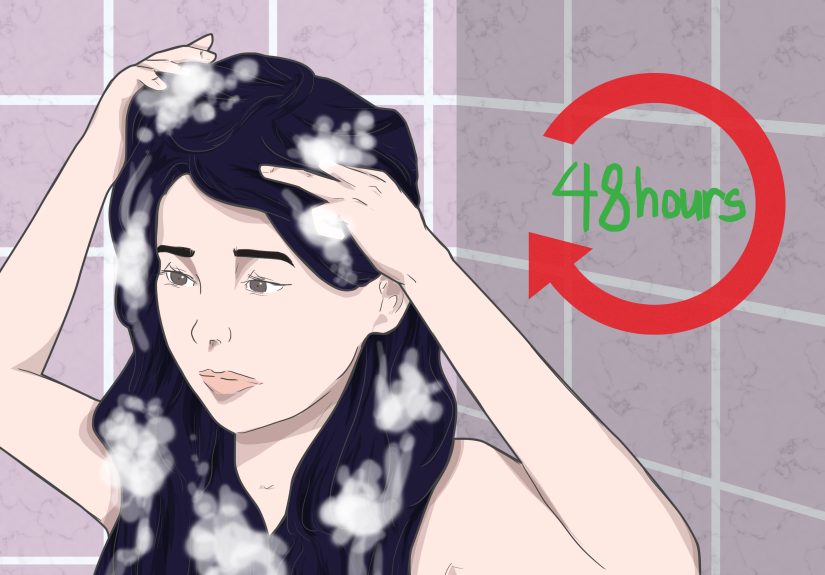
This is the unglamorous but necessary part. Always patch test 48 hours before coloring, even if you have dyed your hair before. Hair dye allergies are not into consistency. A strand test matters too because it tells you whether your chosen blue will show up as midnight magic, teal-ish surprise, or “honestly I can barely tell.”
Step 2: Start with Dry, Detangled Hair
Most at-home hair color products work best on dry hair, and many colorists recommend not washing immediately before dyeing so your scalp has a little natural oil for protection. Read your specific instructions carefully, though, because every formula has its own opinions.
Step 3: Protect Your Skin and Workspace
Apply petroleum jelly around your hairline, ears, and nape. Cover counters. Protect your shirt. Blue dye is artistic, but not when it is all over the sink. Trust me, your bathroom does not need an indigo accent wall.
Step 4: Section Your Hair
Divide your hair into four clean sections and clip them up. If your hair is very thick, make even more sections. Better sectioning leads to more even saturation, and even saturation is the difference between “expensive-looking color” and “abstract expressionism.”
Step 5: Apply the Color Thoroughly
Put on gloves and apply the dye section by section, working methodically. Make sure every strand is coated well, especially underneath and at the back. If your ends are lighter or more porous from old heat styling or previous color, they may grab more blue than the roots, so watch for over-saturation there.
For the most accurate result, follow the timing and application order on the box. That matters more than random internet confidence.
Step 6: Let It Process Fully
Do not rinse early just because you got impatient and started narrating your life choices in the mirror. The processing time exists for a reason. Set a timer, breathe, and avoid improvising unless your scalp starts burning or the instructions say otherwise.
Step 7: Rinse and Condition
Rinse with cool to lukewarm water until the water runs mostly clear. Then use the included conditioner or a rich color-safe conditioner. Skip harsh shampoo right away unless your product instructions specifically tell you to use it. Fresh blue color likes gentle treatment, not aggressive cleansing.
How to Pick the Best Blue for Your Starting Shade
If Your Hair Is Natural Black
Go for blue-black, midnight blue, or indigo. These shades give the strongest visual payoff without asking your hair to do the impossible.
If Your Hair Is Dark Brown
You have a little more flexibility. Navy, midnight blue, deep teal, and rich indigo can all work well. In direct light, the color may read more clearly than on black hair.
If Your Hair Is Medium Brown
You are in the sweet spot. Semi-permanent blues may show better, and permanent blue-based brunette shades can create a more obvious cool-blue finish without bleach.
Common Mistakes to Avoid
Choosing a blue that is too light. If the model on the box looks like an animated fairy, your dark hair is probably not getting that result without lift.
Skipping the strand test. Dark hair can surprise you. Sometimes the blue barely shows. Sometimes porous ends turn brighter than expected. Know before you commit.
Using too little product. Thick hair needs more dye than people think. Running out halfway through is a classic DIY tragedy.
Dyeing over damaged hair. Dry, porous hair grabs color unevenly and fades faster. If your hair already feels crunchy, focus on repair first.
Ignoring undertones. Warm undertones in dark hair can affect how blue reads. A more violet-blue or indigo shade often looks richer on brunettes than a flat bright blue.
How Long Does Blue Hair Last Without Bleach?
That depends on the formula. Temporary color may last one wash to a few washes. Semi-permanent blue usually hangs around for several shampoos or a few weeks. Permanent bleach-free blue shades last longer, but the visible blue tone may soften over time.
Color longevity also depends on hair porosity, shampoo habits, heat styling, swimming, and sun exposure. In plain English: hot water, frequent washing, harsh cleansers, and daily hot tools are not your color’s best friends.
How to Keep Dark Blue Hair Looking Good
Wash less often if you can. Use cool or lukewarm water. Choose shampoo and conditioner made for color-treated hair. Deep condition regularly because dry hair loses color faster. Ease up on high heat. And if you style often, use a heat protectant like you mean it.
If the blue starts fading too quickly, a color-depositing blue conditioner or gloss can refresh the tone between full dye sessions. This is especially helpful if you are maintaining a midnight blue or navy finish and want more shine with less commitment.
What If the Result Is Too Subtle?
First, check it in natural daylight. Bleach-free blue often looks much more visible outdoors than under warm bathroom bulbs that seem personally offended by cool-toned hair.
If it still feels too subtle, try one of these options next time: choose a darker, more saturated blue formula; switch from temporary to semi-permanent or permanent color; apply to hair that is healthier but slightly more porous on the lengths; or add a blue color mask in the following weeks to build tone gradually.
What If It Starts Looking Greenish?
This can happen when blue fades over warm undertones, especially on brunette hair. The fix is usually not panic. A cooler, violet-leaning blue or indigo shade often helps counter that issue better than a bright primary blue. You can also refresh with a blue-depositing conditioner instead of letting the faded tone linger and start freelancing.
When to Skip DIY and See a Pro
If your hair is heavily bleached, recently relaxed, badly heat-damaged, or layered with years of color history, a salon is the smarter choice. The same goes for anyone trying to correct uneven tone, cover banding, or achieve a specific vivid editorial blue from very dark hair. At some point, “DIY spirit” becomes “professional color correction invoice.”
Final Thoughts
Dyeing dark hair blue without bleach at home is absolutely possible, as long as you choose the right version of blue. The goal is not usually neon. The goal is rich, dimensional, cool-toned color that flatters dark hair instead of fighting it. Think depth, sheen, mystery, and that satisfying flash of blue when the sunlight hits just right.
So yes, you can go blue without bleach. Just be strategic. Pick a shade your natural color can support, use a formula made for dark hair, patch test like a responsible adult, and treat your new color gently afterward. Your hair will thank you, and your bathroom may forgive you eventually.
Real-World Experiences With Dyeing Dark Hair Blue Without Bleach
One of the most common experiences people have with bleach-free blue on dark hair is surprise at how different it looks depending on the lighting. Indoors, especially under yellow bathroom bulbs, the color may seem subtle enough to make you wonder whether anything happened at all. Then you walk outside, catch your reflection in a car window, and suddenly there it is: a rich navy shimmer that was apparently waiting for dramatic lighting like a celebrity entering an awards show.
Another very real experience is discovering that dark hair does not process like a blank canvas. If your roots are virgin hair but your ends have old color, sun exposure, or years of heat styling, the blue may show up differently across your head. The healthier root area can look darker and smoother, while the ends grab more pigment and appear brighter or cooler. This is not always a disaster. In some cases, it creates a soft, dimensional effect that looks intentional. In other cases, it inspires an immediate deep-conditioning routine and a promise to be nicer to your hair moving forward.
People also tend to underestimate how much product saturation matters. The first time someone dyes dark hair blue at home, they often focus on getting the color on the hair instead of getting enough color on the hair. Then the back section ends up patchy, the underneath is barely tinted, and the top layer looks like it got all the attention. The second attempt usually goes better because they learn the golden rule of at-home coloring: work in smaller sections, apply more carefully, and do not rush just because your gloves make you feel like a low-budget scientist.
There is also the maintenance reality. Blue can be gorgeous, but it is not low-drama. Many people find that the first week is the peak of glory. The shine is unreal, the tone is rich, and every mirror becomes an event. Then come the practical lessons: hot water fades color faster, harsh shampoo is a thief, and rough towel-drying is not helping. A lot of at-home dyers end up changing their entire hair routine after going blue. They wash less often, use more conditioner, lower the water temperature, and start treating heat styling like a sometimes food instead of a daily vitamin.
One especially relatable experience is the emotional roller coaster of rinse-out day. The water can look like you just washed a watercolor painting down the drain, which is deeply unsettling the first time. But a lot of that is simply excess pigment leaving the hair. The key is not to panic too early. Dry hair tells the truth better than wet hair does.
And finally, nearly everyone who dyes dark hair blue without bleach learns one lasting lesson: subtle does not mean boring. A deep blue-black or midnight tone can feel more polished, more wearable, and frankly more expensive-looking than a brighter color that your natural base was never going to support without lightening. It is the kind of shade that does not scream for attention, but absolutely enjoys receiving it.