Table of Contents >> Show >> Hide
- What “Elegant And Fresh” Really Means in a Home
- The First Impression: A Welcoming Exterior and Entry
- The Living Room: Layered, Relaxed, and Genuinely Inviting
- The Kitchen and Dining Area: Crisp, Warm, and Unfussy
- Bedrooms and Bathrooms: Softness Wins
- The Styling Tricks That Make the Whole House Work
- How to Recreate the Look Without Renovating Your Entire Life
- Why This Style Has Staying Power
- Experiences That Capture the “Elegant And Fresh” Feeling
- Conclusion
There is a special kind of fun in house crashing. You walk in, try to act cool, and then immediately start mentally redoing your own living room because someone else figured out how to make a home look polished without making it feel precious. That is the magic of a house that feels elegant and fresh. It does not shout. It does not look like a furniture showroom where nobody is allowed to sit down. It simply feels collected, bright, calm, and quietly confident.
That balance is harder to pull off than social media makes it seem. Elegant rooms can slip into stiff territory. Fresh rooms can drift into overly plain, “we just moved in yesterday” energy. But when the two meet in the middle, the result is the sweet spot every homeowner wants: a space with personality, softness, and just enough polish to make guests say, “Okay, wow,” while also wondering if they can steal your throw pillows.
In a truly elegant-and-fresh home, the details do the heavy lifting. The palette is light but not flat. The textures are layered but not chaotic. The lighting is thoughtful. The greenery looks intentional. The old and new pieces actually get along. In other words, this style is less about buying one magical sofa and more about building a mood. A very chic mood.
What “Elegant And Fresh” Really Means in a Home
Elegant and fresh is not one strict decorating style. It is a design attitude. Think warm neutrals, natural materials, edited surfaces, statement lighting, and a layout that lets the room breathe. This kind of house usually feels bright during the day, cozy at night, and never weighed down by too much matching furniture or too many trendy gimmicks.
The look often starts with a calm foundation. White, cream, soft beige, pale gray, muted taupe, and nature-inspired shades like sage, sand, blue-green, or clay create a relaxed backdrop. But here is the important part: fresh does not mean sterile. A room needs texture, contrast, and a few soulful pieces to avoid looking like a blank page with a lamp.
That is why the most memorable homes mix clean lines with lived-in character. You might see a streamlined sofa paired with a weathered wood coffee table, a sleek pendant over a rustic dining table, or crisp white walls warmed up by linen drapes, woven baskets, vintage rugs, and leafy plants. The room feels edited, yes, but never underdressed.
The First Impression: A Welcoming Exterior and Entry
An elegant and fresh house often starts before you reach the front door. The exterior sets the tone. Clean paint, classic trim, healthy greenery, and a porch or entry with some architectural personality make a home feel intentional from the curb. It does not have to be enormous or expensive. A handsome door color, oversized planters, updated hardware, or symmetrical lighting can create that “someone really cares about this place” effect.
Once inside, the entryway does a surprising amount of emotional work. A good entry says welcome without yelling it in decorative cursive. A slim bench, a mirror, a console table, or a few practical hooks can make a small space feel gracious. Add a tray for keys, a basket for shoes, and one beautiful object that feels personal, and suddenly the home looks composed instead of chaotic.
This is also where freshness begins to feel real. A cluttered entryway drags the whole house down before the tour even starts. But an organized, styled one signals what is coming next: calm, flow, and a home that knows exactly what it wants to be when it grows up.
The Living Room: Layered, Relaxed, and Genuinely Inviting
If the entry is the handshake, the living room is the full conversation. This is where elegant-and-fresh design earns its keep. The best versions of this look use a restrained color palette and then build depth through materials. Linen, wool, boucle, cotton, rattan, stone, leather, plaster, oak, and metal all bring dimension without requiring loud color or fussy pattern.
A neutral room works best when the shades are varied. Cream on the sofa, warmer beige in the rug, tan leather in an accent chair, soft gray in the drapery, black or bronze in the lighting, and natural wood underfoot can create richness without visual noise. This is the difference between “tasteful” and “why does this room feel like a dentist waiting area?” The secret is depth.
Why texture matters more than color alone
Texture is what makes light bounce differently around a room. It is what makes a sofa look sink-in comfortable instead of showroom stiff. It is what keeps all-white or all-neutral spaces from feeling sleepy. A nubby throw, a woven shade, a matte ceramic vase, and a softly distressed rug can create the layered look people usually mistake for expensive taste. It is not always expensive. It is often just thoughtful.
Another hallmark of a fresh living room is space around the furniture. Rooms feel elegant when they are not crammed full of oversized pieces that barely fit. Freshness needs breathing room. That might mean a pair of smaller chairs instead of one bulky recliner, a round coffee table that improves flow, or fewer accessories on open shelves. Editing is your friend. Not every surface needs a tiny candle army.
Lighting that flatters the room
Elegant homes understand lighting the way great restaurants do: overhead light alone is not enough. Layered lighting makes a room feel finished. A ceiling fixture gives structure. Table lamps add warmth. A floor lamp creates a cozy corner. Sconces or accent lighting can highlight art, shelving, or architecture. When all of those light sources work together, the room looks richer and softer, especially after sunset.
And yes, a statement fixture helps. A sculptural chandelier, a textured pendant, or a graceful lamp with a linen shade can act like jewelry for the room. Just as important, it should fit the scale of the space. Too small, and it disappears. Too big, and it looks like it is holding the room hostage.
The Kitchen and Dining Area: Crisp, Warm, and Unfussy
In an elegant-and-fresh home, the kitchen does not need to be dripping in trends to feel current. More often, it succeeds through clarity. Cabinet lines are simple. The counters are not buried under appliances. The hardware has personality without being flashy. Natural wood stools, a stone or quartz surface, glass-front cabinetry, or a well-placed runner can soften the hard edges and make the room feel more welcoming.
Fresh kitchens also benefit from restraint. This is not the place for twelve competing finishes and a fruit bowl the size of a kiddie pool. Instead, the best rooms mix practical function with a few visual moments: a pair of pendants over an island, a pretty cutting board leaning against the backsplash, a ceramic crock for utensils, and maybe one branch or arrangement that says, “Yes, someone alive and stylish lives here.”
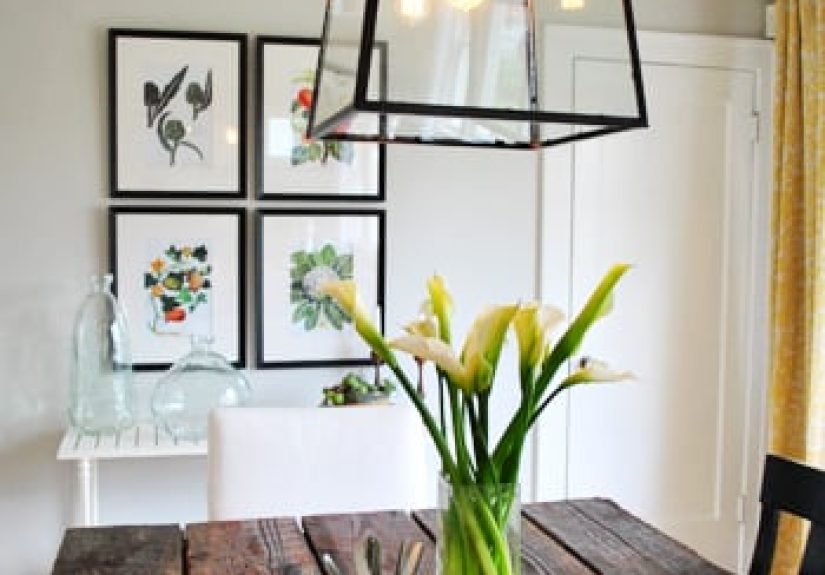
Dining spaces often carry the elegant side of the equation. A classic table, upholstered chairs, an oversized light fixture, and art or wallpaper can make even everyday meals feel a little more special. But freshness comes from keeping the room from becoming too formal. That could mean mismatched chairs done with intention, a modern chandelier above a traditional table, or a casual linen runner instead of a table setting that looks like it expects royalty.
Bedrooms and Bathrooms: Softness Wins
An elegant bedroom is not packed with decorative drama. It is calm, layered, and just indulgent enough. Start with a soothing palette, then add softness everywhere you can. Upholstered headboards, crisp sheets, a quilt or coverlet, textured pillows, and gentle lighting make the room feel polished without trying too hard. The goal is not to recreate a luxury hotel exactly. It is to create a room that makes you feel slightly more together than you actually are on a Tuesday.
Freshness in a bedroom often comes from light walls, uncluttered surfaces, and some breathing room around the bed. Matching nightstands are optional. Matching lamp heights are helpful. A bench, a vintage stool, or one bold art piece can keep the space from feeling too perfect. Perfect is overrated anyway. Perfect usually has no chargers, no laundry basket, and no understanding of real life.
Bathrooms follow similar rules. Elegant and fresh means clean lines, layered light, fluffy towels, thoughtful hardware, and maybe one or two natural elements like stone, wood, or greenery. It also means not overdecorating the room where people are just trying to wash their faces in peace.
The Styling Tricks That Make the Whole House Work
Mix old and new
The fastest way to make a room feel collected is to combine contemporary pieces with something older, textured, or storied. A vintage rug under a new sofa, an antique chest in a white hallway, or classic brass next to modern upholstery creates instant depth. Homes feel more elegant when they do not look like everything arrived in the same delivery truck.
Bring nature inside
Plants, branches, flowers, wood, stone, and organic fibers all help a home feel grounded. Greenery is especially powerful because it adds softness, shape, and a sense of life. Even one olive branch in a ceramic vase can make a room feel more awake.
Use mirrors wisely
A well-placed mirror can brighten a dark corner, bounce light, and make a room feel larger. Oversized mirrors are especially effective in smaller spaces or narrow entryways. Bonus points if the frame adds a bit of sculptural charm.
Skip the matchy-matchy trap
Fresh interiors rarely look like complete sets. Elegant homes mix finishes, fabrics, and silhouettes while still sticking to a coherent palette. The result feels more personal and less like a catalog page copied line for line.
Keep surfaces edited
This may be the least glamorous tip and the most important. A room full of beautiful things still looks messy when every tabletop is crowded. Give your favorite pieces room to stand out. Elegance needs negative space. Freshness definitely does too.
How to Recreate the Look Without Renovating Your Entire Life
You do not need a gut remodel, custom millwork, or a suspiciously large budget to bring this look home. Start with the bones you already have. Simplify the palette. Remove visual clutter. Upgrade lighting where you can. Add texture through pillows, rugs, drapery, and natural materials. Move furniture to improve flow. Invest in one or two pieces with real presence instead of ten filler items that nobody loves.
Paint can help, but restraint matters. Warm whites, creamy neutrals, and soft earth tones make rooms feel lighter while still cozy. Swap heavy curtains for simple panels that let daylight in. Replace tiny art with one larger piece. Try a bigger lamp. Add a mirror. Bring in something organic. The small moves often create the biggest shift.
Most of all, pay attention to what the house is trying to say. Elegant and fresh homes do not fight their architecture. They work with it. A cottage can feel elegant. A suburban builder-grade home can feel elegant. A downtown apartment can feel elegant. The trick is not pretending your house is something else. It is helping it become the best, brightest, most stylish version of itself.
Why This Style Has Staying Power
Some trends burn hot and vanish faster than a seasonal candle on sale. Elegant and fresh is different because it is built on principles that last: light, comfort, texture, quality, and balance. It is rooted in things people consistently respond to. Rooms feel better when they are less cluttered. Natural materials age well. Layered lighting is always flattering. Collected spaces feel more human than overly coordinated ones.
That is why this look keeps showing up in memorable homes. It is aspirational, but not impossible. Refined, but not fussy. Pretty, but still practical. It lets you live in your home instead of performing inside it. And honestly, that may be the most luxurious design choice of all.
Experiences That Capture the “Elegant And Fresh” Feeling
What does a house like this actually feel like to live in? Imagine opening the front door after a long day and seeing an entryway that is calm instead of chaotic. Your shoes have a place. Your keys land in a tray instead of disappearing into a mysterious countertop vortex. There is a mirror catching the last bit of daylight and a small branch in a vase that somehow makes you feel like you have your life together, even if you absolutely do not.
In the morning, the living room looks awake before you are. Soft light moves across pale walls, the rug has just enough texture to make bare feet happy, and the linen drapes glow instead of block the sun like a theatrical curtain announcing doom. The room is not trying to impress you with noise. It is impressing you with ease. That is the fresh part.
The elegant part shows up slowly. It is in the way the old wood table balances the newer chairs. It is in the sculptural lamp that makes the room feel intentional after dark. It is in the little contrast moments: matte black hardware, a worn leather stool, a brass frame, a stone bowl on a stack of books. None of it screams. All of it contributes. The house feels confident enough not to oversell itself.
Guests notice this too. They tend to exhale when they walk in. They ask where the rug is from, then get distracted by the pendant light, then start complimenting the paint color, then somehow end up sitting longer than planned because the room feels easy to be in. That is a real test of good design. Not whether the house photographs well, but whether people relax inside it.
Even the everyday mess feels different in a home with this mood. A folded throw on the arm of the sofa looks cozy, not sloppy. A stack of cookbooks in the kitchen looks lived-in, not messy. A pair of reading glasses on the bedside table looks human. Elegant and fresh is not about removing life from a house. It is about giving life a prettier backdrop.
And maybe that is why the style resonates. It creates a home that feels edited but never uptight, polished but still warm, beautiful but still believable. It is the kind of house that can host a dinner party on Saturday, a lazy coffee morning on Sunday, and a chaotic Monday where someone is late and cannot find their bag. Through all of it, the rooms still whisper the same thing: breathe, you are home, and yes, the lamp really is fabulous.
Conclusion
House crashing an elegant-and-fresh home is fun because it reminds us that beauty does not have to be loud to be memorable. The best rooms rely on balance: soft palettes with depth, clean lines with texture, light with warmth, and stylish details with real-life comfort. Whether you start with a mirror, a lamp, a vintage rug, or a ruthless decluttering session, this look is less about chasing perfection and more about creating a home that feels airy, gracious, and unmistakably yours.