Table of Contents >> Show >> Hide
- Why Homemade Caesar Dressing Is Worth Making
- What Makes Caesar Dressing Taste Like Caesar Dressing?
- Homemade Caesar Dressing Recipe
- How to Make It Taste Even Better
- Traditional Caesar vs. Easy Caesar
- Raw Egg Safety: What You Should Know
- Common Mistakes That Ruin Caesar Dressing
- What to Serve With Homemade Caesar Dressing
- Make-Ahead and Storage Tips
- Simple Variations on Homemade Caesar Dressing
- Experience and Lessons From Making Homemade Caesar Dressing at Home
- Conclusion
If bottled Caesar dressing has ever let you down, welcome. You are among friends. Store-bought Caesar often tastes like someone whispered the word “anchovy” into a tub of mayonnaise and then charged you premium salad prices for it. A truly great homemade Caesar dressing, on the other hand, is bright, savory, creamy, punchy, and just dramatic enough to make romaine feel important.
This homemade Caesar dressing recipe is designed for real kitchens, real schedules, and real people who do not want a 47-step dressing saga before dinner. It keeps the classic Caesar flavor profile you actually wantgarlic, lemon, Parmesan, black pepper, Worcestershire, and anchovywhile using a simple, reliable method that gives you restaurant-style results without requiring a culinary degree or a tuxedoed waiter tossing salad tableside.
Below, you’ll find everything you need: what makes Caesar dressing taste like Caesar dressing, the best ingredients to use, step-by-step instructions, expert tips, easy substitutions, storage advice, serving ideas, and a longer section at the end about real-life experiences with homemade Caesar dressing so your next batch tastes less “science experiment” and more “please pass the croutons.”
Why Homemade Caesar Dressing Is Worth Making
The biggest reason to make Caesar dressing from scratch is flavor. Fresh lemon juice tastes sharper and cleaner than bottled acid. Fresh garlic has bite. Real Parmesan adds saltiness and nuttiness. Anchovies bring deep umami without turning the whole bowl into a fish market. And when the dressing is emulsified properly, it clings to lettuce instead of puddling at the bottom of the bowl like a sad beige afterthought.
Homemade Caesar dressing also gives you control. Want it more garlicky? Easy. More lemony? Done. Want it thick enough for a wrap spread, or loose enough to coat kale? You’re the boss. You can make it with pasteurized egg yolk for a classic version, or with mayonnaise for an easier and more weeknight-friendly shortcut. Both can be delicious when balanced well.
What Makes Caesar Dressing Taste Like Caesar Dressing?
A lot of dressings are creamy. Very few taste unmistakably Caesar. The difference comes down to contrast and balance. Caesar dressing is rich, but not sleepy. Tangy, but not aggressively sour. Salty, but not one-note. It should feel creamy on the tongue, then wake up your taste buds with lemon, garlic, pepper, and savory depth.
The Core Flavor Builders
- Anchovies or anchovy paste: These are the backbone of classic Caesar flavor. They don’t make the dressing taste fishy when used properly; they make it taste deeper, saltier, and more complex.
- Garlic: Caesar dressing should have a noticeable garlicky edge, but not enough to clear the room.
- Lemon juice: Fresh lemon brightens all the rich ingredients and keeps the dressing from tasting heavy.
- Parmesan: Finely grated Parmesan adds nutty, salty richness and helps create body.
- Dijon mustard: A small amount helps emulsify the dressing and adds gentle tang.
- Worcestershire sauce: This adds savory complexity, slight sweetness, and that familiar Caesar whisper of mystery.
- Black pepper: Freshly ground pepper is not optional in spirit, even if technically it is optional in the recipe.
- Mayonnaise or egg yolk plus oil: This creates the creamy texture that makes Caesar dressing luxurious instead of thin and cranky.
Homemade Caesar Dressing Recipe
This version uses mayonnaise for ease, consistency, and a friendlier food-safety profile, but still tastes classic. It’s ideal for Caesar salad, wraps, roasted vegetables, sandwiches, pasta salad, and “just one more taste” straight from the spoon.
Ingredients
- 1/2 cup good-quality mayonnaise
- 2 to 3 anchovy fillets, finely mashed, or 1 1/2 teaspoons anchovy paste
- 1 small garlic clove, finely grated or mashed into a paste
- 2 tablespoons fresh lemon juice
- 1 teaspoon Dijon mustard
- 1 teaspoon Worcestershire sauce
- 1/3 cup finely grated Parmesan cheese
- 2 tablespoons extra-virgin olive oil
- 1/4 teaspoon freshly ground black pepper, plus more to taste
- 1 to 3 tablespoons cold water, as needed for consistency
- Kosher salt, to taste
Instructions
- Build the flavor base. In a medium bowl, whisk together the mayonnaise, anchovy, garlic, lemon juice, Dijon mustard, and Worcestershire sauce until smooth.
- Add the cheese and oil. Whisk in the Parmesan and olive oil until the dressing looks creamy and unified.
- Season it. Add black pepper and a small pinch of salt. Taste before adding more salt because the anchovy and Parmesan are already doing a lot of salty heavy lifting.
- Adjust the texture. If the dressing is too thick, whisk in cold water 1 tablespoon at a time until it reaches your preferred consistency.
- Rest if you can. Let the dressing sit in the refrigerator for 15 to 30 minutes before serving so the flavors can mingle and stop introducing themselves so loudly.
Yield: About 1 cup dressing, enough for 1 large Caesar salad or several smaller uses.
How to Make It Taste Even Better
Great Caesar dressing is not just about using the right ingredients. It is also about how you handle them. Tiny decisions make a big difference.
Use Fresh Lemon Juice
Bottled lemon juice is convenient, but fresh juice gives Caesar dressing a much brighter, cleaner finish. Since the dressing has so few ingredients, every shortcut is easier to taste.
Grate the Parmesan Finely
Finely grated Parmesan melts into the dressing better than large shreds. You want creamy texture, not random cheesy confetti floating around like it missed the meeting.
Mash the Anchovy and Garlic Well
If you leave big bits of anchovy or garlic in the dressing, the flavor can feel harsh and uneven. Turning them into a paste helps the dressing taste balanced and smooth.
Thin With Water, Not More Lemon
If the dressing feels too thick, add cold water rather than more lemon juice. Extra lemon can throw off the flavor balance and make the dressing too sharp.
Traditional Caesar vs. Easy Caesar
There are two main homemade Caesar dressing camps, and honestly, both deserve a seat at the table.
Traditional Style
This version usually starts with egg yolk, anchovies, garlic, lemon juice, mustard, Worcestershire, oil, and Parmesan. It tastes rich and classic, especially when slowly whisked into a proper emulsion. If you go this route, use pasteurized eggs for better food safety.
Easy Weeknight Style
This version uses mayonnaise instead of building the emulsion from scratch with raw egg yolk and oil. It is faster, more stable, and often easier for home cooks to get right on the first try. The flavor can still be intensely Caesar if the anchovy, garlic, lemon, and Parmesan are in the right balance.
In other words, this is not a battle between authenticity and convenience. It is more like choosing between dress shoes and sneakers. Both can get you where you’re going; one just handles Tuesday night better.
Raw Egg Safety: What You Should Know
Some classic Caesar dressing recipes use raw or lightly cooked egg yolk. That method can be wonderful, but it is smart to be careful. If you want a traditional version, choose pasteurized eggs or pasteurized egg products. If you would rather skip that concern entirely, use mayonnaise. It already gives you the creamy, emulsified base you need, and it makes homemade Caesar dressing much more approachable for everyday cooking.
If you are serving young children, pregnant guests, older adults, or anyone with a compromised immune system, the mayo-based version is the simpler and safer choice. No one wants a salad course with unnecessary plot twists.
Common Mistakes That Ruin Caesar Dressing
Too Much Garlic
Garlic is essential, but Caesar dressing should not taste like a dare. Start small, especially if your garlic cloves are large and fresh.
Too Much Lemon
Caesar dressing should be bright, not puckering. Too much lemon will overpower the Parmesan and make the whole thing feel thin and sour.
Skipping Anchovy Entirely
Yes, you can leave it out. No, it will not taste fully classic. If you are anchovy-shy, start with a small amount. Many people who claim they hate anchovies end up loving Caesar dressing once the ingredients are balanced.
Using Pre-Shredded Parmesan
Pre-shredded cheese is convenient, but it often does not blend as smoothly. Freshly grated Parmesan creates better texture and better flavor.
Over-Salting Too Early
Anchovies, Parmesan, Worcestershire, and mayonnaise all bring salt. Taste the dressing first, then season carefully.
What to Serve With Homemade Caesar Dressing
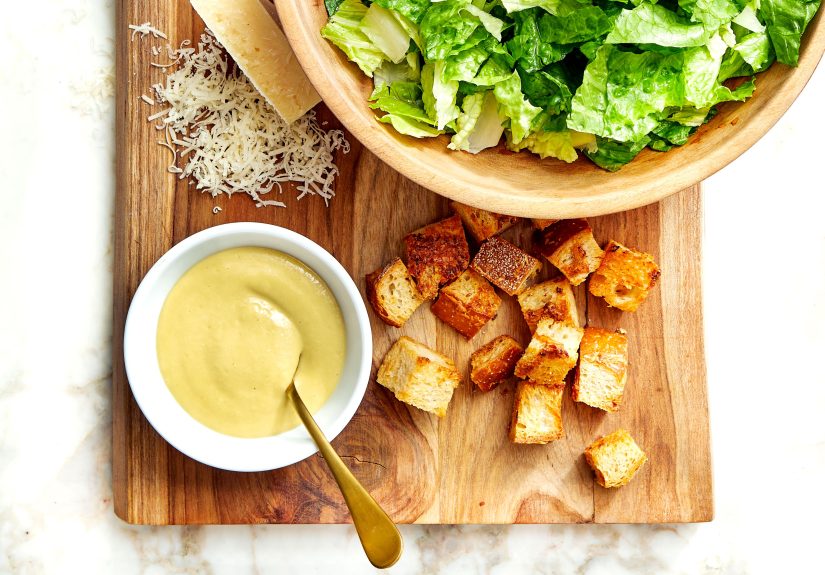
Obviously, the classic use is Caesar salad with crisp romaine, crunchy croutons, and a shower of Parmesan. But this dressing deserves a bigger social life.
- As a spread for chicken wraps and sandwiches
- Drizzled over grilled romaine or kale Caesar
- Tossed with roasted broccoli, Brussels sprouts, or cabbage
- Used as a dip for raw vegetables
- Mixed into pasta salad for a richer, tangier twist
- Spoonfuls over grilled chicken, shrimp, or salmon
It is one of those rare condiments that can make leftovers feel deliberate instead of accidental.
Make-Ahead and Storage Tips
Homemade Caesar dressing is a great prep-ahead item. Store it in an airtight jar or container in the refrigerator. A mayo-based version is generally the better choice for make-ahead use because it stays stable and easy to re-whisk. If it thickens in the fridge, let it sit for a few minutes and stir before serving.
For the best flavor and texture, make only what you will reasonably use within a few days. If you prepare a version with raw or lightly cooked egg, be especially cautious and keep it very cold. When in doubt, make a fresh batch. The recipe is quick enough that this is not a tragedy.
Simple Variations on Homemade Caesar Dressing
No-Anchovy Caesar
Use extra Worcestershire sauce and a little more Parmesan for a gentler take. It will not be fully traditional, but it will still be creamy and savory.
Extra-Lemony Caesar
Add a bit of lemon zest along with the juice for a fresher citrus pop without making the dressing overly acidic.
Spicy Caesar
Add a pinch of red pepper flakes or a tiny dash of hot sauce if you like a little heat.
Thicker Caesar Dip
Reduce or skip the water and use it as a dip for vegetables, chicken tenders, or roasted potatoes.
Traditional Egg-Yolk Caesar
Swap the mayonnaise for 1 pasteurized egg yolk and slowly whisk in about 1/3 to 1/2 cup oil to create a classic emulsion. It takes a little more effort, but the texture can be especially silky.
Experience and Lessons From Making Homemade Caesar Dressing at Home
One of the most interesting things about making homemade Caesar dressing is how quickly it teaches you that “simple” does not always mean “mindless.” The ingredient list is short, but every ingredient has a loud personality. Garlic arrives like it owns the place. Anchovy is the quiet genius in the corner. Lemon thinks it should be the star. Parmesan is trying to keep everyone civilized. When you make Caesar dressing a few times, you start to understand how each ingredient behaves and how small adjustments completely change the final result.
A first homemade batch often goes one of three ways. It is too thick, too garlicky, or too tangy. That is normal. Many home cooks assume the fix is to keep adding ingredients until the bowl becomes a chemistry project. Usually, the better move is to pause and make one smart adjustment. Too thick? Add a spoonful of cold water. Too sharp? A little more mayo or Parmesan can round it out. Too flat? It probably needs lemon, black pepper, or a touch more anchovy. Caesar dressing rewards calm behavior. Dramatic overcorrecting usually leads to dressing that tastes confused.
Another common experience is realizing that Caesar dressing tastes better after it rests. Right after whisking, the garlic can seem a little aggressive and the lemon can feel louder than the cheese. Give the dressing 15 to 30 minutes in the refrigerator, and suddenly everything tastes more blended and intentional. It is the culinary equivalent of telling everyone to take a deep breath before the group photo.
Texture is also a bigger deal than people expect. The difference between “good” and “why is this so good?” is often just emulsification and ingredient prep. A finely grated Parmesan melts into the dressing. A properly mashed anchovy disappears into the background and leaves only savory depth. A grated garlic clove distributes flavor more evenly than rough chopped pieces. These small choices make the dressing taste restaurant-worthy instead of homemade in the less flattering sense of the word.
Home cooks also tend to discover their personal Caesar identity over time. Some love an assertive, anchovy-forward dressing with lots of black pepper. Others want a softer, creamier version that feels more like a rich spread than a sharp vinaigrette. Some people swear by the raw-yolk classic. Others happily use mayonnaise forever and never look back. The beauty of homemade Caesar dressing is that once you understand the structure, you can make it your own without losing what makes it Caesar in the first place.
And perhaps the most relatable experience of all: once you make a really good batch at home, bottled Caesar dressing starts to feel a little suspicious. Not illegal, perhaps, but emotionally dishonest. Homemade Caesar has freshness, edge, and actual personality. It tastes alive. And after a few rounds of practice, it becomes one of those back-pocket recipes that makes you feel disproportionately competent for the amount of effort involved. Which, if we are being honest, is exactly the kind of kitchen victory most of us are looking for.
Conclusion
A great homemade Caesar dressing recipe does not need to be complicated to taste impressive. The secret is using a few bold ingredients in the right balance: anchovy for depth, garlic for bite, lemon for brightness, Parmesan for richness, and a creamy base that holds everything together. Whether you prefer a traditional egg-based version or an easier mayo-based method, the reward is the same: a dressing that tastes fresher, sharper, and far more interesting than the bottled stuff.
Once you make it at home, you also start to see how flexible it is. It can dress romaine, wake up roasted vegetables, rescue a bland wrap, or moonlight as a sandwich spread. That is a lot of work for one humble bowl of dressing, and frankly, we respect the hustle.