Table of Contents >> Show >> Hide
- What Does It Mean When a Baby Kicks in the Womb?
- Why Babies Kick: The Main Reasons
- When Do You Start Feeling Baby Kicks?
- What Do Baby Kicks Feel Like?
- Why Are Baby Kicks Stronger at Night?
- Do Babies Kick More After You Eat?
- What Are Kick Counts?
- When Should You Worry About Baby Kicks?
- Can Too Much Kicking Be a Problem?
- What Baby Kicks Do Not Mean
- How Baby Kicks Change by Trimester
- Real-Life Experiences: What Baby Kicks Can Feel Like Emotionally
- Conclusion
Few pregnancy moments feel as magical, strange, and slightly suspicious as the first time your baby kicks in the womb. One minute you are minding your own business, eating cereal at 10 p.m. like a responsible adult. The next minute, your belly gives a tiny pop, flutter, roll, or jab, and suddenly you realize: someone in there has opinions.
Baby kicks are more than adorable little reminders that your uterus has become a studio apartment. Fetal movement is a normal and important part of pregnancy. Those kicks, wiggles, stretches, punches, rolls, and hiccup-like pulses can tell you a lot about your baby’s growth, nervous system development, sleep-wake rhythms, and overall well-being.
So, why do babies kick in the womb? The short answer is that babies move because they are growing, practicing, responding, strengthening, and developing. The longer answer is much more interesting. Let’s step inside the tiny world of womb gymnastics and find out what all that motion really means.
What Does It Mean When a Baby Kicks in the Womb?
When people say “baby kicks,” they usually mean any noticeable fetal movement. A kick may actually be a kick, but it could also be an elbow jab, a knee bump, a whole-body roll, a stretch, a startle, or a rhythmic hiccup. Your baby is not necessarily practicing soccer. Sometimes they are simply rearranging themselves like a tiny roommate who cannot find a comfortable spot.
Fetal movement is one sign that your baby’s muscles, bones, joints, brain, and nerves are working together. As pregnancy progresses, those movements usually become easier to recognize. Early movements may feel like bubbles, popcorn, butterflies, or gas. Later, they may feel like nudges, thumps, rolling waves, or a foot lodging itself dramatically under your ribs.
The first felt movements are often called quickening. Many pregnant people notice quickening around 16 to 20 weeks, although timing varies. First-time parents may not recognize movement until closer to 20 weeks or later. People who have been pregnant before may notice it earlier because they know the difference between “maybe lunch” and “definitely baby.”
Why Babies Kick: The Main Reasons
1. Babies Kick to Build Muscles and Bones
Movement helps babies develop physically. Inside the womb, your baby is floating in amniotic fluid, but they are not just drifting like a sleepy astronaut. They are flexing, extending, stretching, and pressing against the uterine wall. These movements create gentle mechanical forces that support musculoskeletal development.
Think of it as prenatal strength training, minus the gym membership and tiny protein shaker. When a baby moves their arms and legs, the muscles, joints, and bones receive stimulation that helps them grow and mature. Research on fetal movement suggests that movement plays an important role in normal bone and joint formation.
2. Babies Kick to Practice Motor Skills
Before babies can grasp fingers, wave arms, stretch legs, or curl up outside the womb, they begin practicing movement patterns inside the womb. Fetal movement is part of early motor development. Your baby’s brain sends signals through the nervous system, muscles respond, and the body learns how movement feels.
These early kicks are not perfectly coordinated at first. Early fetal movement can be jerky, subtle, or random. As the nervous system matures, movements often become smoother and more organized. By the third trimester, many parents can recognize familiar patterns: an evening dance party, a morning roll, or a suspiciously well-aimed jab after dessert.
3. Babies Kick to Help Map Their Bodies
One fascinating theory is that fetal movement helps babies develop body awareness. Research has suggested that kicks and limb movements may help the developing brain create a kind of internal “map” of the body. In simple terms, when a baby moves a foot or hand and feels the result, the brain begins connecting movement with sensation.
This matters because babies are preparing for life outside the womb, where they will need to suck, swallow, breathe, stretch, startle, turn their heads, and eventually reach for every unsafe object within a five-foot radius. Movement in the womb may help lay the foundation for those later abilities.
4. Babies Kick Because They Respond to Their Environment
Your baby lives in a cozy but surprisingly lively environment. They may respond to sounds, changes in your position, light, touch, your activity level, and even your daily routine. Around the second trimester, babies become more active and may respond to noises or movement. By later pregnancy, some parents notice that their baby perks up after meals, during quiet moments, or when they lie down at night.
That does not mean your baby is judging your playlist, although the dramatic timing can make it feel personal. A sudden wiggle after you talk, sing, laugh, or settle into bed may simply be your baby reacting to changes in sound, pressure, blood sugar, or body position.
5. Babies Kick Because They Have Sleep-Wake Cycles
Babies in the womb sleep and wake. That means fetal movement is not constant. There may be quiet periods when your baby is resting, followed by busier periods when they move more. Many pregnant people notice movement most when they are still, especially in the evening. During the day, your own movement may gently rock the baby, and your attention is usually elsewhere.
In the third trimester, your baby’s movement pattern often becomes more recognizable. The key is not comparing your baby with someone else’s baby. Some babies are enthusiastic kickboxers. Others are more like thoughtful yoga instructors. What matters most is learning your baby’s normal pattern.
When Do You Start Feeling Baby Kicks?
Many people feel the first noticeable baby movements between 16 and 22 weeks of pregnancy. Some feel flutters earlier, while others do not feel clear movement until later. Several factors can affect when you notice fetal movement, including whether this is your first pregnancy, the position of the placenta, your baby’s position, and how busy or still you are during the day.
An anterior placenta, which means the placenta is located toward the front of the uterus, can cushion movements and make early kicks harder to feel. This does not mean your baby is not moving. It may simply mean there is an extra pillow between your baby’s tiny foot and your abdominal wall.
By about 20 weeks, many pregnant people are feeling movement. By the late second trimester and especially around 28 weeks, movements often become more regular and easier to track. This is also when many healthcare providers begin discussing kick counts or fetal movement awareness.
What Do Baby Kicks Feel Like?
Baby kicks can feel different depending on the stage of pregnancy. In the beginning, they may be so subtle that you wonder whether your baby moved or your digestive system is writing a novel. As your baby grows, the sensations become stronger and more distinct.
Common Ways Baby Movement Feels
- Fluttering, like butterflies
- Tiny taps or bubbles
- Popcorn-like pops
- Rolling or swishing sensations
- Firm kicks or jabs
- Slow stretches or pressure
- Rhythmic pulsing that may be fetal hiccups
Later in pregnancy, kicks may feel stronger but not always sharper. As space gets tighter, your baby may shift from dramatic flips to rolls, stretches, and firm pushes. A common myth says babies move less at the end because they “run out of room.” In reality, movements may feel different, but you should still notice regular movement. A major decrease should always be taken seriously.
Why Are Baby Kicks Stronger at Night?
Many pregnant people swear their baby becomes active the moment they lie down. This is common. At night, there are fewer distractions, your body is still, and you are more likely to notice subtle movement. Your baby may also respond to your position, digestion, or changes after dinner.
During the day, walking and activity can create a rocking motion that may lull the baby. At night, when the rocking stops, your baby may decide it is an excellent time to rehearse a full choreography routine. Pregnancy is beautiful. It is also occasionally a tiny nightclub in your abdomen.
Do Babies Kick More After You Eat?
Some parents notice more fetal movement after meals or snacks. This may be related to changes in blood sugar, digestion, or simply the fact that eating often happens when you finally sit down and pay attention. A cold drink, a snack, or a change in position may make movement easier to notice, but food should not be used as a guaranteed “test” of fetal health.
If you are worried about reduced fetal movement, do not rely on sugar, caffeine, or home tricks to solve the concern. Contact your healthcare provider for guidance, especially in the third trimester.
What Are Kick Counts?
Kick counts, also called fetal movement counting, are a simple way to track your baby’s movement pattern at home. Different healthcare providers may recommend different methods, so follow your own provider’s advice. A common approach is to choose a time of day when your baby is usually active, sit or lie comfortably, and count movements until you reach 10.
Movements can include kicks, rolls, flutters, swishes, or jabs. Hiccups may be counted differently depending on your provider’s instructions, so ask if you are unsure. Many providers use the “10 movements within 2 hours” guideline, but your baby’s usual pattern matters too.
How to Do a Simple Kick Count
- Pick a consistent time when your baby is usually active.
- Sit quietly or lie on your side.
- Note the start time.
- Count each movement you feel.
- Stop when you reach 10 movements.
- Write down how long it took.
If your baby’s movement pattern changes noticeably, or if you do not feel the expected number of movements, call your healthcare provider. Do not wait until the next day if your instinct says something feels off.
When Should You Worry About Baby Kicks?
Most changes in fetal movement are harmless, especially earlier in pregnancy when movement can be irregular. However, decreased fetal movement can sometimes be a sign that a baby needs evaluation. Your provider may recommend monitoring, a nonstress test, ultrasound, or other checks to assess your baby’s well-being.
Call your healthcare provider right away if:
- You notice a clear decrease in your baby’s normal movement pattern.
- You cannot feel movement after trying a kick count as directed.
- You are around 20 to 24 weeks and have not felt movement, depending on your provider’s guidance.
- Your baby suddenly seems much less active than usual.
- You have bleeding, severe pain, leaking fluid, or other concerning symptoms.
Never feel embarrassed about calling. Obstetric teams would rather hear from you and reassure you than have you sit at home worrying. Your baby did not come with a customer service manual, so asking questions is part of the job.
Can Too Much Kicking Be a Problem?
In most cases, an active baby is not a problem. Babies can have very busy periods, especially after meals, during rest, or at certain times of day. Strong movement can be uncomfortable, but it is usually normal. That said, if movement feels suddenly frantic, unusually intense, or dramatically different from your baby’s normal pattern, call your provider. The main rule is simple: when movement changes in a way that worries you, ask for medical advice.
What Baby Kicks Do Not Mean
Baby kicks are wonderful, but they are not a personality test, athletic scholarship prediction, or reliable way to determine sex. A baby who kicks hard is not guaranteed to be a future soccer star. A baby who rolls gently is not necessarily “calm.” Fetal movement depends on many factors, including position, gestational age, sleep cycles, placenta location, uterine space, and your own perception.
It is also not useful to compare pregnancies too closely. One baby may feel like a drummer. Another may feel like a slow-motion swimmer. Both can be normal. Your best reference point is your own baby’s usual rhythm.
How Baby Kicks Change by Trimester
First Trimester: Movement Begins, But You Usually Cannot Feel It
Babies begin moving early, but they are too small for those movements to be felt. During this stage, the nervous system, muscles, and limb structures are developing. Ultrasound may show movement before you can sense anything.
Second Trimester: The First Flutters Arrive
This is when many parents feel quickening. At first, movement may be occasional and easy to miss. Over time, it becomes more obvious. Your baby has more room to turn, stretch, and float, so sensations may feel like swishes or gentle taps.
Third Trimester: Patterns Become More Noticeable
By the third trimester, fetal movements often become stronger and more predictable. You may notice rolls, pushes, and stretches instead of big flips. Your baby is larger, the uterus is more crowded, and movement may feel more like pressure than fluttering. Even so, regular movement should continue.
Real-Life Experiences: What Baby Kicks Can Feel Like Emotionally
The experience of baby kicks is not only physical. It can be emotional, funny, reassuring, confusing, and sometimes uncomfortable all at once. For many parents, the first flutter makes pregnancy feel suddenly real. You may have seen the ultrasound, heard the heartbeat, and read every pregnancy app update, but that tiny nudge can still feel like your baby’s first hello.
Some parents describe early kicks as a private secret. Nobody else can see them yet. You might be in a work meeting, nodding seriously while your baby performs a tiny tap dance. You might be standing in line at the grocery store when your belly gives a little pop, and suddenly you are smiling at the cereal aisle like it just told a joke.
As movements get stronger, they often become part of daily life. Many parents develop routines around them. Maybe your baby moves after breakfast. Maybe they wake up when you lie on your left side. Maybe they respond when your partner talks near your belly. These small patterns can create a sense of connection before birth.
There can also be anxious moments. A quieter day may make you wonder if everything is okay. This is why learning your baby’s normal movement pattern is so helpful. It gives you a practical way to notice changes and speak clearly with your healthcare provider. Instead of saying, “I feel weird,” you can say, “My baby usually moves a lot after dinner, but tonight I have felt much less movement.” That kind of information matters.
Some movements are hilarious. A baby may kick the exact spot where your waistband sits, reject your attempt to sleep on one side, or deliver a powerful rib jab right when you say, “They are being calm today.” Pregnancy has a way of humbling everyone involved.
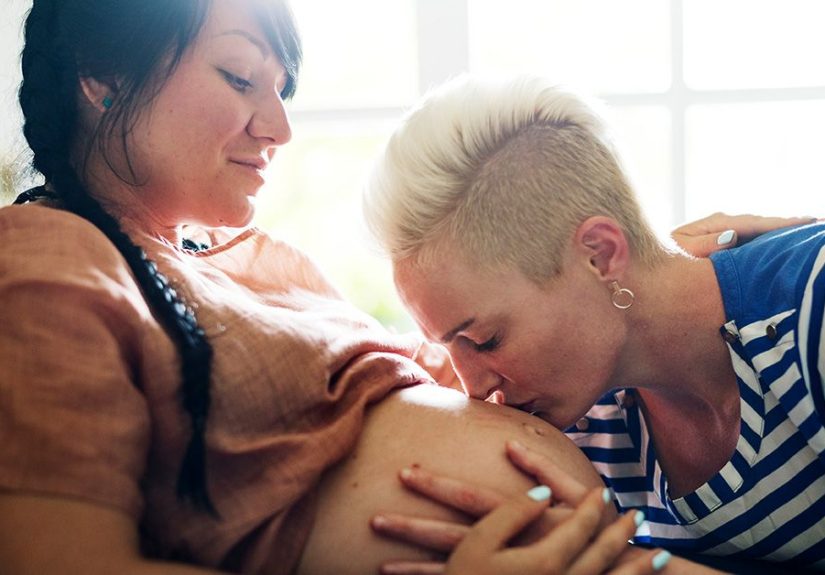
Other movements are tender. A soft roll during a quiet morning can feel like companionship. A familiar evening pattern can become a ritual. For partners and family members, finally feeling a kick from the outside can be unforgettable. There is often a pause, a wide-eyed look, and then the classic line: “Was that the baby?” Yes. Yes, it was. The tiny tenant has made contact.
Baby kicks can also help parents bond with the idea of the baby as a person. The movements may inspire nicknames, guesses about personality, or playful conversations. While kicks do not scientifically prove that your baby is stubborn, dramatic, athletic, or a night owl, they can make the relationship feel more personal.
It is important to make room for mixed feelings too. Not every kick feels magical. Some hurt. Some happen when you are exhausted. Some make it harder to sleep, breathe comfortably, or focus. Feeling annoyed by painful rib kicks does not make you a bad parent. It makes you a human being with internal percussion happening near your organs.
The best approach is to enjoy the sweet moments, laugh at the strange ones, and take concerning changes seriously. Your baby’s movement is both a bonding experience and a useful signal. It is a little communication system, even if the message sometimes seems to be, “Hello, I found your bladder.”
Conclusion
Babies kick in the womb because movement is part of healthy development. Those tiny flutters and big third-trimester rolls help babies strengthen muscles, stimulate bones and joints, practice motor skills, respond to their environment, and develop body awareness. Fetal movement also gives parents and healthcare providers helpful clues about a baby’s well-being.
Most kicks are normal, and every baby has a unique pattern. The most important thing is to learn what is normal for your baby and contact your healthcare provider if movement noticeably decreases or feels unusual. When in doubt, call. Peace of mind is worth it, and your care team is there for exactly these questions.
So the next time your baby kicks during your favorite show, after dinner, or at 2 a.m. when you were foolishly hoping to sleep, remember: your little one is growing, practicing, stretching, and getting ready for the outside world. It is not just a kick. It is development in motionwith occasional rib commentary.