Table of Contents >> Show >> Hide
- What Is Chicken Mole?
- Why This Chicken Mole Recipe Works
- Ingredients You’ll Need
- How To Make Chicken Mole
- Flavor Notes: What Good Chicken Mole Should Taste Like
- Common Mistakes To Avoid
- What To Serve With Chicken Mole
- Can You Make Chicken Mole Ahead?
- Easy Variations
- Best Chicken Mole Recipe Card
- Final Thoughts
- Kitchen Experiences: What You Learn After Making Chicken Mole More Than Once
- SEO Tags
Chicken mole is one of those dishes that walks into dinner like it owns the room. It is dark, glossy, rich, slightly smoky, a little sweet, a little spicy, and somehow tastes like it took three grandmothers, one monastery, and a small miracle to make. The good news? You do not need a culinary degree, a 54-ingredient shopping cart, or a dramatic soundtrack to pull it off at home.
This version is designed for real kitchens and real weeknights that occasionally pretend to be weekends. It keeps the spirit of classic chicken mole by building layers with dried chiles, sesame, nuts, warm spices, tomato, raisins, tortilla, broth, and chocolate. The result is a sauce that tastes wonderfully complex without becoming a hostage situation for your stove.
What Is Chicken Mole?
Chicken mole, often called pollo con mole, is chicken served with a deeply flavored Mexican sauce made from chiles and a blend of savory, sweet, earthy, and lightly bitter ingredients. The most famous version is mole poblano, associated with Puebla, and it is known for its dark reddish-brown color and dramatic flavor. If you have only had jarred mole that tasted like spicy pudding, I would like to apologize on behalf of dinner.
A good mole is not supposed to taste like chocolate sauce with an identity crisis. Chocolate is there to round out bitterness and add depth, not to turn the plate into dessert with poultry. The real stars are the dried chiles, aromatics, seeds, spices, and careful simmering that lets everything settle into a smooth, balanced sauce.
Why This Chicken Mole Recipe Works
It keeps the bold flavor, not the chaos
Traditional mole recipes can be gloriously elaborate, but home cooks still deserve happiness. This recipe keeps the flavor architecture that matters most: toasted dried chiles, nuts or seeds, a bit of tortilla for body, tomato for brightness, raisins for sweetness, and dark chocolate for finish.
It balances the sauce instead of making it heavy
The biggest trick with mole is balance. Too much chocolate and it gets muddy. Too much sugar and it turns clingy. Too much chile and your mouth starts writing complaint letters. This version aims for a sauce that is savory first, with sweetness and spice playing backup vocals.
It gives you actual dinner, not just sauce theory
Some recipes focus so hard on the mole that the chicken feels like a prop. Here, the chicken is seasoned, browned, simmered gently, and fully coated so every bite tastes like it belongs on the plate.
Ingredients You’ll Need
For the chicken
- 2 1/2 to 3 pounds bone-in chicken thighs and drumsticks, or all thighs
- 1 1/2 teaspoons kosher salt
- 1/2 teaspoon black pepper
- 2 tablespoons neutral oil
For the mole sauce
- 3 dried ancho chiles, stemmed and seeded
- 3 dried guajillo chiles, stemmed and seeded
- 2 dried pasilla chiles, stemmed and seeded
- 1 medium yellow onion, chopped
- 4 garlic cloves, chopped
- 2 Roma tomatoes, chopped, or 1 cup drained canned diced tomatoes
- 1/4 cup raisins
- 1/4 cup sesame seeds, plus more for garnish
- 1/4 cup almonds or pepitas
- 2 small corn tortillas, torn into pieces
- 1 teaspoon cumin
- 1 teaspoon ground coriander
- 1/2 teaspoon cinnamon
- 1/8 teaspoon ground cloves
- 1 tablespoon brown sugar or finely chopped piloncillo
- 1 ounce Mexican chocolate or dark chocolate
- 3 to 4 cups chicken broth
- 1 tablespoon minced chipotle in adobo, optional for extra smoky heat
- Salt to taste
For serving
- Warm corn tortillas
- Cooked white rice or Mexican rice
- Sliced avocado
- Cilantro
- Extra sesame seeds
- Lime wedges
How To Make Chicken Mole
1. Season and brown the chicken
Pat the chicken dry, then season it with salt and pepper. Heat the oil in a Dutch oven or heavy pot over medium-high heat. Brown the chicken for about 3 to 4 minutes per side until golden. You are not cooking it through yet; you are building flavor. Transfer the chicken to a plate.
2. Toast the chiles carefully
In a dry skillet over medium heat, toast the ancho, guajillo, and pasilla chiles for about 10 to 15 seconds per side, just until fragrant and slightly pliable. Do not burn them. Burned chiles taste bitter in the “who hurt this sauce?” kind of way. Place the toasted chiles in a bowl, cover with hot water, and soak for 20 minutes.
3. Build the flavor base
In the same skillet, add the onion and cook until softened and lightly golden, about 5 to 7 minutes. Add the garlic and tomatoes and cook until the tomatoes break down. Add the raisins and let them soften for a minute or two.
Now toast the sesame seeds, almonds or pepitas, and tortilla pieces until lightly browned and fragrant. This step looks small, but it is huge for flavor and texture. The seeds add nuttiness, while the tortilla helps thicken the sauce without making it feel pasty.
4. Blend the mole sauce
Drain the soaked chiles and place them in a blender with the onion mixture, toasted seeds, nuts, tortilla pieces, cumin, coriander, cinnamon, cloves, brown sugar, chocolate, chipotle if using, and 2 cups of broth. Blend until very smooth. Add more broth as needed until the sauce moves easily. If you want restaurant-style silkiness, strain the sauce through a fine-mesh sieve. If you want rustic confidence, skip that step and continue proudly.
5. Fry the sauce
Return the pot to medium heat and pour in the blended sauce carefully. It may splatter a little, because mole enjoys drama. Stir constantly for 5 to 8 minutes until it darkens slightly and thickens. This step deepens the flavor and takes the sauce from “nice puree” to “yes, now we are talking.”
6. Simmer with the chicken
Return the browned chicken and any collected juices to the pot. Add enough remaining broth to loosen the sauce to a thick gravy consistency. Cover partially and simmer gently for 25 to 35 minutes, until the chicken is tender and cooked through. Turn the chicken occasionally so every piece gets cozy in the sauce.
7. Taste and adjust
This is the part that separates decent mole from memorable mole. Taste the sauce. Need more salt? Add it. Too intense? Add a splash of broth. Too bitter? A pinch more sugar. Too sweet? A squeeze of lime or an extra pinch of salt can pull it back into line. Mole is not a one-taste-and-done dish. It likes a second opinion.
8. Serve like you mean it
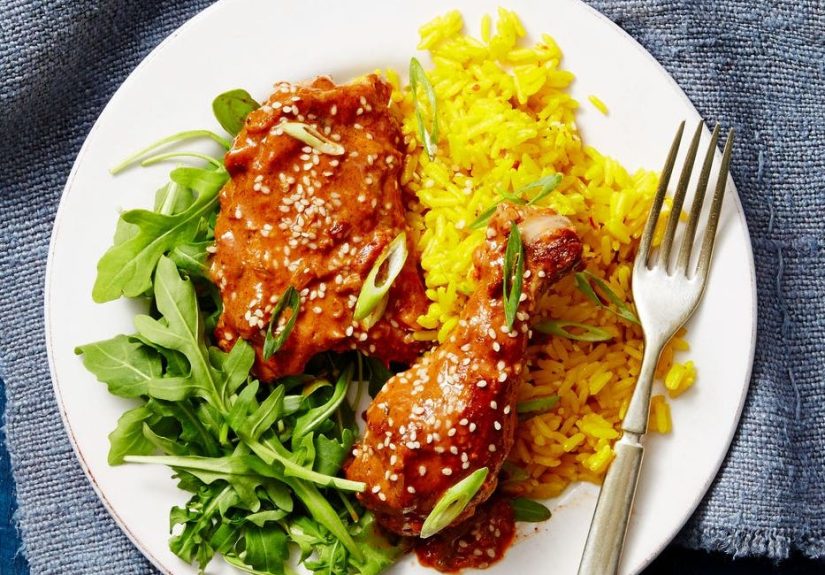
Spoon the chicken and plenty of mole over rice or onto a warm plate with tortillas on the side. Finish with sesame seeds, cilantro, and avocado. A squeeze of lime brightens the whole thing without stealing the spotlight.
Flavor Notes: What Good Chicken Mole Should Taste Like
If your chicken mole is working, you should taste layers instead of one loud note. First comes earthy chile flavor, then toasted nuttiness, then gentle sweetness from raisins and chocolate, followed by warm spice and a long savory finish. The sauce should be thick enough to cling to the chicken but loose enough to spoon easily. Think velvet robe, not wall paste.
Common Mistakes To Avoid
Burning the chiles
This is the classic mistake. A quick toast wakes them up. A deep char makes the whole pot taste harsh.
Using too much chocolate
Mole is not hot cocoa with ambition. Start modestly and let the chiles, seeds, and aromatics lead.
Skipping the blending step too early
The smoother the sauce, the more luxurious the finished dish. Take the extra minute. Your spoon will thank you.
Forgetting to adjust the balance at the end
Mole almost always needs a final tweak. Salt, sugar, broth, or lime can rescue the balance fast.
What To Serve With Chicken Mole
The best side dishes are simple because the mole is doing enough emotional labor already. White rice, Mexican rice, black beans, warm corn tortillas, sliced radishes, avocado, and a lightly dressed salad all work beautifully. Pickled onions are also excellent if you want contrast. And yes, this sauce is fantastic spooned into enchiladas, tacos, burrito bowls, or over roasted vegetables the next day.
Can You Make Chicken Mole Ahead?
Absolutely, and honestly, it may be even better the next day. As the sauce rests, the flavors mellow and knit together. Store it in the refrigerator for up to 3 days, then reheat gently on the stove with a splash of broth if it thickens too much. You can also freeze the mole sauce separately for future dinner heroics.
Easy Variations
Weeknight shortcut chicken mole
Use rotisserie chicken and focus on the sauce. It is not cheating. It is strategy.
Shredded chicken mole
Once cooked, shred the chicken into the sauce for tacos, tostadas, enchiladas, or rice bowls.
Spicier mole
Add more chipotle in adobo or a dried chile de árbol if you want extra heat.
Nut-free version
Use pepitas or extra sesame seeds instead of almonds, depending on your needs.
Best Chicken Mole Recipe Card
Yield: 6 servings
Prep time: 30 minutes
Cook time: 1 hour 10 minutes
Total time: About 1 hour 40 minutes
Method summary: Brown the chicken, toast and soak the chiles, cook the aromatics, toast the seeds and tortillas, blend the sauce, fry it briefly, then simmer everything together until rich, balanced, and gloriously spoonable.
Final Thoughts
The best chicken mole recipe is not the one with the longest ingredient list or the most intimidating backstory. It is the one that tastes balanced, deep, and unmistakably special when it lands on the table. Good mole has complexity, but it also has soul. It should make a regular dinner feel slightly overdressed in the best possible way.
So the next time you want a chicken dinner with a little more swagger, skip the plain skillet routine and make chicken mole instead. It is rich without being heavy, dramatic without being difficult, and absolutely worth dirtying the blender for.
Kitchen Experiences: What You Learn After Making Chicken Mole More Than Once
The first time most people make chicken mole, there is usually a moment of panic. It often happens right after the chiles are toasted and soaking, the blender is loaded with half the pantry, and the sauce looks suspiciously like it could go either way. This is normal. Mole has a way of making cooks feel as though they are either about to create greatness or accidentally invent barbecue pudding. Then it simmers, the ingredients settle down, and suddenly the whole kitchen smells warm, earthy, and deeply inviting.
One of the most useful experiences people have with chicken mole is learning that flavor does not arrive all at once. Early in the process, the sauce can taste sharp from the chiles, slightly awkward from the spices, or flatter than expected before the salt is adjusted. That is why mole teaches patience better than almost any quick pan sauce. Ten extra minutes of simmering can turn a confusing sauce into a cohesive one. A tiny extra pinch of salt can make the chocolate disappear into the background where it belongs. A spoonful of broth can loosen a sauce that felt too thick and heavy. Mole rewards calm decision-making, which is a nice way of saying it punishes dramatic overcorrection.
Another common experience is discovering that the chicken itself matters less than many people think. Of course, well-seasoned chicken helps, but mole is the star of the plate. Once home cooks realize that, they stop worrying about making the poultry flashy and focus instead on getting the sauce right. That shift is surprisingly freeing. It means leftover roast chicken, poached thighs, or even a supermarket rotisserie bird can all become excellent vehicles for mole on a busy day.
There is also the unforgettable experience of serving chicken mole to people who think they do not like it. Usually, they are expecting a sauce that tastes strongly sweet or aggressively spicy. Then they take a bite and pause, because the real pleasure of mole is how layered it is. First they notice the savory depth, then the toasted nuttiness, then the mild fruitiness from the raisins, then the whisper of chocolate. It is a fun dish to serve because it tends to silence the table for a minute, and silence at dinner usually means victory.
Perhaps the best long-term lesson from making chicken mole is that it gets easier every time. The first round feels like a project. The second feels like a method. By the third, you start trusting your senses more than the measuring spoons. You learn how dark to toast the sesame seeds, how soft the chiles should feel after soaking, and how to tell when the sauce has moved from good to genuinely special. That is when chicken mole becomes more than a recipe. It becomes a house specialty, the kind of dish people request, remember, and quietly hope you will make again.