Table of Contents >> Show >> Hide
- What Makes a Dessert “Healthy” Without Making It Boring?
- The Best Ingredients for Healthy Dessert Recipes
- 8 Healthy Dessert Recipes You’ll Actually Want to Make
- How to Make Classic Desserts a Little Healthier
- Healthy Dessert Recipes for Different Moments
- Common Mistakes to Avoid
- Real-Life Experiences With Healthy Dessert Recipes
- Final Thoughts
Let’s be honest: dessert has a reputation problem. The poor thing walks into the room and everyone suddenly starts talking about “cheat days,” “guilt,” and “I’ll just smell the brownie and move on.” That is deeply unfair to dessert. A good dessert should taste joyful, feel satisfying, and not leave you needing a motivational speech afterward.
That is exactly where healthy dessert recipes shine. They are not sad substitutes pretending to be cake while secretly behaving like cardboard. The best healthy desserts are built with smart ingredients that bring natural sweetness, creamy texture, fiber, protein, and enough flavor to keep your spoon moving. Think juicy berries, ripe bananas, baked apples, Greek yogurt, oats, chia seeds, nuts, cocoa, cinnamon, and dark chocolate used with a little restraint instead of a dramatic sugar avalanche.
Healthy dessert recipes also work in real life. They can be fast enough for a Tuesday night, pretty enough for guests, and flexible enough for the ingredients hiding in your fridge right now. That overripe banana on the counter? Suddenly it has a future. The lonely container of yogurt? It is about to become your dessert MVP. Even frozen fruit can step up and save the day like a tiny icy superhero.
In this guide, we’ll dig into what makes a dessert feel healthier, which ingredients deserve permanent spots in your kitchen, and which healthy dessert recipes are actually worth making again. No bland “wellness” lectures. No keyword stuffing. Just delicious ideas, practical tips, and enough inspiration to make dessert feel fun again.
What Makes a Dessert “Healthy” Without Making It Boring?
A healthy dessert does not need to be sugar-free, joy-free, or suspiciously beige. Usually, it simply means a dessert made with more nourishing ingredients and better balance. Instead of relying only on refined flour, heavy cream, and lots of added sugar, healthier recipes often lean on fruit for sweetness, yogurt for creaminess, oats or nuts for texture, and smaller amounts of sweeteners where they really count.
The magic is in the mix. Pairing sweetness with fiber, protein, or healthy fats can help a dessert feel more satisfying. That is why a parfait with berries, Greek yogurt, and toasted nuts feels more complete than a random handful of candy. It is also why banana-oat bars, chia pudding, baked fruit, and dark chocolate-dipped fruit keep showing up in smart dessert roundups. They taste like dessert, but they bring more to the table than just sugar.
Another secret: healthy desserts tend to let ingredients taste like themselves. Strawberries are allowed to be strawberry-ish. Cocoa tastes rich instead of painfully sweet. Cinnamon gets to do its warm, cozy little dance. The result is a dessert that tastes fresh, layered, and surprisingly grown-up, while still being easy enough for the rest of us who occasionally burn toast.
The Best Ingredients for Healthy Dessert Recipes
1. Fruit That Does the Heavy Lifting
Fruit is the workhorse of healthy dessert recipes. Berries add brightness, apples and pears turn silky when baked, bananas create instant sweetness and creamy texture, and citrus keeps richer desserts from feeling too heavy. Fresh fruit is great, frozen fruit is convenient, and cooked fruit can taste downright luxurious with almost no effort.
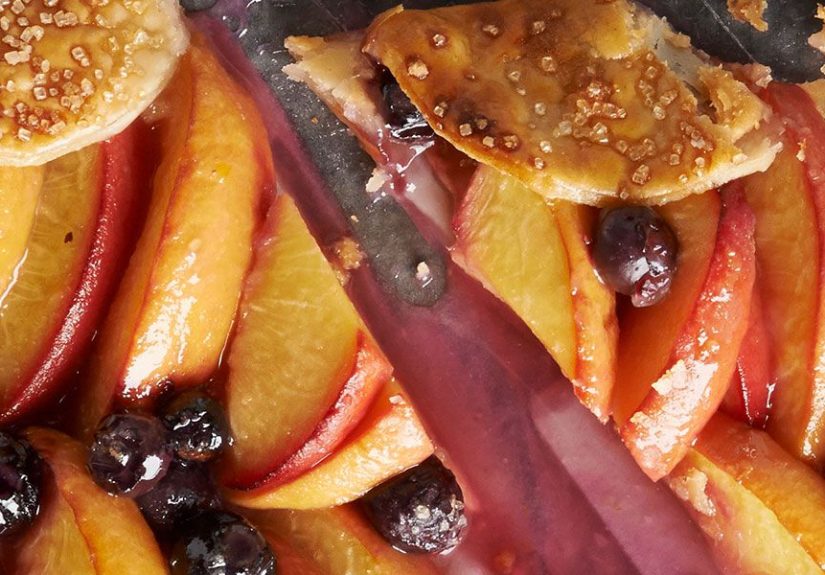
Try roasting peaches, baking apples with cinnamon, or simmering berries into a quick compote. Suddenly dessert feels fancier, and your kitchen smells like you know what you’re doing.
2. Greek Yogurt and Other Creamy Bases
Greek yogurt is the quiet overachiever of healthy sweets. It brings tang, creaminess, and protein, which is why it works beautifully in parfaits, frozen bites, fruit dips, and lighter pudding-style desserts. Cottage cheese, kefir, and blended ricotta can also create rich textures with more substance than a standard whipped topping situation.
3. Oats, Chia Seeds, and Whole Grains
Oats make desserts feel cozy and substantial. Chia seeds thicken puddings and add texture without much effort. Whole grains can help baked desserts taste nuttier and more satisfying than overly refined versions. They are especially useful in crisps, crumbles, bars, breakfast-for-dessert hybrids, and no-bake bites.
4. Nuts, Seeds, and Nut Butters
Almonds, walnuts, pistachios, peanuts, pumpkin seeds, and nut butters add crunch, richness, and staying power. They also make simple desserts feel special. A bowl of berries is nice. A bowl of berries with yogurt, toasted pistachios, and a tiny drizzle of honey? Suddenly it has main-character energy.
5. Cocoa, Cinnamon, Vanilla, and Citrus
Healthy desserts depend heavily on flavor boosters. Unsweetened cocoa powder, dark chocolate, cinnamon, vanilla extract, orange zest, lemon juice, cardamom, and nutmeg create depth so you do not need mountains of sugar to make dessert taste exciting.
8 Healthy Dessert Recipes You’ll Actually Want to Make
Berry Greek Yogurt Parfaits
Layer Greek yogurt with fresh berries, toasted granola or oats, and chopped nuts. Add a spoonful of chia seeds or a drizzle of maple syrup if needed. This dessert is cool, creamy, crunchy, and ridiculously easy. It looks like something served at a brunch café where everyone owns linen napkins.
Why it works: It balances sweetness, protein, and texture. It also takes about five minutes, which is ideal for nights when your ambition level is “assemble, don’t cook.”
Baked Cinnamon Apples
Core apples, fill them with oats, raisins, chopped walnuts, cinnamon, and a tiny bit of maple syrup, then bake until soft. The apple becomes tender, the filling turns toasty, and the whole dessert tastes like autumn decided to show off.
Make it better: Add a dollop of yogurt on top instead of ice cream. You still get creaminess, but the dessert stays bright and balanced.
Chocolate Chia Pudding
Mix milk or a dairy-free alternative with chia seeds, cocoa powder, vanilla, and just enough sweetener to round out the flavor. Refrigerate until thick. Top with raspberries, sliced banana, or a sprinkle of toasted coconut.
Why people love it: It feels like pudding, but it takes almost no cooking skill. If you can stir, cover, and wait overnight, congratulations, you are qualified.
Frozen Banana “Nice Cream”
Blend frozen bananas until smooth and creamy, then flavor with peanut butter, cocoa powder, cinnamon, berries, or a few dark chocolate chips. The texture lands somewhere between soft-serve and sorcery.
Best tip: Use very ripe bananas before freezing. The sweeter they are, the better your finished dessert tastes.
Peach or Berry Oat Crumble
Toss fruit with lemon juice and a little cornstarch, then top with oats, chopped nuts, cinnamon, and a modest amount of butter or coconut oil. Bake until bubbly. This is one of the best healthy dessert recipes for feeding several people without getting trapped in a cupcake marathon.
Why it works: The fruit becomes jammy, the topping gets crisp, and you get classic dessert comfort with more fruit and less sugar than many traditional crisps.
Dark Chocolate-Dipped Strawberries
Melt dark chocolate, dip strawberries halfway, and let them set. That is it. They look elegant, taste rich, and prove that not every dessert needs a dissertation of ingredients.
Flavor upgrade: Sprinkle with chopped pistachios, flaky sea salt, or unsweetened coconut for texture and drama.
Banana Oat Bars
Mash bananas with oats, cinnamon, vanilla, and a spoonful of nut butter. Fold in chopped dates, walnuts, or dark chocolate chips, then bake in a pan and slice into bars. These are part snack, part dessert, part “I am too busy for nonsense.”
Why they matter: They travel well, portion easily, and satisfy sweet cravings without feeling overly heavy.
Stuffed Dates with Nut Butter and Cocoa
Split Medjool dates and fill them with almond or peanut butter. Finish with cocoa nibs, crushed nuts, or a tiny shard of dark chocolate. They are sweet, chewy, rich, and slightly dangerous because it is very easy to eat “just one more” six times in a row.
How to Make Classic Desserts a Little Healthier
You do not need to abandon beloved desserts and start living exclusively on melon cubes. A smarter move is to improve the classics. This is where healthy dessert recipes become practical rather than preachy.
Use Fruit as More Than a Garnish
Instead of placing two lonely blueberries on top and calling it wellness, let fruit become the center of the dessert. Fold berries into yogurt-based mousse, layer bananas into pudding, roast stone fruit, or build crisps and compotes where fruit is the star rather than the decoration.
Dial Down Sugar Instead of Starting a War With It
Many recipes still taste fantastic with less sweetener, especially when fruit, vanilla, cinnamon, or cocoa are doing flavor work. You do not need to remove every gram of sweetness. You just need enough to make the dessert sing, not yell.
Swap in Better Texture Builders
Oats, chopped nuts, chia seeds, and whole-grain flours can give desserts body and crunch. That matters because desserts that feel satisfying are easier to enjoy in a reasonable portion.
Think Toppings, Not Sugar Bombs
Choose toppings that add contrast. Toasted almonds, pistachios, coconut, cacao nibs, citrus zest, and berries make a dessert feel more special without requiring a syrup flood.
Healthy Dessert Recipes for Different Moments
For Busy Weeknights
Go with yogurt parfaits, chia pudding, stuffed dates, or dark chocolate-dipped fruit. These require minimal cooking and cleanup, which is important because nobody wants to wash six mixing bowls at 9:30 p.m.
For Meal Prep
Banana oat bars, overnight chia puddings, baked apples, and fruit compotes hold up well in the fridge. Make them once, then enjoy dessert all week without needing a fresh burst of ambition every evening.
For Guests
Fruit crumble, layered parfaits in glasses, grilled fruit with yogurt, or a platter of dark chocolate-dipped strawberries feel polished without being overly fussy. Your guests will assume you are organized. There is no reason to correct them.
Common Mistakes to Avoid
Adding too many “healthy” extras: Just because chia seeds, almond butter, coconut flakes, dark chocolate, granola, and dried fruit are all lovely does not mean they all need to appear in one bowl at once. Calm down, dessert architect.
Ignoring flavor: A healthy dessert still needs acidity, spice, texture, and contrast. If it tastes flat, add citrus zest, cinnamon, vanilla, or a pinch of salt.
Forgetting portion awareness: Even nourishing desserts are still desserts. The goal is not to moralize food. It is to build something delicious and satisfying enough that one portion feels like a win.
Real-Life Experiences With Healthy Dessert Recipes
One of the most surprising things about healthy dessert recipes is how often they win people over after a rough beginning. Almost everyone has a story about trying some so-called “healthy dessert” years ago that tasted like sweetened drywall. That bad memory tends to linger. It creates the assumption that if a dessert includes oats, fruit, yogurt, or chia seeds, it must automatically be boring. Then someone makes a great berry parfait, a warm peach crumble, or chocolate chia pudding that actually tastes rich and satisfying, and suddenly the whole category gets a redemption arc.
In real kitchens, healthy desserts tend to succeed when they feel convenient rather than virtuous. People rarely come home after a long day eager to make a twelve-step almond-flour miracle. But they will absolutely layer yogurt with berries, blend frozen bananas into nice cream, or bake apples with cinnamon while dinner is finishing. The best recipes fit ordinary routines. They use ingredients that are easy to find, easy to store, and easy to repurpose. That is why bananas, oats, Greek yogurt, frozen berries, peanut butter, and dark chocolate keep showing up. They are practical, not precious.
Another common experience is that healthy desserts often become household favorites because they are flexible. A parent might make banana oat bars for dessert one night, then pack the leftovers as a snack the next day. Someone trying to cook more at home may discover that yogurt parfaits satisfy the desire for something sweet after dinner without requiring a full baking project. Guests who claim they “don’t really do healthy desserts” somehow keep reaching for another spoonful of berry crumble once it is warm and bubbling on the table. It turns out that people care less about the label and more about whether the dessert tastes good.
Texture also plays a huge role in real-life success. Many healthy desserts improve dramatically when they include contrast. Creamy yogurt needs crunchy nuts. Soft baked fruit needs a toasted oat topping. Chia pudding benefits from bright berries or coconut. A small amount of dark chocolate can make a fruit-forward dessert feel complete instead of overly earnest. These little details matter because they make dessert feel intentional, not like a compromise someone made under protest.
People also tend to stick with healthy dessert recipes when they stop expecting perfection. Sometimes the first batch is too tart. Sometimes the nice cream needs another banana. Sometimes the crumble topping gets a bit more “rustic” than planned, which is a polite way of saying you forgot it in the oven for three extra minutes. That is normal. Healthy desserts are often forgiving, and once you learn the flavor balance you like, they become easier to improvise. A handful of berries, a spoon of yogurt, a dusting of cocoa, and suddenly dessert happens with very little stress.
Maybe the best experience of all is that healthy dessert recipes can make dessert feel more available, not less. Instead of saving sweets for special occasions or swinging between overindulgence and total restriction, you end up with options that fit everyday life. Dessert becomes a small pleasure built from good ingredients, strong flavor, and realistic portions. That is a much nicer story than guilt. And frankly, dessert deserves better PR than guilt.
Final Thoughts
Healthy dessert recipes work best when they focus on pleasure first and nutrition close behind. Start with fruit, yogurt, oats, nuts, seeds, and chocolate that actually tastes like chocolate. Use sweetness strategically, not aggressively. Build layers of flavor with cinnamon, vanilla, citrus, and texture. Then choose recipes that fit your life, not just your Pinterest fantasies.
If you do that, dessert stops being a dramatic tug-of-war between “healthy” and “delicious.” It becomes what it should have been all along: a genuinely enjoyable ending to the day. Preferably with berries. Possibly with dark chocolate. Ideally with very few dishes.