Table of Contents >> Show >> Hide
- What Is Green Goddess Salad?
- Why This Salad Works So Well
- Green Goddess Salad Recipe (Serves 4)
- Classic vs. Viral Green Goddess: What’s the Difference?
- Nutrition and Health: Practical, Not Preachy
- Food Safety and Storage (Important, YesStill Sexy)
- Best Variations for Real Life
- Common Mistakes (And How to Fix Them Fast)
- Serving Ideas: Beyond “Side Salad Energy”
- of Experience: My Green Goddess Salad Season
- Conclusion
If your salad routine feels like a sad desk plant, this Green Goddess Salad recipe is your comeback season.
It is crisp, herby, creamy, tangy, and loud in the best possible way. Think finely chopped cabbage and cucumber tossed in a
velvety green dressing that tastes like a garden party with excellent playlist control. This style of salad became wildly popular
for good reason: it is easy to batch, easy to customize, and way more exciting than “lettuce plus regret.”
In this guide, you’ll get an in-depth, practical playbook: the classic roots of green goddess dressing, a modern
cabbage cucumber salad version, exact steps, smart substitutions, meal-prep strategy, food-safety best practices,
and realistic nutrition upgrades that do not ruin flavor. You’ll also get a 500-word experience section at the end with real-world
tips from repeated testingbecause recipes should work on a busy Tuesday, not just in a styled photoshoot.
This article synthesizes patterns from multiple respected U.S. food and health sources (recipe editors, public-health agencies,
and nutrition guidance) and translates them into one clear, fun, practical roadmap you can actually cook from.
What Is Green Goddess Salad?
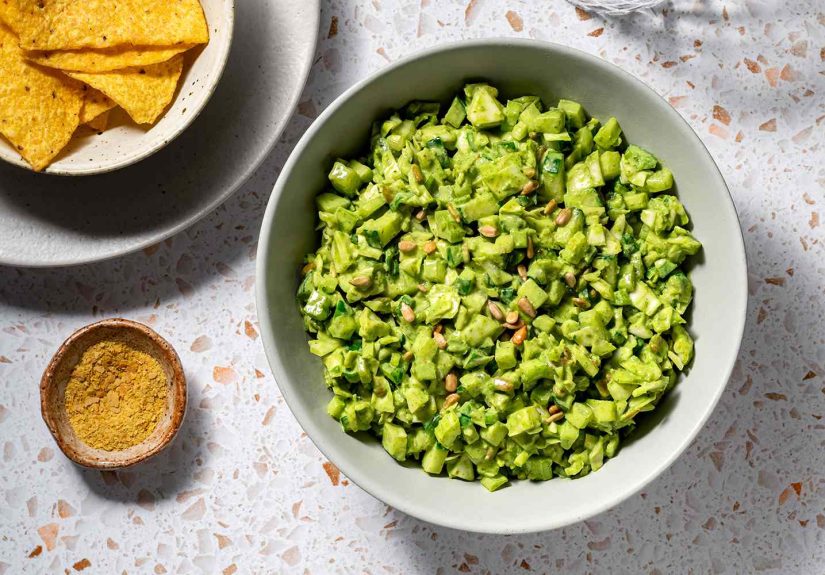
At its core, Green Goddess Salad is a chopped salad built around a deeply herb-forward dressing. The modern viral format usually
features finely chopped green cabbage, cucumber, chives, and scallions plus a creamy, bright dressing made from greens, acid, and
fat. The vibe is crunchy slaw meets dip-worthy saladyes, people really scoop it with chips.
A Quick History (Because Food Has Lore)
Green Goddess dressing is not new. Its classic U.S. origin story traces back to the Palace Hotel in San Francisco in the 1920s.
Traditional versions leaned on mayonnaise, fresh herbs, and anchovy, often with tarragon and chives for that distinct savory-herbal
character. Over time, American home cooks and test kitchens created lighter and more flexible versions using yogurt, avocado, olive
oil, and additional fresh herbs.
Why This Salad Works So Well
1) Texture Engineering
Finely chopped cabbage and cucumber create tiny, even pieces that hold dressing beautifully. You get crunch in every bite, not
random “all lettuce, no flavor” forkfuls.
2) Flavor Balance
Great Green Goddess flavor is a triangle:
- Herb freshness (basil, chives, parsley, tarragon, dill, scallions)
- Acidity (lemon juice and/or vinegar)
- Creamy body (cashews, mayo, yogurt, avocado, or a combo)
Miss one corner and the dressing tastes flat. Hit all three and it tastes restaurant-level.
3) Nutrition-Friendly Structure
The base is vegetable-heavy, and public-health nutrition guidance consistently supports this pattern: build meals around vegetables,
fiber, and variety. Also, if you’re trying to improve satiety, chopped high-volume vegetables plus a satisfying dressing can help
you feel full while keeping meals interesting.
Green Goddess Salad Recipe (Serves 4)
Salad Ingredients
- 1 small green cabbage, very finely chopped (about 6–7 cups)
- 3–4 baby cucumbers (or 1 large cucumber), finely chopped
- 1/4 cup chives, finely sliced
- 1 bunch scallions: white/light green parts for salad, dark green tops reserved for dressing
Dressing Ingredients
- 1 cup packed basil leaves
- 1 cup fresh spinach
- 1 small shallot, roughly chopped
- 2 garlic cloves
- 1/4 cup lemon juice (fresh)
- 2 tablespoons rice vinegar
- 1/4 cup extra-virgin olive oil
- 1/4 cup raw unsalted cashews (soak 20 minutes if your blender is weak)
- 1/3 cup nutritional yeast
- 1/2 to 1 teaspoon kosher salt (start low)
- 3–4 tablespoons cold water, as needed for blending
- Optional: 3–4 chives or a few parsley sprigs for extra herb punch
Method
-
Prep safely first: Wash hands, rinse produce under running water, and dry. Remove outer cabbage leaves if
needed. Keep raw proteins away from your salad station. -
Chop very fine: The signature texture depends on this. Aim for small, uniform pieces so the dressing coats
everything. -
Blend dressing: Add wet ingredients first, then herbs and solids. Blend until completely smooth and bright green.
If it stalls, add water 1 tablespoon at a time. -
Taste and tune: Need brightness? Add lemon. Too sharp? Add a teaspoon of olive oil. Too thick? Add water.
Too mellow? Add a pinch more salt. - Toss and rest briefly: Combine salad and dressing, then let it sit 5–10 minutes so flavors settle.
- Serve: Bowl it, scoop it with chips, pile it into wraps, or spoon over grains and protein.
Classic vs. Viral Green Goddess: What’s the Difference?
Classic Green Goddess Dressing
Traditional U.S. versions typically include mayonnaise and often sour cream, plus anchovy, parsley, chives, and tarragon.
The result is rich, savory, and deeply umami.
Viral Green Goddess Salad Dressing
Modern viral versions are often vegan and blender-based, using greens, cashews, olive oil, lemon, vinegar, and nutritional yeast.
The taste is brighter and greener, with a nutty creamy finish.
Which One Should You Make?
- Choose classic if you want a steakhouse-style, savory-herb dressing.
- Choose viral/vegan if you want lighter texture, no dairy, and a high-herb profile.
- Choose hybrid by adding Greek yogurt to the viral version for extra protein and tang.
Nutrition and Health: Practical, Not Preachy
Let’s keep it real: salad can be healthy, but dressing choices matter. A creamy dressing can absolutely fit into a balanced meal,
especially when the base is mostly vegetables and portions are intentional.
What the Vegetable Base Brings
- Vegetables provide important nutrients like potassium, fiber, folate, vitamin A, and vitamin C.
- Fiber supports digestive health and can improve fullness.
- High-volume, low-calorie produce can help manage total meal calories without tiny portions.
Useful Ingredient Reality Check
From federal raw-vegetable nutrition tables: a roughly 3.5-ounce serving of cucumber is very low in calories, and green cabbage is
still low-calorie while contributing fiber and micronutrients. Translation: the salad base gives you lots of crunch and volume for
relatively modest calories.
How to Make It Lighter Without Making It Boring
- Cut oil by 1 tablespoon and replace with cold water + extra lemon.
- Use half cashews and add plain Greek yogurt (if not vegan).
- Add herbs and acid before adding salt; flavor first, sodium second.
- Serve dressing generously enough for satisfaction, not soup-level coating.
Sodium Tips
If you’re watching sodium, start with less salt in the blender and adjust at the end. U.S. guidance often recommends staying under
2,300 mg sodium per day (with lower targets commonly suggested for many adults). Homemade dressing gives you more control than many
bottled options.
Food Safety and Storage (Important, YesStill Sexy)
Prep Safety Rules
- Wash hands for at least 20 seconds before and during prep.
- Rinse produce under running water; skip soap and commercial produce wash.
- Use clean knives and boards; keep raw meat/poultry/seafood separate from salad ingredients.
- Dry produce with a clean towel to reduce surface moisture and improve texture.
How Long Does Green Goddess Last?
-
Homemade dressing: usually best within 2–5 days for many classic dairy/mayo versions; some vegan herb-heavy
versions can hold up to about a week if chilled well. - Dressed salad: best the same day; for meal prep, store dressing separately and combine before serving.
- Opened bottled dressing: common food-safety guidance often allows about 2 months refrigerated (always verify the label).
Best Variations for Real Life
1) Protein-Packed Green Goddess Bowl
Add chickpeas, grilled chicken, tofu, or hard-boiled eggs. Build over farro, quinoa, or brown rice for a full meal.
2) Low-Sodium Green Goddess
Increase lemon zest, fresh herbs, black pepper, and garlic. You’ll miss less salt when aromatics are high.
3) Budget-Friendly Batch
Use cabbage as your main base (great value and crunch), frozen herbs when needed, and sunflower seeds in place of some nuts.
4) Kid-Approved “Dip Salad”
Chop everything tiny and serve with whole-grain crackers. Sometimes the line between salad and snack is where success happens.
Common Mistakes (And How to Fix Them Fast)
- Mistake: Dressing too thick. Fix: Blend in cold water 1 tablespoon at a time.
- Mistake: Bitter flavor. Fix: Add more lemon + a little fat to balance herbs.
- Mistake: Watery salad. Fix: Dry cucumbers and greens thoroughly before mixing.
- Mistake: Flat flavor. Fix: Add acid, not just salt.
- Mistake: Soggy leftovers. Fix: Store dressing separately.
Serving Ideas: Beyond “Side Salad Energy”
- As a dip with seeded crackers or pita chips
- Inside wraps with grilled chicken or crispy tofu
- Over salmon bowls with cucumber and herbs
- As taco slaw for shrimp or black bean tacos
- On toast with avocado and radish (yes, brunch approves)
of Experience: My Green Goddess Salad Season
I started making Green Goddess Salad for the same reason most people start making anything repeatedly: I was tired, hungry, and one
more “sad bowl of leaves” away from ordering expensive takeout. The first version I made was aggressively average. I chopped the
vegetables too big, my blender complained, and the dressing tasted like a lawn clipping with trust issues. But there was a spark.
The crunch was there, the lemon was bright, and I could tell this recipe had range.
Week two changed everything. I chopped the cabbage and cucumber much fineralmost confetti-styleand suddenly the salad ate like a
completely different dish. Every bite had the same balance of crunch and creaminess. That’s when I learned the biggest Green Goddess
truth: this is not a “throw ingredients in a bowl and hope” salad. It’s a texture salad. The knife work is the magic trick.
I tested dressing versions like I was running a tiny salad lab. Cashew-heavy? Silky and rich. Greek-yogurt version? Tangier and
lighter. Classic anchovy-mayo version? Bold and deeply savory, especially with tarragon. The best weeknight compromise for me became
half-cashew, half-yogurt with lots of lemon and herbs. It felt fresh but still had enough body to cling to the vegetables.
I also learned that storage strategy matters more than most people think. If I dressed the whole bowl, day two was soft and a little
weepy. If I kept dressing separate, day three lunch still snapped. Now I prep chopped vegetables in one container, dressing in
another, and a small topping cup with roasted chickpeas or pumpkin seeds for crunch insurance. Five minutes of setup saves three
days of “What am I eating?” stress.
The funniest part was serving it to friends who claimed they were “not salad people.” The chip-scooping format converted them fast.
Once people see this as a dip-friendly chopped salad instead of a moral obligation, everyone relaxes. I’ve brought it to game nights,
picnics, and one chaotic family potluck where it disappeared before the pasta salad got touched. I’m not saying Green Goddess Salad
started family peace talks, but I’m not saying it didn’t.
Over time, this recipe became less about strict ingredients and more about rhythm: keep it green, keep it crunchy, keep the dressing
balanced, and adjust to what’s in the fridge. Sometimes I add jalapeño for heat, sometimes avocado for extra creaminess, sometimes
tuna or grilled chicken when dinner needs to be a full meal. The template is forgiving, which is exactly what busy cooks need.
My biggest takeaway after making this salad across many weeks is simple: great healthy food is not about perfection. It’s about
repeatability. If a recipe tastes good enough that you want it again tomorrow, it wins. Green Goddess Salad wins because it’s
practical, flexible, and genuinely craveable. It brings “fresh” energy without punishing effort. And in real life, that is the
difference between a recipe you save and a recipe you actually live with.
Conclusion
The best Green Goddess Salad recipe is the one you can make on a normal day and still be excited to eat. Start
with the finely chopped cabbage-cucumber base, blend a bright herby dressing, and customize from there. Keep flavor balance in mind
(herbs + acid + creamy body), treat storage and food safety seriously, and use your own taste buds as the final editor. Whether you
want a vegan blender dressing, a classic anchovy-forward version, or a protein-packed meal bowl, Green Goddess can meet you where
you cook.
In short: crunchy texture, vivid flavor, smart prep, repeatable results. That is how a trendy salad turns into a keeper.