Table of Contents >> Show >> Hide
- What Is German Yogurt Salad Dressing?
- Why This German Yogurt Salad Dressing Recipe Works
- German Yogurt Salad Dressing Recipe
- Best Yogurt to Use
- The Key Flavor Ingredients
- How to Serve German Yogurt Salad Dressing
- Recipe Variations
- Storage Tips
- Common Mistakes to Avoid
- What Makes This Dressing Healthier Than Many Creamy Dressings?
- Best Salads for German Yogurt Dressing
- Helpful Experience Notes for Making German Yogurt Salad Dressing
- Conclusion
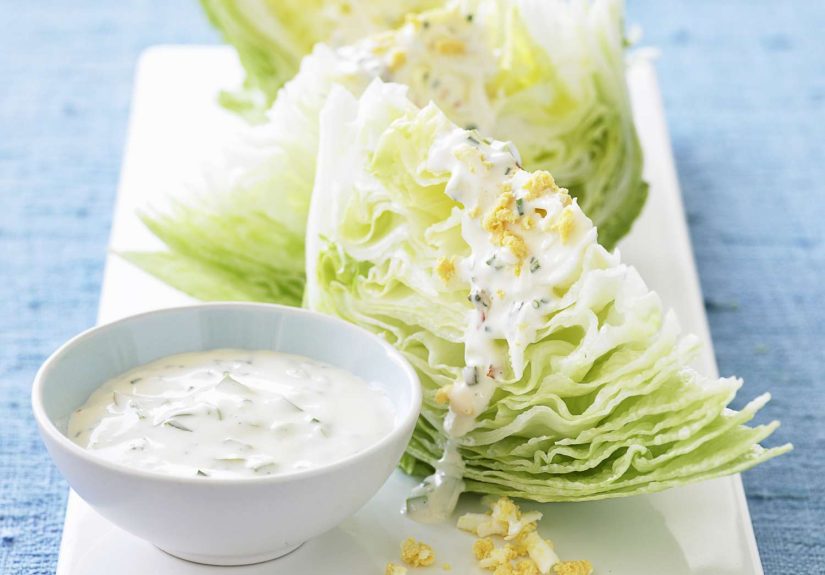
There are salad dressings that politely sit in the background, and then there is German yogurt salad dressing: creamy, tangy, herby, and just bold enough to make a bowl of lettuce feel like it got promoted. This simple dressing, often inspired by German Joghurtdressing or creamy dill salad sauces, turns plain greens, cucumbers, tomatoes, potatoes, and even cold noodles into something refreshingly bright.
The beauty of a German yogurt salad dressing recipe is that it does not try too hard. It uses everyday ingredientsplain yogurt, vinegar or lemon juice, fresh herbs, a little mustard, a touch of sweetness, onion, salt, and pepperand somehow tastes like it came from a cheerful countryside kitchen where everyone owns at least one excellent salad bowl.
This version is creamy without being heavy, tangy without making your eyes water, and flexible enough for weekday lunches, cookouts, picnic salads, or that moment when you open the fridge and discover lettuce staring back at you like it has given up on life.
What Is German Yogurt Salad Dressing?
German yogurt salad dressing is a cool, creamy dressing made with plain yogurt, herbs, acid, seasoning, and often a small amount of oil or mustard. It is commonly served with tender greens, cucumber salad, tomato salad, potato salad, and mixed vegetable salads. In Germany, yogurt-based dressings are appreciated because they offer the richness of a creamy dressing while staying lighter and fresher than mayonnaise-heavy options.
The classic flavor profile is simple: tangy dairy, fresh dill or chives, gentle onion flavor, a little sweetness, and enough vinegar or lemon juice to wake everything up. Think ranch dressing’s more restrained European cousinthe one who wears linen, speaks softly, and still somehow steals the show.
Why This German Yogurt Salad Dressing Recipe Works
The secret is balance. Yogurt brings creaminess and tang. Vinegar or lemon juice sharpens the flavor. Fresh herbs add that unmistakable garden-fresh finish. A pinch of sugar or honey softens the acidity, while mustard helps the dressing taste fuller and more rounded. Onion and garlic add depth, but they should be used carefully. This is dressing, not a vampire-defense system.
This recipe also works because it can be adjusted easily. Want it thicker for dipping? Use Greek yogurt. Want it pourable for delicate butter lettuce? Add a splash of milk or water. Want it sharper? Add more vinegar. Want it sweeter? Add a tiny bit more sugar. German yogurt dressing is forgiving, which is exactly what every home cook deserves.
German Yogurt Salad Dressing Recipe
Ingredients
- 1 cup plain whole-milk yogurt or plain Greek yogurt
- 2 tablespoons neutral oil or extra-virgin olive oil
- 1 tablespoon white wine vinegar, apple cider vinegar, or fresh lemon juice
- 1 teaspoon Dijon mustard or German-style mustard
- 1 teaspoon honey or sugar
- 1 small shallot or 2 tablespoons finely minced onion
- 1 small garlic clove, finely grated or minced
- 2 tablespoons chopped fresh dill
- 1 tablespoon chopped fresh chives
- 1 tablespoon chopped parsley, optional
- 1/2 teaspoon fine sea salt, plus more to taste
- 1/4 teaspoon freshly ground black pepper
- 1 to 3 tablespoons cold water or milk, as needed for thinning
Instructions
- In a medium bowl, whisk together the yogurt, oil, vinegar or lemon juice, mustard, and honey until smooth.
- Add the minced shallot or onion, garlic, dill, chives, parsley, salt, and pepper.
- Whisk again until the herbs are evenly distributed and the dressing looks creamy.
- Add cold water or milk, 1 tablespoon at a time, until the dressing reaches your preferred consistency.
- Taste and adjust. Add more vinegar for tang, more honey for balance, more salt for flavor, or more herbs for freshness.
- Cover and refrigerate for at least 15 minutes before serving. This short rest helps the onion, garlic, and herbs blend into the yogurt.
Recipe Yield
This recipe makes about 1 1/4 cups of dressing, enough for 6 to 8 side salads or one large family-style salad.
Best Yogurt to Use
Plain whole-milk yogurt is the best choice if you want a traditional, pourable dressing with a soft tang. It creates a silky texture that coats lettuce without turning the salad into a dairy-based construction project.
Greek yogurt makes a thicker, richer dressing. It is excellent for cucumber salad, potato salad, grain bowls, and dipping raw vegetables. If you use Greek yogurt, thin the dressing with a little water, milk, or buttermilk until it pours easily.
Low-fat yogurt can work, but it often tastes sharper and has less body. Nonfat yogurt is usable in a pinch, though the dressing may feel thinner and less satisfying. For the best flavor, choose unsweetened plain yogurt with no vanilla, fruit, or mystery dessert energy. Vanilla yogurt belongs near berries, not near onions.
The Key Flavor Ingredients
Dill
Dill is the herb most strongly associated with German cucumber salad and creamy yogurt dressings. It tastes grassy, fresh, slightly lemony, and perfect with cool vegetables. Fresh dill is best, but dried dill can work if that is what you have. Use about 1 teaspoon dried dill in place of 2 tablespoons fresh dill.
Chives
Chives add a gentle onion flavor without taking over the dressing. They are especially good if you plan to serve the dressing with tender greens, boiled potatoes, or sliced tomatoes.
Vinegar or Lemon Juice
White wine vinegar gives the dressing a clean, classic tang. Apple cider vinegar adds mild fruitiness. Lemon juice makes the dressing taste bright and fresh. All three work well, so use what fits your salad.
Mustard
A small amount of mustard gives the dressing structure and a savory backbone. Dijon mustard is easy to find, while German-style mustard can add a slightly sweeter, rounder flavor.
How to Serve German Yogurt Salad Dressing
This dressing is wonderfully versatile. It can make a simple green salad feel special, but it is also sturdy enough for heartier dishes. Try it with butter lettuce, romaine, cucumbers, tomatoes, radishes, cabbage, boiled potatoes, roasted carrots, grilled chicken, or cold pasta salad.
For a German-inspired cucumber salad, toss thinly sliced cucumbers with salt and let them sit for 15 minutes. Drain the excess liquid, then fold in the yogurt dressing. The result is cool, crisp, creamy, and perfect with grilled sausages, roast chicken, schnitzel-style cutlets, or a simple sandwich lunch.
For a quick potato salad, combine warm boiled potatoes with a few spoonfuls of dressing, sliced scallions, extra dill, and cracked pepper. The warm potatoes absorb the tangy yogurt flavor beautifully.
Recipe Variations
German Cucumber Yogurt Dressing
Add extra dill, reduce the garlic slightly, and use white wine vinegar. This version is ideal for Gurkensalat, the classic German cucumber salad.
Honey Mustard Yogurt Dressing
Increase the mustard to 2 teaspoons and use honey instead of sugar. This variation pairs well with chicken salad, roasted vegetables, and grain bowls.
Garlic Herb Yogurt Dressing
Add an extra garlic clove and include parsley, chives, and dill. This version makes a great dip for carrots, cucumbers, pita, pretzels, or roasted potatoes.
Light Buttermilk-Style Dressing
Replace 2 tablespoons of the yogurt with buttermilk or milk. The dressing becomes thinner, tangier, and easier to drizzle over delicate greens.
Storage Tips
Store German yogurt salad dressing in an airtight container in the refrigerator. For the best flavor and texture, use it within 3 to 4 days. Stir before serving because the herbs and liquid may separate slightly as the dressing sits.
Do not freeze this dressing. Yogurt can separate after thawing, leaving the texture grainy or watery. It will still be food, technically, but not food that inspires applause.
Also, avoid leaving yogurt dressing at room temperature for long periods. If you serve it at a picnic or cookout, keep it chilled until serving and return leftovers to the refrigerator promptly.
Common Mistakes to Avoid
Using Sweetened Yogurt
Sweetened yogurt can make the dressing taste strange, especially when mixed with garlic, onion, and vinegar. Always use plain unsweetened yogurt.
Adding Too Much Garlic
Garlic becomes stronger as it sits in yogurt. Start small. You can always add more, but you cannot politely remove garlic once it has taken over the bowl.
Skipping the Resting Time
Even 15 minutes in the refrigerator improves the flavor. The herbs soften, the onion mellows, and the dressing tastes more complete.
Forgetting the Salt
Yogurt needs salt to taste savory. Without enough salt, the dressing may taste flat, no matter how many herbs you add.
What Makes This Dressing Healthier Than Many Creamy Dressings?
Compared with many mayonnaise-based dressings, yogurt dressing is usually lighter while still offering a creamy texture. Yogurt also brings protein, calcium, and a pleasantly tangy flavor. That does not mean you need to treat salad dressing like medicine, but it is nice when something delicious also happens to be a smart everyday choice.
The recipe also lets you control the sugar, oil, and salt. Store-bought dressings can be convenient, but homemade dressing gives you the power to adjust every spoonful. You can make it brighter, thicker, herbier, lighter, or more savory depending on your salad and your mood.
Best Salads for German Yogurt Dressing
- Butter lettuce salad: Soft leaves pair beautifully with creamy herb dressing.
- Cucumber salad: Thin cucumbers, dill, and yogurt are a classic combination.
- Tomato salad: The acidity of tomatoes works well with the tangy dressing.
- Radish salad: Peppery radishes become milder and more refreshing.
- Potato salad: Yogurt dressing gives potatoes a lighter, fresher finish.
- Chicken salad: Use it instead of mayonnaise for a brighter version.
- Pasta salad: Thin the dressing slightly so it coats noodles evenly.
Helpful Experience Notes for Making German Yogurt Salad Dressing
The first time you make German yogurt salad dressing, it may seem almost too simple. You whisk yogurt, vinegar, herbs, and seasoning together, and suddenly you have something that tastes far more impressive than the effort involved. That is part of its charm. It is the kind of recipe that quietly becomes part of your weekly routine because it solves several kitchen problems at once.
One of the best experiences with this dressing is using it on cucumbers. Cucumbers contain a lot of water, so the trick is to slice them thin, salt them lightly, and let them rest before adding the dressing. This keeps the final salad from becoming watery. After draining, the cucumbers stay crisp while the yogurt dressing clings to each slice. Add fresh dill and black pepper, and you get a side dish that tastes cool, clean, and perfect for warm weather.
Another helpful lesson is that the dressing improves after a short rest. Right after mixing, the garlic and onion can taste sharp. After 15 to 30 minutes in the refrigerator, everything relaxes. The herbs become more fragrant, the yogurt absorbs the seasoning, and the dressing tastes smoother. If you are making dinner for guests, prepare the dressing first, then handle the rest of the meal. By the time the salad is ready, the dressing will be at its best.
Texture is another area where experience matters. If you want a dressing for lettuce, it should be pourable. If it is too thick, it can weigh down delicate leaves. Add cold water, milk, or buttermilk one spoonful at a time until it drizzles easily. For potatoes, grain bowls, or vegetable dip, keep it thicker. Greek yogurt is especially useful when you want a creamy dressing that can also double as a dip.
Fresh herbs make a noticeable difference. Dill gives the most traditional flavor, but chives and parsley add balance. If you only have one herb, use dill. If you have all three, congratulations, your refrigerator is having a productive week. Chop herbs finely so they distribute evenly through the dressing rather than forming leafy clumps.
The dressing also teaches a useful cooking habit: taste and adjust. Yogurt brands vary. Some are mild, some are tart, and some are thick enough to hold up a spoon like a tiny dairy monument. Because of that, the final seasoning may need small changes. If the dressing tastes dull, add salt. If it tastes too sharp, add a pinch of sugar or honey. If it tastes heavy, add lemon juice or vinegar. If it tastes too intense, add more yogurt.
In everyday cooking, this German yogurt salad dressing is especially useful because it feels fresh without requiring fancy ingredients. It can rescue leftover roasted vegetables, brighten a lunch salad, replace mayonnaise in a quick chicken salad, or become a dip for raw vegetables. It is practical, flexible, and quietly elegant. In other words, it is exactly the sort of recipe that makes you look organized even when dinner started with you staring into the fridge and hoping for a miracle.
Conclusion
A good German yogurt salad dressing recipe proves that creamy dressing does not have to be heavy, complicated, or packed with unnecessary ingredients. With plain yogurt, fresh herbs, vinegar or lemon juice, mustard, onion, and a tiny touch of sweetness, you can create a dressing that is refreshing, flexible, and full of flavor.
Use it on cucumbers for a classic German-inspired salad, drizzle it over tender greens, spoon it onto potatoes, or keep it thick as a vegetable dip. Once you learn the basic balance of creamy, tangy, herby, salty, and lightly sweet, you can adjust the recipe endlessly. It is simple enough for a weekday lunch and tasty enough for a dinner table where people ask, “Wait, did you make this?” Yes, you did. Try to act modest.
Note: This article is written in clean body-only HTML for web publishing, with SEO metadata provided in JSON format at the end as requested.