Table of Contents >> Show >> Hide
- Why fridge organization matters more than people think
- Know your fridge zones before you start moving food around
- How to organize your fridge step by step
- Best fridge organization products that are actually useful
- Common fridge organization mistakes to avoid
- How to keep your fridge organized all week
- Real-life experiences with fridge organization
- Conclusion
- SEO Tags
If your refrigerator currently looks like a cold-storage escape room, you are not alone. Most people do not wake up one morning and decide to create a carefully zoned masterpiece of produce, dairy, leftovers, and sauces. They just come home from the grocery store, open the fridge, and start playing nutritional Tetris. One yogurt goes here, half an onion goes there, and suddenly the spinach is trapped behind a mysterious jar that may be pesto or may be a science project with ambition.
The good news is that fridge organization is not about making your refrigerator look like a social media showroom where every strawberry has a life coach. It is about making food easier to find, easier to use, safer to store, and less likely to disappear into the back shelf abyss. A well-organized fridge saves time, cuts food waste, helps with meal planning, and makes weeknight cooking feel far less chaotic.
This guide will walk you through exactly how to organize your fridge in a smart, practical way. You will learn how to use each shelf properly, what should never live in the door, how to set up zones that actually make sense, and how to keep the whole thing under control without spending your weekends whispering motivational quotes to a bin of condiments.
Why fridge organization matters more than people think
A messy fridge is not just annoying. It can cost you money, waste food, and make everyday cooking harder than it needs to be. When ingredients are buried, forgotten, or shoved behind taller items, they are more likely to expire before you use them. That bag of arugula you bought with healthy intentions becomes a damp green apology. The leftover pasta becomes an archaeological finding. The unopened sour cream becomes a trust exercise you did not ask for.
Organization changes that. When similar items are grouped together and stored in the right places, you can see what you have at a glance. That means fewer duplicate purchases, fewer spoiled ingredients, and far less stress when you need to throw together breakfast, lunch, or dinner. It also improves food safety because certain parts of the fridge are better suited to specific foods. In other words, fridge organization is not fussy. It is functional.
Know your fridge zones before you start moving food around
The biggest mistake people make is assuming every inch of the refrigerator is equally cold and equally useful. It is not. Different areas of the fridge tend to hold temperature differently, so your layout should work with that reality instead of against it.
Top shelves: ready-to-eat foods and leftovers
The top shelves are a great home for foods that do not need cooking before eating. Think leftovers, prepared meals, hummus, yogurt, cooked grains, deli items, and drinks you reach for often. This is also a smart spot for meal-prep containers because they are visible, easy to grab, and less likely to get forgotten behind giant bottles of something citrus-flavored and suspiciously old.
Put your most time-sensitive ready-to-eat foods front and center. If you have leftovers from Tuesday, they should not be hiding behind a party platter from Saturday. The easier they are to see, the more likely they are to become lunch instead of a regret.
Middle shelves: dairy, eggs, and everyday staples
Use the middle shelves for items you use regularly, such as milk, cheese, butter, cottage cheese, and eggs. Keep eggs in their original carton rather than transferring them to a cute little egg tray on the door. The carton protects them, keeps them from absorbing strong odors, and makes it easier to track freshness. Also, the middle of the fridge tends to offer a more stable environment than the door, which is opened constantly by hungry people pretending they are “just looking.”
This is also the right place for lunchbox staples and breakfast regulars. If the family reaches for string cheese, berries, and yogurt every morning, put those items in one easy-to-access zone. Convenience is what turns good organization into a lasting habit.
Bottom shelf: raw meat, poultry, and seafood
If your refrigerator has one shelf that deserves a strict policy, it is the bottom shelf. Raw meat, poultry, and seafood should live here, ideally in a rimmed tray or container that can catch drips. This is one of the simplest ways to reduce the risk of juices leaking onto produce, leftovers, or other foods that are ready to eat.
Think of the bottom shelf as the refrigerator’s splash zone. Nothing raw should be hanging out above your salad ingredients like a villain in a food-safety documentary. Keep it low, contained, and separate.
Crisper drawers: fruits and vegetables, but not as roommates
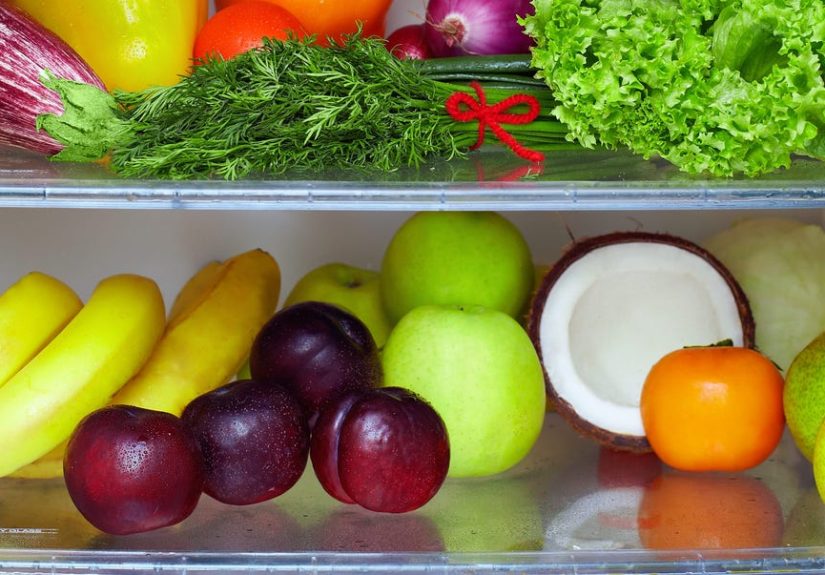
Crisper drawers are not decorative. They are there to help produce stay fresh longer. One drawer should generally be used for vegetables and the other for fruit, especially if your fridge has adjustable humidity settings. Vegetables usually do better in higher humidity, while fruits tend to prefer lower humidity and more airflow.
That separation matters because some fruits release ethylene gas, which can speed up ripening and spoilage in nearby produce. Translation: your apples may be minding their own business, but they can still turn your lettuce into a sad, floppy mess if everything is crowded together.
Wash produce when you are ready to use it, not necessarily before storing it, unless you plan to dry it thoroughly and prep it for quick meals. Too much moisture in storage can shorten its life. The cleaner-looking berry can sometimes be the faster-molding berry. Fridge organization is full of betrayal like that.
Door shelves: condiments, juices, and less delicate items
The fridge door is the warmest area because it gets hit with the most temperature changes. That makes it a better spot for condiments, pickles, jams, olives, salad dressings, and beverages. It is not the best place for highly perishable foods.
If you have always kept eggs or milk in the door because your fridge came with a handy shelf that practically invited them in, your fridge was being a little too confident. Save the door for items that can handle temperature swings better and keep more delicate foods deeper inside the fridge.
How to organize your fridge step by step
1. Empty everything out
Yes, everything. You cannot organize properly around old takeout containers, sticky mystery spills, and three open jars of mustard you apparently bought in a condiment panic. Remove the food, check dates, and be honest. If it smells wrong, looks wrong, or requires a family vote, it is probably wrong.
2. Clean before you reload
Wipe shelves, drawers, and walls with warm soapy water or a gentle cleaner recommended for refrigerators. Dry everything well before putting it back. This is also the perfect moment to deal with crumbs, leaks, and that one dried drip that has been living rent-free near the back vent since winter.
A clean fridge is easier to maintain because fresh spills are much easier to spot and remove. It also gives you a true reset rather than a prettier version of the same mess.
3. Toss packaging that wastes space
Bulky cardboard, oversized boxes, and giant plastic wrappers can eat up room fast. If a package is not helping with storage or freshness, remove it. Transfer items into space-efficient containers when it makes sense. This works especially well for snack packs, cheese sticks, washed greens, and meal-prep ingredients.
Just do not go overboard and turn every cucumber slice into a museum exhibit. The goal is better function, not a refrigerator that feels emotionally unavailable.
4. Group similar foods together
Create clear categories like dairy, breakfast items, lunch ingredients, produce, sauces, leftovers, and snacks. Once you assign a home to each category, your fridge becomes far easier to use and refill. Grouping also helps everyone in the house know where things belong, which is a huge win if your current system relies on telepathy.
Small bins can help contain categories without turning the entire fridge into visual noise. Clear bins work especially well because you can see what is inside without pulling everything out like a grocery-store magician.
5. Put the oldest items in front
Use a simple first-in, first-out approach. New groceries go behind older ones. Leftovers that need to be eaten soon should move to eye level. This one habit quietly reduces waste more than people realize because it keeps food from disappearing into the back row like a retired celebrity.
6. Label what needs a date
If you store leftovers, chopped produce, or batch-cooked meals in reusable containers, add a date label. You do not need a fancy system. Painter’s tape and a marker work beautifully. When you know what something is and when it went in, you are far more likely to use it.
7. Do not overfill the fridge
An overstuffed fridge looks productive, but it can make life harder. Too much food blocks airflow, makes items difficult to see, and increases the odds that something will expire in a hidden corner. Leave some breathing room between containers and avoid stacking things so high that finding one item turns into a kitchen version of Jenga.
Best fridge organization products that are actually useful
You do not need a shopping spree to organize your fridge, but a few simple tools can help:
- Clear bins: Great for cheese, snacks, deli items, and sauce packets.
- Lazy Susans: Excellent for jars, small bottles, and condiments that love hiding in corners.
- Stackable containers: Helpful for leftovers and meal prep.
- Drawer dividers: Useful if your crisper drawers tend to become produce mosh pits.
- Labels: Perfect for shared households where “I didn’t know whose this was” is a recurring speech.
Choose tools that fit your fridge dimensions and your actual habits. The best organizers are the ones you will use consistently, not the ones that look impressive for six days and then become one more thing to wash.
Common fridge organization mistakes to avoid
- Putting everything wherever it fits: Random placement creates clutter fast.
- Ignoring leftovers: They should be visible, dated, and eaten soon.
- Storing delicate foods in the door: Save that space for condiments and drinks.
- Mixing fruit and vegetables without a plan: Some produce does better separated.
- Keeping expired sauces forever: The fridge is not a retirement village for condiments.
- Forgetting weekly maintenance: Organization falls apart quickly without short resets.
How to keep your fridge organized all week
The secret to long-term fridge organization is not perfection. It is maintenance. Spend five minutes once or twice a week doing a mini reset. Toss anything spoiled, wipe small spills, move older items to the front, and check whether your produce drawers are still under control. That tiny routine prevents a full disaster later.
It also helps to create a “use first” spot. This can be one small bin or one visible area for ingredients that need attention soon, such as half an avocado, leftover roasted vegetables, or an open tub of sour cream. That zone quietly saves groceries from becoming compost in disguise.
Another smart habit is to unpack groceries with intention. Instead of shoving everything wherever there is a gap, take an extra two minutes to put items in their assigned zones. That is the whole game. Fridge organization is less about heroic deep cleans and more about tiny choices repeated consistently.
Real-life experiences with fridge organization
One of the most common experiences people have after organizing a fridge properly is pure shock at how much food they already had. It is strangely humbling to pull everything out and discover four open salad dressings, two identical blocks of cheddar, and a cucumber that seems to have emotionally checked out. Many people think they need more fridge space when what they really need is a system that makes existing space visible and usable.
In busy households, organization often changes the daily mood of the kitchen. Parents find school lunch prep easier because snacks, fruit, and sandwich ingredients are grouped together. People who meal prep say they are more likely to eat what they cooked when containers are visible and stacked neatly. Couples stop asking, “Do we have any yogurt?” five times a week because the answer is no longer hidden behind a tower of seltzer cans and a giant takeout bag.
There is also a strong money-saving effect that shows up over time. Once the fridge is arranged by zones and categories, duplicate shopping drops. You stop buying another tub of hummus because you can finally see the one you already own. You notice produce before it wilts. You use leftovers while they still look inviting instead of finding them after they have entered their villain era.
People who cook often usually say the biggest difference is mental, not visual. A neat fridge reduces friction. Dinner starts faster because ingredients are easy to find. Grocery lists become more accurate because you can scan what is missing in seconds. Cleaning becomes less dreadful because spills are not buried under clutter. Even opening the fridge feels calmer, which sounds dramatic until you have lived with a refrigerator that fights back every time you reach for milk.
Another common experience is learning that “organized” does not mean “Instagram-perfect.” Real fridges hold leftovers, random herbs, birthday cake, and sauces from takeout nights. The best systems leave room for real life. Maybe your house needs a grab-and-go breakfast shelf. Maybe you need one snack bin for kids and one shelf for dinner prep. Maybe your biggest victory is simply keeping raw meat contained and leftovers visible. That still counts as excellent organization.
Over time, most people settle into a version that suits their routine. The fancy bins may help, or maybe a few reused containers and some labels do the job just fine. What matters is that the fridge becomes easier to use, easier to clean, and less likely to surprise you with a forgotten container that feels like a biology final exam. In that sense, fridge organization is not about perfection at all. It is about making your kitchen work better for actual human life, with all its groceries, schedules, cravings, and occasional cheese-related chaos.
Conclusion
Learning how to organize your fridge is one of those small home upgrades that pays you back every single day. A better layout helps food stay accessible, reduces waste, supports safer storage, and makes cooking feel simpler. Start by understanding the zones, give every category a home, keep older food in front, and do quick weekly resets. You do not need a showroom fridge. You just need one that helps you find the spinach before it turns into gossip.