Table of Contents >> Show >> Hide
- Why Home Business Goals Need an Action Plan
- Start With One Big Goal, Not Twelve
- Know What Problem You Solve
- Do Market Research Before You Burn Time and Money
- Build a Simple Action Plan Template
- Set Financial Goals You Can Actually Manage
- Turn Your Marketing Into a Weekly System
- Use Content That Helps People, Not Content That Performs Cartwheels
- Protect the Business You Are Building
- Review Your Action Plan Every Week
- A 30-Day Action Plan Example for a Home Business
- Experience-Based Lessons From Real Home Business Growth
- Final Thoughts
Running a home business can feel a little like cooking dinner while answering emails, packing orders, and wondering whether your “temporary” folding table has quietly become your forever desk. The good news is that most home business goals are not impossible. They are just too vague. “Make more money” sounds nice, but it is not a plan. “Increase monthly revenue by 20% in the next six months by improving pricing, publishing weekly content, and building an email list” is a plan. One is a wish. The other wears work boots.
If you want your home business to grow, you need more than motivation and a color-coded notebook. You need an action plan that turns broad ambition into specific steps, deadlines, and numbers you can track. That means setting clear goals, knowing your market, building a realistic budget, choosing the right marketing channels, and reviewing progress before your strategy wanders off and joins a traveling circus.
This guide breaks down how to create an action plan that actually works for a home business. Whether you sell handmade products, offer freelance services, coach clients online, or run a tiny e-commerce shop from a suspiciously overworked dining room, these steps will help you move from “busy all day” to “making progress on purpose.”
Why Home Business Goals Need an Action Plan
A goal tells you where you want to go. An action plan tells you how you are getting there, who is doing what, when each step happens, and how you will know whether it is working. Without that structure, home business owners often fall into the classic trap: doing lots of tasks that feel productive while the important numbers barely budge.
That is especially true at home, where your business competes with laundry, family life, deliveries, and the dangerous illusion that reorganizing your office supplies counts as strategic planning. Sometimes it does. Usually it does not.
A strong action plan helps you:
- Turn general goals into specific milestones
- Prioritize the work that drives revenue
- Use time and money more efficiently
- Track results instead of guessing
- Adjust faster when something is not working
In other words, it gives your home business a roadmap instead of a pep talk.
Start With One Big Goal, Not Twelve
One of the quickest ways to sabotage a home business is to chase too many goals at once. You want more sales, a better website, stronger branding, more followers, faster shipping, a new course, a podcast, and maybe a logo that does not look like it was created during a caffeine emergency. Understandable. Not helpful.
Start with one primary business goal for the next quarter or the next six months. Then choose one or two supporting goals. Your primary goal should be tied to business outcomes, not vanity metrics.
Examples of strong home business goals
- Increase monthly revenue from $2,500 to $3,500 within 90 days
- Book 10 new retainer clients by the end of Q3
- Launch an online store and reach 100 sales in six months
- Grow your email list to 1,000 subscribers before the holiday season
- Reduce order fulfillment time from four days to two days in eight weeks
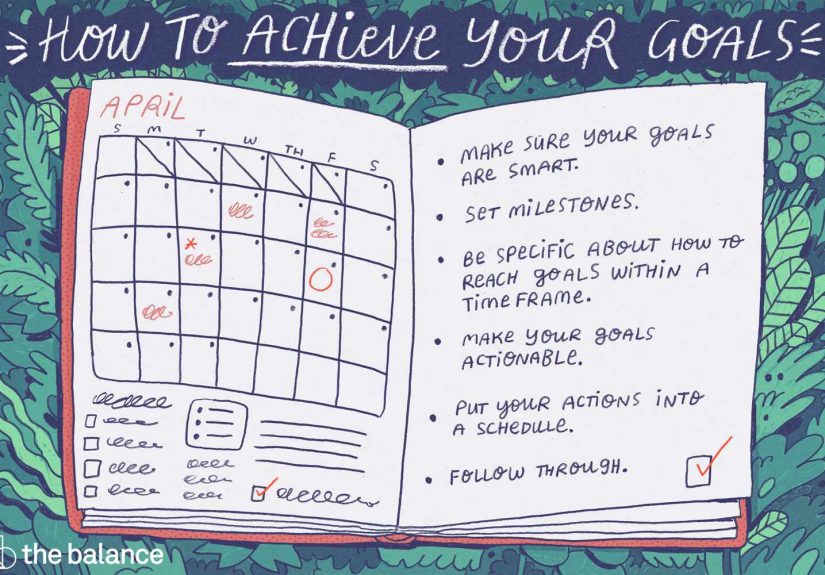
If your goal cannot be measured, it will be very hard to manage. That is why SMART goals still work so well. A goal should be specific, measurable, achievable, relevant, and time-bound. Glamorous? No. Effective? Very.
Know What Problem You Solve
Before you build your action steps, get brutally clear on what your business actually does for people. Not what you make. Not what you enjoy. What problem you solve.
Customers do not buy a handmade candle because they want wax in a jar. They buy a mood, a gift, a cozy home vibe, or a reason to pretend they have their life together. Clients do not hire a virtual assistant because they adore task lists. They hire one because they are overwhelmed and need hours back.
Write one sentence that explains your business like this:
“I help [specific audience] achieve [specific result] by providing [product or service].”
For example:
- I help busy parents serve easier weeknight meals by selling freezer-friendly meal plans.
- I help local real estate agents stay visible online by creating monthly social media content.
- I help dog owners solve grooming stress with in-home mobile appointments and simple care products.
That sentence becomes the anchor for your content, messaging, pricing, and sales offers.
Do Market Research Before You Burn Time and Money
Action plans fail when they are built on assumptions. You may believe customers want one thing while they are actively searching for something else. You may assume your pricing is the problem when the real issue is weak messaging. You may even think you have no competitors because you have avoided Googling them out of self-preservation.
Market research does not have to be expensive or dramatic. For a home business, it can be simple and practical:
- Study three to five competitors and compare offers, pricing, messaging, and reviews
- Look at search demand and common questions in your niche
- Survey past customers or ask leads what stopped them from buying
- Use local and demographic data if you serve a specific area
- Review your best-selling products or most profitable services
The goal is not to copy the market. It is to understand it. Good research helps you choose the right offer, the right audience, and the right next step. It can also save you from launching something no one asked for, which is a very expensive way to learn humility.
Build a Simple Action Plan Template
Once your goal is clear, break it into action steps. This is where strategy stops being decorative and starts being useful.
Your action plan should include:
- Goal: the result you want
- Tasks: the specific actions required
- Owner: who handles each task, even if that is mostly you
- Deadline: when each task must be completed
- Metric: how you will measure progress
- Tools or budget: what resources are needed
Example action plan for a home-based service business
Goal: Add five new monthly clients in 60 days.
- Clarify service packages and update pricing page by May 10
- Publish two portfolio case studies by May 18
- Send outreach emails to 15 warm leads per week
- Post three educational LinkedIn posts each week
- Create a lead magnet and email welcome sequence by May 25
- Track inquiries, calls, and close rates every Friday
Notice what is missing? “Work harder.” Useless. “Be more visible.” Too vague. Your plan should tell you exactly what to do next Monday morning.
Set Financial Goals You Can Actually Manage
Many home business owners focus on sales goals and forget the numbers underneath them. Revenue matters, but so do profit margins, expenses, taxes, cash flow, and customer acquisition cost. You can be busy, booked, and still deeply annoyed by your bank account.
Your action plan should include at least three financial checkpoints:
1. Revenue target
How much money do you want to bring in monthly or quarterly?
2. Expense cap
How much are you willing to spend on supplies, software, shipping, ads, and contractors?
3. Cash flow schedule
When does money come in, and when does it go out? Timing matters more than many owners realize.
If you work from home, keep business finances organized from day one. Separate accounts, accurate records, and consistent bookkeeping make better decisions possible. They also make tax season far less dramatic. And yes, if you qualify, the IRS simplified home office deduction uses a set amount per square foot for eligible business use of your home, up to a limit, but the bigger lesson is not “ooh, deduction.” The bigger lesson is “please keep records like a responsible adult.”
Turn Your Marketing Into a Weekly System
A home business does not need to be everywhere. It needs to be consistent where its customers already pay attention. Your action plan should turn marketing into a repeatable system, not a series of random bursts of panic.
Focus on four marketing essentials
Clear messaging
Your website homepage, social bio, and sales pages should quickly explain what you do, who it is for, and why someone should care.
One core traffic channel
This might be Google search, Instagram, Pinterest, YouTube, LinkedIn, referrals, or local discovery. Pick one to strengthen first.
Email capture
Social reach can shrink overnight. An email list gives you a direct line to potential buyers. Even a simple free checklist, guide, or discount offer can help you start collecting leads.
Performance tracking
Track the basics: traffic, leads, inquiries, conversion rate, email signups, repeat purchases, and cost to acquire a customer. You do not need a spaceship dashboard. You need a few numbers you actually read.
If your business serves local customers, make sure your local presence is polished too. A complete business profile, accurate contact details, service area, hours, and reviews can help more people find and trust you. That is not a flashy growth hack. It is basic visibility, which is often more profitable than cleverness.
Use Content That Helps People, Not Content That Performs Cartwheels
For many home businesses, content marketing is one of the most affordable ways to build trust and attract buyers over time. But content only works when it is genuinely useful. Search engines and human beings both seem to appreciate that refreshing standard.
Create content that answers real questions your audience is already asking. Think:
- How-to blog posts
- Short tutorial videos
- Before-and-after examples
- Product comparisons
- FAQs about cost, timing, fit, or results
- Case studies and customer stories
Instead of posting every day with no direction, add content to your action plan. For example:
- Write one SEO-focused blog post every week
- Email your list every Thursday
- Create two short videos from each blog post
- Ask one happy customer each week for a review or testimonial
Useful content compounds. One strong article can rank in search, support social posts, feed your email list, and answer sales objections for months. That is the kind of overachiever you want on your team.
Protect the Business You Are Building
Home business owners often spend plenty of time building offers and very little time protecting the business itself. That is a mistake. Your action plan should include basic risk management, especially if you collect customer data, sell online, or rely on digital tools to operate.
Add these protective steps to your plan:
- Use strong, unique passwords and multi-factor authentication
- Back up important files regularly
- Keep software and devices updated
- Watch for phishing and scam attempts
- Review refund, privacy, and customer communication policies
- Check local rules, licenses, and permit requirements where needed
It is not the glamorous part of entrepreneurship, but neither is fixing a preventable mess at 11:40 p.m. while trying to remember your payment processor password.
Review Your Action Plan Every Week
A plan is not something you write once and frame like a family portrait. It should be reviewed weekly and adjusted monthly. Your review can be simple:
- What got done?
- What moved the needle?
- What got ignored?
- What felt harder than expected?
- What should change next week?
Use that review to make decisions based on evidence, not mood. Some weeks your strategy needs a tweak. Some weeks your schedule needs a reality check. Some weeks you just need fewer tabs open and more sleep. All are valid business insights.
A 30-Day Action Plan Example for a Home Business
If you want a practical starting point, here is a simple 30-day framework:
Week 1: Clarify
- Choose one primary business goal
- Define your target customer
- Review competitors and pricing
- Write your core business message
Week 2: Organize
- Create your action plan with tasks and deadlines
- Set revenue, expense, and lead goals
- Clean up bookkeeping and records
- Update your website or service page
Week 3: Market
- Publish one useful article or video
- Create an email signup offer
- Post consistently on one main channel
- Ask current customers for reviews or referrals
Week 4: Measure
- Review traffic, leads, sales, and conversions
- Identify your best-performing offer or message
- Cut one low-value task
- Plan the next 30 days based on what worked
That is not complicated. It is just focused. Focus beats frenzy almost every time.
Experience-Based Lessons From Real Home Business Growth
If you spend enough time around home business owners, you notice a pattern: the businesses that grow are not always the fanciest. They are often the ones with the clearest offers, the simplest systems, and the best follow-through. The owner may not have a perfect brand kit, a custom office, or a ring light that makes them look like a benevolent moon goddess. But they know what they sell, who they help, and what happens next every week.
One common experience is that people start by underpricing themselves because they are working from home and assume customers will value them less. Then they discover that low prices attract the wrong buyers, create more work, and leave no room to improve service. Once they raise prices, define deliverables clearly, and position the offer around value instead of apology, the business gets healthier fast. Fewer headaches, better clients, better margins. A beautiful trilogy.
Another lesson is that many owners overestimate how much they need to do and underestimate how much they need to repeat. They try ten marketing tactics for three days each, then conclude that marketing does not work. In reality, the businesses that gain traction usually commit to one channel long enough to learn it. They publish useful blog posts every week. They send a regular email. They ask for reviews consistently. They follow up with leads instead of assuming silence means rejection. Repetition is boring, but boring pays bills.
There is also the time-management reality. Running a business from home can blur the line between being available and being effective. A lot of owners discover that being “always on” is not a badge of honor; it is a scheduling problem wearing a heroic cape. The most successful ones create office hours, batch tasks, automate what they can, and protect time for sales and delivery work. They stop answering non-urgent messages all day and start treating focused work like an appointment.
And then there is the emotional side. Progress often looks messier up close than it does on social media. Some months are steady. Some are weird. Some feel like you are building momentum, and some feel like you are professionally refreshing your inbox. That is why action plans matter so much. They give you something steady to follow when motivation dips. Instead of asking, “Do I feel inspired today?” you ask, “What does the plan say to do next?” That question is much less glamorous and much more profitable.
In the end, the most useful experience-based truth is this: home business growth is rarely about one giant breakthrough. It is usually the result of small, smart actions done consistently. Clear goal. Better offer. Stronger message. Weekly review. Better follow-up. Cleaner finances. Repeat. It is not flashy, but it works.
Final Thoughts
If you want to achieve your home business goals, do not wait for perfect timing, perfect branding, or a sign from the entrepreneurial heavens. Build an action plan. Choose a measurable goal, break it into clear steps, assign deadlines, track the right numbers, and review the results regularly. Keep the plan practical, not precious.
Your home business does not need more random hustle. It needs direction. When you pair focused goals with consistent action, growth becomes a process instead of a mystery. And that is when your business starts feeling less like a side project at the kitchen table and more like the real company it is becoming.