Table of Contents >> Show >> Hide
- What HDL Cholesterol Actually Does
- Best Foods To Eat to Increase HDL Cholesterol
- 1. Extra-Virgin Olive Oil
- 2. Fatty Fish
- 3. Avocados
- 4. Nuts
- 5. Seeds: Flaxseed and Chia
- 6. Beans, Lentils, and Other Legumes
- 7. Oats and Barley
- 8. Fruits High in Soluble Fiber
- 9. Vegetables, Especially the Non-Starchy Variety
- 10. Whole Grains
- 11. Soy Foods
- 12. Foods Fortified With Plant Sterols and Stanols
- Foods and Habits That Can Work Against HDL
- How To Build Meals That Support HDL Cholesterol
- Can Food Alone Raise HDL Cholesterol?
- Common Mistakes People Make
- Real-Life Experiences: What People Often Notice When They Start Eating for Better HDL
- Final Takeaway
If HDL cholesterol had a publicist, it would absolutely insist on being introduced as “the good cholesterol.” And to be fair, HDL has earned the nickname. It helps move cholesterol away from your arteries and back to your liver, where your body can process and remove it. That sounds wonderfully efficient, like the friend who cleans up after the party without being asked.
But here’s the part many articles skip: you do not need to obsess over HDL in isolation. A heart-healthy eating pattern matters more than trying to force one number upward with a single “superfood.” In real life, the best foods for increasing HDL cholesterol are usually the same foods that improve your overall lipid profile, support a healthy weight, and make your cardiologist a little less dramatic at your next checkup.
So yes, certain foods can help support healthier HDL levels. No, there is not a magical avocado the size of a basketball that will solve everything by Tuesday. What works is consistency. Below, you’ll find the foods most worth putting on your plate, why they help, and how to use them without turning your kitchen into a wellness laboratory.
What HDL Cholesterol Actually Does
HDL stands for high-density lipoprotein. Think of it as part of your body’s cholesterol transportation system. HDL helps pick up extra cholesterol from the bloodstream and tissues and brings it back to the liver. Because of that role, higher HDL levels are generally associated with lower heart disease risk.
Still, more is not always better in a simplistic way. Doctors now look at your entire cardiovascular picture: LDL cholesterol, triglycerides, blood pressure, blood sugar, body weight, family history, exercise habits, smoking status, and more. That means the goal is not just “raise HDL at all costs.” The real goal is to improve your overall heart health.
That is why the best diet for HDL is not a weird, restrictive plan full of mystery powders. It is a sustainable pattern built around unsaturated fats, fiber-rich carbohydrates, minimally processed foods, and smarter swaps for saturated and trans fats.
Best Foods To Eat to Increase HDL Cholesterol
1. Extra-Virgin Olive Oil
Olive oil is one of the easiest upgrades you can make. It is rich in monounsaturated fat, which may help improve cholesterol balance when used in place of butter, shortening, or heavily processed spreads. In practical terms, that means drizzling olive oil on roasted vegetables, whisking it into salad dressing, or using it for light sautéing instead of relying on butter for every pan-based life decision.
The keyword here is replace. Adding olive oil on top of an already high-calorie diet is less helpful than using it instead of less heart-friendly fats. A tablespoon on steamed green beans? Smart. A half cup because “it’s healthy”? Less smart.
2. Fatty Fish
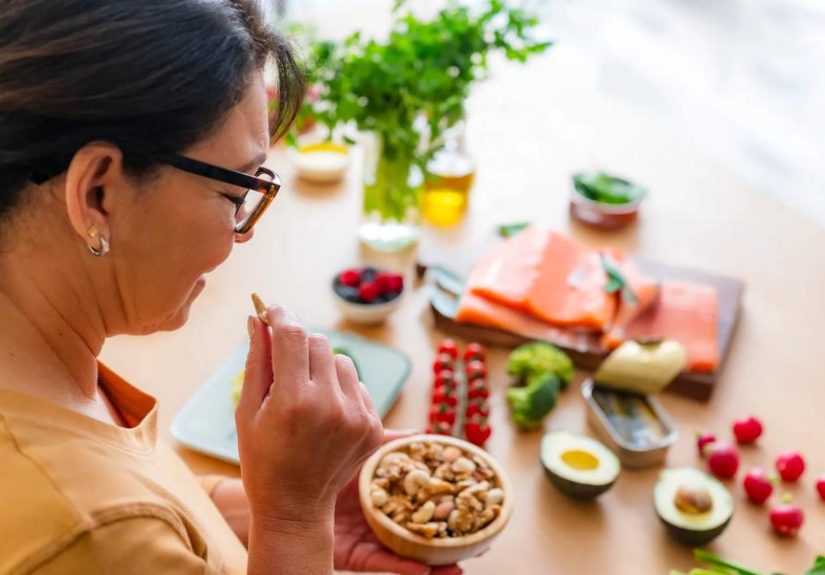
Salmon, sardines, trout, mackerel, and herring are all strong choices. These fish are rich in omega-3 fatty acids, which are famous for helping heart health. While omega-3s are often discussed more for triglycerides than HDL specifically, they are still part of a heart-supportive eating pattern that tends to improve cholesterol numbers overall.
Try to work fatty fish into meals a couple of times a week. Grilled salmon with brown rice and roasted broccoli is the obvious classic. Sardines on whole-grain toast with lemon and herbs are less glamorous but extremely effective. Think of it as practical nutrition with a slightly better PR campaign.
3. Avocados
Avocados are basically nature’s creamy loophole. They bring monounsaturated fats, fiber, and a satisfying texture that can help you cut back on less helpful foods. Research has linked avocados with improved cholesterol quality, and they fit beautifully into a Mediterranean-style eating pattern.
Use avocado slices on sandwiches instead of mayo-heavy spreads. Mash one into a bean bowl. Add cubes to salads with chickpeas and tomatoes. The idea is not to eat avocado because the internet told you it is trendy. The idea is to use it as a strategic swap for foods higher in saturated fat.
4. Nuts
Almonds, walnuts, pistachios, pecans, and hazelnuts all deserve some respect here. Nuts provide unsaturated fats, fiber, and plant compounds that support heart health. They are also satisfying, which matters more than people think. When a snack actually fills you up, you are less likely to go hunting for cookies at 4:17 p.m. like a raccoon with Wi-Fi.
A small handful makes a great snack. You can also chop nuts into oatmeal, yogurt, salads, or grain bowls. Walnuts are especially well known in heart-healthy eating plans, but variety is helpful. Just watch portions, because nuts are nutrient-dense and calorie-dense. Delicious little overachievers.
5. Seeds: Flaxseed and Chia
Flaxseed and chia seeds are tiny but useful. They contain healthy fats, fiber, and plant nutrients that can support a healthier cholesterol profile. Ground flaxseed is usually easier to absorb than whole flaxseed, so sprinkle it into oatmeal, smoothies, yogurt, or pancake batter.
Chia seeds work well in overnight oats, puddings, and smoothies. If you like the idea of a food that does not require cooking, chopping, or emotional preparation, seeds are on your side.
6. Beans, Lentils, and Other Legumes
Beans are one of the most underrated foods in nutrition. They are inexpensive, filling, rich in soluble fiber, and loaded with plant protein. Soluble fiber helps reduce cholesterol absorption, and replacing some red or processed meat with beans can improve the overall fat quality of your diet.
Black beans in tacos, lentils in soup, chickpeas in salads, white beans mashed onto toast, edamame as a snacknone of this needs to be fancy. Legumes are the kind of quiet, dependable food that keeps showing up in evidence-based dietary advice because they work.
7. Oats and Barley
Oats and barley are famous for soluble fiber, especially beta-glucan. That fiber helps bind cholesterol in the digestive tract and carry it out of the body. This benefit is more often discussed for lowering LDL, but foods that improve LDL and support metabolic health are still part of a smart HDL-supportive diet.
Start with oatmeal, overnight oats, or a barley grain bowl. Choose less processed forms when possible and keep added sugar in check. A bowl of oats topped with berries, walnuts, and a spoonful of ground flax is a much better morning strategy than a pastry that tastes like frosting wearing a disguise.
8. Fruits High in Soluble Fiber
Apples, pears, oranges, berries, and prunes all deserve space in the conversation. These fruits bring fiber and antioxidants while helping crowd out ultra-processed snacks. Whole fruit is especially useful because it comes with natural structure and fiber, unlike fruit-flavored products that are basically dessert with a wellness accent.
Pair fruit with nuts for a snack, add berries to breakfast, or slice pears into salads. You do not need exotic fruit imported from a mountain you cannot pronounce. Regular grocery store fruit works just fine.
9. Vegetables, Especially the Non-Starchy Variety
Leafy greens, broccoli, Brussels sprouts, eggplant, okra, carrots, and cauliflower all support heart health in different ways. They add fiber, volume, and nutrients without loading your diet with saturated fat or added sugar. Some vegetables, such as Brussels sprouts and okra, are particularly known for their soluble fiber content.
Vegetables may not “raise HDL” dramatically on their own, but they help improve the total eating pattern. That matters. A plate anchored by vegetables often leaves less room for fried sides, creamy sauces, and other cholesterol troublemakers.
10. Whole Grains
Whole grains like brown rice, quinoa, farro, whole-wheat bread, and whole-grain pasta can support better cholesterol management when they replace refined grains. They usually offer more fiber, better satiety, and steadier blood sugar control than heavily processed options.
That does not mean every bread labeled “multigrain” is automatically a saint. Read labels when you can. Look for whole grains near the top of the ingredient list, and aim for foods that actually resemble food instead of a chemistry project with inspirational packaging.
11. Soy Foods
Tofu, edamame, tempeh, and unsweetened soy milk can help create a more heart-healthy plate, especially when used in place of fatty meats. Soy foods provide plant protein and fit naturally into meal patterns designed to improve cholesterol.
Try tofu stir-fry with vegetables and brown rice, edamame in grain bowls, or tempeh in wraps. The benefit is not magic soy chemistry alone. It is also the simple fact that plant proteins often replace foods higher in saturated fat.
12. Foods Fortified With Plant Sterols and Stanols
Some spreads, yogurts, and other products are fortified with plant sterols or stanols, compounds that can help block cholesterol absorption. These are not essential for everyone, but they can be a useful add-on for people actively trying to improve cholesterol numbers.
If you choose these products, use them as part of a bigger strategy rather than a hall pass for the rest of your diet. A sterol-fortified spread on whole-grain toast is helpful. A sterol-fortified spread on a double cheeseburger is, shall we say, a mixed message.
Foods and Habits That Can Work Against HDL
If you want to support healthier HDL levels, what you cut back on matters almost as much as what you add. Trans fats are the clearest villain here. They can lower HDL and worsen your overall cholesterol profile. Many manufacturers have reduced them, but they still appear in some processed baked goods, fried foods, and packaged snacks.
It also helps to limit foods high in saturated fat, such as fatty cuts of meat, processed meats, butter-heavy dishes, full-fat dairy in excess, and many ultra-processed foods. Refined carbohydrates and added sugars can also work against a healthy lipid pattern, especially when they crowd out fiber-rich foods.
And while alcohol sometimes gets a cameo in HDL conversations, it is not a recommended treatment. If you do not drink, this is not the moment to begin because your cholesterol number needs attention. There are better strategies that do not also come with extra risks.
How To Build Meals That Support HDL Cholesterol
Instead of obsessing over one nutrient at a time, build meals with a simple formula:
- Base: vegetables or fruit
- Fiber-rich carbohydrate: oats, barley, beans, lentils, or whole grains
- Healthy fat: olive oil, avocado, nuts, or seeds
- Lean or plant protein: fish, beans, tofu, lentils, or skinless poultry
Here is what that looks like in real life:
- Breakfast: Oatmeal with berries, walnuts, and ground flaxseed
- Lunch: Salad with chickpeas, avocado, olive oil vinaigrette, and whole-grain bread
- Snack: Apple slices with almonds
- Dinner: Grilled salmon, barley, and roasted Brussels sprouts
Nothing extreme. Nothing expensive by default. Just a pattern that keeps showing up in good nutrition advice because it works.
Can Food Alone Raise HDL Cholesterol?
Sometimes, yesbut usually modestly. That is the honest answer. Food can support healthier HDL levels, especially when you replace saturated and trans fats with unsaturated fats and eat more fiber-rich whole foods. But dramatic changes in HDL usually do not come from one grocery trip.
Exercise, smoking cessation, weight loss when appropriate, sleep, and genetics all play major roles. Some people do everything “right” and still have numbers that reflect strong family history. That does not mean their efforts are wasted. It means health is not a morality contest, and your lab results are not grading your personality.
If your cholesterol is a concern, the smartest move is to combine dietary changes with professional guidance, especially if you have diabetes, high triglycerides, a strong family history of heart disease, or very high LDL cholesterol.
Common Mistakes People Make
Thinking one food will fix everything
No single food can undo a diet full of fried foods, sugary drinks, and processed snacks. The big win comes from your overall eating pattern.
Adding healthy fats without replacing unhealthy ones
Olive oil, nuts, seeds, and avocado are great. But they work best when they replace less healthy fats, not when they become bonus calories on top of them.
Ignoring fiber
People get excited about salmon and avocados, but forget oats, beans, fruit, and vegetables. Fiber deserves better PR.
Using alcohol as a “heart health” strategy
That is not a recommended plan. Full stop.
Real-Life Experiences: What People Often Notice When They Start Eating for Better HDL
One of the most common experiences people describe is that the shift feels surprisingly ordinary after the first week. At the beginning, “eat for better cholesterol” sounds dramatic, as if every meal will now involve bland steamed fish and a permanent state of emotional disappointment. In reality, many people find the biggest change is not deprivation but structure. Breakfast becomes oatmeal with fruit and nuts instead of a sugary pastry. Lunch becomes a grain bowl or salad with beans, olive oil, and avocado instead of fast food. Dinner leans more often toward salmon, lentils, roasted vegetables, or stir-fried tofu. The food is not sad. It is just less chaotic.
Another common experience is improved fullness. Meals built around fiber, healthy fats, and lean protein tend to keep people satisfied longer. Someone who used to grab chips at midmorning may realize they are no longer prowling the kitchen when breakfast includes oats, flaxseed, and walnuts. A person who swaps a processed deli sandwich for a chickpea-and-avocado salad on whole-grain bread often notices steadier energy in the afternoon. This matters because better cholesterol habits are easier to maintain when they also make everyday life feel better.
People also often report that shopping gets simpler. Once you know the pattern, the grocery cart becomes more predictable: olive oil, fruit, vegetables, beans, oats, fish, nuts, seeds, yogurt, tofu, whole-grain bread. That consistency reduces decision fatigue. Instead of wondering whether a food is “good” or “bad,” many start asking a more useful question: “Does this meal help my overall heart health?” That shift in mindset can be incredibly freeing.
There is usually a learning curve, of course. Some people realize they were adding healthy foods without removing less helpful ones. A daily salad does not do much heavy lifting if dinner is still built around processed meat, fries, and dessert every night. Others find portion sizes matter more than expected, especially with calorie-dense foods like nuts, oils, and avocado. These foods are beneficial, but they are not magical. A sensible amount tends to work better than treating “healthy fat” like an unlimited rewards program.
Another very real experience is patience. Cholesterol changes do not happen overnight, and that can frustrate people who are used to instant feedback from everything else in modern life. But many who stick with these changes for several weeks or months say the routine becomes easier before the lab results even arrive. They notice less reliance on takeout, more confidence in meal prep, better digestion from the extra fiber, and a greater sense of control. Then, when follow-up labs come back, even modest improvement feels meaningful because it reflects habits they can actually live with.
Perhaps the biggest experience people describe is that eating for HDL ends up being less about chasing one number and more about building a lifestyle that feels sustainable. They are not just “on a cholesterol diet.” They are cooking more, eating more plants, choosing better fats, and making meals that support long-term heart health. That perspective tends to last longer than any fad plan, which is exactly what your heart would probably request if it could text.
Final Takeaway
If you want foods to eat to increase HDL cholesterol, focus on a dietary pattern rich in olive oil, fatty fish, avocados, nuts, seeds, beans, oats, fruits, vegetables, and whole grains. These foods support healthier HDL levels while also helping improve the bigger picture: LDL cholesterol, triglycerides, satiety, blood sugar control, and long-term heart health.
The best strategy is not glamorous, but it is effective: replace saturated and trans fats with unsaturated fats, eat more fiber, cut back on highly processed foods, and build meals that look like they came from an actual kitchen instead of a vending machine. That is how you support HDL cholesterol in a way that is realistic, evidence-based, and much easier to live with than internet nutrition drama.