Table of Contents >> Show >> Hide
- What Is a Linear Strip Shower Drain?
- Why Linear Shower Drains Are So Popular in Modern Bathrooms
- Types of Linear Strip Shower Drains
- Where Should a Linear Shower Drain Be Placed?
- Installation Considerations Before You Buy
- Linear Strip Shower Drain Materials and Finishes
- Maintenance: How to Keep a Linear Shower Drain Clean
- Pros and Cons of Linear Strip Shower Drains
- Best Design Ideas for Using a Linear Shower Drain
- Common Mistakes to Avoid
- Is a Linear Strip Shower Drain Worth It?
- Real-World Experience: What Homeowners Learn After Living With a Linear Shower Drain
- Conclusion
A linear strip shower drain is the quiet overachiever of modern bathroom design. It does not shout for attention like a freestanding tub, a dramatic marble wall, or a showerhead the size of a dinner plate. Instead, it sits neatly along the shower floor, doing the deeply unglamorous job of moving water away while making the entire bathroom look cleaner, sleeker, and more expensive. That is a pretty good résumé for a long, narrow piece of metal.
Also known as a linear shower drain, trench drain, channel drain, or strip drain, this fixture has become a favorite in contemporary bathrooms, curbless showers, wet rooms, spa-inspired remodels, and accessible home upgrades. Unlike the traditional round center drain that requires the shower floor to slope from multiple directions, a linear strip shower drain allows the floor to slope in one direction. That single design change opens the door to larger tiles, fewer awkward cuts, cleaner grout lines, and a shower that feels less like a plumbing compromise and more like a design decision.
But a linear drain is not just a pretty face. Choosing the right one affects drainage performance, waterproofing, tile layout, accessibility, maintenance, and long-term durability. Pick well, and your shower feels like a boutique hotel. Pick carelessly, and your bathroom may develop the personality of a small indoor pond. Let’s avoid the pond.
What Is a Linear Strip Shower Drain?
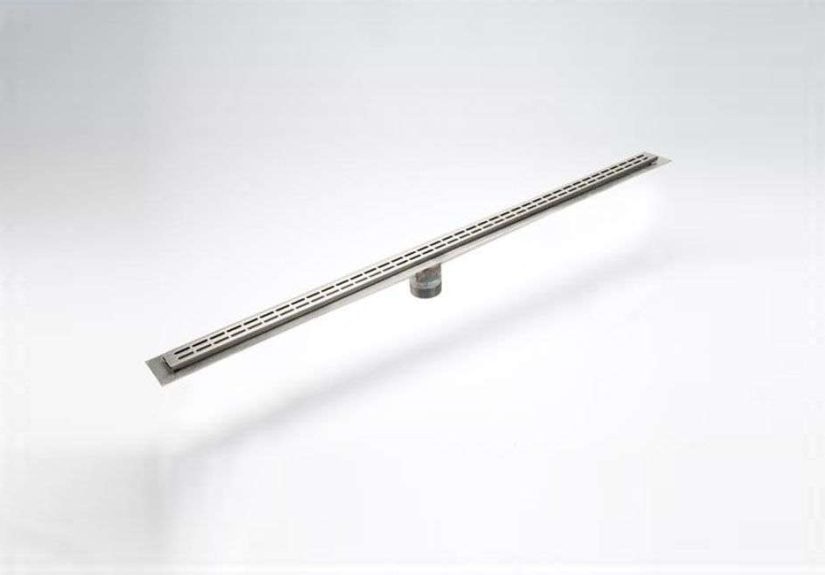
A linear strip shower drain is a long, rectangular drain installed in a shower floor to collect and remove water. It is usually placed along one wall, at the shower entrance, or across one side of the wet area. The visible part may be a stainless steel grate, a tile-in cover that blends into the floor, or a decorative patterned plate.
The main advantage is geometry. A traditional center drain requires the floor to slope toward one point, which often means smaller tiles are easier to install because they can follow the changing angles. A linear shower drain, by contrast, supports a single-plane slope. The shower floor can tilt gently in one direction, which works beautifully with large-format porcelain tile, stone-look slabs, terrazzo, concrete-style tile, or minimalist bathroom flooring.
In simple terms, a linear drain takes water management and makes it look intentional. It turns “the floor has to drain somehow” into “this bathroom clearly had a design plan.”
Why Linear Shower Drains Are So Popular in Modern Bathrooms
They Create a Clean, Minimalist Look
The popularity of linear strip shower drains is closely tied to the rise of modern bathroom design. Homeowners want open layouts, frameless glass, large tiles, spa-style finishes, and fewer visual interruptions. A long, slim drain naturally fits that look. It visually stretches the shower, reduces clutter, and can almost disappear when paired with a tile-in grate.
A tile-in linear drain is especially popular for high-end bathroom remodels because the cover holds the same tile as the shower floor. From a distance, you may only see a narrow shadow line. It is the bathroom version of a secret door, except instead of leading to a hidden library, it leads to responsible water drainage.
They Work Well With Curbless Showers
Curbless showers, also called zero-entry showers, are designed without a raised threshold. They are popular for accessibility, aging-in-place planning, and modern open-concept bathrooms. A linear strip drain is often used in these showers because it can be positioned at the wall or entrance and paired with a single slope.
This setup helps create a smooth transition from bathroom floor to shower floor. For households with older adults, mobility concerns, or simply a dislike of toe-stubbing shower curbs, this is a major benefit. A curbless shower can feel luxurious today and practical tomorrow, which is the rare design choice that looks good and behaves responsibly.
They Allow Larger Floor Tiles
One of the biggest practical reasons designers love linear shower drains is tile freedom. With a center drain, small mosaic tiles are often used because they can conform to a multi-directional slope. With a linear drain, the floor can pitch in one direction, allowing larger tiles to be installed more easily.
Large-format tile means fewer grout lines, easier cleaning, and a more seamless appearance. It can also make a small bathroom feel larger because the eye is not interrupted by a busy grid of grout. Of course, the tile still needs proper slip resistance for a wet area. Beautiful does not get a free pass if it turns the shower into an ice rink.
Types of Linear Strip Shower Drains
Stainless Steel Grate Drains
Stainless steel linear drains are the classic choice. They are durable, corrosion-resistant, and available in brushed, polished, matte black, oil-rubbed bronze, and other finishes depending on the brand. A standard grate can look crisp and architectural, especially in contemporary bathrooms with chrome or brushed nickel fixtures.
Look for quality stainless steel construction, especially in the channel body and grate. Many premium drains use 304 or 316 stainless steel. In general, 316 stainless steel offers stronger corrosion resistance, while 304 stainless steel is common and reliable for many residential applications. The best choice depends on budget, finish preference, and the bathroom environment.
Tile-In Linear Drains
A tile-in linear shower drain has a recessed tray that holds a piece of the shower floor tile. This makes the drain blend into the surrounding surface. The effect is elegant, especially in minimalist bathrooms where visible hardware is kept to a minimum.
Tile-in drains are ideal when the goal is a seamless wet-room look. However, they require careful installation. The tile insert must be cut accurately, set at the correct height, and leave enough open space around the edges for water to enter the drain. In other words, it should look invisible, but not function invisible. Water still needs somewhere to go.
Decorative Linear Drains
Decorative grates add pattern and personality. They may feature square slots, wave patterns, geometric cutouts, or narrow parallel lines. These drains work well when the fixture is meant to be seen as a design accent rather than hidden.
A decorative linear drain can coordinate with other bathroom hardware, such as faucets, towel bars, shower hinges, and cabinet pulls. The trick is restraint. If the bathroom already has dramatic tile, bold wallpaper, and brass fixtures, the drain does not also need to audition for Broadway.
Wall-to-Wall Linear Drains
A wall-to-wall linear drain runs nearly the full width of the shower. This is one of the cleanest and most efficient layouts because the floor can slope evenly toward the drain without complicated side cuts. It also reduces the chance of water escaping around the drain ends when properly designed.
This style is especially useful in large showers and curbless bathrooms. However, accurate measurement is essential. The drain length, wall spacing, tile thickness, outlet location, and waterproofing system all need to work together.
Where Should a Linear Shower Drain Be Placed?
Along the Back Wall
Placing the linear drain along the back wall is one of the most popular choices. It keeps the drain away from the entrance, creates a clean sightline, and allows the shower floor to slope from the bathroom side toward the wall. This layout works beautifully with frameless glass and large tile.
The downside is that plumbing may need to be adjusted, especially in a remodel where the existing drain is in the center. Moving plumbing can add cost, but it may be worth it for the finished result.
At the Shower Entrance
A linear drain at the shower entrance can help catch water before it travels into the bathroom. This can be useful in curbless showers, especially when the shower area is open. However, it must be designed carefully so the bathroom floor does not slope awkwardly or create a trip hazard.
This placement may also make the drain more visible. That is not necessarily bad, but it means the grate style and finish matter more.
Along a Side Wall
Side-wall placement can work well in narrow showers or bathrooms where plumbing access is easier on one side. It can also create a subtle visual line that follows the room’s architecture. The key is making sure the slope directs water consistently to the channel.
In any placement, the drain should be chosen before tile installation begins. Treating the linear drain as a last-minute accessory is like choosing your garage door after building the house. Technically possible, but unnecessarily stressful.
Installation Considerations Before You Buy
Drain Length
Linear shower drains come in many lengths, commonly ranging from around 24 inches to 60 inches or more. Some systems are site-sizable, meaning they can be cut to fit specific dimensions. The best length depends on shower width, placement, tile layout, and water flow needs.
For a clean wall-to-wall look, many designers choose a drain that nearly spans the shower opening or wall. For smaller showers, a shorter drain can still work well if the floor is properly sloped and the showerhead is positioned thoughtfully.
Outlet Location
The outlet is where the drain connects to the plumbing line. Some linear drains have a center outlet, while others offer offset, vertical, or side outlet options. This detail matters a lot in remodels because existing joists, concrete slabs, and plumbing routes may limit what is possible.
Before purchasing, confirm the outlet position, pipe size, and compatibility with your shower system. This is not the moment to rely on vibes. Plumbing is famously unimpressed by vibes.
Waterproofing System
The most important part of a linear shower drain is not the shiny grate. It is the waterproofing. A shower is a wet environment, and water will find any weakness with the determination of a detective in a prestige crime drama.
Many linear drain systems are designed to work with specific waterproofing methods, such as sheet membranes, liquid-applied membranes, bonded flange systems, or traditional mortar beds. The drain, shower pan, membrane, and tile assembly must be compatible. Mixing random parts from different systems can create leaks, warranty issues, and future repair headaches.
Floor Slope
A shower floor needs proper slope so water moves toward the drain instead of lounging around the tile. A common standard for shower floors is approximately one-quarter inch of slope per foot toward the drain. The exact requirements may depend on local code, product instructions, and the shower design.
Too little slope can cause pooling. Too much slope can feel uncomfortable underfoot, especially in a curbless shower. The goal is a gentle, consistent pitch that drains efficiently while still feeling natural to stand on.
Linear Strip Shower Drain Materials and Finishes
Most quality linear shower drains are made from stainless steel because it handles moisture, cleaning, and daily use well. Finish options vary by manufacturer, but common choices include brushed stainless, polished stainless, matte black, brushed gold, bronze, and nickel tones.
For a timeless look, brushed stainless steel is hard to beat. It coordinates with many shower fixtures and hides minor water spots better than highly polished finishes. Matte black looks bold and modern, but it may show soap residue or mineral marks more easily depending on water hardness. Brushed gold can look warm and luxurious, especially with cream, beige, taupe, or marble-look tile.
The best finish is the one that matches your bathroom hardware and your tolerance for cleaning. Some people love a dramatic finish. Others want a drain that quietly does its job and does not require a personal assistant with a microfiber cloth.
Maintenance: How to Keep a Linear Shower Drain Clean
A linear strip shower drain is easy to maintain when cleaned regularly. Most grates can be lifted with a small hook or removal tool. Under the cover, many systems include a hair catcher or debris basket. Cleaning this part is not glamorous, but it is much better than meeting a clog after it has developed a full personality.
For routine care, remove the grate, clear hair and debris, rinse the channel, and wipe the visible metal with a soft cloth. Mild dish soap and warm water are usually enough for regular cleaning. Avoid harsh abrasive pads that can scratch stainless steel. For mineral deposits, a gentle vinegar-and-water solution may help, but always follow the manufacturer’s care instructions for the specific finish.
In homes with hard water, drying the grate after cleaning can reduce spotting. In households with long hair, pets, or multiple daily showers, cleaning the hair catcher weekly is a smart habit. Consider it a small act of kindness toward your future self.
Pros and Cons of Linear Strip Shower Drains
Pros
Linear strip shower drains offer a sleek appearance, support larger tile formats, work well in curbless showers, and can improve accessibility. They also allow flexible placement and can make a bathroom feel more custom. When properly installed, they are efficient, durable, and relatively easy to clean.
Cons
The main drawback is installation complexity. Linear drains often cost more than standard round drains, and they require careful coordination between plumbing, waterproofing, tile layout, and slope. In remodels, moving the drain line can increase labor costs. A poor installation can lead to pooling, leaks, or uneven tile transitions.
In short, a linear drain is not the fixture to install casually after watching one cheerful video and declaring yourself a bathroom engineer. It deserves planning.
Best Design Ideas for Using a Linear Shower Drain
Pair It With Large-Format Porcelain Tile
Large-format porcelain tile and linear drains are natural partners. The single-slope shower floor allows big tiles to run cleanly across the surface. Stone-look porcelain, concrete-look tile, and warm neutral slabs all work especially well.
Choose a Tile-In Cover for a Seamless Wet Room
If the goal is a spa-like bathroom, a tile-in linear drain is one of the best choices. It lets the flooring remain the star while the drain nearly disappears. This is ideal for minimalist, Scandinavian, Japanese-inspired, and luxury hotel-style bathrooms.
Use a Decorative Grate as a Design Accent
In a bathroom with simple tile, a decorative grate can add subtle texture. A brushed stainless or matte black patterned drain can echo cabinet hardware, shower trim, or lighting details.
Install It Wall-to-Wall for a Custom Look
A wall-to-wall drain creates one of the cleanest visual results. It also helps the slope look intentional and reduces complicated cuts at the edges. This approach works best when planned early with the tile installer and plumber.
Common Mistakes to Avoid
The first mistake is choosing a drain based only on looks. The prettiest drain in the showroom still needs the right outlet, waterproofing compatibility, length, and installation method.
The second mistake is ignoring tile thickness. The finished drain height must align with the finished tile surface. If it sits too low, water and debris may collect awkwardly. If it sits too high, it becomes a tiny metal speed bump in your shower.
The third mistake is assuming all linear drains are the same. Some are designed for bonded waterproofing systems, some for traditional installations, and some for specific shower pan assemblies. Always read the technical specifications before buying.
The fourth mistake is forgetting maintenance access. A beautiful drain should still allow the grate to be removed and the channel to be cleaned. If cleaning it requires the patience of a watchmaker, choose another model.
Is a Linear Strip Shower Drain Worth It?
For many bathroom remodels, yes. A linear strip shower drain is worth it when you want a modern shower, large-format tile, curbless access, or a more architectural look. It is especially valuable in primary bathrooms, luxury renovations, aging-in-place upgrades, and wet rooms where design and function need to work together.
However, it may not be necessary for every project. In a basic tub-to-shower conversion with a tight budget, a traditional drain may be perfectly practical. The linear drain shines when the entire shower design is planned around it.
Think of it as a design fixture with plumbing responsibilities. It should look good, drain well, clean easily, and fit the construction method. When all four boxes are checked, it can dramatically improve the bathroom.
Real-World Experience: What Homeowners Learn After Living With a Linear Shower Drain
After the excitement of a bathroom remodel settles down and the first few weeks of admiring the new shower pass, the real test begins: daily life. This is where a linear strip shower drain proves whether it is merely stylish or genuinely useful. In many homes, the biggest surprise is how much cleaner and calmer the shower feels. With fewer grout lines and a long drain tucked against the wall, the floor has a more open appearance. The shower does not feel chopped into sections. It feels like one continuous space.
One practical lesson homeowners often learn quickly is that placement matters more than expected. A back-wall drain usually feels discreet and elegant, but it works best when the showerhead directs water toward the sloped area rather than toward the bathroom floor. In an open curbless shower, even a beautiful linear drain cannot save a layout where water sprays everywhere like an enthusiastic garden sprinkler. Glass panels, showerhead angle, and drain location all need to cooperate.
Another real-life observation is that tile choice affects the experience. Large-format tile looks stunning, but the surface must be suitable for wet feet. A lightly textured porcelain tile can offer a good balance of style and traction. Highly polished tile may look glamorous in photos, but in daily use it can feel slippery. The drain may be modern, but gravity remains traditional.
Cleaning is usually simple, but it cannot be ignored. A linear drain has a longer channel than a round drain, which means hair and soap residue can collect across a wider area. The good news is that most quality systems make cleaning straightforward. Lift the grate, remove the hair catcher, rinse the channel, wipe it down, and move on with life. The bad news is that if you pretend the drain cleans itself, it will eventually correct your optimism. A five-minute cleaning routine every week or two can prevent slow drainage and odors.
Homeowners with hard water may notice mineral spots on stainless steel grates. This is not usually a defect; it is chemistry being annoying. Wiping the grate dry after cleaning and using gentle cleaners can help keep the finish looking fresh. Abrasive scrubbers should be avoided because they can scratch the surface and make future buildup easier.
Another experience-based tip: buy the drain before finalizing the tile layout. The drain length and tile dimensions should work together. When the tile installer can plan cuts around the exact drain, the finished result looks intentional. When the drain arrives late, everyone starts improvising, and bathrooms are not the best place for jazz.
Budget is also worth understanding honestly. A linear strip shower drain often costs more than a standard drain, and installation may require extra labor. But the value is not only in the fixture. It is in the design flexibility, easier large-tile layout, accessibility potential, and finished appearance. For homeowners who want a bathroom that feels custom, the upgrade can be worthwhile.
The best experiences happen when the homeowner, plumber, tile installer, and contractor discuss the drain early. The drain is connected to slope, waterproofing, framing, tile, and glass placement. It is a small fixture with a big social circle. When everyone plans together, the result is a shower that drains properly, looks polished, and feels effortless to use.
In the end, living with a linear shower drain is a bit like living with good lighting: you may not think about it every day, but you notice how much better the room feels. It adds order, polish, and function without demanding attention. And in a bathroom, where water, tile, and morning routines all collide before coffee, that kind of quiet competence is worth appreciating.
Conclusion
A linear strip shower drain is one of the smartest fixtures for a modern bathroom remodel. It supports clean design, curbless access, large-format tile, and a more seamless shower floor. It can make a small bathroom feel more open and a primary bathroom feel more luxurious. But success depends on choosing the right drain, planning the slope, matching the waterproofing system, and installing it with care.
If you want a shower that looks refined and works beautifully, do not treat the drain as an afterthought. Choose it early, coordinate it with the tile and plumbing plan, and maintain it regularly. A well-selected linear shower drain may not be the loudest feature in the bathroom, but it is one of the reasons the whole space feels finished.
Note: This article is written for web publication and is based on current bathroom design, plumbing fixture, waterproofing, and installation best practices from reputable U.S. industry sources.