Table of Contents >> Show >> Hide
- What Is a Firewood Rack?
- Why a Firewood Rack Matters
- Outdoor vs. Indoor Firewood Racks
- How to Choose the Best Firewood Rack
- Best Placement for a Firewood Rack
- How to Stack Firewood on a Rack
- How Dry Should Firewood Be?
- Common Firewood Rack Mistakes
- DIY Firewood Rack Ideas
- Real-World Experiences With a Firewood Rack
- Conclusion
- SEO Tags
A firewood rack does not usually get the glory. Fireplaces get the compliments. Fire pits get the Instagram photos. The wood stove gets all the winter hero status. Meanwhile, the humble firewood rack stands outside in the cold, quietly doing the job that keeps everything else working.
And honestly, it deserves more respect. A good firewood rack keeps your logs organized, drier, cleaner, easier to reach, and far less likely to turn into a soggy bug hotel. It can help your firewood season properly, reduce mess around your home, and make your whole setup look intentional instead of “I just dropped a tree in the backyard and hoped for the best.”
If you burn wood for heat, ambiance, weekend bonfires, pizza oven nights, or the simple joy of making your backyard smell like a cabin retreat, a firewood rack is one of the smartest upgrades you can make. The trick is choosing the right rack, placing it in the right spot, and using it in a way that actually helps the wood dry instead of trapping moisture.
What Is a Firewood Rack?
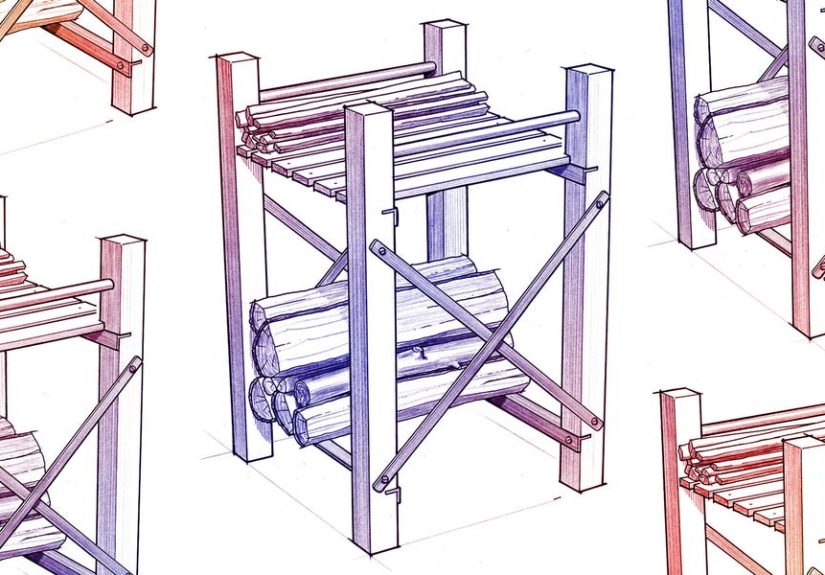
A firewood rack is a storage structure designed to hold split firewood off the ground while allowing air to move around it. That is the big idea, and it matters more than it sounds. Wood seasons better when it is elevated, loosely stacked, and exposed to airflow. A rack makes that easier.
Some firewood racks are simple metal frames. Others are heavy-duty steel units with covers. Some are decorative indoor holders meant to sit near a hearth. Others are DIY wood sheds built for serious winter stockpiles. Whether the style is rustic, modern, industrial, or “assembled on a Saturday with leftover lumber and determination,” the purpose is the same: better wood storage.
Why a Firewood Rack Matters
1. It keeps wood off the ground
Ground contact is the enemy of good firewood storage. Soil moisture can seep into the bottom layer, slowing down the seasoning process and encouraging mold, rot, and insect activity. A rack creates space underneath the pile, so the wood does not sit in damp grass, mud, or melting snow.
2. It improves airflow
Firewood dries because moisture leaves the wood over time. That process moves faster when air can circulate around the stack. A proper rack helps keep the pile open and breathable, which is exactly what split wood needs.
3. It makes your firewood easier to manage
A neat rack is faster to load, safer to stack, and less likely to collapse into a dramatic log avalanche at the exact moment you are carrying coffee. It also makes it easier to rotate older wood forward and newer wood to the back, which is a small organizational move that pays off all winter long.
4. It helps reduce pests and mess
Firewood naturally attracts insects because, well, it is wood. Storing it properly helps discourage termites, ants, spiders, and other uninvited tenants. It also keeps bark, dirt, and wood chips more contained, which your patio, garage floor, and entryway will appreciate.
Outdoor vs. Indoor Firewood Racks
Outdoor firewood racks
Outdoor racks are the workhorses. They are built for seasoning and bulk storage, and they are usually made from powder-coated steel, wrought iron, treated lumber, cedar, or similar weather-resistant materials. Outdoor racks should be sturdy enough to handle changing weather, heavy loads, and repeated use.
The best outdoor firewood rack is placed in a sunny, breezy area, not tucked into a damp corner where air goes to die. If you use a cover, it should protect the top of the stack from rain and snow while leaving the sides open enough for ventilation. Wrap the whole pile too tightly, and you create a moisture trap. Congratulations, your firewood is now marinating.
Indoor firewood racks
Indoor racks are for convenience, not long-term seasoning. They are usually smaller, more decorative, and intended to hold a short supply of already seasoned wood near the fireplace or stove. A good indoor rack keeps logs organized and close at hand without turning your living room into a lumber yard.
Use indoor racks for dry, ready-to-burn wood only. Bring in a limited amount at a time. That keeps clutter down and reduces the chance that dormant insects wake up and decide your home is their forever home.
How to Choose the Best Firewood Rack
Think about capacity first
Start with how much wood you actually burn. If you light a few cozy fires each month, a compact rack may be plenty. If a wood stove is your main heat source, you will need a much larger system, possibly a full woodshed or several outdoor racks.
A small hearth rack works well for indoor storage. A medium freestanding rack is often enough for a patio, deck, or occasional backyard fire pit. A large outdoor rack or shed is the right move for households that go through serious amounts of firewood during the heating season.
Choose the right material
Steel racks are popular because they are strong, durable, and easy to find. Powder-coated finishes help resist rust outdoors. Wrought iron options often lean more decorative. Wooden racks can blend beautifully into the landscape and can be an excellent DIY project, especially if you like the look of a rustic woodshed.
For outdoor use, durability matters more than charm alone. A gorgeous rack that rusts, warps, or tips under weight is not romantic. It is just expensive disappointment with logs on it.
Match the rack to your log size
Most residential firewood pieces are cut to common stove and fireplace lengths, often around 16 to 24 inches. Your rack should comfortably fit the wood you actually use. If the depth is too shallow, logs will jut out awkwardly. If it is too deep, stacking becomes sloppy and unstable.
Look for stability
A good firewood rack should feel solid on level ground. If it wobbles when empty, it will not improve when filled with heavy hardwood. Reinforced corners, thick metal tubing, and a balanced frame all help. If you live in a windy area, anchoring the rack or placing it in a protected but still ventilated location is smart.
Decide whether you want a cover
A covered rack can be a great option, especially in rainy or snowy climates. But the cover should shield the top, not smother the entire stack. Firewood needs protection from precipitation, but it also needs to breathe. Dry wood is the goal. Sweaty wood in a tarp sauna is not.
Best Placement for a Firewood Rack
Location matters almost as much as the rack itself. Even the best rack cannot save firewood stored in the worst possible place.
Put it in a sunny, open spot
Sun and airflow help speed drying. A rack placed in open air generally performs better than one wedged between a fence and a hedge in permanent shade.
Keep it off the house
Do not stack firewood directly against your home, garage, or shed. Leaving space between the rack and nearby structures helps reduce pest migration, improves airflow, and lowers the chance of moisture problems. More breathing room is usually better.
Keep vegetation trimmed back
Tall grass, weeds, and overgrown shrubs hold moisture and create shelter for insects and rodents. Give your firewood rack some clearance so air can move freely around it.
Avoid low, soggy areas
If a section of your yard stays damp after every rain, it is not the ideal place for firewood storage. Choose higher, drier ground when possible, and make sure the rack sits level and stable.
How to Stack Firewood on a Rack
Good stacking is half storage science, half backyard common sense.
Start with split wood
Split firewood dries faster than whole rounds because more surface area is exposed to air. If you want wood that burns hotter, cleaner, and with less frustration, split it before stacking.
Place larger pieces on the bottom
The base of the stack should be the most stable. Heavier logs help anchor the pile and create a stronger foundation.
Stack loosely, not tightly
A little space is a good thing. The goal is a stable stack that still allows airflow. Packing logs too tightly slows drying and can trap moisture where you do not want it.
Keep lengths fairly consistent
When logs are roughly the same size, the stack becomes easier to balance and less likely to lean like it had a rough week.
Cover the top if needed
Rain and snow protection is useful, but side ventilation is still essential. A roof, overhang, or top cover usually works better than fully wrapping the entire pile.
How Dry Should Firewood Be?
Really dry. That is the professional term.
More specifically, seasoned firewood generally burns best when moisture content is below 20 percent. Wood in that range lights more easily, produces more heat, creates less smoke, and contributes less creosote buildup than wet wood. A basic moisture meter is a worthwhile tool if you burn wood often. It removes the guesswork.
Drying time varies by species, climate, log size, and storage conditions. In many cases, split firewood needs roughly 6 to 12 months to season properly, and dense hardwoods may take longer. That is why a firewood rack is not just storage furniture. It is part of the drying process.
Common Firewood Rack Mistakes
Storing wood directly on concrete or soil
Even if it looks tidy, direct contact with damp surfaces can work against the drying process.
Wrapping the whole stack too tightly
This keeps out rain, but it can also hold in moisture. Firewood should be protected, not suffocated.
Keeping too much wood indoors
Indoor storage is for short-term convenience. Large indoor piles create clutter and increase the chance of insect surprises.
Using the rack in the wrong place
A premium rack in a bad location still produces mediocre results. Placement matters.
Ignoring local firewood sourcing
Buying wood near where you will burn it is better for forest health because transporting untreated firewood can spread invasive pests. Local wood is usually the safer move.
DIY Firewood Rack Ideas
If you enjoy projects, a DIY firewood rack can be practical and affordable. A basic version can be made from pressure-treated lumber, concrete blocks, metal brackets, or even repurposed materials if they are sturdy and weather-worthy. The essentials are simple: elevation, airflow, stability, and a design that fits your space.
A minimalist backyard rack can work well along a fence line as long as there is still airflow. A freestanding A-frame style rack offers easy access. A small covered woodshed is ideal for people who burn large amounts of wood through winter. If you like a cleaner look, a modern steel-and-wood rack can double as outdoor decor.
Just remember that pretty storage still has to function. Logs do not care how photogenic the rack is if the bottom row is soaking wet.
Real-World Experiences With a Firewood Rack
Anyone who has used firewood for more than one season usually ends up with a story about learning the hard way. A lot of people start with the same optimistic plan: stack a pile near the back door, throw a tarp over it, and assume they have solved winter. Then the first cold, wet stretch arrives, and reality checks in wearing muddy boots.
One of the most common experiences is discovering that convenience and proper storage are not always the same thing. The wood may be close to the house, which feels efficient in October, but by January that same pile can become a magnet for moisture, bark debris, and the occasional insect adventure. Homeowners often find that once they switch to a real firewood rack set a little farther from the house, the wood stays cleaner, the area looks more organized, and carrying in a few logs at a time is a small trade-off for much better results.
Another familiar lesson is about airflow. People often assume the more thoroughly they cover the stack, the better protected the wood will be. It sounds logical, right up until they uncover the pile and find damp logs, trapped condensation, and that unmistakable smell of “this seemed like a good idea at the time.” A proper rack with an open-sided design changes that experience fast. The wood dries more evenly, the top stays protected, and the pile stops acting like a science experiment.
There is also the satisfaction factor, which should not be underestimated. A good firewood rack makes the whole routine easier. Instead of wrestling a crooked pile, you can grab what you need quickly. Instead of guessing which wood is oldest, you can see it. Instead of apologizing for the heap in the yard, you have a storage setup that looks intentional. That sounds minor until you live with it every week during the heating season.
People who rely on wood stoves often talk about how much difference properly stored wood makes when it is time to burn. Fires start faster. Smoke is reduced. There is less hissing, less smoldering, and less frustration. The room warms up sooner, and you use less effort trying to convince damp logs to behave like seasoned ones. It is one of those improvements that feels boring on paper and brilliant in real life.
Then there is the seasonal rhythm that a firewood rack encourages. You begin to think ahead. You split earlier. You stack more neatly. You notice which species dry fastest and which ones need more patience. Over time, the rack becomes part of a system instead of a random accessory. It holds this year’s wood, reminds you to prep next year’s wood, and quietly turns a messy chore into something closer to a routine.
For many homeowners, the best part is simple peace of mind. When the weather turns ugly, there is comfort in seeing a tidy row of dry wood ready to go. No scrambling, no soggy surprises, no balancing acts in the dark. Just a practical setup that works. That is the real beauty of a firewood rack. It is not flashy. It is not dramatic. But when winter arrives and your fire lights cleanly on the first try, that unassuming rack suddenly looks like one of the smartest things you ever bought.
Conclusion
A firewood rack is one of those simple upgrades that punches above its weight. It helps firewood season faster, keeps logs off the ground, improves airflow, reduces mess, and makes your wood supply easier to manage. Whether you choose a decorative indoor holder, a heavy-duty outdoor rack, or a full woodshed, the best setup is the one that keeps wood dry, stable, and ready to burn.
If you use firewood regularly, do not think of a rack as optional storage. Think of it as part of the burning process itself. Good fires begin long before the match. They begin with dry wood, smart stacking, and a rack that does its quiet job exceptionally well.
SEO Tags
Note: Clean publishing version with HTML body only, no source placeholders or citation artifacts.