Table of Contents >> Show >> Hide
- Why Fishing Safety Comes First
- Essential Gear for Safer Fishing
- How to Handle Live Bait Safely
- Hook Safety Rules Every Beginner Should Memorize
- Common Beginner Mistakes to Avoid
- Best Practices for Young or First-Time Anglers
- What to Do if Something Goes Wrong
- Fishing Etiquette Is Part of Safety Too
- Experience and Confidence: What Beginners Usually Learn Fast
- Final Thoughts
Fishing has a wholesome reputation. Calm water, fresh air, maybe a cooler with snacks, and somebody inevitably saying, “It’s about patience.” That part is true. But the less glamorous truth is that beginner fishing also involves sharp hooks, slippery hands, squirmy bait, and a surprisingly high chance of poking yourself at the exact moment you were feeling confident.
That is why learning basic fishing safety matters before you do anything else. Whether you are heading to a pond, lake, riverbank, or pier, understanding how to handle hooks, bait, line, and gear can make the experience safer, more comfortable, and a lot more fun. No one wants their first fishing memory to be, “I screamed at a worm and then got snagged by my own tackle.”
This guide covers the essentials every beginner should know, from choosing safe equipment to handling live bait carefully and keeping sharp tackle under control. If you are just getting started, especially as a younger angler, the smartest move is to learn with a parent, guardian, instructor, or other experienced adult nearby.
Why Fishing Safety Comes First
Fishing may look relaxing, but it still involves tools that deserve respect. A fish hook is small, but it is designed to catch and hold. That means it can easily catch skin, clothing, nets, towels, and just about anything else that gets too close. Add water, mud, sun exposure, and excited beginners into the mix, and basic safety becomes non-negotiable.
Starting with the right habits also builds confidence. When you know how to hold your gear, where to place your tackle, and how to protect your hands, you are less likely to panic or rush. Good anglers are not just patient with fish. They are patient with the process.
Essential Gear for Safer Fishing
1. Choose Beginner-Friendly Hooks and Tackle
If you are new to fishing, avoid overly large or specialty tackle. Simple, beginner-friendly gear is easier to manage and usually less intimidating. Keep hooks stored in a tackle box or organizer when not in use, and never leave loose hooks rolling around on a dock, cooler lid, or backpack pocket. That is how accidents happen and how someone finds out the hard way that “sharp” was not an exaggeration.
2. Wear the Right Clothing
Closed-toe shoes help protect your feet from dropped tackle, slick rocks, and muddy banks. A hat and sunscreen reduce sun exposure, while lightweight long sleeves can help protect your skin from both the sun and accidental scrapes. If you have sensitive hands, a small towel or fishing gloves may help when handling equipment or bait under supervision.
3. Bring a Small Safety Kit
A beginner fishing kit should include more than tackle. Pack adhesive bandages, antiseptic wipes, hand sanitizer, drinking water, sunscreen, and a clean cloth or towel. Needle-nose pliers are also commonly carried by anglers for managing hooks safely, though beginners should use them with adult guidance.
How to Handle Live Bait Safely
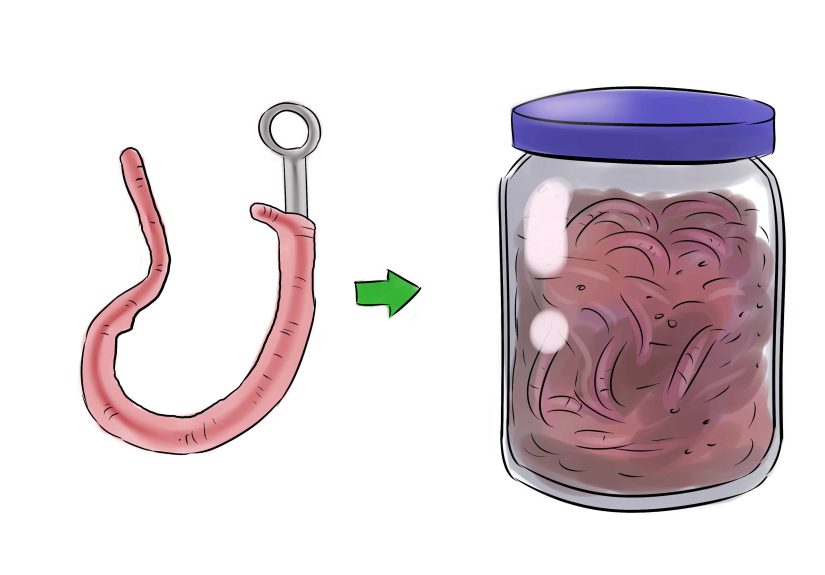
Live bait, including worms, is common in beginner fishing because many fish respond well to it. But handling live bait can feel awkward at first. Some people are unfazed. Others act like the worm personally insulted them. Both reactions are normal.
The goal is not to be dramatic or fearless. The goal is to be calm, clean, and careful.
Keep Hands Clean and Dry Enough to Grip
Slippery fingers and sharp tackle are a bad combination. Before handling bait or gear, wipe your hands so you can hold items securely. After touching bait, wash or sanitize your hands before eating or touching your face.
Use a Designated Bait Container
Keep worms or other bait in a proper container, out of direct sun when possible. Avoid tossing containers where they can spill into the dirt or get stepped on. A designated area for bait makes the entire setup more controlled and much less chaotic.
Do Not Rush
Many beginner mistakes happen because someone feels awkward and tries to move too fast. Slow down. A calm setup is safer than a rushed one. Fishing rewards patience long before a fish ever bites.
Hook Safety Rules Every Beginner Should Memorize
Always Know Where the Hook Is
This sounds obvious, but it is one of the most important habits in fishing. Before you move your rod, reach into your tackle box, or adjust anything near the line, look for the hook first. If you do not know exactly where it is, do not grab blindly.
Point Hooks Away From Your Body
Any time a hook is out in the open, keep it angled away from your hands, face, and legs. Do not hold it near your clothing, and never bring it close to someone else while talking, laughing, or turning around. Fishing and accidental dramatic gestures do not mix well.
Give People Space
Maintain distance between anglers, especially beginners. Crowded casting areas and shared gear zones increase the risk of snagging clothing or skin. If kids or teens are fishing together, adult supervision matters even more.
Store Hooks Immediately When Finished
When you are done for the day, return every hook, lure, and sharp item to a secure container. Do a quick area check before leaving. Stray tackle left on the ground can injure people, pets, and wildlife.
Common Beginner Mistakes to Avoid
Trying to “Power Through” Nervousness
It is completely normal to feel unsure the first few times you handle bait or tackle. The safer move is to pause and ask for help, not pretend you are fine while your hands are shaking. Confidence grows with practice, not with bluffing.
Leaving Gear Scattered Everywhere
A messy fishing area is an unsafe fishing area. Keep tools organized. Place the rod where it will not roll. Keep tackle boxes closed when not in use. Put bait containers in one spot. Basically, try not to create a tiny outdoor obstacle course made of sharp objects.
Ignoring the Environment
Wet docks, muddy banks, strong sun, wind, and uneven rocks can all increase risk. Watch your footing and pay attention to weather. Even easy fishing spots can become slippery or unstable.
Best Practices for Young or First-Time Anglers
For younger anglers, the best fishing experiences usually happen when the setup is simple, the environment is calm, and an experienced adult is present. A supervised trip to a quiet pond is a much better classroom than a crowded pier full of fast-moving lines and advanced gear.
Start small. Learn how to hold a rod safely, how to keep distance from others, how to store tackle, and how to stay aware of where the hook is at all times. These core habits matter more than catching the biggest fish in the county. In fact, your first successful trip might be the one where nobody gets tangled, nobody drops the bait box, and everyone leaves with all fingers still very much appreciated.
What to Do if Something Goes Wrong
Minor Scrapes or Small Pokes
If someone gets a small scrape or superficial poke, stop what you are doing and let an adult handle it. Clean the area using basic first-aid supplies and monitor it. Do not continue fishing just because “it is probably fine.”
Deep Hook Injuries
If a hook becomes embedded in skin, do not try to handle a serious injury casually. An adult should seek appropriate medical help promptly. This is one more reason supervision matters, especially for beginners.
Exposure, Dehydration, or Sunburn
Not every fishing problem comes from tackle. Heat, dehydration, and too much sun can ruin a trip quickly. Drink water regularly, reapply sunscreen, and take breaks in the shade when needed.
Fishing Etiquette Is Part of Safety Too
Good etiquette protects people as much as manners. Give nearby anglers room. Announce movement if you are carrying a rod behind others. Clean up bait containers, line scraps, and food wrappers. Never leave discarded fishing line behind, since it can harm wildlife and create hazards for others.
Respecting the space also helps beginners focus. A clean, calm area reduces confusion, and that makes the learning curve much easier.
Experience and Confidence: What Beginners Usually Learn Fast
One of the most interesting things about beginner fishing is how quickly comfort levels change. At first, even touching bait can feel weird. The rod feels awkward. The line seems to have a secret grudge against your sleeves. Everything takes longer than expected. Then, little by little, the routine starts to click.
Many new anglers describe the first outing as a mix of curiosity, hesitation, and occasional comedy. Someone drops the towel. Someone forgets where the hook is and freezes in place. Somebody else acts brave until the worm moves. None of that means you are bad at fishing. It means you are learning.
With practice, people usually become more comfortable with the simple parts first: setting up a safe space, organizing gear, cleaning hands, and staying aware of the hook. Those habits often matter more than any dramatic fishing trick. Experienced anglers are rarely chaotic. They are steady. Their hands move carefully. Their tools are where they should be. They know when to pause. That calm rhythm is what beginners gradually build.
Another common experience is realizing that fishing is not just about catching something. It is about observation. You notice the weather, the movement of the water, the way gear behaves in wind, and how much easier everything becomes when you stay organized. Even a short trip can teach patience, coordination, and attention to detail.
For families, fishing can also become a memorable shared activity because it creates natural teaching moments. An adult can model safe tackle handling, explain why gear stays organized, and help younger anglers get comfortable without pressure. That kind of guidance often makes the difference between a stressful first trip and a positive one.
Plenty of beginners also discover that confidence comes from repetition, not speed. The first time you handle gear, you may feel clumsy. By the third or fourth trip, you know where to stand, what to avoid, and how to keep your setup neat. The process gets smoother, and the awkward moments get fewer. You may still have one now and then, because fishing has a sense of humor, but they become part of the story rather than the whole story.
People who stick with fishing often remember their early mistakes fondly. Not because the mistakes were ideal, but because they marked the point where learning became real. Maybe you packed too much gear. Maybe you underestimated the importance of a towel. Maybe you learned that sun protection is not optional just because the morning looked cloudy. Those lessons stick.
The best beginner experience is usually not the one with the biggest catch. It is the one where the day feels manageable, safe, and fun enough to want to go again. That is the real win. Once good safety habits become automatic, the rest of fishing gets a lot easier to enjoy.
And that, honestly, is the part people do not always mention. Fishing is supposed to be enjoyable. When beginners are supported, supervised, and taught safe habits from the start, they can focus less on avoiding mistakes and more on the peaceful, satisfying parts of the experience. The water looks better, the waiting feels easier, and even the silly mishaps become part of a story worth retelling.
Final Thoughts
Before anyone worries about catching fish, they should learn how to stay safe around hooks, bait, and basic fishing gear. That means keeping tackle organized, handling live bait calmly, paying attention to sharp equipment, dressing appropriately, and fishing with experienced adult supervision when you are new.
Beginner fishing does not require perfection. It requires awareness. A clean setup, steady hands, patience, and respect for the tools go a long way. Learn those first, and everything else becomes easier to enjoy.