Table of Contents >> Show >> Hide
- Why Famous Female TV Anchors Matter
- A Short History of Women at the Anchor Desk
- How We Chose This List of Top Female TV Anchors
- Famous Female TV Anchors: 15 Trailblazing Women
- The Bigger Picture: Women, Power, and the News
- How Viewers Can Evaluate a Great TV Anchor
- What Famous Female TV Anchors Mean to Viewers: Real-World Experiences
- Conclusion: The Future of Female TV Anchors
For millions of people, the day doesn’t officially start until a familiar voice on television says “Good morning,” or a trusted face signs off with “Thanks for watching.”
For decades, famous female TV anchors have been those voices and faces guiding us through elections, breaking news, and the random feel-good story about a dog that learned how to skateboard.
This list of top female TV anchors isn’t just about celebrity or “who looks best behind the desk.” It’s about women who broke barriers in broadcast journalism, built loyal audiences, and proved
that authority, empathy, and sharp questioning are not mutually exclusive. From Barbara Walters’ groundbreaking interviews to Rachel Maddow’s analytical deep dives and Robin Roberts’ warmth on
morning TV, these anchors changed how television news feels and functions in the United States.
Why Famous Female TV Anchors Matter
Female TV anchors have had to fight for visibility in a field that was, for a long time, male-dominated. Early women in broadcast journalism often started as “women’s interest” reporters or
producers before being trusted with hard news. Over time, audiences made their feelings clear: they didn’t just accept women behind the desk they preferred them for their clarity, empathy,
and calm under pressure.
Today, when we talk about famous female TV anchors, we’re really talking about:
- Credibility: Viewers rely on these women to navigate complex political, social, and economic stories.
- Representation: Women and especially women of color now see themselves reflected in the people delivering the news.
- Impact: Many top female TV anchors also shape public conversation through interviews, town halls, and special reports.
A Short History of Women at the Anchor Desk
Breaking the First Barrier
In the 1940s, pioneers like Dorothy Fuldheim were among the first women to anchor television news. She’s often cited as the first full-time female TV news anchor, starting in the late 1940s and
proving that viewers would absolutely tune in to a woman presenting serious news, not just “women’s segments.”
Even with trailblazers like Fuldheim, networks were slow to follow. For decades, women were often relegated to lighter stories. That changed dramatically in the 1970s.
Barbara Walters and the Network Era
In 1976, Barbara Walters became the first woman to co-anchor a network evening news program in the U.S., a milestone that both shattered expectations and stirred controversy at the time.
Walters faced criticism over her salary and presence at the anchor desk criticism that male peers rarely received. But she outlasted her doubters and went on to host and co-create programs
like 20/20 and The View, cementing her status as one of TV’s most influential journalists and interviewers.
From “Token” Roles to Prime-Time Power
By the 1990s and 2000s, female anchors weren’t just sprinkled into lineups they were front and center. Morning shows, evening news programs, cable politics, and investigative magazines all
embraced women in signature roles. Today, women anchor major broadcasts on ABC, CBS, NBC, PBS, and cable networks like CNN, MSNBC, and Fox News, as well as syndicated shows like
Inside Edition.
How We Chose This List of Top Female TV Anchors
There are hundreds of talented women in broadcast journalism. This list highlights anchors who:
- Held a prominent anchor role on a major national U.S. TV outlet
- Built a long and influential career in TV journalism
- Are widely recognized by viewers, critics, or industry peers
We drew on rankings and profiles of female TV journalists and anchors, including crowd-sourced lists and editorial features that spotlight women such as Diane Sawyer,
Rachel Maddow, Barbara Walters, Oprah Winfrey, Gwen Ifill, Andrea Mitchell, Norah O’Donnell, and more.
Famous Female TV Anchors: 15 Trailblazing Women
1. Barbara Walters
You can’t talk about famous female TV anchors without starting with Barbara Walters. After early work as a writer and segment producer, she became a co-host of
The Today Show before making history on ABC’s evening news in 1976. Known for her high-profile interviews with presidents, world leaders, and celebrities, Walters turned the TV
interview into an art form. She later co-created The View, giving women a prominent, opinionated voice in daytime television.
2. Diane Sawyer
Diane Sawyer’s career spans presidential interviews, long-form investigations, and front-line reporting. A former 60 Minutes correspondent and later the anchor of
ABC World News, Sawyer is known for her calm delivery and thoughtful questions. Lists of top female journalists frequently place her near the top, recognizing both her longevity
and her ability to handle everything from disaster coverage to intimate sit-downs.
3. Katie Couric
Katie Couric became a household name as co-anchor of Today on NBC, where her mix of warmth and toughness helped redefine what a morning show could be. She later anchored the
CBS Evening News, becoming the first solo female anchor of a major network nightly newscast in the U.S. Her extensive work on cancer awareness and public health has also expanded
the idea of what a TV anchor’s impact can look like off the set.
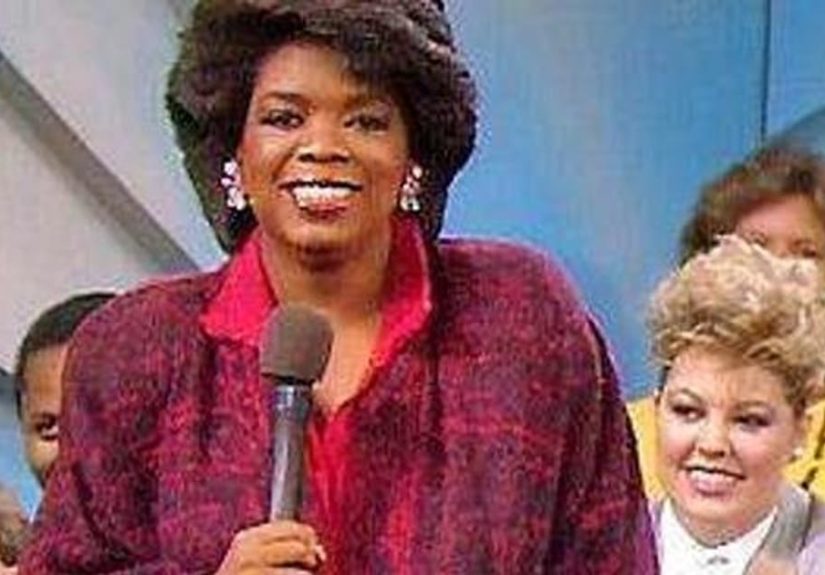
4. Oprah Winfrey
While many people think of Oprah primarily as a talk-show host and media mogul, she began as a news anchor and reporter. Her Chicago-based show evolved into
The Oprah Winfrey Show, a global phenomenon that blended journalism, personal storytelling, and cultural commentary. Today, Oprah’s influence stretches beyond TV, but her mastery
of the interview and her ability to connect with audiences still shape how we think about televised storytelling.
5. Gwen Ifill
The late Gwen Ifill was a pillar of public broadcasting. As co-anchor of PBS NewsHour and moderator of Washington Week, she brought depth, fairness, and a sharp eye for
political nuance. Ifill co-moderated U.S. vice-presidential debates and became a role model for Black women in journalism, showing that authority and grace could co-exist at the highest
levels of political coverage.
6. Andrea Mitchell
Andrea Mitchell has spent decades covering politics and foreign affairs for NBC News and MSNBC. As the longtime host of Andrea Mitchell Reports, she became one of the most
recognizable faces in political journalism. Even as she steps back from daily anchoring, she continues to serve as NBC’s Chief Foreign Affairs Correspondent, proving that expertise and
on-the-ground reporting don’t have an expiration date.
7. Norah O’Donnell
Norah O’Donnell has worn many hats at CBS correspondent, morning show co-host, and most recently anchor and managing editor of CBS Evening News. During her tenure, she led
coverage of elections, major investigations, and global events, earning praise for her composed presence and rigorous reporting. In 2025, she stepped away from the anchor desk to focus on
long-form journalism and programs like 60 Minutes.
8. Robin Roberts
Robin Roberts started in sports broadcasting, including a notable run at ESPN, before becoming a core part of ABC’s Good Morning America. Her warm interviewing style and openness
about her health challenges, including breast cancer and a bone marrow transplant, connected with viewers on a deeply personal level. Roberts helped turn GMA into a ratings powerhouse and
showed that vulnerability can be a strength in broadcast journalism.
9. Rachel Maddow
On cable news, Rachel Maddow has stood out for her brainy, narrative-driven approach to politics. As the host of The Rachel Maddow Show on MSNBC, she became famous for opening
monologues that weave history, policy, and current events into a single storyline. Her work demonstrates that viewers will absolutely sit still for a complex explanation as long as
it’s delivered with clarity and energy.
10. Gayle King
Gayle King, a longtime journalist and co-host of CBS Mornings, is known for her direct questions and conversational style. She has landed major interviews that quickly become
part of the national conversation. In 2025, she even joined an all-female Blue Origin spaceflight, underlining just how far women anchors and their platforms can go.
11. Deborah Norville
Deborah Norville has anchored Inside Edition for three decades, making her one of U.S. television’s longest-serving female anchors. Before that, she worked for NBC and CBS,
including a stint on Today and reporting for 48 Hours. Her ability to pivot from hard news to human-interest stories reflects how modern anchors must operate in multiple
gears.
12. Hoda Kotb
Hoda Kotb, co-anchor of Today, brings a mix of warmth, humor, and real-life experience to the mornings. She’s covered major breaking news stories, reported from disaster zones,
and openly discussed her journey through breast cancer and single motherhood. Kotb’s presence helps humanize a show that has to balance headlines with lighter lifestyle content.
13. Savannah Guthrie
As another key anchor of Today, Savannah Guthrie combines her legal background with a journalist’s instincts. She’s known for tough but fair political interviews and a calm
moderating style during town halls and special events. Guthrie is a reminder that “morning show anchor” does not mean “soft news only.”
14. Tamron Hall
Tamron Hall built her reputation on MSNBC and NBC before launching her own syndicated daytime talk show. As a news anchor and host, she’s covered crime, politics, and social issues,
often centering stories that other shows overlook. Her career shows how a strong anchor brand can evolve into broader storytelling and advocacy.
15. Yamiche Alcindor
While better known as a correspondent and political analyst, Yamiche Alcindor represents the new generation of women who move fluidly between anchoring, moderating, and in-depth reporting.
She’s appeared on PBS and NBC platforms, bringing nuanced coverage of race, democracy, and public policy. Her work signals where the next wave of women in broadcast journalism
is headed.
The Bigger Picture: Women, Power, and the News
When you look at this list of top female TV anchors, a few themes jump out:
- Longevity: Many of these women have anchored for decades, proving staying power in a notoriously tough business.
- Versatility: They juggle breaking news, live interviews, town halls, and feature stories often in the same week.
- Visibility: Their careers opened doors for others, especially women of color and younger journalists.
At the same time, challenges persist from pay gaps and online harassment to the pressure of maintaining an on-air “brand.” But the progress from the 1940s to now is undeniable. The anchor
desk is no longer a boys’ club; it’s a place where women lead the conversation.
How Viewers Can Evaluate a Great TV Anchor
Whether you’re binge-watching clips or just catching the evening news, here are a few ways to evaluate your favorite female anchors:
- Clarity: Do they make complicated stories easier to understand?
- Fairness: Do they challenge all guests, not just the ones they disagree with?
- Empathy: Can they handle tragic or emotional stories with care?
- Consistency: Are they reliable in breaking news situations, when the facts are changing fast?
When an anchor scores high on all of these, they’re not just someone on TV they’re part of how you understand the world.
What Famous Female TV Anchors Mean to Viewers: Real-World Experiences
It’s easy to think of anchors as distant celebrities, but for many viewers, they feel more like extended family the person who’s there every morning while you’re packing lunches, or every
night while you’re finishing the dishes. That connection is especially strong with female TV anchors, who often share parts of their personal journeys right alongside the
headlines.
Think about Robin Roberts publicly navigating cancer treatment, or Hoda Kotb adopting her daughters later in life. For viewers going through similar experiences, these moments can feel like
more than just TV they’re quiet reassurance that their own story is valid. When an anchor says, “This happened to me, too,” it’s a powerful antidote to the isolation people often feel.
There’s also the generational effect. Many younger journalists, especially women, talk about watching Barbara Walters, Gwen Ifill, or Diane Sawyer as kids and thinking, “Oh, that’s a job
I could do.” The anchor desk became a kind of vision board: a place where authority didn’t automatically mean “older white guy in a gray suit,” but could look like them their hair, their
skin tone, their accent. That representation shapes career dreams long before anyone files their first story.
In newsrooms, the presence of strong female anchors changes the tone as well. When women are leading the broadcast, stories about childcare, reproductive rights, pay equity, or domestic
violence don’t feel like side topics they’re treated as core news, not niche “women’s issues.” That shift in framing has real consequences for policy debates and public understanding.
Viewers notice the difference. Many describe female anchors as “more human” or “more relatable,” not because men can’t be empathetic, but because women often lean into emotional intelligence
on air. Instead of pretending to be robots, they’re willing to let their voices crack during a tragic interview or show genuine joy when a long-shot rescue succeeds. That doesn’t make them
less professional; it makes the news feel less like a cold bulletin and more like a shared experience.
Social media has amplified these relationships even more. Where previous generations might have written a letter to the station and hoped it got read, today’s viewers can tweet at anchors,
comment on their Instagram posts, or join livestream Q&As. Many top female anchors use these channels to answer questions about journalism, share behind-the-scenes moments, or highlight
young reporters coming up behind them. In a way, they’re mentoring thousands of people at once not just future journalists, but anyone learning how to process information in a messy media
environment.
Of course, more visibility also means more scrutiny. Female anchors routinely deal with a level of appearance-based criticism their male counterparts rarely face: hair, makeup, clothes, even
their voices are dissected endlessly. Some respond by using that scrutiny as a teaching moment, talking openly about body image, aging, or professionalism. Others simply keep doing the work,
letting their reporting speak louder than the noise.
The bottom line? Famous female TV anchors are more than names on a list. They’re guides, translators, and in a very real sense companions through the chaos of modern life. They sit at the
intersection of information and emotion, helping us make sense of everything from election nights to natural disasters. When you find a female anchor you trust, you’re not just picking a
channel; you’re choosing how you want the world explained to you.
Conclusion: The Future of Female TV Anchors
From Dorothy Fuldheim and Barbara Walters to Gayle King and Rachel Maddow, famous female TV anchors have transformed news from a one-note monologue into a richer, more inclusive conversation.
They’ve proven that authority can come with warmth, that hard questions can be asked with empathy, and that the anchor desk is big enough for many voices and experiences.
As streaming, social platforms, and new formats rewrite the rules of TV news, one thing is clear: women will continue to be at the center of it. The next generation of top female
TV anchors may split their time between a traditional studio and a digital live stream, but the core job remains the same show up, tell the truth, and help people make sense of
their world.