Table of Contents >> Show >> Hide
- What Is Sapling Print from Borderline Fabrics?
- Why Printed Linen-Inspired Fabrics Still Work So Well
- How Sapling Print Fits into Real Interior Design
- Where to Use Sapling Print in the Home
- How to Style Sapling Print Without Overdecorating
- What to Know About Care and Maintenance
- Is Sapling Print a Good Buy?
- Final Thoughts
- Extended Experience: Living with a Fabric Like Sapling
Some fabrics whisper. Others walk into the room like they pay the mortgage. Sapling Print from Borderline Fabrics feels like the rare in-between: soft-spoken, memorable, and stylish without begging for applause. In a world full of loud prints and performance fabrics that sound like gym memberships, a heritage-minded printed textile still has a special kind of magic. It brings movement, warmth, and a sense of story to a space without turning your living room into a costume drama.
That is part of what makes Borderline Fabrics so interesting. The brand is known for archive-inspired textiles created for the upholstery and curtain trade, with founder Sally Baring closely tied to its design identity. Public listings for Sapling Print are fairly concise, which is designer-speak for “you may need to ask for the juicy details,” but the positioning is clear: this is a decorative fabric meant for people who care about pattern, mood, and how cloth can shape a room. If you love interiors that feel layered rather than flat, collected rather than copied, Sapling Print sits in exactly that sweet spot.
What Is Sapling Print from Borderline Fabrics?
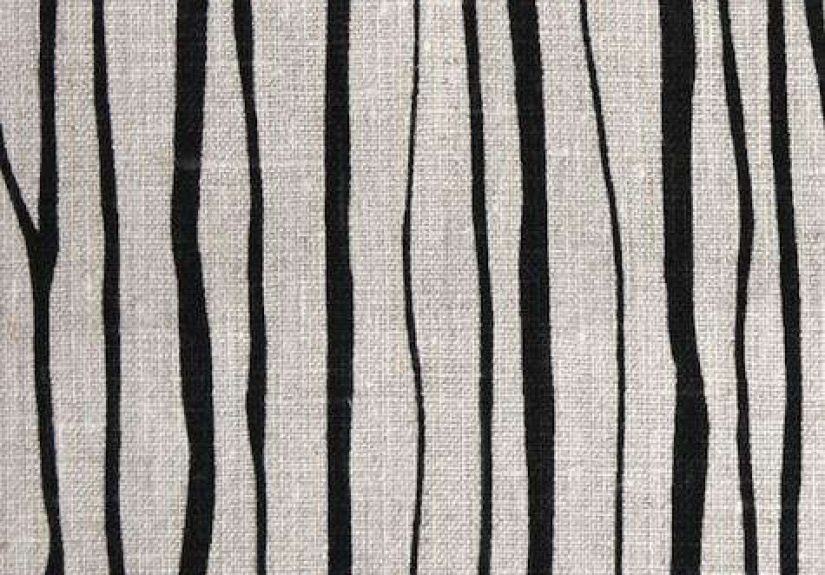
Sapling Print from Borderline Fabrics is presented as a fabric-by-the-yard offering associated with designer Sally Baring and sold through retailers such as Lucy Rose Design. Borderline itself has built its reputation around eclectic prints and weaves, many rooted in archival inspiration and adapted for modern interiors. That brand context matters because it tells you what kind of fabric family Sapling belongs to: not disposable trend fabric, not bland builder-grade cloth, but design-led yardage meant to add character.
Even the name “Sapling” does a lot of work. It suggests growth, nature, delicacy, and a botanical sensibility without sounding overly precious. Good fabric names are like good perfume names: they create a mood before you ever touch the thing. Sapling sounds fresh, rooted, and slightly poetic, which makes it a strong fit for rooms that need texture and pattern but do not want to shout.
For homeowners, decorators, and fabric obsessives who keep swatch books the way other people keep snack drawers, that matters. A print with a natural reference often feels easier to live with than something aggressively geometric or hyper-trendy. It can read classic, relaxed, and quietly elegant all at once.
Why Printed Linen-Inspired Fabrics Still Work So Well
Whether Sapling is used in a linen-rich decorative scheme, paired with natural fibers, or chosen precisely because it brings that relaxed textile mood, the appeal is easy to understand. Linen and linen-forward interiors continue to resonate because they balance polish and imperfection beautifully. They drape well, soften light, and make a room feel lived in without making it feel messy. That is a hard trick to pull off. Your average furniture catalog tries very hard and still ends up looking like a waiting room with throw pillows.
Natural-fiber styling remains popular for good reason. Linen is associated with breathability, moisture management, and a relaxed hand, and it is especially beloved in spaces where softness and subtle texture matter. Designers frequently turn to linen for curtains because it can filter light, add privacy, and bring warmth without visual heaviness. In other words, it does not just sit there looking pretty. It actually helps a room behave better.
That same relaxed sophistication is what makes a print like Sapling so promising. Pattern can energize a room, while natural texture keeps the effect from becoming too slick or artificial. The result is often more inviting than flat solids and more versatile than overly formal motifs.
How Sapling Print Fits into Real Interior Design
1. It adds pattern without demanding chaos
One of the smartest ways to use a print like Sapling is to let it create rhythm rather than noise. A botanical or nature-leaning pattern can introduce movement into a room full of plain upholstery, painted walls, and wood finishes. That makes it ideal for anyone who wants visual interest but is not emotionally prepared for full-blown maximalism at 7:30 in the morning.
2. It works beautifully for curtains and window treatments
Borderline Fabrics produces textiles for upholstery and curtains, and that matters here. Printed fabrics with natural character can be especially effective on windows because they bring both softness and personality. In dining rooms, bedrooms, and sitting rooms, patterned curtains can make a space feel warmer and more welcoming. If the rest of the room is neutral, Sapling can become the decorative spark. If the room already has wallpaper or art, it can serve as the bridge that ties everything together.
3. It suits accent pieces better than brute-force overuse
Not every print needs to cover a sectional the size of a small yacht. Often, the most stylish use is more strategic: Roman shades, an upholstered bench, a headboard panel, dining seat cushions, or a pair of pillows with enough swagger to wake up the sofa. This is especially true when a print has a heritage feel. Small doses can look intentional and collected instead of overly themed.
4. It thrives in rooms with layered texture
Sapling Print will likely feel most at home in interiors that mix materials: wood, painted finishes, woven shades, antique brass, stone, wool, and other quiet textures. Designers often recommend mixing fabrics rather than relying on one flat surface everywhere, and a printed textile like this becomes more effective when it is surrounded by solids and texture-rich companions.
Where to Use Sapling Print in the Home
Living room
Use Sapling for drapery panels, a skirted side chair, or cushions that soften a tailored sofa. If you already have art on the walls, a patterned fabric can support it rather than compete with it, especially when the rest of the palette stays grounded.
Bedroom
This is where a print like Sapling can become charming fast. Think relaxed curtains, a padded headboard, or a bench at the foot of the bed. Linen-friendly spaces often look best when they do not try too hard, and a botanical print can bring romance without veering into “grandma’s guest room with suspicious hard candy.”
Dining room
Patterned curtains in dining rooms can add intimacy and help the room feel more finished. Sapling could also work on seat pads or host chairs, especially if the walls are quiet and the table has natural wood warmth.
Hallways, landings, and nooks
Some of the best fabric moments happen in small spaces. A slim bench, a window seat, or a single Roman shade can turn an otherwise forgettable corner into a design moment. Fabric does not always need a whole room to prove its worth.
How to Style Sapling Print Without Overdecorating
The safest and most effective strategy is balance. If Sapling is your lead pattern, let it lead. Pair it with solids, subtle stripes, or small-scale supporting patterns that do not wrestle for attention. A room can absolutely handle mixed patterns, but somebody has to be the grown-up in the group.
Earthy greens, soft blues, warm neutrals, faded reds, ochre, and off-whites all tend to play nicely with heritage-inspired textiles. Natural wood furniture, woven baskets, matte paint, and unlacquered or aged metal finishes can help the fabric feel grounded. If you want a fresher look, contrast the print with crisp white trim, cleaner silhouettes, and modern lighting. That mix of old soul and younger energy often feels the most current.
You can also borrow a page from today’s pattern-drenching trend without going all the way into curtain-wallpaper-bedspread matching territory. Repeat one key color from the print elsewhere in the room, echo the organic shapes with a leafy plant or curved lamp, and keep at least one visual resting place. Rooms need pauses. Otherwise, the eye starts filing complaints.
What to Know About Care and Maintenance
If Sapling is part of a linen-centered decorating plan, or if you are pairing it with natural fabrics, care matters. Linen and similar natural fibers are beloved for their breathability and tactile beauty, but they also ask for a little respect. Translation: they are gorgeous, but they do not enjoy being bullied by harsh laundering.
For bedding and washable linens, gentle cycles, cool to lukewarm water, and prompt removal from the machine help reduce wrinkles and fiber stress. New linens are often worth washing before first use, since textile production can leave behind finishing residues. Natural fabrics may also shrink during early washes, so it is wise to think ahead before ordering exactly the bare minimum yardage and then acting surprised.
For upholstery, linen is often best in lower-abuse areas. It resists pilling and fading well, but it can wrinkle and soil more easily than heavy-duty performance options. That makes it a beautiful choice for formal or lower-traffic spaces, accent seating, and design-forward rooms where appearance matters as much as ruggedness. If a piece will be used by sticky fingers, wet dogs, or adults who believe red wine is a personality trait, plan accordingly.
In general, always follow the retailer’s or fabric house’s care instructions for the specific product. Public product listings for Sapling do not spell out every technical detail up front, so requesting a sample and verifying care recommendations before committing to a large project is the smartest move. Swatches are cheaper than regret. Usually.
Is Sapling Print a Good Buy?
If your taste leans toward archive-inspired, natural-feeling interiors, Sapling Print from Borderline Fabrics makes a compelling design choice. It is not trying to be disposable or generic. It belongs to a fabric tradition that values mood, pattern, and decorative storytelling. That gives it more staying power than the kind of trend fabric that burns bright for six months and then quietly moves to the clearance bin of shame.
It is especially appealing for shoppers who want one fabric to do several jobs at once: soften architecture, add pattern, bring in nature, and make a room feel more personal. Whether you use it for curtains, accents, or selective upholstery, the bigger value is emotional as much as visual. Good fabric changes the atmosphere of a room. Great fabric changes how long people want to stay there.
And that, ultimately, is the point. Home textiles are not just decoration. They are mood control with hems.
Final Thoughts
Fabrics & Linen: Sapling Print from Borderline Fabrics is the kind of topic that reminds us why fabric still matters in the age of fast furniture and algorithm-approved decor. A thoughtfully chosen print can soften hard architecture, add narrative, and make a room feel layered instead of lifeless. Borderline’s archive-driven identity gives Sapling extra interest, while the broader appeal of linen-rich styling makes it easy to imagine in real homes.
If you are decorating with intention, Sapling is the sort of fabric worth considering not because it screams for attention, but because it rewards attention. It is decorative, practical in the right setting, and full of that elusive quality every good room needs: personality that does not feel forced.
Extended Experience: Living with a Fabric Like Sapling
There is a particular kind of excitement that happens when you first bring home a fabric sample. It is not the loud, dopamine-fueled thrill of buying a giant piece of furniture. It is quieter than that. More dangerous, honestly. You tell yourself you are “just looking,” and the next thing you know you are holding the swatch next to the wall paint, the rug, the chair leg, the dog, and possibly your coffee mug, just to see whether the color story has destiny.
A print like Sapling tends to win people over slowly. At first glance, it feels tasteful. Live with it for a few days, and it starts doing more. Morning light pulls one mood from it; evening lamp light reveals another. Against painted trim, it may look crisp and collected. Next to old wood, it suddenly feels warmer, softer, and more storied. That adaptability is one of the best experiences you can have with decorative fabric. It does not feel static. It keeps participating.
In practical life, that translates into a room that feels more human. Curtains in a print like this move a little with the breeze and make the window feel alive. A bench cushion covered in it can turn a plain hallway into a place where someone actually sits to tie shoes instead of performing a daily balancing act worthy of Olympic scoring. Pillows in a nature-led print make even a simple sofa feel considered, as if someone with excellent taste and zero interest in beige panic had a hand in things.
Then there is the texture experience. Fabrics that nod toward linen or natural-fiber living rarely look sterile. They wrinkle a little, soften a little, and settle into the room over time. Some people see that as imperfection. People with soul call it charm. The best rooms are rarely the ones that look untouched. They are the ones that look inhabited gracefully.
There is also an emotional side to using a fabric with a heritage mood. Archive-inspired prints often make a home feel connected to something larger than whatever trend is currently dominating social media. They suggest memory, craftsmanship, and continuity. Even in a newer home, they can create that lovely sense that the room has evolved instead of being assembled in one heroic weekend of online shopping and mild caffeine hallucination.
And perhaps the most satisfying part is this: when a fabric choice is right, people notice the room before they notice the fabric. They say the space feels warm, calm, charming, or finished. That is the secret victory. Sapling is not just about pattern. It is about atmosphere. It is about the strange and wonderful power of cloth to make architecture feel softer, daily life feel prettier, and an ordinary room feel like it finally found its voice.