Table of Contents >> Show >> Hide
Some light fixtures merely exist. They hang there, do their job, and politely avoid eye contact. The Edmund Pendant Light is not that kind of fixture. It is the kind that walks into a room and, without saying a word, somehow makes the cabinets look more expensive, the table look more intentional, and the entire home look like it has excellent taste and probably knows how to pronounce “patina” correctly.
That is the real magic of the Edmund Pendant Light. It is not flashy in a Vegas-marquee way. It is stylish in the far more dangerous “I did not think I needed this, and now I cannot stop thinking about it” way. With its mix of wood, brass, and glass, the design lands in that rare sweet spot between sculptural and usable, refined and warm, modern and a little nostalgic. In other words, it feels like a designer fixture that still remembers normal people need actual light.
In this guide, we are taking a deep dive into what makes the Edmund Pendant Light stand out, where it works best, how to style it, what buyers should consider before clicking “add to cart,” and why this fixture keeps showing up in spaces that want character without chaos. We will also get into real-life experiences connected to living with a pendant like this, because beautiful lighting is wonderful, but beautiful lighting that also fits everyday life is the real jackpot.
What Is the Edmund Pendant Light?
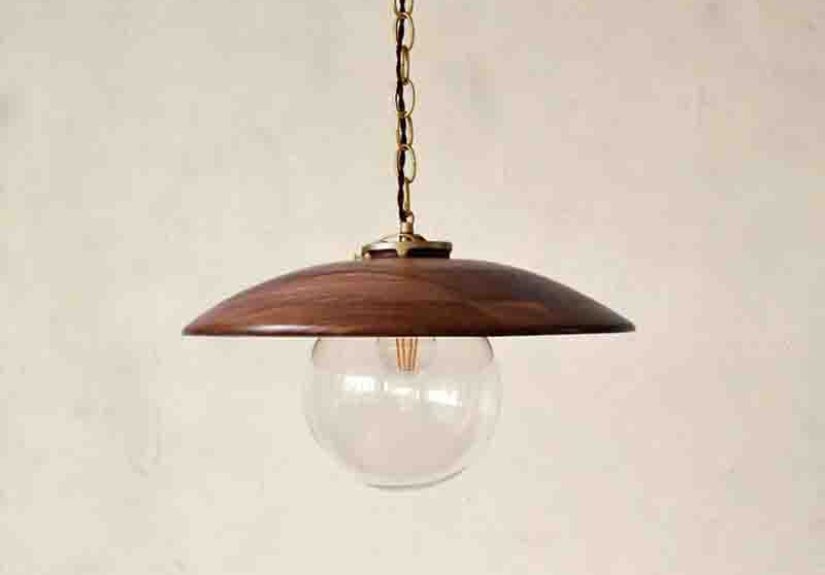
The Edmund Pendant Light is best understood as a premium statement pendant with an artisan soul. It is associated with Lostine, a design brand known for work that feels handcrafted, grounded, and quietly luxurious rather than cold or overly polished. The fixture is especially notable for combining natural material warmth with a silhouette that still feels crisp and architectural.
At a glance, the design usually reads as three ideas working together at once: a hand-finished shade, elegant brass detailing, and a globe that softens the whole composition. That combination matters. Plenty of pendant lights lean hard into industrial style and end up feeling a bit stern, like they might judge your snack choices. Others go too soft and disappear into the ceiling. The Edmund Pendant Light avoids both traps. It has shape, but it also has softness. It feels intentional without turning the room into a showroom that no one is allowed to touch.
Another reason the fixture gets attention is versatility. Depending on the version, the Edmund line includes smaller and larger formats, along with material options that let buyers push the look warmer, darker, brighter, or more textural. That flexibility makes it easier to use in kitchens, breakfast nooks, dining rooms, entryways, reading corners, and even bedrooms where a pendant can replace predictable table lamps.
In simple terms, this is not just a light. It is a design decision. And unlike some design decisions we all regret later, this one tends to age gracefully.
Why the Edmund Pendant Light Works So Well
A Shape That Feels Sculptural Without Being Fussy
One of the best things about the Edmund Pendant Light is its silhouette. The fixture has presence, but it does not scream for attention like a chandelier that thinks it is the lead in a reality show reunion episode. Its proportions feel balanced. The rounded globe brings softness, while the shade and metal details keep the overall profile tailored and structured.
This balance is exactly why it performs so well in homes that blend styles. If your space has organic modern energy, it fits. If your room leans traditional with updated details, it fits. If your kitchen lives somewhere between vintage warmth and clean contemporary lines, the Edmund Pendant Light slips right in and acts like it has always paid rent there.
Material Contrast Does the Heavy Lifting
Great lighting often comes down to material contrast, and this fixture knows it. Wood adds warmth and tactility. Brass brings refinement and depth. Glass keeps the piece visually open so it does not feel too heavy overhead. Together, those elements create what designers love most: tension with manners.
That material mix is especially relevant right now because homeowners continue to favor lighting that feels crafted instead of generic. Warm metals, visible handwork, and natural materials help a room feel layered and lived in. The Edmund Pendant Light taps into that preference beautifully. It is polished, but not sterile. Elevated, but not uptight.
It Gives Off More Than Light; It Gives Off Mood
The Edmund Pendant Light is not the kind of fixture you buy only for raw brightness. You buy it because you want atmosphere. It is ideal for rooms where lighting should support how the space feels, not just how clearly you can spot a breadcrumb. Over a dining table, it creates intimacy. Over an island, it adds focus and rhythm. In a reading nook, it can feel almost cinematic.
This is why dimming matters so much with a pendant like this. When a fixture already has sculptural appeal, the right bulb temperature and brightness level let it perform like set design for your daily life. Morning coffee gets one mood. Dinner gets another. Late-night kitchen wandering in search of leftovers gets a third, and frankly, that journey deserves good lighting too.
Best Places to Use an Edmund Pendant Light
Over a Kitchen Island
This may be the Edmund Pendant Light’s most natural habitat. A kitchen island is where style and utility meet, and this fixture speaks both languages. Use a single pendant over a compact island or a pair over a longer one. In larger kitchens, multiple pendants can help define the prep area while also adding visual rhythm across the room.
The wood-and-brass combination is especially effective in kitchens that need warmth. If your cabinetry is painted, the natural texture helps break up flat surfaces. If your kitchen already has wood tones, the pendant can echo that material story without feeling too matchy-matchy. Nobody wants a kitchen that looks like it was assembled from one giant wooden puzzle.
Above a Dining Table
Over a dining table, the Edmund Pendant Light feels refined and grounded. It works particularly well if you want something softer and more personal than a formal chandelier. Instead of announcing itself with glitter and drama, it creates a quieter kind of elegance. Think dinner party with good bread, not ballroom scene in a period drama.
For rectangular tables, a pair or trio may make sense depending on scale. For a round table, a single fixture can create a centered focal point that feels composed and cozy. The key is proportion. A pendant should look like it belongs to the table beneath it, not like it wandered in from a different room.
In an Entryway or Reading Corner
The Edmund Pendant Light also shines in transitional or intimate spaces. In an entryway, it sets the tone immediately. It tells guests the home values craftsmanship, comfort, and lighting that does more than blink on and off. In a reading corner, it adds overhead presence without eating up floor space, which is especially useful in smaller homes or apartments where every square foot must earn its keep.
In a Bedroom
Pendant lighting in bedrooms can feel surprisingly luxurious, and the Edmund Pendant Light is a strong candidate for that role. Hung beside the bed in place of a table lamp, it frees up nightstand space and adds a custom-designed look. It also introduces a little drama in the best possible way, like your bedroom finally upgraded from “perfectly fine” to “quiet boutique hotel.”
How to Style the Edmund Pendant Light
The easiest way to style the Edmund Pendant Light is to let it connect materials already present in the room. If your kitchen has brass hardware, the fixture will feel naturally integrated. If you have walnut stools, oak flooring, or a vintage wood table, the wood shade can pull those elements together. Glass-front cabinets, glossy tile, or stone counters also pair nicely because they echo the globe’s reflective softness.
Color palette matters too. This pendant looks especially strong in rooms built around warm whites, mushroom tones, earthy greens, muted blues, charcoal, and natural wood. In those settings, it feels rich without becoming heavy. In stark all-white interiors, it can act as a welcome source of texture and soul.
You do not need to over-style around it. In fact, the Edmund Pendant Light tends to work best when the surrounding decor gives it room to breathe. A few thoughtful materials, clean lines, and one or two contrasting elements are enough. Let the fixture be the interesting friend in the group, not one of twelve people all trying to tell the same story at once.
What to Consider Before Buying
Size and Scale
Before you fall in love with photos, measure your space like a sensible adult. Pendant lighting is all about proportion. A fixture can be gorgeous and still be wrong for the room if it is too small, too bulky, or hung at the wrong height. Over tables and counters, a common rule is to hang the bottom of the fixture roughly 30 to 36 inches above the surface, with spacing adjusted for ceiling height and sight lines. In multi-pendant arrangements, consistent spacing matters just as much as fixture size.
Installation Type
One of the practical perks of the Edmund line is that some versions offer more than one installation approach. That can be a big deal. Hardwired lighting feels built-in and permanent, which is excellent for kitchens and dining rooms. Plug-in styles can be a lifesaver in spaces where you want the look of overhead or suspended lighting without major electrical work. Renters, rejoice cautiously.
Bulb Choice and Light Quality
A beautiful pendant can still look disappointing with the wrong bulb. Choose a warm, inviting temperature and keep it consistent with nearby lighting. If the room mixes recessed lights, under-cabinet lights, sconces, and pendants, mismatched bulb temperatures can make the space feel visually confused. Add a dimmer whenever possible. It is one of the simplest upgrades with the biggest payoff.
Maintenance
The Edmund Pendant Light has materials you will actually want to keep looking good, which means occasional dusting is part of the bargain. Glass needs gentle cleaning. Brass may develop a more lived-in character over time. Wood benefits from being treated like the natural material it is, not like a superhero that enjoys grease and neglect. Fortunately, the level of upkeep is reasonable. This is not a crystal chandelier that turns cleaning day into an emotional event.
Experiences Related to the Edmund Pendant Light
The most interesting thing about living with a fixture like the Edmund Pendant Light is how quickly it stops feeling like “new decor” and starts feeling like part of the home’s personality. People often expect a pendant to improve a room visually, but they do not always expect it to change how the room is used. That shift is where the real experience begins.
In kitchens, homeowners often notice that an island feels more anchored once the right pendant is in place. Before the fixture goes up, the island may just be a slab with stools. Afterward, it becomes a destination. Morning coffee happens there more often. Kids do homework there. Guests gather there even when there are perfectly good seats elsewhere, because apparently people are magnetically drawn to good lighting like moths with excellent taste. A pendant such as Edmund helps define that zone, making the kitchen feel less like one big bright box and more like a layered, functional living space.
In dining rooms, the experience tends to be emotional as much as visual. A thoughtfully chosen pendant changes the mood of dinner. Meals feel less rushed. The table seems more finished, more intentional, and a lot less like a temporary landing zone for grocery bags and unopened mail. Even weekday dinners can feel elevated when the light above the table creates a warm pool instead of a harsh overhead blast that makes your pasta look like it is being interrogated.
There is also a tactile pleasure to a fixture built from warmer materials. Wood and brass have a very different energy from chrome and generic glass. People respond to that, even if they do not use design vocabulary to explain it. They will say the room feels calmer, richer, more “done,” or simply nicer. That reaction is not accidental. Natural materials tend to make interiors feel more human, and the Edmund Pendant Light leans into that quality without becoming rustic or overly traditional.
Another common experience is that the fixture photographs well but feels even better in person. That sounds like marketing nonsense until you live with lighting that has real depth and subtle contrast. The globe catches light differently throughout the day. The brass details look stronger in the evening. The shade adds presence without making the room feel crowded. It is one of those pieces that keeps revealing little strengths over time, which is a lot more satisfying than a trendy fixture that gets all its attention in the first week and then fades into decorative witness protection.
People also tend to appreciate the Edmund Pendant Light when they are trying to bridge styles in one home. Maybe the architecture is older, but the kitchen renovation is newer. Maybe the furniture mixes vintage wood with contemporary upholstery. Maybe the homeowner wants a statement piece, but not one that feels too polished or too industrial. This pendant works well in those in-between moments. It softens modern rooms and sharpens traditional ones. That flexibility creates a lived experience of ease. The fixture does not force the room to pick one identity and stick with it forever.
Finally, there is the simple everyday experience of enjoying something useful that is also beautiful. That sounds obvious, but it is rarer than it should be. Lighting is one of the few design elements you notice in the morning, in the afternoon, at dinner, and during your mysterious midnight trip to the kitchen for “just one” cookie. A fixture like the Edmund Pendant Light earns its place because it keeps showing up for all those moments. It can be practical, atmospheric, sculptural, and comforting all at once. That is not just good product design. That is good living.
Final Thoughts
The Edmund Pendant Light succeeds because it understands something many fixtures forget: beauty alone is not enough, and utility alone is boring. The best lighting does both. It shapes a room visually, supports how people actually use the space, and adds a sense of character that cannot be faked with brighter bulbs or a desperate amount of recessed lighting.
If you are looking for a pendant that blends artisan materials, warm modern styling, and everyday versatility, this one deserves serious attention. It feels premium because it is thoughtful, not because it is loud. It makes an impression without turning the room into a performance. And in a world full of lighting that is either trying too hard or barely trying at all, that balance is a very big deal.
Whether you hang it over a kitchen island, a dining table, an entryway, or a bedside nook, the Edmund Pendant Light has the kind of design presence that rewards both first impressions and long-term living. It is stylish, useful, and just sculptural enough to make people ask about it. Honestly, that is the dream. A ceiling light with charm, brains, and no need to monologue.
Note: This article is fully rewritten in an editorial style for web publication and intentionally omits inline source links.