Table of Contents >> Show >> Hide
- What exactly is baking soda?
- Why do people drink baking soda?
- Potential benefits of drinking baking soda (in the right context)
- Real dangers of drinking baking soda
- Who should avoid drinking baking soda?
- Safe(ish) use: If your doctor says it’s okay
- Myths to stop believing about drinking baking soda
- Healthier alternatives to manage heartburn
- When to call a doctor or Poison Control
- Bottom line: Should you drink baking soda?
- Experiences and practical reflections on drinking baking soda
If you’ve ever had raging heartburn in the middle of the night, chances are someone has suggested a “magic” cure: a spoonful of baking soda in water. It sounds simple, cheap, and natural. But is drinking baking soda actually a good idea, or are you just turning your kitchen staple into a risky home experiment?
In this in-depth guide, we’ll break down what really happens when you drink baking soda, what science says about potential benefits, and, most importantly, where the dangers start. We’ll also look at who should avoid this trend altogether and how to use baking soda more safely if your healthcare provider says it’s okay.
What exactly is baking soda?
Baking soda is the common name for sodium bicarbonate, a white, crystalline powder used in baking, cleaning, and some medical treatments. Chemically speaking, it’s a weak base that reacts with acids to produce water, salts, and carbon dioxide gas (those bubbles you see when it fizzes in liquid).
Because it can neutralize acid, sodium bicarbonate has long been used as an over-the-counter antacid to relieve occasional heartburn and sour stomach. In medical settings, it may also be used under strict supervision to treat conditions like metabolic acidosis or certain types of kidney disease. However, that doesn’t mean it’s harmless when tossed casually into a glass of water at home.
Why do people drink baking soda?
Some popular claims about drinking baking soda water include:
- Relieving acid reflux and heartburn
- “Alkalizing” the body or balancing pH
- Improving exercise performance
- Helping with kidney health in people with certain conditions
- Promoting digestion or “detoxing” the body
The problem is that not all of these claims are backed by solid evidence, and even the benefits that do have some support usually apply only in very specific situations, with carefully controlled doses. Let’s unpack what we actually know.
Potential benefits of drinking baking soda (in the right context)
1. Short-term relief of heartburn and acid reflux
Baking soda’s most well-known use is as a fast-acting antacid. Because it’s alkaline, it can neutralize excess stomach acid and may quickly ease burning discomfort from heartburn or acid reflux for some people.
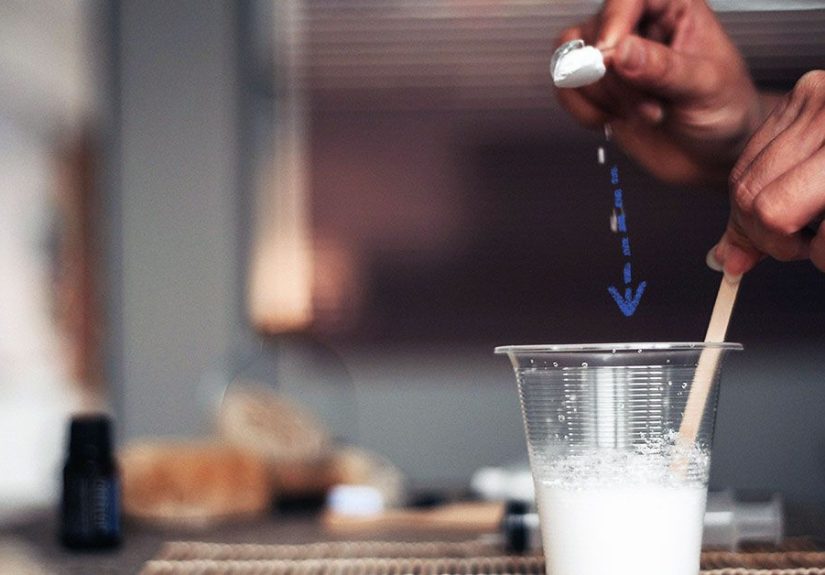
Many OTC antacid products and drug references describe a typical adult dose as about 1/2 teaspoon of baking soda dissolved in 4 ounces (120 mL) of water, taken at least 1–2 hours after meals and away from other medications. This kind of use is meant to be occasional, not a daily habit.
Even here, there are two big caveats:
- It only treats the symptom (acid) and not the cause of reflux.
- Frequent use can overload your body with sodium and bicarbonate, which is where the real dangers come in.
2. Medical uses for kidney disease and acidosis
In people with certain types of chronic kidney disease, doctors sometimes prescribe sodium bicarbonate tablets to help treat metabolic acidosis (a buildup of acid in the blood). Some research suggests this may slow the progression of kidney damage in those specific cases when supervised by a nephrologist or other specialist.
That does not mean healthy people should drink baking soda to “protect their kidneys.” The doses, timing, and lab monitoring used in clinical settings are very different from adding spoonfuls of baking soda to water at home.
3. Athletic performance (when carefully dosed)
Sports scientists have studied sodium bicarbonate as a performance aid. At specific body-weight-based doses, taken before high-intensity exercise, baking soda can help buffer acid buildup in muscles, potentially improving performance in short, intense bursts of activity.
However, these studies usually involve:
- Precisely calculated doses (often around 0.2–0.3 grams per kilogram of body weight)
- Careful timing before exercise
- Monitoring for side effects like nausea, cramping, and diarrhea
In other words, this is not a casual “dump a spoonful in water and hope for the best” situation. For most people, the gastrointestinal side effects alone make unsupervised “bicarb loading” a pretty miserable idea.
Real dangers of drinking baking soda
Here’s where things get serious. While baking soda may look harmless in the pantry, drinking too muchor using it too oftencan cause significant health problems.
1. Metabolic alkalosis (dangerously high blood pH)
Your body works hard to keep the pH of your blood in a very narrow range. Large amounts of baking soda can push that balance too far toward alkaline, causing a condition called metabolic alkalosis. This can be life-threatening if severe.
Symptoms may include:
- Confusion or feeling “out of it”
- Muscle twitching or cramps
- Nausea and vomiting
- Hand tremors
- Lightheadedness or dizziness
- Abnormal heart rhythms in serious cases
Medical case reports describe severe complicationsand even deathsafter people consumed large amounts of baking soda for heartburn, “detox” regimens, or supposed home treatments for serious illnesses.
2. Electrolyte imbalances and dehydration
Baking soda is high in sodium. Overdoing it can throw off your body’s electrolyte balance, especially sodium and potassium levels. That can lead to:
- Dehydration
- Weakness and fatigue
- Muscle cramps or spasms
- Irregular heartbeats
- In severe cases, seizures
People with kidney problems are particularly vulnerable because their bodies can’t efficiently clear the extra sodium and bicarbonate load.
3. Gastrointestinal side effects
When you mix baking soda with stomach acid, you get carbon dioxide gas. That fizz might be fun in a science project, but in your GI tract it can cause:
- Bloating and distension
- Belching
- Stomach cramps
- Diarrhea or, occasionally, constipation
- Nausea or vomiting
In rare cases, rapid gas production in a very full stomach has been associated with gastric rupture in vulnerable individuals. That’s one more reason not to drink baking soda right after a large meal.
4. Increased blood pressure and heart strain
Because sodium bicarbonate adds to your overall sodium intake, regular or high-dose use can raise blood pressure and make the heart work harder. This is especially concerning if you already have:
- High blood pressure (hypertension)
- Heart failure
- Heart disease
- History of stroke
For these groups, the “cheap home remedy” can quickly turn into a risky move.
5. Drug interactions
Baking soda can change the acidity of your stomach and urine, which may affect how certain medications are absorbed or eliminated. That means it can potentially interfere with how well some drugs work or increase side effects.
Because of this, drug references typically advise taking sodium bicarbonate at least 2 hours apart from other medicationsand checking with a healthcare provider before using it if you’re on prescription drugs.
Who should avoid drinking baking soda?
In general, drinking baking soda water is not recommended for:
- People with kidney disease (unless specifically prescribed and monitored by a doctor)
- Those with high blood pressure, heart failure, or heart disease
- Anyone on a low-sodium diet
- Pregnant individuals (self-treatment with baking soda is not advised)
- Children, especially under 12, unless directed by a pediatrician
- People with chronic digestive symptoms who haven’t been properly evaluated
If you fall into any of these categories, talk with a healthcare professional before using baking soda for heartburnor as part of any “alkaline” or DIY wellness trend.
Safe(ish) use: If your doctor says it’s okay
If your healthcare provider has cleared you to use baking soda occasionally for heartburn or sour stomach, keep these safety tips in mind:
- Stick to label directions. For many products, that means about 1/2 teaspoon dissolved completely in at least 4 ounces of water for adults, not more often than directed.
- Don’t exceed the daily maximum. Drug labels often cap total doses per 24 hours, with even lower limits for adults over 60.
- Time it wisely. Take it on a not-completely-full stomach, usually 1–2 hours after a meal, and at least 2 hours apart from other medications.
- Use it occasionally, not daily. Think “emergency backup,” not a lifestyle habit.
- Stop if you feel unwell. If you notice confusion, persistent vomiting, muscle twitching, chest pain, or breathing changes, seek urgent care.
And if you’re reaching for baking soda frequently, that’s a sign you need a proper evaluation for chronic heartburn, GERD, ulcers, or other underlying issues.
Myths to stop believing about drinking baking soda
“It detoxes the body.”
Your body already has a detox system: your liver, kidneys, lungs, skin, and gut. Drinking baking soda won’t magically scrub toxins awayand overdoing it can actually add strain to your kidneys and heart.
“It cures cancer or serious disease.”
Online rumors sometimes claim that “alkalizing” with baking soda can treat cancer or other serious illnesses. These claims are not supported by high-quality clinical evidence. Self-medicating with large amounts of baking soda instead of getting appropriate medical care can be extremely dangerous.
“It’s safe because it’s natural and in my pantry.”
Plenty of “natural” things can be harmful in the wrong dosesalt, alcohol, even water. Baking soda is no exception. The fact that you can use it to clean your sink, deodorize your fridge, and bake cookies should be a clue that it’s potent stuff.
Healthier alternatives to manage heartburn
If you’re tempted to drink baking soda for heartburn, consider trying these options instead (after talking with your doctor):
- Diet changes: Avoiding large late-night meals, reducing trigger foods like high-fat, spicy, or acidic dishes, and cutting back on caffeine and alcohol.
- Weight management: For some people, even modest weight loss can ease reflux symptoms.
- Positional changes: Elevating the head of the bed, not lying down right after eating, and wearing looser clothing around the abdomen.
- Approved antacids or acid reducers: Over-the-counter antacids, H2 blockers, or proton pump inhibitors used according to the package or your provider’s instructions.
These strategies address heartburn with fewer risks than chronic baking soda use.
When to call a doctor or Poison Control
Seek immediate medical help or call Poison Control (in the United States, 1-800-222-1222) if:
- You or someone else has taken a large amount of baking soda
- You notice vomiting, diarrhea, or severe stomach pain after drinking it
- There are signs of confusion, muscle twitching, or unusual behavior
- Breathing becomes slow, shallow, or labored
- There are chest pains, fainting, or an irregular heartbeat
For ongoing heartburn, frequent indigestion, unexplained weight loss, difficulty swallowing, or black or bloody stools, schedule a medical appointment as soon as possible. Those can be signs of something more serious than simple reflux.
Bottom line: Should you drink baking soda?
Drinking baking soda is not automatically “bad,” but it’s definitely not risk-free. Used occasionally, in small, label-directed doses, and only if your healthcare provider says it’s appropriate, it may temporarily ease heartburn or serve specific medical purposes under supervision.
However, using it often, in large amounts, or as a DIY cure-all for everything from weight loss to “detox” can put you at real risk of metabolic alkalosis, electrolyte problems, heart strain, and kidney issues. When in doubt, skip the kitchen chemistry and talk to a professional instead.
Experiences and practical reflections on drinking baking soda
Stories about drinking baking soda tend to fall into two camps: people who swear it “saved” them from horrible heartburn, and people who say, “Never again.” Listening to both sides can help you understand why healthcare professionals urge caution.
On the positive side, imagine someone who rarely has heartburn but one night eats a heavy, spicy meal and feels that classic burn rising up their chest. They mix half a teaspoon of baking soda into a small glass of water, drink it, burp a few times, and feel the discomfort ease within minutes. For them, it feels like a miracle fix. If this happens once every few months, and they’re otherwise healthy, that short burst of relief is probably the experience they remember most.
On the other side, people who start relying on baking soda as a regular solution often describe less pleasant experiences. They might begin with small doses but gradually increase how much or how often they take it, especially if their heartburn keeps returning. Over time, they may notice new problems: bloating, frequent trips to the bathroom, feeling unusually tired, or just “off.” Some people report episodes of dizziness, muscle cramps, or brain fog that they didn’t initially connect to their baking soda habit.
Healthcare providers sometimes see more extreme versions of these stories. For example, someone might show up in the emergency department with severe vomiting and confusion, only to reveal later that they had been drinking multiple spoonfuls of baking soda daily for indigestion or a social-media “detox.” Lab tests then show significant electrolyte disturbances and signs of metabolic alkalosis. In hindsight, the person may say they assumed, “It’s just baking sodahow bad can it be?”
There are also emotional layers to these experiences. When people reach for baking soda, they’re often looking for fast relief or a feeling of control. Maybe they don’t have easy access to a doctor, or they’re worried about being prescribed long-term medication. Home remedies feel empoweringand to be fair, some can be helpful. But when a remedy like baking soda seems to work, it can unintentionally delay a proper diagnosis. Someone with chronic heartburn might keep treating themselves at home instead of discovering that they have a hiatal hernia, severe GERD, or even a more serious condition that truly needs medical attention.
Another common thread: people often underestimate the impact of sodium. You don’t taste much saltiness in a diluted baking soda drink, so it’s easy to forget that you’re adding extra sodium on top of what’s already in processed foods, snacks, and restaurant meals. For someone with borderline high blood pressure, that extra sodium can be the difference between staying stable and creeping into dangerous territory over time.
If you’re curious about baking soda because you’ve seen success stories, it’s worth asking a few honest questions first:
- Am I using this as a rare backup plan or as my main “treatment” for ongoing symptoms?
- Have I talked with a healthcare professional about what’s causing my heartburn or discomfort?
- Do I have any kidney, heart, or blood pressure issues that make extra sodium risky?
- Am I also willing to make lifestyle changeslike adjusting my diet and meal timingrather than just chasing quick fixes?
Hearing other people’s experiences can be helpful, but remember that individual stories are not medical advice. The person who feels great after an occasional baking soda drink might have very different health risks than you. Another person’s scary emergency-room visit might not happen to everyonebut it’s a powerful reminder that “natural” and “harmless” are not the same thing.
Ultimately, the smartest “experience” you can create for yourself is one where you’re informed, cautious, and guided by evidence rather than hype. If you decide to try baking soda water at all, do it only with your provider’s blessing, in small, infrequent doses, and treat it as a short-term toolnot a long-term solution.