Table of Contents >> Show >> Hide
- Table of Contents
- The One Rule That Solves Most Hibiscus Confusion
- Hardy vs. Tropical vs. Rose of Sharon: Know Your Hibiscus
- Will Hibiscus Come Back in Your Zone? A Practical Zone-by-Zone Guide
- Winter Survival: What “Come Back” Actually Means
- Care Tips That Improve the Odds (No Matter the Zone)
- Why Your Hibiscus Didn’t Return: The Usual Suspects
- Real-World Growing Experiences by Zone (What Gardeners Learn the Fun Way)
- Cold-Zone Reality (Zones 3–5): “It’s Alive… Eventually”
- Middle-Zone Reality (Zones 5–8): “The Right Type Makes You Look Like a Pro”
- Warm-Zone Reality (Zones 9–11): “Winter Isn’t the ProblemSurprise Weather Is”
- Indoor-Overwintering Reality (Any Zone): “Leaf Drop Is Not a Breakup”
- The Most Common “Aha” Moment
- Sources Consulted (No Links)
Hibiscus flowers have the confidence of a plant that knows it’s photogenic. Big petals. Loud colors. Serious “look at me” energy.
So it’s only fair to ask: does hibiscus come back every year, or is it more of a seasonal fling?
The honest answer is: it depends on the type of hibiscus and your USDA Plant Hardiness Zone.
Some hibiscus are true perennials that return like clockwork. Some are woody shrubs that leaf out late but live for years.
And some are tropical divas that act personally offended by a chilly night.
The One Rule That Solves Most Hibiscus Confusion
If you only remember one thing, make it this:
“Hibiscus” is a big family name, not one single plant.
When people say “my hibiscus,” they might mean:
- Hardy hibiscus (perennial; often dies back to the ground and returns)
- Rose of Sharon (a woody hibiscus shrub; returns as a shrub)
- Tropical hibiscus (perennial only where winters are mild; otherwise needs indoor wintering)
So yeshibiscus can come back every year. But the “how” and “where” depends on which of those you’re growing.
If you’re not sure, don’t worry. The next section is basically hibiscus ID without the lab coat.
Hardy vs. Tropical vs. Rose of Sharon: Know Your Hibiscus
1) Hardy Hibiscus (Perennial Hibiscus / Rose Mallow)
Hardy hibiscus is the one that makes northern gardeners feel smug. It produces huge, tropical-looking blooms
while living in places that also produce snow shovels.
This group often includes Hibiscus moscheutos hybrids (sometimes called rose mallow or
dinner-plate hibiscus). Many varieties are rated for colder zones and typically
die back to the ground in winter, then regrow from the roots when warmth returns.
What surprises people: hardy hibiscus is famously late to wake up in spring.
You may have tulips blooming and still be staring at a “dead” hibiscus patch like it owes you money.
Then suddenly it rockets upward and acts like nothing happened.
2) Rose of Sharon (Hibiscus syriacus)
Rose of Sharon is hibiscus in shrub formwoody stems, dependable summer blooms, and the ability to serve as a hedge or small screen.
It’s often hardier than tropical hibiscus and behaves like a deciduous flowering shrub:
it loses leaves in fall, then leafs out again (often later than you’d expect) when spring is established.
A key care detail: rose of Sharon typically blooms on new wood, which affects when you prune
if you want maximum flowers and minimal regret.
3) Tropical Hibiscus (Hibiscus rosa-sinensis)
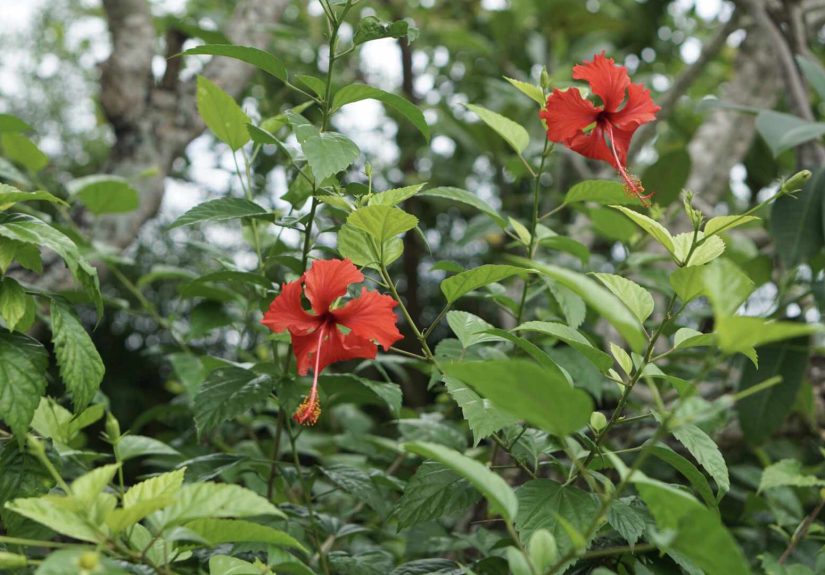
Tropical hibiscus is what you see in postcards: glossy leaves, nonstop color, and a strong preference for not freezing.
In warm climates, it can be a perennial outdoor shrub. In colder climates, it’s usually treated as a
container plant you bring indoors for winter (or grown as an annual if you’re feeling ruthless).
The biggest misunderstanding is calling it “dead” after one chilly night. Tropical hibiscus can drop leaves,
stall growth, or get damaged by cold temperatures long before a true freeze happens. It’s not being dramatic.
It’s being tropical.
Will Hibiscus Come Back in Your Zone? A Practical Zone-by-Zone Guide
Your USDA Plant Hardiness Zone is based on the average annual extreme minimum winter temperature.
In plain English: it tells you how nasty winter gets at its worst, which is exactly what hibiscus cares about.
(Your hibiscus doesn’t read your summer forecast. It reads your cold snaps.)
Zones 3–4: “Choose Hardy Hibiscus, Then Be Patient”
In these colder zones, hardy hibiscus is your best bet.
Stick with varieties labeled hardy for your zone, plant them well, mulch for winter, and prepare for the
“is it alive?” spring phase.
- Best candidate: hardy hibiscus (rose mallow types)
- What to expect: winter dieback to the ground; regrowth from roots
- Smart move: mark the planting spot so you don’t “clean up” the area with a shovel in April
Can rose of Sharon work here? Sometimes gardeners try it in protected microclimates, but it’s generally more reliable
where winters are a bit gentler. If you want a sure thing, go with hardy hibiscus types rated for your zone.
Zones 5–8: “You Have Options (Lucky You)”
These zones are the hibiscus sweet spot for many gardeners. Hardy hibiscus thrives,
and rose of Sharon is usually a solid shrub choice.
Your main job is matching the plant to your space:
- Want huge blooms and a perennial that dies back? Choose hardy hibiscus (rose mallow types).
- Want a woody shrub that blooms later in summer? Choose rose of Sharon.
- Want tropical hibiscus outdoors year-round? Not reliablyplan on containers + indoor wintering.
Example: In Zone 6, a hardy hibiscus like ‘Lord Baltimore’ can return yearly with massive blooms,
while a rose of Sharon cultivar can provide shrub structure and flowers when summer is in full swing.
Zones 9–11: “Perennial Paradise… With a Few Caveats”
This is where tropical hibiscus can often live outside year-rounddepending on local conditions and cold snaps.
Hardy hibiscus and rose of Sharon can also grow here, though heat and humidity shift what “ideal” looks like.
- Tropical hibiscus: may be perennial outdoors, but protect it from unusual cold events
- Hardy hibiscus: still performs well, especially with consistent moisture
- Rose of Sharon: can thrive, but watch for unwanted seedlings in some regions
In warmer zones, you’ll often water more and pay closer attention to pests, because insects also enjoy paradise.
Zones 12–13: “Tropical Hibiscus Lives Its Best Life”
In the warmest zones, tropical hibiscus is typically a true outdoor perennial shrub. Your biggest threats are less about cold
and more about wind exposure, drought stress, pests, and nutrient management.
Winter Survival: What “Come Back” Actually Means
Hardy Hibiscus: It’s Not DeadIt’s Just Sleeping (Very Hard)
Hardy hibiscus often looks completely done after frost. Stems can be cut back (timing varies by preference),
and the plant returns from the root system when soil temperatures rise.
The trick is psychological: it can be one of the last perennials to emerge. If you poke around too aggressively,
you can damage new shoots before they even make an entrance.
Rose of Sharon: A Shrub That Takes Its Time
Rose of Sharon drops leaves and goes dormant like many deciduous shrubs. It may leaf out later than nearby shrubs,
then produce flowers on new growth later in the season.
Pruning is usually best done in late winter or early spring if neededespecially because blooming happens on new wood.
Tropical Hibiscus: “Overwinter” Is the Magic Word
If you live outside the warm zones, tropical hibiscus usually won’t survive winter outdoors. But it can absolutely
come back every year if you bring it in.
You generally have two workable winter strategies:
- Houseplant mode: keep it warm, give it bright light, water carefully, and accept some leaf drop during adjustment.
- Resting/dormant-ish mode: cooler, less light, minimal waterbasically hibiscus hibernation, without the tiny pajamas.
Either way, check for hitchhiking pests before bringing it inside. Your other houseplants didn’t sign up for that drama.
Care Tips That Improve the Odds (No Matter the Zone)
Give It SunThen Give It More Sun
Most hibiscus bloom best with full sun (often at least 6 hours). In very hot climates,
a little afternoon shade can prevent stress, but too much shade usually means fewer flowers.
Match Watering to the Type
Hardy hibiscus (rose mallow types) naturally likes consistent moisture and can handle heavier soils better than many ornamentals.
That makes it a great candidate for low spots or rain-garden edges (as long as it still gets sun).
Tropical hibiscus prefers evenly moist soil in active growth but hates soggy roots indoors in winter.
Think “steady,” not “swampy.”
Fertilize Like You Want Flowers, Not a Jungle
Hibiscus responds to feeding during the growing season, but overdoing it can lead to lots of leaves and fewer blooms.
Use a balanced approach, and taper off as the season winds downespecially for tropical plants you’ll bring indoors.
Pruning: The Plant Version of a Good Haircut
- Hardy hibiscus: cut back dead stems to a few inches once dormant (fall or spring cleanup both work in many gardens).
- Rose of Sharon: prune late winter/early spring if shaping is needed; it typically blooms on new wood.
- Tropical hibiscus: light shaping encourages branching and more bloom sites; avoid harsh pruning right before major stress (like a move indoors).
Mulch Is Cheap Insurance
In colder zones, mulch helps buffer temperature swings and protects roots. In warmer zones, mulch helps retain moisture and keeps roots cooler.
Either way, your hibiscus is quietly grateful.
Why Your Hibiscus Didn’t Return: The Usual Suspects
1) It Was Tropical Hibiscus Left Outdoors in a Freezing Zone
This is the most common heartbreak. If your plant tag said “tropical” (or it had super glossy leaves and a constant vacation vibe),
it likely needed indoor wintering outside warm zones.
2) You Dug Up a Hardy Hibiscus Because It “Never Came Back”
Hardy hibiscus is a late starter. Gardeners often assume it’s gonethen discover it was simply waiting for real warmth.
If you’re unsure, give it time, and avoid aggressive digging where it’s planted.
3) Winter Rot (Not Cold) Got the Roots
In some climates, wet winter soil can be harder on plants than cold air. Heavy, waterlogged soil plus freezing/thawing can damage crowns.
If your garden stays soggy, consider raised planting, improved drainage, or choosing the hibiscus type that tolerates wetter soils best.
4) Container Plants Froze Solid
Pots lose heat faster than in-ground soil. A plant rated hardy in your zone may still fail in a pot if the root ball freezes repeatedly.
If you keep hibiscus in containers in colder regions, protect the pot (wrap it, move it to shelter, or overwinter it in a protected space).
5) Late Frost + Early Pruning Mistakes
Pruning at the wrong time usually doesn’t kill a hibiscus, but it can reduce blooms or set the plant back.
Combine that with a surprise late frost and you can end up with a sad season.
Real-World Growing Experiences by Zone (What Gardeners Learn the Fun Way)
Gardening advice sounds simple until you’ve actually gardened. Then it becomes a mix of science, weather roulette, and personal growth.
Here are the kinds of experiences gardeners commonly report when they’re trying to figure out whether hibiscus will come back every year.
Cold-Zone Reality (Zones 3–5): “It’s Alive… Eventually”
If you grow hardy hibiscus in a colder zone, you learn patience at a spiritual level. Many gardeners say the plant is the last to show signs of life.
You’ll see neighbors posting photos of perennials popping up, and your hibiscus bed is still giving “empty lot.”
The lesson: don’t panic-prune, don’t panic-dig, and don’t assume failure in early spring.
A common tip from experienced growers is to leave a short “stump” of old stems or a label marker through winter,
because hardy hibiscus can be slow to emerge and surprisingly easy to forget about until you accidentally plant something on top of it.
(Ask any gardener how many “mystery plants” they’ve relocated by mistake and watch their eye twitch.)
Middle-Zone Reality (Zones 5–8): “The Right Type Makes You Look Like a Pro”
In these zones, gardeners often describe hibiscus success as a plant-tag game. Buy the right type, plant it in sun, keep it watered,
and you look like you have a secret gardening degree. Buy the wrong type (usually tropical hibiscus for the ground) and you get a one-season wonder.
Many people in these zones end up with a two-hibiscus strategy:
hardy hibiscus in the landscape for dependable return,
plus tropical hibiscus in pots for patio color that can be moved indoors. It’s like having both a reliable friend and a fun friend.
You appreciate them differently.
Warm-Zone Reality (Zones 9–11): “Winter Isn’t the ProblemSurprise Weather Is”
In warmer zones, tropical hibiscus can be perennial outdoors, but gardeners still talk about “those nights”
when a rare cold snap shows up and everyone suddenly becomes a plant parent at midnight.
People drag pots into garages, wrap shrubs, and start checking temperatures like they’re day trading the weather.
Another warm-zone experience: pests can feel nonstop. When it’s mild enough for hibiscus to keep growing,
it can also be mild enough for common pests to keep hanging around. Gardeners often mention staying consistent with inspections,
rinsing leaves, and not letting stress (too dry, too shady, too crowded) invite problems.
Indoor-Overwintering Reality (Any Zone): “Leaf Drop Is Not a Breakup”
The first time someone brings tropical hibiscus indoors, they’re usually shocked by the leaf drop.
It can look like the plant is staging a dramatic exit. But experienced growers treat this as normal adjustment:
less light, different humidity, and indoor air all change the plant’s routine.
Gardeners who get consistent year-to-year success often do three things:
they bring it in before it gets too cold, they place it in the brightest spot they have,
and they resist the urge to “love it to death” with constant watering. The plant wants stability.
Think calm, not chaos.
The Most Common “Aha” Moment
Over and over, gardeners say the breakthrough is realizing that “hibiscus” isn’t one set of rules.
Once they match the plant type to the zonehardy hibiscus for cold-winter landscapes, rose of Sharon for shrub structure,
tropical hibiscus for warm climates or containershibiscus stops being confusing and starts being the show-off it was born to be.
Sources Consulted (No Links)
This article was written using guidance synthesized from reputable U.S.-based horticulture references, including:
- USDA Agricultural Research Service (Plant Hardiness Zone Map)
- Missouri Botanical Garden (Plant Finder)
- Smithsonian Gardens (Plant care sheets)
- Clemson University Home & Garden Information Center
- University of Maryland Extension
- University of Maine Cooperative Extension
- University of Minnesota Extension
- University of Wisconsin Extension (Horticulture)
- Kansas State University Extension
- NC State Extension Plant Toolbox
- Texas Master Gardener program resources
- Better Homes & Gardens (plant care guidance)
- Garden Design (planting and overwintering guidance)
- Costa Farms (temperature and care basics)
- The Spruce (seasonal care and pruning guidance)