Table of Contents >> Show >> Hide
- What Is Faux Stained Glass, Exactly?
- Why DIY Faux Stained Glass Works So Well
- Materials You’ll Need for the Classic Faux Stained Glass Method
- How to Make DIY Faux Stained Glass Step by Step
- The Best Places to Use Faux Stained Glass at Home
- Common Faux Stained Glass Mistakes and How to Avoid Them
- A Renter-Friendly Alternative: Faux Stained Glass Window Film
- Design Ideas That Look Great in Faux Stained Glass
- Conclusion
- Experiences Related to “DIY Faux Stained Glass – Genius – Bob Vila”
There are two kinds of people in this world: people who see a plain glass panel and move on with their day, and people who stare at it and think, “You know what this needs? Drama.” If you’re in the second group, welcome home. DIY faux stained glass is one of those rare projects that looks wildly impressive, feels artsy, and does not require you to apprentice under a cathedral craftsperson named Bernard.
That’s the magic here. Real stained glass is beautiful, historic, and highly skilled work. Faux stained glass, meanwhile, lets everyday DIYers get a similar luminous effect with beginner-friendly materials, a little patience, and a decent willingness to clean up one or two accidental blobs. The result can be colorful window panels, cheerful suncatchers, custom cabinet inserts, framed decor, or privacy-enhancing accents that make a room feel custom without custom-window prices.
This guide walks through how to make DIY faux stained glass that actually looks polished, not like a science fair project that got emotional support from a glue bottle. We’ll cover the best materials, the easiest techniques, practical design ideas, renter-friendly alternatives, common mistakes, and the real-life lessons people learn once they try this surprisingly addictive craft.
What Is Faux Stained Glass, Exactly?
DIY faux stained glass is a decorative technique that mimics the look of traditional stained glass using paints, peel-and-stick leading, or window film rather than cut colored glass pieces soldered together. The goal is the same: bold outlines, glowing color, and a little bit of that jewel-box effect when sunlight hits the surface.
There are three popular ways to do it:
1. Liquid leading and glass paint
This is the closest visual match to traditional stained glass. You trace a design, create raised outlines, and fill the spaces with translucent color. It’s ideal for framed glass, old windows, mirrors, and decorative panels.
2. Tinted decoupage medium or craft paint method
This is a beginner-friendly, budget-conscious version. It works especially well for decorative pieces, kid-friendly projects, and casual home decor where you want color and shine without chasing perfection.
3. Decorative window film
If you want the look without drying time, paint, or commitment, faux stained glass film is the shortcut. It is especially handy for renters, bathrooms, sidelights, and privacy applications.
For the richest, most “wait, you made that?” effect, the liquid-leading method is the star of the show. So let’s start there.
Why DIY Faux Stained Glass Works So Well
Faux stained glass has quietly become a favorite DIY because it solves two design problems at once: boring glass and boring light. A plain pane is functional, sure, but a pane with amber, green, blue, and ruby tones suddenly throws color into a room and makes your morning coffee feel suspiciously cinematic.
It is also versatile. You can make a tiny framed botanical panel for a bookshelf, a geometric design for a modern entryway, a floral insert for a vintage cabinet door, or a privacy-focused bathroom accent that filters light instead of blocking it. Unlike some trendy projects that look cute for one weekend and then haunt you forever, faux stained glass can lean classic, playful, boho, cottage, modern, or maximalist depending on the pattern and palette.
Even better, the materials are approachable. Many DIYers start with a thrifted frame, an old glass insert, or a discount craft-store supply haul. So yes, this is one of those rare decorative upgrades where you can spend more on iced coffee during the project than on the project itself.
Materials You’ll Need for the Classic Faux Stained Glass Method
For the most convincing finish, gather these basics:
- A glass surface such as a thrifted frame, cabinet insert, mirror panel, or spare windowpane
- Rubbing alcohol or glass cleaner
- Lint-free cloth or paper towels
- A printed pattern, stencil, or hand-drawn design
- Liquid leading or faux leading strips
- Translucent glass paint or faux stained glass paint
- Toothpicks or a detail tool for dragging color into corners
- A small brush for smoothing paint if needed
- Painters tape or liquid masking product for neat edges if you’re working around a frame
- A utility knife or razor blade for careful cleanup after drying
Pro tip: start with smooth glass. That may sound obvious, but craft enthusiasm has convinced many people they can outsmart texture. They cannot. Smooth glass gives you better adhesion, cleaner outlines, and a far less dramatic relationship with cleanup.
How to Make DIY Faux Stained Glass Step by Step
Step 1: Clean the glass like you mean it
This is not the moment for a lazy shirt-sleeve wipe. Glass needs to be free of dust, grease, fingerprints, and residue or your paint may fisheye, skip, or peel in places that will offend you for years. Use rubbing alcohol or a proper glass-cleaning method, then dry the surface completely before starting.
If you are painting in a framed window or around trim, take time to protect surrounding surfaces. Some DIYers use painters tape, while others prefer liquid masking products on smooth glass to make cleanup easier. Either way, neat prep gives you that crisp finish everyone pretends happened naturally.
Step 2: Pick a pattern that fits your skill level
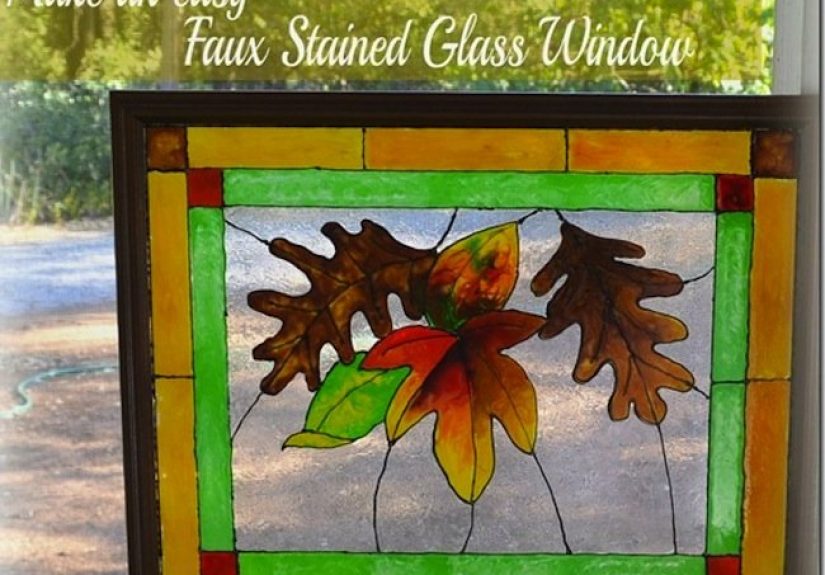
You do not need to begin with a medieval rose window. In fact, please don’t. Faux stained glass looks best when the shapes are large enough to fill easily and the outlines are clear. Good beginner patterns include leaves, geometric shapes, florals, simple birds, suns, moons, abstract arches, or Art Deco-inspired fan motifs.
Slide the printed pattern behind the glass or tape it to the back so it does not shift. This gives you a clean guide without marking the front surface. If you are using a clear panel in a frame, this is delightfully easy and makes you feel much more talented than you were five minutes earlier.
Step 3: Trace the design with liquid leading
This is where the faux stained glass starts looking legit. Apply the liquid leading directly over the pattern lines to create raised outlines that imitate the metal came in traditional stained glass. Go slowly. Raised lines define the finished look, so this step matters more than your playlist, your snack arrangement, and your opinions about whether green is overused.
If your lines get lumpy, don’t panic. Let the leading dry completely, then trim or tidy up any problem spots with a utility knife. Most beginners improve dramatically after the first few inches, which is a charming way of saying the top left corner may be your “before” and the bottom right corner may be your “after.”
Step 4: Let the leading dry fully
Patience is part of the supply list, even if it never comes in the package. Depending on product type and thickness, outlines may need several hours or overnight to dry fully. Rushing this stage can smear your lines and muddy the colors. That is a fancy way of saying one impulsive poke can ruin your whole afternoon.
Step 5: Fill in each section with color
Once the outline is dry, add translucent glass paint inside each section. Work one area at a time and pull the paint all the way to the edges so you don’t end up with tiny light gaps after shrinkage. A toothpick is perfect for dragging color into corners, popping bubbles, or gently swirling shades together for a marbled look.
Want a richer effect? Blend two compatible tones in one section, such as amber and gold, teal and cobalt, or berry and plum. Want a more traditional look? Keep each section one clean color and let the outline do the heavy lifting. Both approaches work. One says “historic inspiration,” the other says “I discovered joy in a bottle.”
Step 6: Smooth, inspect, and resist overworking
A small brush can help even out the surface, but use a light hand. Too much fussing introduces streaks, bubbles, and regrets. Check each section for missed edges or thin spots while the paint is still workable. If a section looks uneven, fix it now. If it looks merely imperfect, consider walking away. DIY maturity is knowing which flaws are visible only to you.
Step 7: Dry, cure, and display
Most decorative faux stained glass projects need at least a full day to dry before handling. Some glass paints or multi-surface enamels may also require longer curing for durability. If you are making a decorative panel, frame insert, or window accent, give it the full recommended dry time before hanging or moving it. Your project will thank you by not sliding into a colorful puddle.
The Best Places to Use Faux Stained Glass at Home
Framed art panels
This is the easiest entry point. Buy a thrift-store frame, remove the backing, and transform the glass into a sun-catching art piece. Hang it near a bright window or lean it on a shelf where the light can pass through.
Cabinet door inserts
If you have glass-front cabinets that feel a little plain, faux stained glass can add character while also disguising visual clutter. It’s a stylish compromise between “open shelving perfection” and “I own twelve mismatched mugs and I refuse to apologize.”
Sidelights and small windows
Entryway sidelights are practically begging for decorative treatment. Faux stained glass adds color and soft privacy without making the space feel dark.
Bathroom windows
If privacy is the main goal, decorative film may be the smarter choice. But if the pane is mostly decorative and away from constant moisture, faux stained glass can turn a forgettable bathroom window into a design feature.
Suncatchers and seasonal decor
Smaller projects are ideal for testing color combinations and building confidence. Think leaves in autumn, snowflakes in winter, citrus slices for summer, or floral bursts for spring.
Common Faux Stained Glass Mistakes and How to Avoid Them
Using a complicated pattern too soon
Start simple. Tiny cells and intricate curves are harder to outline and fill cleanly. Big shapes are more forgiving and often look more dramatic from a distance anyway.
Skipping glass prep
Dirty glass ruins adhesion. Clean first, brag later.
Not filling color all the way to the outline
As some faux glass paints dry, they can shrink slightly. Pull the color right to the edges so you don’t get awkward clear halos.
Trying to fix everything while it’s wet
Wet paint loves to spread chaos. Fix major issues, then let it dry before making surgical corrections.
Using decorative paint on functional dishware without checking instructions
Some products are for decorative use only. That means no dishwasher, no daily food-contact fantasy, and definitely no “but it looked cured to me” science experiments.
A Renter-Friendly Alternative: Faux Stained Glass Window Film
Not everyone wants to commit paint to glass, and honestly, that’s fair. Decorative window film is the low-stakes cousin of faux stained glass. It can add privacy, filter light, and create a stained-glass-inspired effect without drying time or permanent changes.
The basic process is simple: clean and dry the glass, cut the film slightly oversize, wet the surface, apply the film, smooth out air bubbles with a squeegee, and trim the excess for a clean edge. This method is especially useful for bathrooms, rental homes, front doors, and any window where privacy matters as much as style.
If you want a custom look, you can even combine film with a painted frame, surrounding trim refresh, or a decorative hanging panel in front of the glass. In other words, faux stained glass can be as commitment-free as you need it to be.
Design Ideas That Look Great in Faux Stained Glass
- Botanical leaves: timeless, forgiving, and beginner-friendly
- Art Deco geometry: ideal for modern and vintage-inspired homes
- Cottage florals: soft, colorful, and charming in kitchens and sunrooms
- Sun and moon motifs: dramatic in small panels and bedroom windows
- Abstract color blocks: a great fit for minimalist or contemporary spaces
- Seasonal panels: easy to swap into frames throughout the year
Color matters too. Jewel tones feel traditional and moody. Pastels feel playful. Earth tones can look surprisingly sophisticated. If you’re nervous about palette choices, begin with three colors plus clear texture rather than trying to recreate a rainbow that ends in emotional damage.
Conclusion
DIY faux stained glass is one of those home projects that delivers more delight than difficulty. With the right prep, a simple pattern, and a little drying-time discipline, you can create something that looks custom, catches the light beautifully, and adds instant personality to glass surfaces that used to be doing absolutely nothing.
Whether you go with liquid leading and translucent paint, a simplified craft version, or renter-friendly decorative film, the appeal is the same: color, glow, texture, and a handmade look that feels joyful rather than fussy. Start with a small piece, let yourself learn as you go, and don’t be surprised if one window panel turns into three framed suncatchers, a cabinet insert, and a sudden urge to rescue old frames from every thrift store in town.
That’s the thing about faux stained glass. It begins as a DIY project and ends as a personality trait.
Experiences Related to “DIY Faux Stained Glass – Genius – Bob Vila”
The first real experience most people have with faux stained glass is surprise. Not at the supplies, not at the steps, but at the moment the light comes through the finished piece and the whole project stops being “crafty” and starts feeling architectural. A panel that looked modest on the table suddenly throws color across a wall, catches afternoon sun, and makes the room feel different. That transformation is a big reason so many DIYers keep coming back to the technique.
Another common experience is learning that faux stained glass is less about artistic perfection and more about rhythm. You clean the glass, tape the pattern, squeeze the leading, wait, fill the shapes, wait again, and then stare at it from three different angles like a museum curator with opinions. It becomes a slow project in the best possible way. In a world full of instant results, faux stained glass asks you to work carefully and rewards you with something that changes throughout the day as the light changes.
Many beginners also discover that the project teaches restraint. When a line looks slightly uneven, the temptation is to fix it immediately. When a color pool looks a little thin, the instinct is to keep brushing. Usually, the best results come from doing less, not more. That is one of the sneaky life lessons hidden inside this DIY. You prepare well, follow the steps, correct what truly needs correcting, and let the material do its job.
There’s also a real emotional satisfaction in using everyday objects as the base. An old frame, a salvaged cabinet insert, a forgotten pane from the garage, or a cheap thrifted window can become something genuinely beautiful. People often describe that part as the most rewarding aspect of the project. It feels creative, practical, and slightly rebellious, like you outsmarted both boredom and the home decor budget.
Then there is the sunlight factor, which deserves its own fan club. Morning light makes colors look soft and hopeful. Late afternoon light makes them dramatic and rich. On overcast days, the panel still has presence, but when direct sun hits it, the project suddenly behaves like it has a publicist. That changing quality gives faux stained glass a living presence that flat wall decor just doesn’t have.
Finally, many DIYers walk away with a renewed appreciation for the craftsmanship of real stained glass. Even the faux version teaches you how much outlines matter, how color placement changes the mood, and how light is part of the design itself. That appreciation doesn’t make the project less fun. It makes it richer. You get the joy of making something beautiful with your own hands, while also understanding why stained glass has captivated people for centuries.
In short, the experience of DIY faux stained glass is part creativity, part patience, part problem-solving, and part standing in your kitchen whispering, “Okay, that actually looks amazing.” Which, for a home project, is about as good as it gets.