Table of Contents >> Show >> Hide
- Why Diet Matters When You Have Psoriatic Arthritis
- The Best Overall Approach: Think Mediterranean, Not Magical
- Foods That May Help Support Psoriatic Arthritis Management
- Foods to Limit When Symptoms Tend to Flare
- Weight Management Is Not Just About the Scale
- Should You Avoid Gluten, Dairy, or Nightshades?
- What About Supplements?
- How to Build a Psoriatic Arthritis-Friendly Plate
- Smart Habits That Help Beyond Food Choices
- Common Mistakes to Avoid
- Final Thoughts
- Experiences People Commonly Report When Adjusting Their Diet for Psoriatic Arthritis
- SEO Tags
Psoriatic arthritis can make your joints feel like they woke up on the wrong side of the bed and decided to hold a grudge. One day your fingers feel almost normal. The next day, opening a jar feels like a full-contact sport. While food is not a cure for psoriatic arthritis, what you eat can absolutely influence inflammation, energy, body weight, heart health, and how you feel day to day.
That is the good news and the annoying news. The good news: your plate can be part of your support team. The annoying news: there is no magical anti-arthritis blueberry that fixes everything by Tuesday. Most experts agree that the best eating pattern for psoriatic arthritis is not a trendy cleanse or a wildly restrictive plan. It is a steady, balanced, anti-inflammatory style of eating built around real food, practical habits, and a little patience.
If you are looking for diet tips for psoriatic arthritis that are grounded in real evidence, this guide walks through what tends to help, what may be worth limiting, which “miracle” claims deserve a raised eyebrow, and how to build meals that are joint-friendly without making your kitchen feel like a laboratory.
Why Diet Matters When You Have Psoriatic Arthritis
Psoriatic arthritis is an inflammatory disease linked to the immune system. It affects joints, tendons, and often the skin. It also tends to travel with some unwelcome companions, including higher risk for obesity, metabolic syndrome, cardiovascular disease, and fatigue. That means food matters for more than just calories. It can affect inflammation levels, weight, blood sugar, cholesterol, energy, and even how manageable flares feel over time.
Diet will not replace medication when medication is needed. It should not. But a smart eating pattern can support your treatment plan, help reduce stress on painful joints, and improve overall health in ways that actually matter in real life. In other words, food is not the hero of the movie, but it can be a very strong supporting character.
The Best Overall Approach: Think Mediterranean, Not Magical
Among the many diets discussed online, the Mediterranean-style diet keeps showing up for good reason. It emphasizes foods that are rich in fiber, healthy fats, antioxidants, and omega-3 fatty acids while keeping heavily processed foods to a minimum. That combination makes sense for people with psoriatic arthritis because it supports heart health and may help calm body-wide inflammation.
What Mediterranean-style eating usually includes
- Lots of vegetables and fruits
- Beans, lentils, and other legumes
- Whole grains like oats, brown rice, quinoa, and barley
- Nuts and seeds
- Olive oil as the main added fat
- Fish, especially fatty fish such as salmon, sardines, trout, and tuna
- Moderate portions of lean protein
- Smaller amounts of sweets and heavily processed foods
This is not an all-or-nothing plan. You do not need to move to a Greek island, start speaking lovingly to chickpeas, and drizzle olive oil over your cereal. You can take the basic principles and apply them to your own culture, budget, and schedule. The point is not perfection. The point is shifting your diet toward foods that work with your body instead of picking fights with it.
Foods That May Help Support Psoriatic Arthritis Management
1. Fatty fish and other omega-3-rich foods
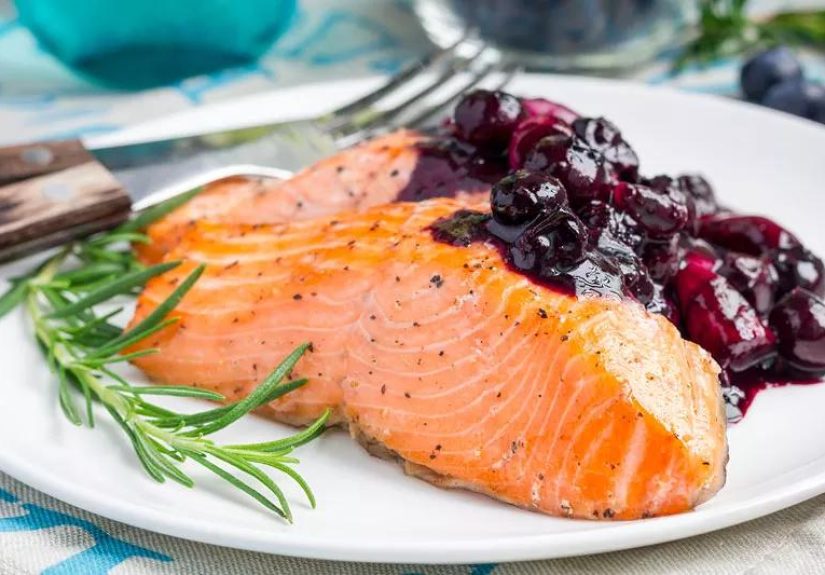
Omega-3 fats have well-known anti-inflammatory effects, which is why fish often earns top billing in conversations about arthritis-friendly eating. Salmon, sardines, herring, trout, and mackerel are standout choices. If seafood is not your thing, walnuts, chia seeds, hemp seeds, and flaxseed can still add helpful fats, though marine sources provide the EPA and DHA forms many experts focus on.
A simple goal could be eating fish a couple of times per week, then adding plant omega-3 sources where you can. Stir ground flax into oatmeal, toss walnuts into a salad, or add chia seeds to yogurt. Tiny seeds, big attitude.
2. Colorful produce
Fruits and vegetables bring fiber, vitamins, minerals, and phytochemicals that support overall health. Color usually signals different beneficial compounds, so a plate with leafy greens, berries, carrots, tomatoes, broccoli, peppers, citrus, and purple vegetables is doing more than looking pretty. It is bringing anti-inflammatory backup.
If fatigue makes cooking harder, frozen produce is not a nutritional failure. It is a strategy. Keep frozen berries, spinach, broccoli, and mixed vegetables on hand so your future tired self can still win dinner.
3. Beans, lentils, and whole grains
These foods provide fiber that supports digestion, blood sugar control, and fullness. That matters because steady blood sugar and better satiety can make it easier to manage weight, and weight management is a big deal in psoriatic arthritis. Extra body weight can put more stress on joints and may worsen inflammatory burden.
Try building meals around oatmeal, quinoa bowls, bean soup, lentil chili, or brown rice with vegetables and grilled fish or tofu. These are not glamorous influencer meals, but they get the job done.
4. Olive oil, nuts, and seeds
These foods provide healthy fats and can help replace less helpful fats in the diet. Olive oil is especially common in anti-inflammatory meal patterns. Use it in dressings, roasted vegetables, marinades, or a quick skillet meal. Nuts and seeds also make easy snacks that are more satisfying than a bag of something neon and aggressively crunchy.
5. Lean and plant-based proteins
Protein matters for muscle maintenance, especially if joint pain has made you less active. Stronger muscles support joints. Good options include fish, beans, lentils, tofu, tempeh, eggs, yogurt, and lean poultry. You do not have to give up all animal foods unless that is your preference. The goal is to shift the balance toward better-quality protein sources more often.
Foods to Limit When Symptoms Tend to Flare
There is no official “never eat this again” list for every person with psoriatic arthritis. Still, several categories are commonly worth reducing because they may promote inflammation, contribute to weight gain, or crowd out better foods.
1. Ultra-processed foods
Think packaged snacks, fast food, sugar-heavy cereals, candy, sodas, and meals with ingredient lists that read like a chemistry lab audition. These foods often bring excess added sugar, sodium, and less healthy fats while offering very little fiber or nutrition.
2. Added sugars
Too much added sugar may support inflammation and make weight management harder. You do not need to fear every cupcake at a birthday party, but daily sugary drinks, desserts, and sweet snacks can quietly pile up. A smart move is to target the easy wins first, especially soda, sweet coffee drinks, energy drinks, and frequent packaged sweets.
3. Red and processed meats
Some people with psoriatic arthritis feel better when they cut back on bacon, sausage, hot dogs, deli meats, and frequent large portions of red meat. Replacing some of those meals with fish, beans, lentils, or leaner proteins can improve overall diet quality fast.
4. Excess alcohol
Alcohol is a tricky one because it can interact with certain medications, add calories without helping anything, and may worsen psoriasis for some people. Some people tolerate occasional alcohol just fine. Others notice skin or joint symptoms are less cooperative when drinking is regular. If you suspect a connection, it is worth testing a lower-alcohol period and tracking symptoms honestly.
Weight Management Is Not Just About the Scale
If you are carrying extra weight, even modest weight loss may improve symptoms and reduce stress on joints. This is not about chasing a perfect body or turning mealtimes into punishment. It is about lowering the mechanical load on joints and reducing inflammation-related strain on the body.
The most effective approach is usually boring in the best possible way: eat more whole foods, reduce ultra-processed foods, watch liquid calories, increase protein and fiber, and move your body in ways your joints tolerate. Consistency beats drama. Every time.
Instead of asking, “How do I lose weight fast?” a better question is, “What eating pattern can I repeat without becoming deeply annoyed by my own life?” That answer is much more useful.
Should You Avoid Gluten, Dairy, or Nightshades?
This is where the internet gets loud. Very loud.
Gluten
A gluten-free diet can be important for people who have celiac disease or confirmed gluten sensitivity. But going gluten-free just because a stranger online said wheat is “toxic” is not automatically helpful. Some people with psoriatic disease notice improvement when gluten is removed, but it is not a universal answer. If you want to test it, do it strategically and ideally with help from a clinician or registered dietitian so your diet does not become unnecessarily restrictive.
Dairy
Dairy is another highly individual category. Some people feel better limiting full-fat or heavily processed dairy products, while others do perfectly fine with yogurt, kefir, or small amounts of cheese. If dairy seems to trigger symptoms for you, keep a food and symptom log before making sweeping conclusions.
Nightshades
Tomatoes, peppers, potatoes, and eggplant have been accused of causing all manner of chaos, but evidence does not show that nightshades are a problem for everyone with arthritis. If one of these foods consistently seems to bother you, that is worth paying attention to. But removing an entire nutritious vegetable family “just in case” is usually more fear than science.
What About Supplements?
Supplements are tempting because they come in tidy little capsules that seem to whisper, “What if I fix everything?” Unfortunately, bodies are more complicated than marketing.
Fish oil and omega-3 supplements are often discussed for inflammation, and some people do use them. Turmeric and curcumin also get a lot of attention. But supplements are not automatically safe, effective, or appropriate for everyone. Some can affect the liver, thin the blood, upset the stomach, or interact with medications used for arthritis and other conditions.
The best rule is simple: talk to your doctor or pharmacist before starting supplements, especially if you take prescription medications or have liver, kidney, stomach, or bleeding-related concerns. Food first is usually the most reliable foundation.
How to Build a Psoriatic Arthritis-Friendly Plate
If all the nutrition talk starts to blur together, use this simple meal formula:
- Half the plate: vegetables and fruit
- One quarter: lean protein or plant protein
- One quarter: whole grains or starchy vegetables
- Add: healthy fat like olive oil, avocado, nuts, or seeds
Examples of practical meals
Breakfast: Oatmeal with berries, walnuts, cinnamon, and ground flaxseed.
Lunch: Salmon salad with greens, chickpeas, cucumbers, tomatoes, olive oil, and lemon.
Dinner: Lentil soup with roasted vegetables and a slice of whole-grain toast.
Snack: Plain yogurt with chia seeds and fruit, or hummus with carrots and peppers.
Notice the theme? No weird powders. No starvation. No pretending celery juice is a personality.
Smart Habits That Help Beyond Food Choices
Keep a symptom journal
Write down what you ate, how your joints felt, how your skin behaved, your energy level, and any major stressors. This helps you spot patterns without blaming innocent foods. Sometimes the real culprit is not the tomato. It is the week of bad sleep, takeout, stress, and skipped meals.
Hydrate
Water does not cure inflammation, but being dehydrated can make you feel worse overall. Keep hydration simple and steady.
Do not skip meals all day and overeat at night
This pattern can leave energy low and make it harder to choose balanced food later. Regular meals tend to work better than nutrition chaos.
Cook in batches
On better days, cook extra portions. Freeze soup, grains, or protein so flare days do not end with crackers and regret.
Common Mistakes to Avoid
- Expecting food to replace medical treatment
- Following a very restrictive diet without a clear reason
- Changing ten things at once and then not knowing what helped
- Assuming a food is “healthy” just because the package says so
- Trusting every supplement claim on social media
- Ignoring heart health, blood sugar, and weight while focusing only on joints
Final Thoughts
The best diet tips for psoriatic arthritis are not flashy. They are realistic. Eat more whole foods. Emphasize a Mediterranean-style pattern. Get omega-3s from fish or other smart sources. Build meals around fiber, healthy fats, and quality protein. Cut back on ultra-processed foods, excess sugar, and alcohol if those tend to worsen symptoms or derail overall health. And if you think a certain food is a trigger, test that idea carefully instead of declaring war on your pantry overnight.
Most of all, remember this: progress counts even when it is not dramatic. One better breakfast, one less drive-thru meal, one more dinner with beans and vegetables, one week of honest symptom tracking. Those things add up. Your joints may never send a thank-you card, but they might complain a little less, which is close enough.
Experiences People Commonly Report When Adjusting Their Diet for Psoriatic Arthritis
Many people with psoriatic arthritis describe their diet journey as less of a straight road and more of a winding sidewalk with a few snack-related detours. At first, there is often hope that one food will be the answer. Then comes the realization that symptoms are influenced by several things at once: medication, stress, sleep, body weight, activity level, and overall eating pattern. That can be frustrating, but it is also useful, because it means improvement does not depend on finding a single “perfect” food.
One common experience is noticing that meals built around whole foods feel different from heavily processed meals. People often say they feel less sluggish when they eat more vegetables, fish, beans, fruit, and whole grains. Energy may feel steadier. Afternoon crashes may be less dramatic. Morning stiffness does not always vanish, but some people say their body feels less “puffy” or inflamed when fast food, sugary drinks, and high-sodium convenience foods are no longer regular habits.
Another frequent experience involves weight. People who lose even a modest amount of excess weight often report that everyday movement becomes easier. Stairs feel less insulting. Knees and feet may be less cranky. Rings may fit better on days when swelling is down. This does not mean thinness is a cure, and it does not mean every person with psoriatic arthritis needs to lose weight. It simply reflects a pattern many patients and clinicians observe: when excess weight comes down, pain and fatigue may improve too.
People also commonly discover that food triggers are personal. One person may drink wine and notice skin symptoms become more active. Another may find that large restaurant meals loaded with fried foods leave them stiff the next day. Someone else may suspect dairy, test it, and discover dairy was innocent all along. That is why symptom tracking matters so much. Without it, it is easy to blame random foods and miss the bigger pattern.
There is often an emotional side to this process as well. Some people feel relief when they stop chasing extreme diets. Eating becomes more peaceful when the goal shifts from “be perfect” to “be consistent.” Instead of cutting out everything enjoyable, they focus on upgrading the basics: better breakfast, more home-cooked dinners, smarter snacks, less takeout, more water. That approach feels sustainable, which is important because the best diet is the one you can actually live with.
Many also report that planning ahead matters almost as much as the food itself. When fatigue hits, nobody wants to marinate salmon, soak lentils, and become a domestic icon. Having frozen vegetables, canned beans, cooked grains, yogurt, nuts, soup, and easy proteins in the house makes better choices much more realistic. People often do better not because they became more disciplined, but because they made the healthy option easier.
In the end, the most common success stories are not dramatic transformation tales. They are quieter. Less stiffness. Better energy. Fewer food regrets. More confidence about what helps. A stronger sense that diet is one useful tool, not the whole toolbox. And honestly, for many people living with psoriatic arthritis, that kind of steady progress feels pretty great.