Table of Contents >> Show >> Hide
- Start With a Realistic Budget, Not an Old-School Rule
- Understand the 4Cs Before You Shop
- Choose the Diamond Shape That Matches Style and Lifestyle
- Natural vs. Lab-Grown Diamonds: Talk About Priorities
- Always Ask for a Diamond Grading Report
- Pick a Setting That Fits Daily Life
- Choose the Right Metal
- Get the Ring Size RightOr Plan for Resizing
- Shop With a Reputable Jeweler
- Compare Diamonds Side by Side
- Do Not Forget Appraisal and Insurance
- Think About the Wedding Band Early
- Common Mistakes Couples Should Avoid
- Personal Experiences and Practical Lessons From Ring Shopping
- Conclusion
Buying a diamond engagement ring sounds romantic until you discover there are more diamond terms than coffee options at a fancy café. Cut, clarity, carat, color, setting, certification, metal, ring size, insurancethe list can make even the most organized couple stare into a jewelry case like it contains a final exam.
The good news? Choosing the right engagement ring does not have to be stressful, mysterious, or financially dramatic. A beautiful ring is not about buying the biggest diamond in the store. It is about finding the right balance of style, quality, budget, lifestyle, and meaning. Whether you are planning a surprise proposal, shopping together as a couple, or casually sending “accidental” ring photos every Tuesday, this guide will help you make a smart, confident decision.
Below are practical diamond engagement ring buying tips for couples who want sparkle, value, and peace of mindwithout needing a gemology degree or a second mortgage.
Start With a Realistic Budget, Not an Old-School Rule
Forget the outdated “three months’ salary” rule. That idea belongs in the same storage box as dial-up internet and jeans with unnecessary rhinestones. Your engagement ring budget should fit your actual life, not a marketing slogan.
Before visiting a jeweler, talk honestly about money. Consider your savings, wedding plans, housing goals, debt, travel dreams, and emergency fund. A ring should symbolize commitment, not create financial panic every time the credit card statement arrives.
How Much Should Couples Spend?
There is no universal “right” number. Some couples spend a few thousand dollars; others spend much more; many choose lab-grown diamonds or alternative designs to get more visual impact for less. The smartest budget is the one that lets you buy a ring you love while still sleeping peacefully at night.
A useful approach is to set a maximum budget first, then divide it into three parts: the center stone, the setting, and extras such as resizing, warranty, appraisal, and insurance. This keeps you from falling in love with a diamond that leaves no room for the ring itself. A diamond needs a home, after all.
Understand the 4Cs Before You Shop
The 4Cscut, color, clarity, and carat weightare the standard factors used to evaluate diamond quality. Couples do not need to memorize every technical grade, but understanding the basics helps you compare rings fairly and avoid overpaying for features you cannot even see.
Cut: The Sparkle Maker
Cut is often the most important factor for beauty because it affects how well a diamond reflects light. A well-cut diamond can look bright, lively, and larger than its actual carat weight. A poorly cut diamond may look dull even if it has impressive numbers on paper.
For round brilliant diamonds, look for a cut grade such as Excellent or Very Good from a respected grading report. For fancy shapes like oval, pear, emerald, cushion, or marquise, cut grades may be described differently, so compare appearance carefully. Ask to see the diamond in different lighting, not only under jewelry-store spotlights that could make a potato sparkle.
Color: How White the Diamond Looks
Diamond color is graded on a scale that typically runs from D, which is colorless, down through lower grades that show more warmth. Most couples do not need a perfectly colorless diamond. Near-colorless grades can look beautifully white to the eye, especially once set in a ring.
Metal choice matters here. White gold or platinum can make color more noticeable, while yellow gold or rose gold can complement slightly warmer diamonds. In many cases, choosing a near-colorless diamond instead of the highest color grade can free up money for a better cut or larger size.
Clarity: Tiny Details You May Never Notice
Clarity measures internal and external characteristics, often called inclusions and blemishes. The important phrase for most couples is “eye-clean.” An eye-clean diamond has imperfections that are not easily visible without magnification.
You do not always need a flawless or internally flawless diamond. Those grades are rare and expensive, and the difference may be invisible in everyday life. Many VS and SI diamonds look gorgeous to the naked eye, depending on the location and type of inclusions. Ask the jeweler to show you the diamond without magnification first. If you need a microscope to find the flaw, your brunch friends probably will not spot it either.
Carat Weight: Size, But Not the Whole Story
Carat measures weight, not face-up size. Two diamonds with the same carat weight can look different depending on shape, cut proportions, and setting. A well-cut 0.90-carat diamond may look nearly as large as a 1.00-carat diamond but cost noticeably less because it falls under a popular weight milestone.
Couples who want value should consider diamonds just below common sizes, such as 0.90 instead of 1.00 carat or 1.40 instead of 1.50 carats. The visual difference can be tiny, while the savings may be very real.
Choose the Diamond Shape That Matches Style and Lifestyle
Diamond shape has a huge impact on personality. Round diamonds are classic and brilliant. Oval diamonds feel elegant and can make the finger appear longer. Emerald-cut diamonds offer a clean, sophisticated look with mirror-like flashes rather than all-over sparkle. Cushion cuts feel soft and romantic. Pear and marquise shapes are dramatic, vintage-inspired, and hard to ignorein the best way.
For active lifestyles, consider durability. Shapes with pointed ends, such as pear, marquise, and princess cuts, need protective settings because corners and tips can be more vulnerable. A bezel, V-prong, or secure prong design can help protect the stone.
Natural vs. Lab-Grown Diamonds: Talk About Priorities
One of the biggest decisions couples face today is whether to buy a natural diamond or a lab-grown diamond. Both can be real diamonds with the same basic chemical composition, but they differ in origin, price behavior, rarity, and resale expectations.
Natural diamonds formed underground over immense periods of time, which gives them traditional appeal and geological romance. Lab-grown diamonds are created in controlled environments and often allow couples to buy a larger or higher-grade stone for the same budget. The right choice depends on what matters most to you: natural origin, size, price, sustainability claims, long-term value, or symbolism.
When shopping, make sure descriptions are clear. A seller should plainly disclose whether a diamond is natural, laboratory-grown, treated, or simulated. If a product is called “diamond” but is lab-created, that should be obvious before purchasenot hidden in tiny print that requires detective energy.
Always Ask for a Diamond Grading Report
A diamond grading report is one of the best tools for protecting your purchase. It documents important details such as carat weight, color, clarity, cut information, measurements, and whether the diamond has been graded by an independent laboratory.
For natural diamonds, reports from respected organizations such as GIA are widely recognized in the industry. For lab-grown diamonds, reports from reputable labs can confirm origin and provide quality details. Never rely only on a salesperson’s verbal description. A trustworthy jeweler should welcome your questions and provide documentation without acting like you just asked for state secrets.
Pick a Setting That Fits Daily Life
The setting is not just decoration. It affects comfort, durability, maintenance, and how the diamond looks on the hand. A delicate high-set solitaire may look stunning in photos, but if the wearer works with their hands, exercises often, or catches sweaters on everything, a lower-profile setting may be more practical.
Popular Engagement Ring Settings
Solitaire: A single center stone, timeless and easy to pair with wedding bands. It lets the diamond take center stage.
Halo: Smaller diamonds surround the center stone, adding sparkle and making the ring appear larger. Great for extra glamour.
Three-stone: A center diamond with two side stones, often symbolizing past, present, and future. Also excellent for finger coverage.
Bezel: A metal rim surrounds the diamond, offering strong protection and a modern look. It is ideal for active people.
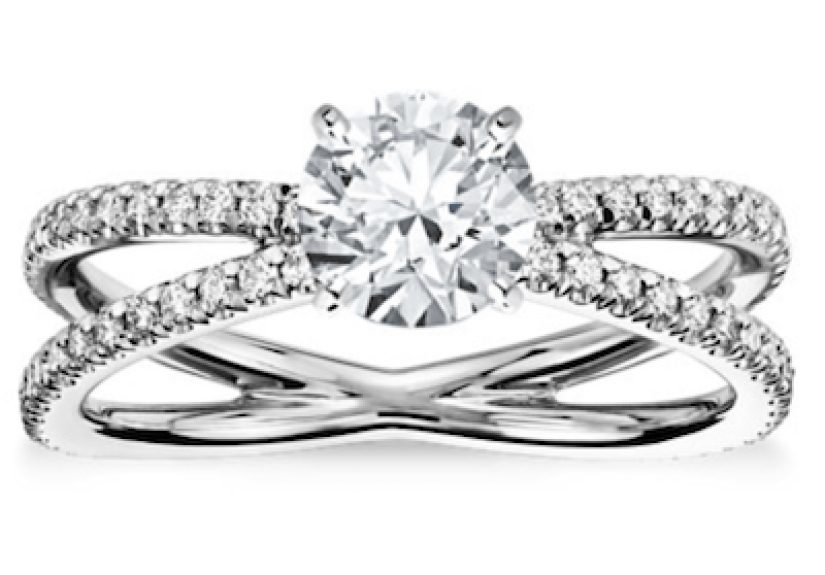
Pavé: Tiny diamonds are set along the band for extra shimmer. Beautiful, but it may require more maintenance over time.
Choose the Right Metal
The metal changes the entire mood of the ring. Platinum is durable, naturally white, and hypoallergenic, but it usually costs more. White gold has a similar bright look but may need rhodium replating over time. Yellow gold feels classic and warm. Rose gold is romantic and flattering on many skin tones.
Think about the wearer’s existing jewelry. If they always wear yellow gold necklaces and bracelets, a platinum engagement ring may not be the easiest match. The best engagement ring should feel like part of the wearer’s real wardrobe, not a beautiful stranger visiting from another jewelry planet.
Get the Ring Size RightOr Plan for Resizing
Ring sizing can be tricky, especially for surprise proposals. Fingers change with temperature, time of day, travel, salt intake, and life events. If you can, borrow a ring that fits the correct finger and have it measured by a jeweler. If you are shopping together, get professionally sized.
Some designs are easier to resize than others. Simple bands are usually more flexible. Eternity bands, intricate pavé, tension settings, and certain custom designs can be harder or more expensive to adjust. Ask about resizing before buying, especially if the proposal is a surprise.
Shop With a Reputable Jeweler
A good jeweler does more than sell you something shiny. They educate, explain trade-offs, provide documentation, offer service after purchase, and answer questions patiently. Look for transparent pricing, clear return policies, warranties, maintenance services, and strong customer reviews.
Whether shopping online or in person, avoid pressure tactics. If someone tells you a ring will “definitely be gone in ten minutes” unless you buy immediately, take a breath. A diamond engagement ring is a meaningful purchase, not concert tickets.
Compare Diamonds Side by Side
Diamond grades are useful, but your eyes matter too. Compare several diamonds within your budget. You may discover that you prefer a slightly warmer color, an elongated oval, or an emerald cut with dramatic clarity. Seeing options side by side helps couples understand what they value most.
For online shopping, look for magnified videos, 360-degree views, grading reports, measurements, and clear return policies. For in-store shopping, ask to view the diamond away from intense display lighting. Natural daylight or normal indoor lighting gives a more realistic sense of how the ring will look every day.
Do Not Forget Appraisal and Insurance
After purchase, get an appraisal if needed for insurance. Engagement rings are small, valuable, and worn daily, which means loss, theft, or damage is possible. Standard homeowners or renters policies may have jewelry limits, so couples often consider scheduled personal property coverage or a specialized jewelry insurance policy.
Keep receipts, grading reports, appraisals, and photos in a safe digital folder. Romantic? Maybe not. Smart? Absolutely. Future you will be grateful.
Think About the Wedding Band Early
Many couples focus only on the engagement ring and forget that a wedding band will eventually join the party. Some engagement ring settings sit flush with a straight band; others require a curved or custom band. If the wearer wants a stacked look, discuss that before choosing a very low or unusual setting.
Ask the jeweler to show matching bands or similar examples. This helps avoid the future surprise of discovering that the perfect engagement ring refuses to sit politely next to any wedding band.
Common Mistakes Couples Should Avoid
Buying Only for Carat Size
A large diamond with poor cut quality can look lifeless. Prioritize sparkle, proportions, and overall beauty instead of chasing size alone.
Ignoring Lifestyle
A fragile setting may not suit someone who works with tools, cares for children, lifts weights, gardens, or regularly loses gloves. Choose beauty that can survive real life.
Skipping the Return Policy
Even careful shoppers can change their minds. Review return, exchange, resizing, and warranty policies before paying.
Assuming All “Deals” Are Good Deals
A low price may reflect lower quality, weak documentation, poor craftsmanship, or unclear origin. Value means getting the right quality for the pricenot simply the lowest number on the tag.
Personal Experiences and Practical Lessons From Ring Shopping
Couples often imagine engagement ring shopping as a magical afternoon filled with champagne, soft lighting, and instant certainty. Sometimes it is. Other times, it is two people hunched over a laptop at midnight comparing oval ratios and asking, “Wait, is fluorescence bad or good?” Real ring shopping sits somewhere between romance and research, and that is perfectly normal.
One of the most helpful experiences couples share is learning to shop together without removing the surprise. For example, one partner might choose the final ring, while the other creates a short inspiration list of preferred shapes, metals, and styles. This keeps the proposal exciting but reduces the risk of buying a ring that is completely wrong. A surprise should be “I cannot believe this moment is happening,” not “I cannot believe you chose a giant marquise when I only wear tiny gold bands.”
Another real-world lesson is that the ring looks different once it is on the hand. A diamond that seems modest in a display case can look perfect on a smaller finger. A large stone that seems impressive online may feel too flashy for everyday wear. This is why trying on different styles matters. Even if you plan to buy online, visiting local jewelers to test shapes and settings can clarify what actually feels comfortable and flattering.
Many couples also discover that the “best” diamond is not always the highest-graded one. A technically perfect diamond may not fit the budget or the wearer’s style. Meanwhile, a slightly lower color grade or clarity grade can still look stunning when well cut and properly set. The goal is not to impress a grading chart. The goal is to choose a ring that makes the wearer smile every time they notice it while reaching for coffee, typing an email, or dramatically pointing at the TV during a cooking show.
Budget conversations can feel awkward, but they often become one of the healthiest parts of the process. Engagement ring shopping is one of the first major financial decisions many couples make together. Being honest about spending limits, financing, savings, and wedding priorities builds trust. Some couples decide to spend less on the ring and more on a honeymoon. Others happily invest more in the ring because jewelry matters deeply to them. Neither choice is wrong when both partners agree.
It is also worth discussing maintenance. Engagement rings are not indestructible. Prongs can loosen, pavé stones can fall out, white gold may need replating, and rings should be cleaned regularly. Couples who know this ahead of time are less likely to panic later. Ask the jeweler how often the ring should be inspected and whether cleaning or prong checks are included.
Finally, the most meaningful rings usually have a story. Maybe the diamond is lab-grown because the couple wanted size and value. Maybe the setting uses a family stone. Maybe the ring is simple because the wearer loves quiet elegance. Maybe it was chosen after three spreadsheets, two store visits, and one emotional debate about rose gold. The best engagement ring is not the one that wins the internet. It is the one that fits your relationship, your budget, your hand, and your future.
Conclusion
Buying a diamond engagement ring is a blend of romance, research, and common sense. Learn the 4Cs, prioritize cut quality, compare natural and lab-grown options honestly, choose a setting that fits daily life, and work with a reputable jeweler who provides clear documentation. Most importantly, remember that the ring is not a test of love. It is a symbol of love. The smartest choice is one that feels beautiful, personal, and financially comfortable for both of you.