Table of Contents >> Show >> Hide
- Why Framed Noguchi Prints Still Feel Fresh
- The Noguchi Connection: More Than a Pretty Print
- What Makes a Framed Noguchi Print So Appealing?
- How to Choose the Right Noguchi Print for Your Space
- Framing Tips for Noguchi Washi Paper Prints
- Best Frame Styles for Noguchi Prints
- Where to Place Framed Noguchi Prints
- Design Sleuth Notes: Spotting the Real Appeal
- How to Style Around Framed Noguchi Prints
- Experience Notes: Living With Framed Noguchi Prints
- Conclusion: The Quiet Power of Framed Noguchi Prints
Framed Noguchi prints are the rare kind of design detail that can make a room whisper, “Yes, someone here knows what they’re doing,” without shouting over the sofa. They are quiet, graphic, sculptural, and just a little mysteriousthe interior-design equivalent of a person who owns linen napkins but does not need to mention it at dinner.
The original design-world fascination began with a simple observation: framed washi paper prints by Isamu Noguchi could bring the spirit of the Japanese American master’s work into a home without requiring a museum-sized budget, a forklift, or a deeply patient spouse. These prints, especially the Akari-inspired designs, are not merely decorative rectangles. They are fragments of Noguchi’s larger philosophy: art, design, craft, light, and space should talk to one another like old friends.
Why Framed Noguchi Prints Still Feel Fresh
Isamu Noguchi’s work has a strange and wonderful ability to look ancient and futuristic at the same time. That is not an accident. Noguchi moved across sculpture, furniture, lighting, gardens, stage design, and public spaces with almost suspicious ease. He resisted being boxed into a single category, which is excellent news for anyone trying to decorate a room that already contains a mid-century chair, a thrifted ceramic bowl, and one suspiciously large houseplant named Gary.
Framed Noguchi prints carry that same flexible energy. They work in a minimalist apartment, a warm Japandi-style living room, a mid-century modern office, or a small hallway that needs something more sophisticated than another motivational quote. Their appeal lies in restraint. The shapes are simple, but not boring. The colors can be soft, earthy, bold, or graphic. The paper has texture. The image has rhythm. The result feels designed, but not overdesigned.
Unlike many mass-produced posters, Noguchi’s Akari-related prints are tied to a real design lineage. Current Noguchi Museum Shop listings describe pieces such as the Akari 1AG Grey Bowtie print as a design for Akari by Isamu Noguchi, made in Japan, screenprinted on washi paper, and measuring 19 by 24 inches. Other prints, including Akari 3AD, are listed as screenprints on mulberry bark washi paper. That material detail matters. Washi is not just “paper with a nicer publicist.” It has fiber, warmth, and presence.
The Noguchi Connection: More Than a Pretty Print
To understand why these framed prints have staying power, you have to look at Noguchi’s broader design universe. Born in Los Angeles in 1904 and active across much of the twentieth century, Noguchi became one of the most influential sculptors and design thinkers of modern art. His career included carved stone, public plazas, playground concepts, furniture, lamps, theater sets, and architectural environments. In other words, he was not the sort of artist who looked at a blank room and thought, “A throw pillow should do it.”
His famous Akari light sculptures began in 1951, when Noguchi worked with traditional Japanese lantern-making techniques in Gifu, Japan. The Akari forms used handmade washi paper and bamboo ribbing to create light that felt soft, human, and sculptural. The word “Akari” suggests light or illumination, but Noguchi’s genius was making illumination feel like an object with a soul. The lamp became sculpture. The sculpture became domestic. The domestic became poetic. Not bad for something you can technically plug into a wall.
The prints related to Akari designs translate that vocabulary into flat form. A bowtie shape, a sun motif, a shovel-like silhouette, or a teardrop composition can echo the forms used on lanterns while standing independently as graphic art. Once framed, these works become small architectural moments. They hold space. They set a tone. They make a wall feel considered rather than filled.
What Makes a Framed Noguchi Print So Appealing?
1. The Beauty of Simplicity
Noguchi’s designs do not rely on visual noise. A single curved form can do more work than a dozen trendy art prints yelling in beige. The best framed Noguchi prints have an almost musical restraint: a shape, a color field, a margin of breathing room. That simplicity makes them easy to live with over time.
2. A Bridge Between Art and Design
One of the reasons Noguchi remains so relevant is that he blurred the line between fine art and usable design. Herman Miller’s design story for the Noguchi Table describes his output as ranging from gardens and plazas to fountains, murals, paper lamps, and stage sets. The High Museum of Art’s exhibition “Isamu Noguchi: I am not a designer” also emphasizes how his work crossed architecture, furniture, lighting, gardens, playgrounds, and public space. A framed print from this world is not just wall decor; it is a small doorway into a much larger creative philosophy.
3. Texture That Digital Prints Can’t Fake
Washi paper adds a tactile quality that standard poster stock cannot imitate. Its fibers catch light differently. It feels handmade even when the image is crisp. When framed properly, a Noguchi screenprint on washi has depth without needing heavy ornamentation. The paper becomes part of the artwork rather than a silent background.
4. Color That Behaves Itself
Noguchi prints often use color in a disciplined way. Grey, red, orange, green, yellow, blue, and black can appear with confidence, but the compositions rarely feel chaotic. This makes them especially useful for interiors. A red bowtie print can warm a neutral room. A grey sun print can calm a busy corner. A black and orange teardrop can add a graphic snap without turning your wall into a circus tent.
How to Choose the Right Noguchi Print for Your Space
For Minimalist Rooms
Choose a print with restrained color and generous negative space. A grey or black motif can pair beautifully with pale wood, white walls, stone surfaces, and soft textiles. The goal is not to make the print disappear; it should create a visual pause. Think of it as the room taking a slow, stylish breath.
For Mid-Century Modern Interiors
Noguchi prints fit naturally with walnut furniture, low-slung sofas, Eames chairs, Nelson clocks, and warm brass accents. A red, orange, or yellow Akari-style print can bring out the playful side of mid-century design. Place it near a sculptural lamp or above a credenza, and suddenly the room looks less “furniture showroom” and more “someone interesting lives here.”
For Japandi and Wabi-Sabi Spaces
Japandi interiors love calm geometry, natural materials, and thoughtful imperfection. A washi paper Noguchi print is an ideal match. Pair it with oak, ash, linen, ceramic, rattan, or matte black metal. Avoid overly shiny frames or dramatic mat colors. Let the paper texture do the charming little dance it was born to do.
For Small Apartments
If your apartment is short on square footage but long on ambition, framed Noguchi prints are a smart move. They deliver cultural weight and visual sophistication without taking up floor space. A single framed print in an entryway or above a desk can create a design focal point that feels intentional, not cramped.
Framing Tips for Noguchi Washi Paper Prints
Because many Noguchi prints are works on paper, framing is not just about style. It is also about preservation. Paper-based art is sensitive to light, humidity, acidic materials, and poor mounting. The Library of Congress warns that long-term display can cause fading, yellowing, discoloration, and brittleness in paper materials. The Northeast Document Conservation Center also notes that UV-filtering glazing is recommended for works on paper and photographs, because normal glass and standard acrylic do not provide the same level of UV protection.
Use Archival Materials
Ask for acid-free mats and backing. This is not snobbery; it is survival. Non-archival materials can discolor paper over time. If you are investing in a Noguchi print, do not let a bargain mat board slowly plot against it from behind the glass.
Consider UV-Filtering Glazing
UV-filtering acrylic or glass helps reduce light damage. It will not make a print immortalnothing does, except maybe a really good estate lawyerbut it can help protect the paper and ink from unnecessary fading.
Float Mount or Mat?
A float mount can show the full sheet and emphasize the beauty of washi paper edges. A traditional mat can give the image more formal breathing room. Both can work. For a Japanese modern design feel, a restrained float mount in a natural wood frame can look especially elegant.
Avoid Direct Sunlight
Do not hang a Noguchi print where afternoon sun blasts it like a tiny art-hating laser. Choose indirect light, hallway light, or a wall where the print can be enjoyed without being roasted. Your future selfand the paper fiberswill thank you.
Best Frame Styles for Noguchi Prints
Natural Oak Frame
Oak is warm, calm, and respectful of the washi texture. It works beautifully in Scandinavian, Japandi, and organic modern interiors. If the print has red or orange tones, oak softens the energy and keeps the whole composition grounded.
Thin Black Frame
A slim black frame sharpens the graphic quality of a Noguchi print. This is a good choice for white walls, gallery-style arrangements, or rooms with black metal accents. It gives the print definition without stealing the spotlight.
White or Maple Frame
Light frames keep the mood airy. They are especially good for small rooms, bedrooms, and home offices. A white frame can feel crisp, while maple adds a hint of warmth. Either option lets the paper and print remain the stars.
Walnut Frame
Walnut is the mid-century classic. Pair a walnut-framed Noguchi print with a vintage credenza, a paper lantern, and a good chair, and you are dangerously close to becoming the person guests ask for design advice. Handle this power responsibly.
Where to Place Framed Noguchi Prints
Above a Console Table
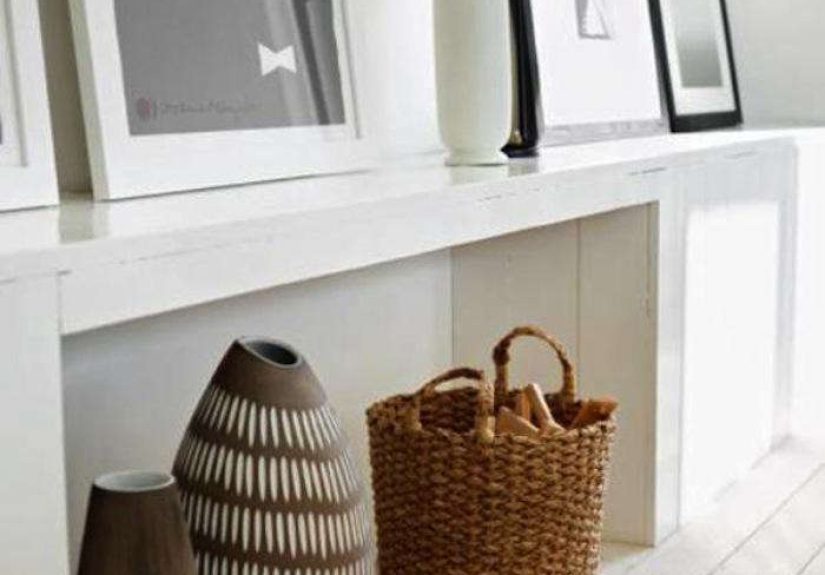
A framed Noguchi print above a console creates an instant entryway moment. Add a ceramic bowl, a small lamp, and maybe a branch in a vase. Suddenly, the area where you drop your keys looks curated instead of mildly chaotic.
Beside an Akari Lamp
This is the obvious pairing, but obvious does not mean wrong. A Noguchi print near an Akari lamp creates a dialogue between graphic design and glowing sculpture. The paper, light, and shadow reinforce one another in a way that feels calm and deliberate.
In a Home Office
A Noguchi print can bring creative seriousness to a workspace without making it feel stiff. It is ideal for designers, writers, architects, art lovers, or anyone who wants their Zoom background to say “thoughtful professional” rather than “laundry chair just out of frame.”
As Part of a Gallery Wall
Noguchi prints can work in a gallery wall, but give them space. Do not crowd them with loud typography, oversized photography, and novelty art. They prefer good neighbors: abstract line drawings, black-and-white photography, small ceramics on nearby shelves, or quiet textile pieces.
Design Sleuth Notes: Spotting the Real Appeal
The charm of the “Design Sleuth” approach is that it focuses on the small detail that changes the room. A framed Noguchi print is not necessarily the largest object in a space. It may not be the most expensive. It may not even be the first thing a guest notices. But it can be the thing that makes the entire room feel smarter.
That is because Noguchi’s visual language has depth. The prints connect to Akari lamps, which connect to Japanese lantern craft, which connect to modern sculpture, which connect to Noguchi’s lifelong interest in shaping space. The print may be flat, but the story behind it is wonderfully dimensional.
In practical terms, these framed prints are also approachable. A major Noguchi sculpture is beyond the reach of most decorators, and even vintage design pieces can become serious investments. A print offers a more accessible way to bring Noguchi’s aesthetic into daily life. It is art with a pedigree, but it does not require a security guard in your living room.
How to Style Around Framed Noguchi Prints
Keep the Surroundings Honest
Noguchi’s work responds well to honest materials: wood, paper, stone, clay, cotton, linen, bamboo, and metal. Avoid overly glossy, fake-luxury finishes nearby. The print will look better when surrounded by materials that feel natural and grounded.
Repeat One Shape or Color
If your print has a bold red form, echo that red once in a book spine, textile, or small object. If it has a round sun motif, place it near a round mirror, globe lamp, or curved vase. The trick is subtle repetition, not a matching set. Matching sets are where personality goes to nap.
Use Negative Space
Noguchi’s designs often thrive on emptiness. Leave room around the frame. Do not over-accessorize the wall. A little restraint will make the print feel more important and the room feel more peaceful.
Balance with Soft Lighting
Warm, diffused light is a natural companion. A paper shade, linen lamp, or indirect wall sconce will flatter the print far better than harsh overhead lighting. If your room has only one bright ceiling fixture, consider this your friendly reminder that your art deserves betterand so does your face.
Experience Notes: Living With Framed Noguchi Prints
The first thing you notice after hanging a framed Noguchi print is how little it tries to impress you. That may sound strange, but it is part of the magic. Some art announces itself like a marching band in a hallway. A Noguchi print does the opposite. It settles in. It waits. Then, after a few days, you realize the room feels calmer, cleaner, and more intentional.
In a living room, a Noguchi print can become the quiet anchor. Imagine a grey bowtie-style print above a low walnut cabinet. On the cabinet: a small stack of design books, a handmade bowl, and a warm paper lamp. Nothing needs to match exactly. In fact, it is better when it does not. The print gives the arrangement a center of gravity. It says, gently, “This is not clutter. This is composition.” Very useful, especially if you have been defending your decorative objects as “composition” for years.
In a bedroom, the effect is even softer. A Noguchi print with a pale background and restrained color can create a meditative mood. It works well over a nightstand, beside a reading chair, or across from the bed where you see it in the morning. Unlike busier artwork, it does not demand emotional processing before coffee. That is a public service.
For renters, framed Noguchi prints are especially satisfying. You may not be able to replace flooring, remove questionable tile, or persuade your landlord that beige walls are not a personality trait. But you can hang one strong piece of art and change the way the room feels. A well-framed Noguchi print gives temporary housing a sense of permanence and taste. It is a portable design decision with grown-up energy.
The framing experience is also part of the pleasure. Choosing between oak, black, maple, or walnut forces you to think about the room as a whole. Do you want warmth? Contrast? Quietness? A gallery mood? That decision turns a print into an object. Once framed, the paper has presence. The frame protects it, but it also gives it architecture.
One useful lesson: do not rush placement. Tape a paper template to the wall first. Step back. Look at it in morning light, afternoon light, and evening lamp light. Noguchi’s work is deeply sensitive to space, so a few inches can change the feeling. Too high, and the print floats away like it has weekend plans. Too low, and it may feel heavy. At eye level, with room to breathe, it usually finds its voice.
Another experience-based tip: let the print be the most refined object in the grouping. If every item around it is also trying to be iconic, the area can start to feel like a design museum gift shop having a heated debate. Mix the Noguchi print with humble things: a worn wood stool, a simple vase, a linen curtain, a thrifted lamp. Noguchi’s work was never only about luxury. It was about form, craft, space, and human feeling.
The longer you live with a framed Noguchi print, the more it rewards slow looking. A curve starts to feel sculptural. A color block begins to echo a lamp shade or chair leg. The texture of washi catches light in a way you did not notice at first. That is the difference between fashionable wall decor and lasting design. Trendy art often gives everything away immediately. A Noguchi print keeps a little mystery in reserve.
And perhaps that is why framed Noguchi prints continue to feel relevant. They are not loud. They are not fussy. They do not chase the algorithm. They bring together Japanese craft, modernist clarity, and sculptural thinking in a format that fits real homes. For design lovers, that is the sweet spot: art you can live with, learn from, and casually admire while pretending you bought it effortlessly.
Conclusion: The Quiet Power of Framed Noguchi Prints
Framed Noguchi prints prove that great design does not have to dominate a room to transform it. Their power comes from proportion, paper, shape, and story. They connect to Isamu Noguchi’s larger world of sculpture, Akari light sculptures, furniture, gardens, and public spaces, yet they remain approachable enough for everyday interiors.
Whether you choose a Grey Bowtie, a sun motif, a bolder red or orange design, or a rare Akari-related screenprint, the key is to frame it thoughtfully and give it room to breathe. Use archival materials, protect it from direct sunlight, and style it with natural textures rather than visual clutter. The result is a wall that feels intelligent, warm, and quietly unforgettable.
In the end, the best framed Noguchi print is not just an object you hang. It is a small design lesson: simplicity can be rich, paper can feel sculptural, and a single well-placed artwork can make an entire room behave better.