Table of Contents >> Show >> Hide
- What a Dehumidifier Actually Does (and Why It Works)
- Ideal Indoor Humidity Levels: The Target Zone
- Dehumidifier Benefits: Why People Swear by Them
- High Moisture Signs: How to Tell Your Home Is Too Humid
- Where Humidity Hides: Common Trouble Spots and Root Causes
- How to Choose the Right Dehumidifier (Without Overbuying or Underbuying)
- How to Use a Dehumidifier Effectively (So It Doesn’t Just Become “Another Appliance”)
- Maintenance & Safety: Keep It Clean, Keep It Working
- When a Dehumidifier Isn’t Enough (and What to Do Instead)
- A Simple Humidity Action Plan (Do This Before You Buy Anything Fancy)
- Conclusion: The Real Purpose of a Dehumidifier
- Experiences & Lessons From Real-World Humidity Problems (About )
If your home feels like a lukewarm sponge, your windows are “crying” every morning, and your bathroom mirror keeps auditioning for a fog-machine commercial, you might not have a temperature problemyou have a humidity problem. And that’s exactly where a dehumidifier steps in, quietly doing the least glamorous job in the house: pulling extra water out of the air so your home can stop feeling like it’s wearing a damp hoodie.
This guide breaks down the real purpose of a dehumidifier, the practical benefits (health, comfort, and home protection), and the most common signs your indoor moisture is too highplus how to fix it without turning your living room into a science experiment.
What a Dehumidifier Actually Does (and Why It Works)
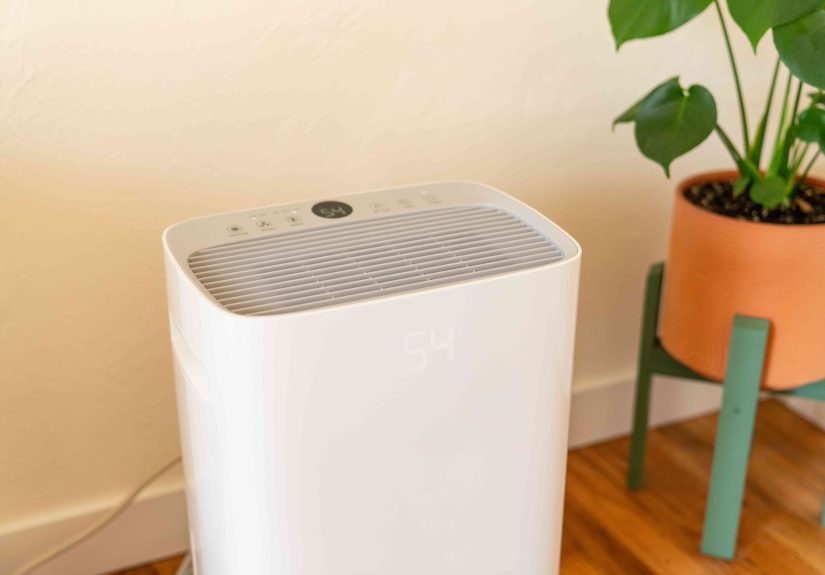
A dehumidifier’s main job is simple: reduce indoor humidity by removing water vapor from the air. Most household portable models do this by pulling air across cold coils so moisture condenses into water (like a cold soda can “sweating” on a summer day). That water collects in a bucket or drains through a hose, and drier air is pushed back into the room.
Why does that matter? Because humidity isn’t just “how sweaty you feel.” It affects how quickly mold can grow, whether dust mites thrive, how musty a basement smells, and whether your wood trim stays straight or starts to warp like a potato chip.
Quick humidity vocabulary (no lab coat required)
- Relative Humidity (RH): The percentage of moisture in the air compared to how much the air could hold at that temperature.
- High RH means moisture sticks around longeron surfaces, inside fabrics, and in building materials.
- Lower RH helps your home dry faster and makes it harder for mold and dust mites to live their best lives.
Ideal Indoor Humidity Levels: The Target Zone
Most home moisture problems start when RH stays elevated for long stretches. Many U.S. health and building guidance sources point toward keeping indoor humidity in a range that’s comfortable for people and unfriendly to mold and pests.
- Everyday target: Many experts recommend keeping indoor RH roughly in the 30%–50% range for most homes.
- Upper limit mindset: If your home regularly sits above 50%–60%, you’re far more likely to see condensation, musty odors, and mold-friendly conditions.
- Cold-weather note: In colder climates during heating season, 30%–40% RH is often recommended to reduce window condensation.
The easiest way to stop guessing is to use a hygrometer (a small humidity meter). It’s one of those rare home tools that’s cheap, simple, and immediately usefullike a flashlight that also tells the truth.
Dehumidifier Benefits: Why People Swear by Them
A dehumidifier isn’t just about comfort. The real value is what it helps you prevent: mold growth, moisture damage, and the domino effect of dampness on indoor air quality.
1) Helps prevent mold and mildew (and the “mystery basement smell”)
Mold needs moisture to grow. When indoor humidity stays high, even without visible leaks, moisture in the air can feed mold on grout, drywall paper backing, cardboard boxes, and dusty surfaces. Lowering RH makes your home a much less inviting place for mold and mildew, especially in basements, bathrooms, laundry rooms, and crawl spaces.
Bonus: a lot of “musty” odor is basically humidity’s way of leaving you a voicemail. Reduce the moisture, and smells often fade because damp materials finally get a chance to dry out.
2) Can reduce allergy triggers tied to humidity
Humidity doesn’t cause allergies, but it can throw a party for common indoor triggers:
- Dust mites thrive in humid environments and struggle when RH is kept lower (often below about 50%).
- Mold spores become more likely when dampness persists and mold colonizes surfaces.
For some households, lowering humidity can mean fewer “why am I sneezing in my own home?” daysespecially in bedrooms and basements where air tends to be still and slightly damp.
3) Protects your home (and your wallet) from moisture damage
Excess moisture doesn’t just look grossit can quietly damage materials over time. A dehumidifier can help reduce:
- Peeling or bubbling paint and rippling drywall
- Warped wood (baseboards, doors that suddenly “don’t fit,” hardwood cupping)
- Rust on tools, appliances, and metal fixtures
- Musty fabrics in closets, stored linens, or that guest room nobody opens
4) Improves comfort (and can make your AC feel more effective)
Humidity changes how your body cools itself. When RH is high, sweat evaporates more slowly, and you feel sticky even if the thermostat says everything is “fine.” Lowering humidity can make a room feel more comfortable at a slightly higher temperature, which may reduce how hard you feel compelled to run air conditioning.
Think of it like this: air temperature is the headline, but humidity is the fine print that explains why you’re uncomfortable.
5) Speeds up drying after leaks or wet messes
If something gets wetcarpet after a small leak, damp drywall from a plumbing surprise, or a basement that “mysteriously” gets humid after raindrying fast matters. Many mold-prevention guides emphasize that drying wet materials within 24–48 hours can help prevent mold growth in many situations.
Used alongside fans and fixing the moisture source, a dehumidifier can be part of a smart “dry it out now, deal with less later” strategy.
High Moisture Signs: How to Tell Your Home Is Too Humid
You don’t need a psychicyour house is already leaving clues. Here are common signs your humidity is too high, especially if they repeat or stick around:
Visual signs
- Condensation on windows (water droplets, fogging that lingers)
- Foggy mirrors that take forever to clear after a shower
- Water stains on ceilings or walls (even small ones deserve attention)
- Bubbled paint, peeling wallpaper, or warped trim
- Visible mold or mildew spots in corners, grout lines, or around vents
Smell-and-feel signs
- Musty odor that keeps coming back
- “Clammy” airthe house feels cool but damp
- Closets that smell stale or fabrics that feel slightly damp
Health and comfort clues
- Allergy or asthma flare-ups that seem worse indoors
- More dust-mite issues (especially in bedrooms and upholstered furniture areas)
One more clue: if your hygrometer consistently reads above 50% RH (or regularly drifts into the high 50s/60s), you’re not imagining ityour home is objectively humid.
Where Humidity Hides: Common Trouble Spots and Root Causes
High humidity isn’t always caused by one dramatic leak. Often it’s a slow build from everyday moisture plus weak ventilation.
Hot spots
- Basements & crawl spaces: cooler air + porous foundations + limited airflow = moisture magnet
- Bathrooms: showers are basically humidity generators with a door
- Kitchens: boiling water, dishwashers, and simmering pots add moisture fast
- Laundry areas: especially if you dry clothes indoors or the dryer isn’t venting correctly
- Closets & storage rooms: stagnant air makes moisture linger
- Garages: outdoor air sneaks in; tools and cardboard don’t love it
Common causes
- Poor ventilation: exhaust fans that aren’t used (or don’t vent outside)
- Plumbing leaks: small drips can create big humidity over time
- Foundation seepage: moisture intrusion after rain or snowmelt
- HVAC short-cycling: an oversized or misbehaving system can cool air quickly without removing enough moisture
- Humid outdoor climate: opening windows “for fresh air” can import humidity by the truckload
How to Choose the Right Dehumidifier (Without Overbuying or Underbuying)
Choosing a dehumidifier is basically matchmaking: you’re pairing a machine with the size and dampness level of your space. The big idea is capacityhow much moisture it can remove in a dayoften described in pints per day.
Portable vs. whole-house
- Portable dehumidifiers are best for single areas: basements, bedrooms, garages, laundry rooms.
- Whole-house dehumidifiers integrate with HVAC systems and can manage humidity across larger homesespecially helpful in consistently humid climates or tight, newer construction.
Sizing tips that actually help
- Measure the area (length × width) and note how damp it feels.
- Basements and large open areas often need higher-capacity units than you think.
- Look for a built-in humidistat so it can cycle on/off automatically.
- Consider drainage: bucket-only is fine for light use, but a hose or pump is a sanity-saver for basements.
- Prioritize efficiency: ENERGY STAR-certified models typically use less energy than non-certified options.
If your current unit is constantly running and the RH barely budges, that’s usually a sign it’s undersized for the job (or the moisture source hasn’t been fixed).
How to Use a Dehumidifier Effectively (So It Doesn’t Just Become “Another Appliance”)
Placement: give it room to breathe
- Put it where moisture is worst (often basements, near laundry, or near a musty closet area).
- Keep it a bit away from walls and furniture so air can circulate.
- Close windows and exterior doors while it runs, unless you’re actively ventilating for a reason.
Settings: start smart, then adjust
- For many homes, a practical starting point is 45%–50% RH.
- In cold climates during heating season, consider 30%–40% RH if condensation on windows is an issue.
- If you go too low, you may notice dry eyes, dry skin, or static shocks that could power a small science fair.
Drainage: the “please don’t make me empty this twice a day” factor
If your unit supports continuous drainage, use a hose to a floor drain or sump pump basin (following the manufacturer’s instructions). For basements, a model with a built-in pump can help if gravity drainage isn’t possible.
Maintenance & Safety: Keep It Clean, Keep It Working
Dehumidifiers are low-maintenance, but they’re not “no-maintenance.” A few routines keep performance strong and prevent funky smells:
- Empty and rinse the bucket regularly (and clean it if you notice any film or odor).
- Clean or replace the air filter as recommended by your unit’s manual.
- Wipe exterior vents so airflow isn’t blocked by dust.
- Check the coils if performance drops (dust buildup can reduce efficiency).
- Electrical common sense: avoid sketchy extension cords and keep the unit away from standing water.
When a Dehumidifier Isn’t Enough (and What to Do Instead)
A dehumidifier is a powerful helper, but it’s not a magical eraser for moisture problems. Use it as part of a bigger plan:
- If you have an active leak or seepage, fix the source. Otherwise, you’re asking the dehumidifier to bail out a boat with a hole in it.
- If you already have mold growth, lowering humidity helps prevent it from getting worse, but you still need proper cleaning/remediation based on the surface and the extent of growth.
- If humidity is normal but the smell persists, look for hidden damp materials (carpet padding, wet drywall, or poorly ventilated cavities).
A Simple Humidity Action Plan (Do This Before You Buy Anything Fancy)
- Measure RH with a hygrometer in problem areas (basement, bedroom, bathroom).
- Check for moisture sources: leaks, damp walls, wet spots, dripping pipes, poor drainage outside.
- Use exhaust fans during showers and cooking; vent appliances correctly.
- Run a dehumidifier in the worst zone first; aim for about 45%–50% RH.
- Dry wet materials quickly (especially after leaks/spills) and don’t store cardboard in damp basements.
- Re-check RH after 48–72 hours and adjust settings or capacity if needed.
- Maintain the unit so it keeps removing moisture efficiently.
Conclusion: The Real Purpose of a Dehumidifier
A dehumidifier’s purpose isn’t just to make air “less humid.” It’s to help your home stay dry enough to be comfortable, unfriendly to mold and dust mites, and safer for your building materials. If you’re seeing condensation, smelling mustiness, noticing peeling paint, or measuring RH consistently above 50%, you’re not being pickyyou’re catching a solvable problem early.
Get the humidity under control, and suddenly your basement feels like part of your house again instead of a damp side quest.
Experiences & Lessons From Real-World Humidity Problems (About )
Experience #1: The basement gym that smelled like a wet towel. A common scenario is a finished basement that looks great on paperfoam flooring, a treadmill, maybe a little TV setupbut smells “off” after a few weeks. The giveaway is often subtle: the room feels cooler than upstairs but also slightly clammy, and towels or workout clothes never seem to fully dry. In these cases, running a dehumidifier consistently (with doors closed and a target around the mid-40s to 50% RH) often makes the biggest difference. People are usually surprised that the odor fades not because the machine sprays fragrance, but because the materials finally stop staying damp.
Experience #2: The “brand new house” that still feels sticky. Many homeowners assume humidity is only an old-house problem. But newer, tighter homes can trap moisture from showers, cooking, and breathingespecially with busy families. One pattern that shows up: the AC cools fast, but the house still feels sticky and windows sometimes fog. That’s when people realize temperature control isn’t the same as moisture control. A dehumidifier (or, in larger homes, whole-house dehumidification) can make the indoor air feel noticeably better even when the thermostat setting doesn’t change.
Experience #3: The coastal apartment where everything felt “soft.” In humid climates, residents often describe paper feeling limp, closet corners smelling stale, and metal items developing light rust. The fix is rarely just “buy a dehumidifier and hope.” The successful approach usually combines: keeping windows closed when outdoor humidity is high, improving bathroom ventilation, and using a dehumidifier in the most moisture-prone zone (often a bedroom closet hallway or living area). When people do this consistently, they often report fewer musty surprises in drawers and less moisture reappearing on windows overnight.
Experience #4: The small leak that turned into a big headachealmost. A slow drip under a sink or behind a washing machine is one of the most common sources of “mystery humidity.” People notice a faint odor, then a slightly warped baseboard, and finally a damp spot that never quite dries. The lesson learned: fix the leak, then dry aggressively with fans and a dehumidifier. Households that act quickly (within a day or two) often avoid visible mold and more invasive repairs. The dehumidifier helps, but the speed of response is the real hero.
Experience #5: The closet that ruined a leather bag. Closets with poor airflow can hold humidity like a sponge. People often learn this the hard way when shoes get that mildewy smell or leather starts to feel tacky. A small dehumidifier, better airflow (like leaving the closet cracked open periodically), and not overpacking the space can prevent repeat issues. The bigger takeaway: humidity isn’t only a basement problemit’s an “anywhere air gets trapped” problem.
Across all these experiences, the theme is consistent: measure humidity, control it steadily, and fix moisture sources. A dehumidifier isn’t glamorous, but it’s one of the most practical tools for making a home feeland stayclean, comfortable, and structurally protected.