Table of Contents >> Show >> Hide
- What Is Cuban Pork Roast?
- Why Pork Shoulder Is the Best Cut
- The Heart of the Recipe: Mojo Marinade
- Cuban Pork Roast Recipe
- How Long Should Cuban Pork Roast Cook?
- Best Side Dishes for Cuban Pork Roast
- How to Use Leftover Cuban Pork Roast
- Storage and Reheating Tips
- Common Mistakes to Avoid
- Helpful Experience Notes for Making Cuban Pork Roast
- Conclusion
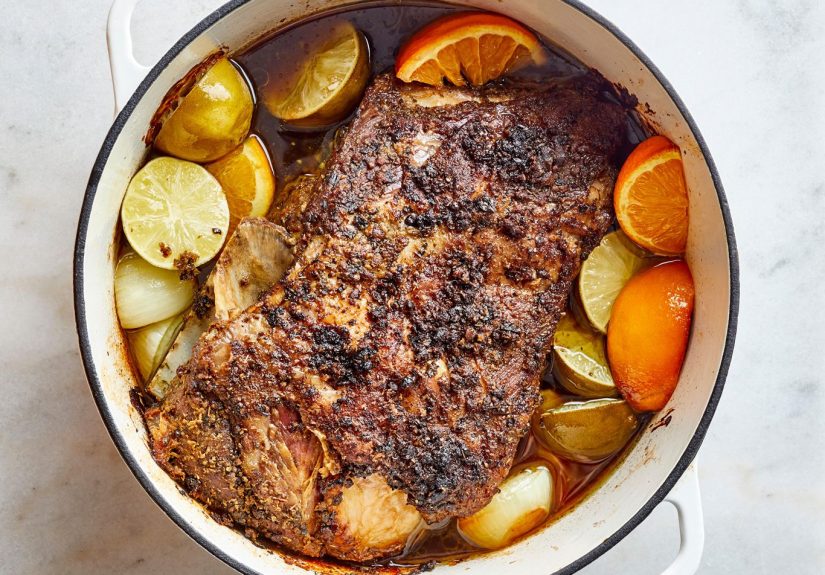
Cuban Pork Roast is the kind of dish that walks into the kitchen wearing sunglasses, smelling like garlic, citrus, oregano, and confidence. Also known as lechón asado or mojo pork roast, this Cuban-style pork shoulder is marinated in a bright, punchy mojo sauce, then slow-roasted until it becomes juicy, tender, and wildly aromatic.
The magic is not complicated. Pork shoulder brings rich flavor and enough fat to stay moist. Mojo marinade brings the party: sour orange or a mix of orange and lime juice, lots of garlic, oregano, cumin, olive oil, and salt. Time does the rest. Give the pork a long soak, roast it low and steady, and finish it hot enough to encourage browned edges. The result is a roast that can anchor a holiday table, feed a hungry family, or become the best Cuban sandwich leftovers of your life.
This guide covers what Cuban Pork Roast is, how to make it, the best cut of pork to use, how long to marinate it, serving ideas, storage tips, and the small details that separate “pretty good pork” from “why is everyone suddenly quiet at the dinner table?” pork.
What Is Cuban Pork Roast?
Cuban Pork Roast is a slow-roasted pork dish traditionally flavored with mojo criollo, a garlicky citrus marinade. In Cuban cooking, mojo is often made with sour orange, garlic, oregano, cumin, salt, and oil. Since sour oranges can be hard to find in many U.S. grocery stores, home cooks often use a practical mix of fresh orange juice and lime juice to recreate that tart-sweet flavor.
The dish is commonly associated with celebrations, especially family gatherings and holiday meals. But it is not limited to special occasions. Cuban roast pork is also a smart meal-prep hero because it reheats beautifully and works in sandwiches, rice bowls, tacos, salads, and breakfast hash.
Why Pork Shoulder Is the Best Cut
For the best Cuban Pork Roast, choose pork shoulder, sometimes labeled pork butt or Boston butt. Despite the name, pork butt comes from the upper shoulder, not the rear of the pig. Yes, butchers had jokes before the internet.
Pork shoulder is ideal because it contains fat and connective tissue that soften during slow cooking. A lean pork loin may sound tempting, but it can dry out before the flavor fully develops. Shoulder is more forgiving, more flavorful, and better suited for the shredded, juicy texture people expect from mojo pork.
Bone-In vs. Boneless Pork Shoulder
Both work well. Bone-in pork shoulder often has slightly deeper flavor and may stay juicier. Boneless pork shoulder is easier to slice, shred, and fit into a roasting pan. If using boneless pork, tie it with kitchen twine so it cooks evenly.
The Heart of the Recipe: Mojo Marinade
Mojo marinade is what gives Cuban roast pork its personality. It is citrusy, savory, herbal, garlicky, and bold enough to wake up a sleepy pork shoulder. The best versions balance acidity, salt, fat, and aromatics.
Classic Mojo Ingredients
- Fresh orange juice: Adds sweetness and body.
- Fresh lime juice: Adds tartness when sour orange is unavailable.
- Garlic: Use plenty. This is not the time for a shy clove.
- Oregano: Dried oregano works well and holds up during roasting.
- Cumin: Adds warm, earthy depth.
- Olive oil: Helps carry flavor and keeps the surface moist.
- Kosher salt: Essential for seasoning the meat deeply.
- Black pepper: Adds gentle heat.
- Onion: Optional, but wonderful in the roasting pan.
Cuban Pork Roast Recipe
This recipe is designed for a 4- to 5-pound pork shoulder, enough to serve about 8 people depending on appetites and side dishes. If your crowd treats roast pork like a competitive sport, plan generously.
Ingredients
- 1 bone-in or boneless pork shoulder, 4 to 5 pounds
- 3/4 cup fresh orange juice
- 1/2 cup fresh lime juice
- 10 to 12 garlic cloves, minced or mashed
- 1/3 cup olive oil
- 1 tablespoon dried oregano
- 2 teaspoons ground cumin
- 1 tablespoon kosher salt, plus more as needed
- 1 teaspoon black pepper
- 1 large onion, sliced
- 2 bay leaves, optional
- Fresh cilantro or parsley, for serving
- Lime wedges, for serving
Step 1: Prepare the Pork
Pat the pork shoulder dry with paper towels. If there is a thick fat cap, score it lightly with a sharp knife in a crosshatch pattern. Do not cut too deeply; the goal is to help the marinade reach more surface area and encourage better browning.
Place the pork in a large bowl, roasting pan, or zip-top bag. If using boneless pork shoulder, tie it with kitchen twine so it holds a compact shape.
Step 2: Make the Mojo Marinade
In a bowl, whisk together orange juice, lime juice, garlic, olive oil, oregano, cumin, kosher salt, and black pepper. Taste the marinade. It should be bright, salty, and strong. Remember, it has to season several pounds of pork, so a mild marinade will become timid after roasting.
Step 3: Marinate the Pork
Pour the mojo marinade over the pork. Massage it into the meat, including the scored fat cap. Cover and refrigerate for at least 6 hours, or preferably overnight. Turn the pork once or twice if possible.
Can you marinate it for only two hours? Technically, yes. Will overnight taste better? Absolutely. Cuban Pork Roast rewards patience like a delicious investment account.
Step 4: Roast Low and Slow
Remove the pork from the refrigerator about 45 minutes before cooking. This helps take the chill off and promotes more even roasting.
Preheat the oven to 300°F. Place sliced onions and bay leaves in the bottom of a roasting pan. Set the pork on top, fat side up. Pour the marinade around the pork, not directly over the top, so the surface can brown.
Cover tightly with foil and roast for about 3 1/2 to 4 1/2 hours, depending on size and shape. The pork is ready for shredding when it is very tender and a fork slides in easily. For safety, pork roasts should reach at least 145°F with a rest, but pork shoulder usually becomes truly tender at a much higher temperature because its collagen needs time to soften.
Step 5: Brown the Outside
Remove the foil, increase the oven temperature to 425°F, and roast for another 20 to 30 minutes, or until the exterior is browned and the edges look crisp. Watch closely near the end. There is a fine line between “beautifully caramelized” and “I got distracted by one text message.”
Step 6: Rest, Shred, and Serve
Transfer the pork to a cutting board and let it rest for 20 minutes. Resting helps the juices redistribute instead of running all over the board. Shred the pork into large pieces, then spoon some of the pan juices and softened onions over the top.
Finish with fresh herbs and lime wedges. Serve warm with rice, beans, plantains, yuca, or crusty bread.
How Long Should Cuban Pork Roast Cook?
A 4- to 5-pound pork shoulder usually takes about 4 to 5 hours at 300°F, plus extra time for browning. However, time is only a guide. Pork shoulder can vary based on thickness, bone, fat content, oven accuracy, and whether the meat started very cold.
Use tenderness as the final judge. If the pork resists shredding, keep cooking. Tough pork shoulder is usually not overcooked; it is often undercooked. Give it more time and let the collagen melt into that luxurious, pull-apart texture.
Best Side Dishes for Cuban Pork Roast
Cuban Pork Roast is bold, so it pairs beautifully with simple, starchy, and slightly sweet sides. Here are reliable choices:
- Moros y cristianos: Cuban black beans and rice.
- White rice: Perfect for soaking up mojo juices.
- Fried sweet plantains: Sweetness balances the citrus and garlic.
- Yuca with mojo: A classic pairing with even more garlicky sauce.
- Cabbage slaw: Crunchy, fresh, and helpful when the meal gets rich.
- Cuban bread: Great for sandwiches or mopping the plate.
How to Use Leftover Cuban Pork Roast
Leftovers are one of the biggest reasons to make a large Cuban Pork Roast. The flavor deepens overnight, and the meat is flexible enough to become several meals.
Cuban Sandwiches
Layer sliced or shredded pork with ham, Swiss cheese, pickles, and mustard on Cuban bread. Press until the bread is crisp and the cheese melts. This is not just a sandwich; it is a very persuasive argument for making extra pork.
Mojo Pork Rice Bowls
Add pork to rice with black beans, avocado, pickled onions, and a spoonful of pan juices. Finish with lime and cilantro.
Breakfast Hash
Crisp leftover pork in a skillet with potatoes, onions, and peppers. Top with a fried egg. Suddenly, breakfast has main-character energy.
Tacos or Arepas
Stuff pork into warm tortillas or arepas with slaw, salsa, and crema. The citrusy pork plays well with crunchy toppings and creamy sauces.
Storage and Reheating Tips
Cool leftover pork within two hours, then store it in an airtight container in the refrigerator for 3 to 4 days. For longer storage, freeze it in meal-size portions with a little pan juice to prevent dryness.
To reheat, warm the pork gently in a covered skillet or baking dish with a splash of broth, water, or reserved mojo juices. Leftovers should be reheated to 165°F. For crispy edges, reheat the pork in a skillet after it has warmed through.
Common Mistakes to Avoid
Using Bottled Citrus Only
Bottled juice can taste flat or bitter. Fresh orange and lime juice give mojo marinade its lively flavor. If you can find sour oranges, use them. If not, fresh orange and lime are the next best team.
Skipping the Marinade Time
A quick marinade gives surface flavor, but overnight marinating gives the roast deeper character. If you are planning Cuban Pork Roast for a party, season it the day before and thank yourself later.
Cooking Too Hot Too Soon
High heat can brown the outside before the inside becomes tender. Start low and slow, then finish hot. That two-stage method gives you both juicy meat and appealing browned edges.
Throwing Away the Pan Juices
The pan juices are liquid treasure. Skim excess fat, taste for salt and lime, then spoon them over the shredded pork. They also make excellent sandwich dipping sauce.
Helpful Experience Notes for Making Cuban Pork Roast
The first experience many home cooks have with Cuban Pork Roast is learning that the kitchen starts smelling amazing long before dinner is ready. Around hour two, the garlic and citrus begin drifting through the house. Around hour three, people start asking, “Is it done yet?” The honest answer is usually “not quite,” which is emotionally difficult but necessary. Pork shoulder works on its own schedule.
One of the best practical lessons is to marinate the pork in the same dish you plan to roast it in, if the dish fits in the refrigerator. This saves cleanup and keeps every drop of mojo flavor in play. If refrigerator space is tight, use a heavy zip-top bag set inside a bowl. The bowl is insurance, because discovering a marinade leak in the fridge is a character-building event no one requested.
Another useful experience: do not be afraid of garlic. Cuban Pork Roast needs a bold marinade because pork shoulder is large and rich. A polite amount of garlic disappears. A generous amount becomes memorable. If you are mincing by hand, sprinkle a little kosher salt over the cloves and mash them with the side of a knife to make a rough paste. This helps the garlic blend into the citrus and oil instead of sitting in little sharp pieces.
When roasting, the foil stage matters. Covering the pan traps moisture and helps the pork become tender before the exterior browns. If you remove the foil too early, the top can dry out. If you never remove it, the roast may taste great but look a little pale. The final uncovered blast of heat is where the pork gets its golden, roasted personality.
Serving Cuban Pork Roast is also an experience in timing. Shred it shortly before serving and toss it with warm pan juices. If the pork sits too long after shredding, it can lose heat quickly. For a party, keep it covered in a low oven with a little juice in the pan. Stir occasionally so the top does not dry out.
Leftovers are where the roast becomes a gift. The next day, crisp a handful in a skillet until the edges brown, then tuck it into bread with mustard and pickles. Or spoon it over rice with black beans and a squeeze of lime. The flavor is often even better after resting overnight, which makes Cuban Pork Roast one of those rare dishes that wins both dinner and tomorrow’s lunch.
The biggest lesson is simple: Cuban Pork Roast does not require fancy technique. It asks for fresh citrus, enough salt, serious garlic, slow heat, and patience. Treat it kindly, and it will reward you with tender meat, bright flavor, and the kind of meal that makes guests hover near the cutting board pretending they are “just helping.”
Conclusion
Cuban Pork Roast is a flavorful, festive, and surprisingly approachable dish built on a few powerful ingredients: pork shoulder, citrus, garlic, oregano, cumin, and time. The mojo marinade gives the meat its signature brightness, while slow roasting turns a tough cut into something tender, juicy, and deeply satisfying.
Whether you serve it with rice and beans, tuck it into Cuban sandwiches, or enjoy it straight from the pan when nobody is watching, this roast brings big flavor without complicated steps. Make it once, and it may become your go-to recipe for holidays, weekends, family dinners, and any day that could use a little more garlic-powered joy.