Table of Contents >> Show >> Hide
- Why the Backsplash Matters So Much With Dark Cabinets
- 1. Classic White Subway Tile for Clean Contrast
- 2. Marble or Marble-Look Slab for a Luxe Finish
- 3. Warm Zellige Tile for Texture and Shine
- 4. Glossy Tile to Reflect More Light
- 5. Cream or Warm White Tile for Softer Contrast
- 6. Light Gray Backsplash for a Balanced Neutral Look
- 7. Herringbone Tile for Movement
- 8. Full-Height Backsplash for Designer Impact
- 9. Vertical Stack Tile for a Fresh Modern Look
- 10. Natural Stone for Warmth and Character
- 11. Brick Backsplash for Rustic Contrast
- 12. Patterned Tile for Personality
- 13. Green Tile for a Rich, Nature-Inspired Palette
- 14. Blue Tile for Cool Contrast
- 15. Metallic Backsplash for Drama
- 16. Black-on-Black for a Moody Statement
- 17. Wood-Look Backsplash for Warm Modern Style
- How to Choose the Best Backsplash Color for Dark Cabinets
- Best Backsplash Materials for Dark Cabinets
- Common Mistakes to Avoid
- Experience-Based Tips for Choosing a Backsplash With Dark Cabinets
- Conclusion
Dark cabinets are the kitchen design equivalent of a tailored black blazer: dramatic, timeless, and surprisingly flexible. Whether your cabinets are espresso brown, charcoal gray, navy blue, forest green, walnut, or true black, the right backsplash can make them look custom, expensive, and beautifully balanced. The wrong backsplash? Well, that can make your kitchen feel like it is auditioning for a cave documentary.
The good news is that dark cabinetry gives you a strong design foundation. It anchors the room, adds depth, and makes lighter surfaces, metallic finishes, natural stone, and textured tile look more intentional. The backsplash is where you decide the mood: bright and airy, moody and luxurious, rustic and warm, sleek and modern, or playful enough to make your morning coffee feel slightly more exciting.
Below are the best kitchen backsplash ideas for dark cabinets, including practical material tips, color-pairing advice, pattern inspiration, and real-world experience from working with dark kitchen palettes.
Why the Backsplash Matters So Much With Dark Cabinets
Dark cabinets naturally absorb more light than white or pale wood cabinetry. That does not mean they make a kitchen feel small automatically, but it does mean the backsplash has to work harder. It needs to reflect light, add contrast, introduce texture, or create a smooth visual bridge between the cabinets, countertops, flooring, and wall color.
Think of your backsplash as the kitchen’s “middle layer.” Cabinets usually take up the lower and sometimes upper zones. Countertops sit horizontally. Walls and ceilings create the background. The backsplash connects all of them. With dark cabinets, this connecting layer can either lighten the whole room or lean into the drama in a sophisticated way.
1. Classic White Subway Tile for Clean Contrast
White subway tile remains one of the safest and most stylish backsplash ideas for dark cabinets. It is affordable, easy to clean, widely available, and flexible enough to work in farmhouse, transitional, modern, cottage, and traditional kitchens.
Against black, navy, or espresso cabinets, white subway tile creates crisp contrast. It also brightens the cooking zone, especially when paired with white quartz, marble-look countertops, or light butcher block. If plain horizontal subway tile feels too predictable, change the layout. Try vertical stack for a modern look, herringbone for movement, or a running bond pattern with handmade-look edges for subtle character.
Best for:
Small kitchens, galley kitchens, budget-friendly renovations, rental-friendly style updates, and homeowners who want a timeless backsplash that will not feel outdated in five minutes.
2. Marble or Marble-Look Slab for a Luxe Finish
A marble backsplash paired with dark cabinets is a classic “quiet luxury” move. The veining softens the weight of the cabinetry and adds organic movement. White marble with gray veining looks especially elegant with black or charcoal cabinets, while warmer marble tones pair beautifully with dark walnut, espresso, or deep green cabinetry.
If natural marble is outside the budget or feels too high-maintenance, porcelain slabs or quartz surfaces can create a similar effect with easier care. A slab backsplash also has fewer grout lines, which means less scrubbing later. That alone may be enough to make your future self send you a thank-you note.
Design tip:
For a seamless high-end look, run the same countertop material up the wall as the backsplash. This works beautifully with dark cabinets because it reduces visual clutter and creates a clean, custom feel.
3. Warm Zellige Tile for Texture and Shine
Zellige-style tiles are popular because they look handmade, imperfect, glossy, and alive. Their uneven surfaces catch light in different ways, which is extremely useful in kitchens with dark cabinets. Even a simple white or cream zellige backsplash can feel richer than standard flat tile because the surface has natural variation.
For dark cabinets, consider white, ivory, pale gray, sand, soft sage, or muted blue zellige tiles. These colors keep the kitchen bright while adding artisanal texture. If you want a moodier result, emerald green or deep blue zellige can look stunning with black or walnut cabinets, especially when balanced with warm lighting and brass hardware.
Best for:
Organic modern kitchens, Mediterranean-inspired kitchens, modern farmhouse spaces, and anyone who likes a little “perfectly imperfect” charm.
4. Glossy Tile to Reflect More Light
If your kitchen does not get much natural light, a glossy backsplash can be your secret weapon. Glossy ceramic, glazed porcelain, glass tile, or polished stone reflects light back into the room, helping dark cabinets feel less heavy.
A glossy white backsplash is the most classic choice, but you can also try pearl gray, pale blue, cream, or even soft taupe. The shine gives the wall dimension without needing a loud pattern. In compact kitchens, this can make the space feel brighter and more open.
Practical note:
Glossy tile can show smudges and splashes more easily than matte tile, especially near the cooktop. Fortunately, most glossy ceramic and porcelain tiles wipe clean quickly, which is exactly what you want after tomato sauce decides to become modern art.
5. Cream or Warm White Tile for Softer Contrast
Pure white is crisp, but it can sometimes feel stark against very dark cabinets. Cream, ivory, bone, almond, and warm white tiles create contrast without looking too sharp. This is especially helpful if your cabinets are dark brown, espresso, walnut, black-brown, or deep olive.
Warm white backsplashes also pair nicely with brass, bronze, copper, and champagne hardware. Add wood shelves or a warm-toned floor, and the whole kitchen becomes cozy instead of cold.
6. Light Gray Backsplash for a Balanced Neutral Look
A light gray backsplash is ideal when you want contrast but do not want the brightness of white. It works especially well with black, charcoal, navy, and dark green cabinets. Gray tile can also tie together stainless steel appliances, chrome fixtures, and gray-veined countertops.
Choose a pale gray subway tile for a simple look, gray marble mosaic for elegance, or large-format gray porcelain for a streamlined modern kitchen. To avoid a flat or chilly result, bring in warmth through wood accents, soft lighting, or brass hardware.
7. Herringbone Tile for Movement
Dark cabinets are visually strong, so a backsplash pattern can help keep the kitchen from feeling too blocky. Herringbone tile is a great option because it adds movement while staying classic. It works with subway tile, marble tile, ceramic tile, and even stone-look porcelain.
A white herringbone backsplash with dark cabinets feels polished and energetic. A marble herringbone backsplash adds elegance. A soft gray or greige herringbone tile offers a more relaxed transitional look. For a bolder style, try navy or emerald herringbone tile with black cabinets, but keep the countertop simple so the design does not become too busy.
8. Full-Height Backsplash for Designer Impact
A full-height backsplash extends from the countertop to the upper cabinets, range hood, open shelves, or even the ceiling. With dark cabinets, this can make the entire kitchen look more finished and expensive.
Full-height backsplashes work especially well behind ranges and sinks, where you want a focal point. Use marble-look slab, quartz, porcelain, zellige tile, vertical subway tile, or stone mosaic. The key is proportion. In a small kitchen, a full-height light backsplash can open up the room. In a large kitchen, a dramatic full-height stone backsplash can add architectural presence.
9. Vertical Stack Tile for a Fresh Modern Look
Vertical tile layouts are clean, modern, and especially useful when you want to make the kitchen walls feel taller. Pair vertical white or cream tile with dark lower cabinets for a fresh, airy look. The vertical lines draw the eye upward, which can help a kitchen feel less compressed.
This idea works beautifully with slab-front cabinets, slim shaker cabinets, or minimalist hardware. It is also a smart choice for kitchens with dark lower cabinets and lighter upper cabinets, because the backsplash becomes the visual bridge between both tones.
10. Natural Stone for Warmth and Character
Natural stone backsplashes bring texture, warmth, and a grounded feeling to kitchens with dark cabinets. Limestone, travertine, slate, marble, quartzite, and stacked stone can all work depending on the style of the kitchen.
For rustic or old-world kitchens, tumbled stone tiles look charming with dark wood cabinets. For modern kitchens, honed marble or quartzite slabs feel elegant and clean. For industrial kitchens, slate or dark stone can deepen the mood. Just remember that some natural stones need sealing, so check maintenance requirements before falling in love with a sample tile in the store. Tile crushes are real, but grout regret is also real.
11. Brick Backsplash for Rustic Contrast
Brick backsplashes pair beautifully with dark cabinets because they add warmth, texture, and a lived-in feeling. Red brick looks cozy with black or dark green cabinets, while whitewashed brick softens espresso or navy cabinetry. Thin brick veneer is often easier to install than full brick and can create a similar look.
This idea is great for farmhouse, industrial, cottage, and vintage-inspired kitchens. If you cook often, seal the brick properly so it is easier to clean. Unsealed brick can absorb grease and splatter, and nobody wants a backsplash that remembers every stir-fry forever.
12. Patterned Tile for Personality
Dark cabinets can handle pattern surprisingly well because they provide a strong, grounding base. Patterned cement tile, encaustic-look porcelain, geometric tile, or Moroccan-inspired designs can turn the backsplash into a statement feature.
The trick is balance. If your cabinets are very dark and your floor already has a strong pattern, choose a quieter backsplash. If your countertops and flooring are simple, a patterned backsplash can become the star. Black-and-white patterns look classic with black cabinets. Blue-and-white tile feels fresh with navy or charcoal. Terracotta and cream patterns warm up dark wood cabinets.
13. Green Tile for a Rich, Nature-Inspired Palette
Green backsplashes are a beautiful match for dark cabinets, especially when you want a kitchen that feels organic, layered, and current. Sage green softens black cabinets. Emerald green creates drama. Olive green works well with dark wood. Forest green tile can create a tone-on-tone look with deep green cabinetry.
Pair green tile with brass hardware, warm wood accents, and creamy countertops for a balanced finish. If you want a more modern mood, use matte black hardware and a clean white countertop.
14. Blue Tile for Cool Contrast
Blue tile is another excellent backsplash idea for dark cabinets. Pale blue adds freshness. Denim blue feels casual. Navy tile creates a sophisticated tone-on-tone effect with dark blue or black cabinetry. Blue-gray tile is particularly versatile because it has color without becoming too loud.
For coastal style, use light blue subway tile with dark navy cabinets and white counters. For a modern look, try vertical blue ceramic tile with charcoal cabinets. For a bold kitchen, pair glossy cobalt tile with matte black cabinets and simple hardware.
15. Metallic Backsplash for Drama
Metallic backsplashes are not for everyone, but they can be unforgettable with dark cabinets. Stainless steel works well in modern and industrial kitchens. Brushed brass or aged copper can warm up black, navy, or dark green cabinets. Antique mirror tile can add depth and reflect light, which is useful in smaller kitchens.
Use metallic finishes carefully. A full wall of shiny metal can feel intense, so consider using it behind the range or as an accent area. Pair it with simple countertops and understated hardware so the kitchen does not look like it is trying to host a disco at breakfast.
16. Black-on-Black for a Moody Statement
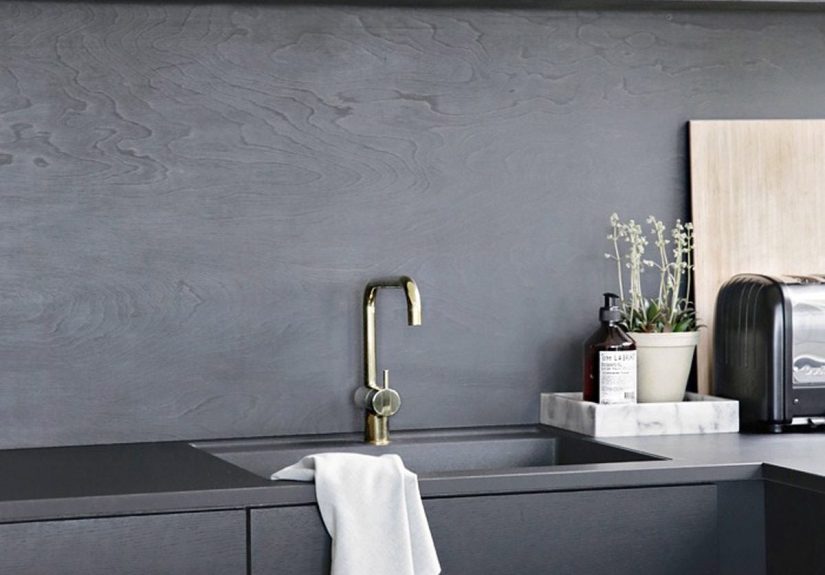
Yes, a dark backsplash can work with dark cabinets. In fact, it can look incredibly sophisticated. Black tile, dark soapstone, charcoal porcelain, or deep slate can create a seamless moody kitchen. The secret is layering texture and light.
Use under-cabinet lighting, open shelving, reflective finishes, veined stone, or contrasting countertops to keep the design from feeling flat. A black marble-look backsplash with white veining can look especially striking with matte black cabinets. Dark kitchens are dramatic, but they still need sparkle, shadow, and dimension.
17. Wood-Look Backsplash for Warm Modern Style
Wood-look tile or wood panel backsplashes can add warmth to kitchens with black, charcoal, or navy cabinets. This style works best when the wood tone is intentionally chosen. Light oak can brighten a dark kitchen. Walnut can create a rich, layered look. Reclaimed wood can add rustic character.
Because real wood near water and cooking areas can be tricky, many homeowners choose porcelain tile that mimics wood. It gives the visual warmth of wood with better durability and easier cleaning.
How to Choose the Best Backsplash Color for Dark Cabinets
Start with the cabinet undertone. Black cabinets can be warm, cool, or neutral. Espresso cabinets often have red or brown undertones. Navy cabinets have blue undertones. Dark green cabinets may lean olive, emerald, or gray-green. The backsplash should either complement that undertone or intentionally contrast it.
If you want a bright kitchen, choose white, cream, pale gray, soft blue, or light marble. If you want warmth, choose beige, travertine, terracotta, warm white, or brass accents. If you want drama, choose black stone, deep green tile, navy tile, or metallic finishes. If you want timeless appeal, stay close to neutral materials and classic layouts.
Best Backsplash Materials for Dark Cabinets
Ceramic Tile
Ceramic tile is affordable, easy to find, and available in countless colors and shapes. It is a smart choice for homeowners who want style without spending the entire renovation budget before buying the faucet.
Porcelain Tile
Porcelain is dense, durable, and available in stone-look, marble-look, concrete-look, and handmade-look designs. It is excellent for busy kitchens and full-height backsplashes.
Glass Tile
Glass tile reflects light beautifully, making it useful for kitchens with dark cabinetry. It works best in modern, coastal, or contemporary spaces.
Natural Stone
Natural stone adds unique character, but it may require sealing and more careful maintenance. It is ideal for homeowners who love organic texture and variation.
Quartz or Porcelain Slab
Slab backsplashes are sleek, low-grout, and luxurious. They pair especially well with dark cabinets and simple cabinet hardware.
Common Mistakes to Avoid
One common mistake is choosing a backsplash sample without viewing it next to the actual cabinet and countertop. Tile color can change dramatically under different lighting. What looks creamy in the store may look yellow at home. What looks soft gray online may look blue under your kitchen lights.
Another mistake is using too many statement elements at once. Dark cabinets, dramatic countertops, patterned floors, bold backsplash, colorful walls, and oversized hardware can all be beautiful separately. Together, they may start arguing like relatives at Thanksgiving.
Also, do not forget grout. Grout color can completely change the look of a backsplash. White grout with white tile looks clean and soft. Dark grout adds contrast and emphasizes pattern. Warm gray grout is forgiving and practical for busy kitchens.
Experience-Based Tips for Choosing a Backsplash With Dark Cabinets
After seeing how dark cabinets behave in real kitchens, one lesson becomes clear: lighting is everything. A backsplash that looks perfect in a bright showroom can look dull in a kitchen with one small window and weak ceiling lights. Before committing, bring home samples and check them in the morning, afternoon, and evening. Turn on your under-cabinet lights if you have them. If you do not have under-cabinet lighting, strongly consider adding it. It makes the backsplash more beautiful and makes chopping onions slightly less dramatic.
Another useful experience is to test the backsplash beside both the cabinet door and the countertop. Many people match tile only to the cabinets, then realize it clashes with the counter. The backsplash sits between them, so it needs to make peace with both. For example, a cool white tile may look clean with black cabinets but harsh against a warm cream quartz counter. A warmer white or soft greige tile may solve the problem instantly.
Texture also matters more than people expect. With dark cabinets, flat surfaces can sometimes feel heavy or plain. A slightly glossy tile, handmade-look edge, marble vein, fluted surface, or stacked pattern can add depth without screaming for attention. If you are nervous about bold color, choose a neutral tile with interesting texture. It gives the kitchen personality while staying easy to live with.
For families who cook daily, maintenance should be part of the decision. Matte porous stone may look gorgeous, but if it sits behind a busy cooktop, it can require more care. Glossy ceramic, porcelain, quartz slab, and glass are often easier to wipe clean. If you love natural stone, use it proudly, but seal it properly and understand its cleaning needs. Beauty is wonderful; beauty that survives spaghetti night is even better.
Scale is another detail that makes a big difference. Small mosaic tile can look busy beside dark cabinets, especially in a compact kitchen. Large-format tile or slab can feel calmer and more expensive. On the other hand, small patterned tile can be perfect in a simple kitchen where the cabinets, counters, and floors are quiet. The best choice depends on how much visual energy the room already has.
If your cabinets are dark wood rather than painted black or navy, pay attention to warmth. Dark wood cabinets often look best with creamy whites, beige stone, handmade tile, soft green, or warm gray. Bright blue-white tile can make dark wood feel dated or overly sharp. A warm backsplash helps the cabinets feel intentional and inviting.
For black cabinets, the range is wider. White tile gives classic contrast. Marble adds luxury. Green tile adds richness. Black stone creates drama. Wood accents add warmth. The biggest challenge with black cabinets is avoiding a kitchen that feels too cold. Brass hardware, warm lighting, natural wood, woven stools, or creamy walls can keep the space welcoming.
For navy cabinets, white, marble, pale gray, soft blue, and warm brass details are reliable choices. Navy already has depth and color, so the backsplash should either brighten it or complement it calmly. For dark green cabinets, cream, zellige, marble, terracotta, and warm white are excellent. Green can look extremely high-end when paired with natural materials.
One final experience-based tip: do not choose the trendiest backsplash unless you genuinely love it. Backsplashes are not as expensive as cabinets, but they are still a commitment. A tile that looks exciting today may feel loud in three years if it does not match your actual taste. When in doubt, use a timeless field tile and add personality through lighting, stools, art, rugs, or hardware. Your kitchen will still feel stylish, and you will not wake up one day wondering why your backsplash looks like it joined a circus.
Conclusion
The best kitchen backsplash ideas for dark cabinets are the ones that balance contrast, texture, light, and personality. White subway tile is classic. Marble and slab backsplashes feel luxurious. Zellige adds handmade charm. Glossy tile reflects light. Brick, stone, and wood-look materials bring warmth. Patterned tile adds character. Dark-on-dark palettes create drama when supported with good lighting and layered finishes.
Before choosing, study your cabinet undertone, countertop color, kitchen lighting, and overall style. Bring home samples, test them at different times of day, and think about cleaning needs as much as beauty. Dark cabinets already give your kitchen confidence. The right backsplash simply helps that confidence walk into the room wearing better shoes.
Note: This article is written as original, publish-ready web content based on widely used kitchen design principles, current backsplash trends, and practical remodeling experience.