Table of Contents >> Show >> Hide
- Why diet matters during a Crohn’s flare-up
- What to eat during a Crohn’s flare-up
- Foods to avoid during a Crohn’s flare-up
- A simple one-day Crohn’s flare-up meal plan
- How to reintroduce foods after a flare
- Common mistakes people make during a flare
- When to talk to your doctor or dietitian
- Experience: What eating during a Crohn’s flare-up often feels like in real life
- Conclusion
If you have Crohn’s disease, you already know the cruel joke: the very thing your body needs for energy can suddenly feel like a personal attack. During a flare-up, eating can go from enjoyable to strategic. One minute you are eyeing a salad like a responsible adult, and the next your gut is acting like you fed it gravel and fireworks.
The good news is that a Crohn’s disease diet during a flare-up does not have to be mysterious, miserable, or made entirely of sadness and dry crackers. There is no single perfect menu that works for every person with Crohn’s, but there are smart patterns that can help reduce irritation, support hydration, and make it easier to get calories and nutrients when your digestive system is having a rough week.
In this guide, we will break down what to eat during a Crohn’s flare, what foods to avoid, how to build simple meals, and what many people learn the hard way: “healthy” foods are not always flare-friendly foods. Raw kale may be virtuous, but during a flare, virtue can wait.
Why diet matters during a Crohn’s flare-up
Crohn’s disease is an inflammatory bowel disease that can affect different parts of the digestive tract. Food does not cause Crohn’s disease, and there is no one diet that cures it. But during a flare-up, certain foods can absolutely make symptoms worse. When the gut is inflamed, rough textures, excess fat, large meals, and certain sugars may increase cramping, diarrhea, bloating, urgency, or nausea.
That is why many doctors and dietitians recommend a temporary “gentler” eating approach during active symptoms. The goal is not to eat perfectly. The goal is to reduce friction. Think soft textures, lower fiber, moderate portions, simple ingredients, and enough fluid to keep you out of the dehydration danger zone.
During a flare, you may also absorb nutrients less efficiently. That matters because Crohn’s can be associated with unintended weight loss and deficiencies in nutrients like iron, vitamin B12, vitamin D, folate, calcium, and zinc. So the best Crohn’s flare-up diet is not just about what to avoid. It is also about protecting your nutrition while your gut calms down.
What to eat during a Crohn’s flare-up
When symptoms are active, many people do best with foods that are softer, lower in insoluble fiber, easy to chew, and easier to digest. Here are the most helpful categories.
1. Low-fiber carbohydrates that are easy on the gut
Low-fiber or low-residue foods are often better tolerated during a flare because they create less stool bulk and may put less mechanical stress on an irritated intestine. Good options include:
- White rice
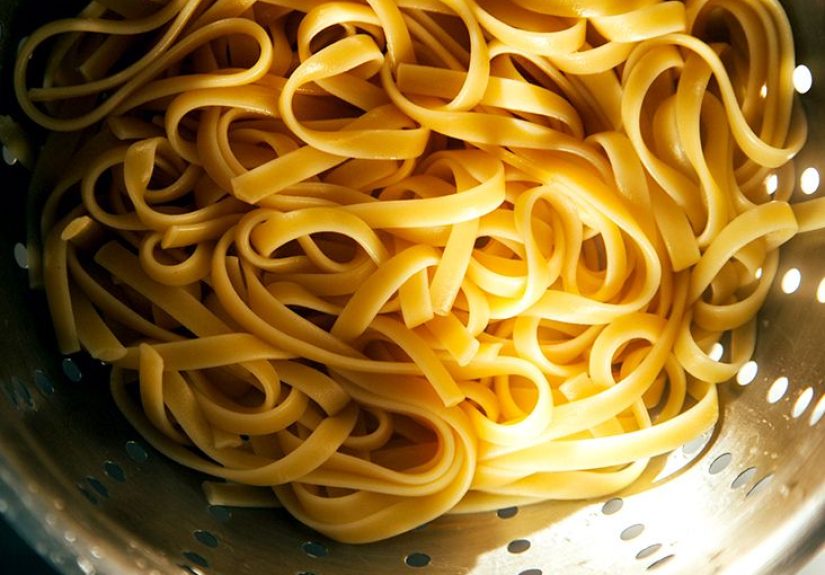
- Plain pasta or noodles
- White toast or sourdough toast
- Saltine crackers
- Plain bagels
- Mashed potatoes or baked potatoes without the skin
- Cream of rice or cream of wheat
- Low-fiber cereals, depending on tolerance
These foods are not glamorous, but they can be practical. During a flare, practicality beats culinary ambition.
2. Lean, gentle protein
Protein helps maintain muscle mass, supports healing, and keeps meals more satisfying. The key is choosing protein that is not heavily seasoned, fried, or loaded with tough connective tissue. Better choices often include:
- Skinless chicken or turkey
- Baked, broiled, or poached fish
- Eggs
- Tofu
- Smooth nut butter, if tolerated
- Tender deli turkey with simple ingredients
Avoid turning protein into a gastrointestinal obstacle course. Fried chicken may be delicious, but during a flare, your body is usually more interested in plain chicken and fewer surprises.
3. Soft fruits and cooked vegetables
Produce is still possible during a flare, but texture matters. Raw, fibrous, stringy, seedy produce can be hard to tolerate. Softer, peeled, canned, or cooked options are often easier. Many people do well with:
- Bananas
- Applesauce
- Canned peaches or pears in juice
- Avocado, if tolerated
- Well-cooked carrots
- Peeled zucchini
- Butternut squash
- Mashed pumpkin
- Cooked green beans, if tender
The rule of thumb is simple: if the vegetable could fight back, save it for remission. During a flare, softer is usually smarter.
4. Broths, soups, and hydration-friendly foods
Diarrhea can drain fluids fast, and dehydration can make you feel even worse. Fluids matter just as much as food during a flare. Helpful choices may include:
- Water
- Broth-based soups
- Oral rehydration solutions or electrolyte drinks
- Ice pops made with simple ingredients
- Herbal tea, if tolerated
- Diluted juice in small amounts, if it does not worsen symptoms
If plain water feels unappealing, try sipping small amounts throughout the day instead of chugging large glasses at once. Your intestine is not hosting a speed-drinking competition.
5. Small, frequent meals
Large meals can be overwhelming during active inflammation. Many people with Crohn’s feel better eating five or six small meals instead of three large ones. Smaller portions may reduce bloating, cramping, and urgency while helping you get enough calories over the course of the day.
A mini-meal might be toast with smooth peanut butter, yogurt if tolerated, scrambled eggs with rice, or a small bowl of soup with crackers. The idea is steady intake without overloading your gut.
6. Nutrition shakes when food feels like too much work
If your appetite is low or solid foods are hard to manage, a nutrition shake can help fill the gap. This can be especially useful when weight loss is a concern. Some people with Crohn’s also use enteral nutrition under medical supervision, particularly when symptoms are severe or nutritional status is poor.
Look for options that are easy to digest and do not trigger your symptoms. Some people tolerate lactose-free or lower-fat formulas better than standard rich, creamy drinks.
Foods to avoid during a Crohn’s flare-up
Trigger foods are highly individual, but some categories are more likely to cause trouble when symptoms are active.
High-fiber and high-residue foods
- Raw vegetables
- Salads
- Vegetable skins and fruit peels
- Beans and lentils
- Whole grains and bran cereals
- Popcorn
- Nuts and seeds
- Dried fruit
These foods can be perfectly nutritious in the right season of Crohn’s management, but during a flare, they may be harder to digest and may worsen pain, bloating, or diarrhea.
Fatty, greasy, and fried foods
- French fries
- Fast food
- Heavy cream sauces
- Fried chicken
- Greasy burgers
- Highly processed snack foods
High-fat meals can speed gut motility in some people and intensify diarrhea or abdominal discomfort.
Spicy foods
Hot peppers, chili-heavy dishes, and spicy sauces can be irritating during a flare. If your intestine is already complaining, do not give it a reason to write a formal letter.
Dairy, if lactose is a problem
Not everyone with Crohn’s needs to avoid dairy, but lactose intolerance is more common in people with inflammatory bowel disease. If milk, ice cream, or soft cheeses make symptoms worse, try lactose-free milk, lactose-free yogurt, lower-lactose cheeses, or dairy alternatives that agree with you.
Caffeine, alcohol, and carbonation
Coffee, energy drinks, alcohol, and fizzy beverages can aggravate diarrhea, bloating, or urgency. During a flare, your gut may prefer a quieter beverage lineup.
Sugar alcohols and very sugary foods
Sorbitol, mannitol, xylitol, and large amounts of added sugar may worsen gas, bloating, and diarrhea in some people. Watch for these in sugar-free gum, candies, protein bars, and certain “healthy” snacks.
A simple one-day Crohn’s flare-up meal plan
Here is an example of a gentle eating day during a flare. This is not a prescription, but it is a practical starting point.
Breakfast
Scrambled eggs, white toast, and applesauce
Mid-morning snack
Banana with a small amount of smooth peanut butter, or a nutrition shake if solids are not appealing
Lunch
Plain white rice with baked chicken and well-cooked carrots
Afternoon snack
Crackers with lactose-free yogurt, if tolerated, or a cup of broth
Dinner
Mashed potatoes, poached fish, and peeled, cooked zucchini
Evening snack
Toast, canned peaches, or a small smoothie made with tolerated ingredients
If diarrhea is heavy, pair the day with water and an electrolyte drink in small, regular sips.
How to reintroduce foods after a flare
Once symptoms start easing, resist the urge to celebrate by eating a giant burrito with extra jalapeños. Reintroduction usually goes better when it is slow and deliberate.
Start by adding one new food at a time every couple of days. Keep a food and symptom diary. Note not just what you ate, but also portion size, preparation method, and timing of symptoms. Sometimes the problem is not the food itself. It is the amount, the seasoning, or the fact that it arrived with six of its closest greasy friends.
Many people gradually move from liquids and soft foods to more variety, including tender cooked vegetables, more fruit, and eventually higher-fiber foods as tolerated. If you have a stricture or a history of bowel obstruction, reintroduction should be especially cautious and guided by your medical team.
Common mistakes people make during a flare
1. Cutting out too many foods for too long
A temporary low-fiber or low-residue approach can help during active symptoms, but staying overly restricted long term may make it harder to meet nutrition needs.
2. Assuming “healthy” always means “safe”
Salads, nuts, bran cereal, and raw vegetables are nutritious, but not necessarily flare-friendly. Timing matters.
3. Ignoring fluids
People often focus on food and forget that diarrhea can cause serious fluid and electrolyte losses.
4. Powering through obvious trigger foods
If a specific food consistently causes pain, urgency, or bloating, it is not “quitting” to give it a break.
5. Trying to diet and manage a flare at the same time
A flare is not the moment for aggressive weight-loss plans, detoxes, or heroic raw-food experiments. Your body needs support, not a nutritional obstacle course.
When to talk to your doctor or dietitian
Diet can help manage symptoms, but it is not a substitute for medical treatment. Contact your healthcare team if you have any of the following:
- Rapid or significant weight loss
- Persistent vomiting
- Signs of dehydration, such as dizziness or very dark urine
- Severe abdominal pain
- Blood in the stool
- Fever
- Trouble keeping food or fluids down
- Symptoms that suggest a blockage, especially if you have a known stricture
A registered dietitian who understands inflammatory bowel disease can be especially helpful. They can help you build a plan that is practical, nutritionally sound, and much less random than “eat beige foods and hope for the best.”
Experience: What eating during a Crohn’s flare-up often feels like in real life
One of the strangest parts of a Crohn’s flare is that food stops feeling simple. For many people, meals become a mix of caution, math, and low-key detective work. A person may sit down with a plate of food and think less about flavor and more about consequences. Will this cause cramping in 20 minutes? Will I need a bathroom during the drive home? Is this banana a safe banana, or is today somehow not a banana day?
That mental load is real. People with Crohn’s often describe flare-up eating as exhausting, not just physically but emotionally. It can be frustrating to avoid foods you normally enjoy, especially when those foods seem harmless to everyone else. One person can breeze through pizza night, while another is staring at plain rice and broth like they are negotiating a peace treaty with their intestine.
There is also the social side. A flare can make dinners out feel complicated. Restaurant menus that once looked exciting suddenly look like a list of future regrets. Friends may say, “Just have a little salad,” which is lovely in theory and deeply unhelpful in practice. During a flare, many people end up choosing foods that are bland, repetitive, and not particularly glamorous because predictability feels safer than adventure.
Another common experience is food fear. After a few bad symptom days, it is easy to start blaming everything on the last thing you ate. Sometimes that reaction is logical, and sometimes it turns into cutting out more and more foods until the diet becomes too limited. That is why keeping a food journal can be useful. It brings some order to the chaos and helps separate real patterns from understandable panic.
Many people also talk about relief when they finally find a small set of “safe” foods. It may not be exciting, but it can feel empowering. Maybe it is scrambled eggs, white toast, chicken and rice, applesauce, and mashed potatoes for a few days. No one is giving that menu a culinary award, but when symptoms settle even a little, it can feel like winning something much more valuable: a calmer day.
Then comes the next challenge, which is adding foods back in without triggering symptoms again. That phase can feel oddly nerve-racking. People often describe reintroducing food like testing the temperature of a swimming pool with one toe. A few bites of cooked vegetables can feel braver than they sound. A cup of coffee can feel like a gamble. And yes, sometimes the body responds with a firm, dramatic “absolutely not.”
Over time, experience usually teaches a few big lessons. Preparation matters. Simplicity helps. Small meals are often kinder than large ones. Hydration cannot be treated like an afterthought. And perhaps most importantly, comparison is useless. One person’s trigger food is another person’s Tuesday lunch. A successful Crohn’s diet is rarely about following a perfect universal plan. It is about learning your own patterns, staying flexible, and getting support when the flare has clearly overstayed its welcome.
That is why the best flare-up diet is not the trendiest one on the internet. It is the one that helps you feel steadier, better nourished, and a little less like your digestive system is freelancing without supervision.
Conclusion
The best Crohn’s disease diet during a flare-up is usually simple, gentle, and highly individualized. Low-fiber carbohydrates, soft fruits, cooked vegetables, lean proteins, soups, and steady hydration can be easier to tolerate when symptoms are active. At the same time, raw produce, whole grains, nuts, seeds, fried foods, spicy meals, caffeine, alcohol, and lactose-heavy dairy may be worth avoiding if they make symptoms worse.
Most of all, remember this: a flare-up diet is not forever. It is a temporary strategy to reduce irritation, preserve nutrition, and help you get through a difficult stretch with less guesswork. Once symptoms improve, foods can often be reintroduced gradually. The smartest long-term approach is to work with your healthcare team, track personal triggers, and build a way of eating that supports both symptom control and overall health.