Table of Contents >> Show >> Hide
- Why Propagate Houseplants
- Propagation Prep: Set Yourself Up for Success
- Method 1: Stem Cuttings (The Classic “Make More Plants” Move)
- Method 2: Leaf Cuttings (When a Single Leaf Becomes a Whole Plant)
- Method 3: Division (The Fastest Way to Get Multiple Plants Today)
- Method 4: Air Layering (For Leggy Plants That Need a Reset)
- Method 5: Succulent Propagation (Callus First, Water Later)
- Aftercare: Turning Fresh Cuttings Into Thriving Plants
- Troubleshooting: When Your Cuttings Get Dramatic
- A Simple Propagation Plan to Grow Your Collection (Without Chaos)
- My (Very Human) Propagation Notes: 10 Lessons From the Windowsill
- Conclusion
Houseplant propagation is the one hobby where “I got this for free” can be both a brag and a warning.
One minute you’re snipping a pothos “just to try it,” and the next minute your windowsill looks like a tiny
plant daycare with interns. The good news: propagating houseplants is genuinely easy once you learn a few
fundamentalslike what a node is, why clean tools matter, and why your cutting doesn’t want to be blasted by
direct sun while it’s trying to grow brand-new roots.
This guide walks you through the most reliable methodsstem cuttings, leaf cuttings, division, offsets (aka pups),
and air layeringplus the aftercare and troubleshooting that turns a “science experiment” into an actual new plant.
You’ll get specific examples (pothos! snake plant! spider plant!) and practical tips so you can expand your indoor
jungle without expanding your credit card bill.
Why Propagate Houseplants
Propagation is plant multiplication without the mystery. When you propagate from cuttings or division, you’re making
a clone of the parent plantsame look, same growth habit, same “I refuse to thrive unless you ignore me” personality.
It’s also the best way to:
- Fill out a pot so your plant looks lush instead of lonely.
- Rescue a struggling plant by starting fresh, healthy pieces.
- Control legginess (looking at you, pothos and philodendron).
- Share plants without handing your friends a guilt-ridden “please don’t kill it” speech.
Propagation Prep: Set Yourself Up for Success
Your no-drama propagation toolkit
- Sharp scissors or pruners (dull tools crush stems and invite rot).
- Rubbing alcohol to sanitize blades and reduce disease spread.
- Small pots with drainage holes (tiny roots hate big, soggy containers).
- Rooting medium (quality potting mix, or a blend with perlite/vermiculite for airflow).
- Clear jar (optional, for water propagation so you can admire roots like a proud parent).
- Plastic bag or humidity dome (optional, for cuttings that dry out easily).
- Rooting hormone (optionalhelpful, not magic).
Best conditions for rooting
Most indoor plant cuttings root fastest with bright, indirect light, warm temperatures,
and consistent moisturenot swampy wetness. If you want to nerd out (highly encouraged), aim for cozy
room temps and avoid drafts. A little extra humidity helps prevent cuttings from dehydrating before roots form.
Method 1: Stem Cuttings (The Classic “Make More Plants” Move)
Stem cuttings are the MVP of houseplant propagation. If your plant has a stem with a nodethat little
bump where leaves and roots can growyou’re in business. Great candidates include pothos, philodendron, monstera,
tradescantia, hoya, and many vining plants.
Step-by-step: How to take a stem cutting that actually roots
- Pick a healthy stem with no pests, no mushy spots, and decent vigor.
-
Find the node. This is the non-negotiable part. Leaves alone don’t root for most vining plants;
nodes do the heavy lifting. -
Cut just below the node using sanitized tools. Many common houseplant cuttings do well at
roughly a few inches long, with a couple leaves. - Remove lower leaves so they won’t sit in water/soil and rot.
- Optional: dip in rooting hormone. Helpful for slower rooters, not required for enthusiastic ones.
Water propagation vs. soil propagation (aka “Pretty roots” vs. “Sturdy roots”)
Water propagation is popular because it’s simple and entertainingyou can watch roots appear like a
time-lapse nature documentary. But water-grown roots can be more delicate, and some plants get dramatic when you
transplant them to soil.
Soil (or soilless mix) propagation often produces sturdier roots adapted to pot life from day one.
If you’re the type who prefers “set it and forget it,” rooting directly in a light, airy medium can be easier long-term.
How to root stem cuttings in water
- Place the cutting in a clean container so at least one node is submerged.
- Keep leaves above the waterline (no leaf soup).
- Set in bright, indirect light.
- Refresh water regularly to keep it clean.
-
Transplant to potting mix once roots are developedmany growers move cuttings when roots are around
1–3 inches (or when you see branching roots that can handle soil life).
How to root stem cuttings in soil (or a rooting mix)
- Fill a small pot with a moist, airy mix (quality potting mix cut with perlite works well).
- Make a hole with a pencil/chopstick so you don’t scrape off rooting hormone (if used).
- Insert the node into the mix and firm gently.
- Keep evenly moist, not soggy. Think “wrung-out sponge,” not “bog.”
- Maintain humidity if needed (a loose plastic bag can help), but avoid baking the cutting in direct sun.
Example: Propagating pothos like a pro
Snip a vine segment with 1–2 nodes, strip the lower leaves, and root in water or a light mix. For a fuller parent pot,
tuck a few rooted cuttings back into the original container. It’s the botanical equivalent of giving your plant a glow-up
and a backup squad.
Method 2: Leaf Cuttings (When a Single Leaf Becomes a Whole Plant)
Leaf cuttings are ideal for certain plants (and completely useless for othersplants are picky like that).
Classics include African violets, peperomia, some begonias, and
snake plant (via leaf sections).
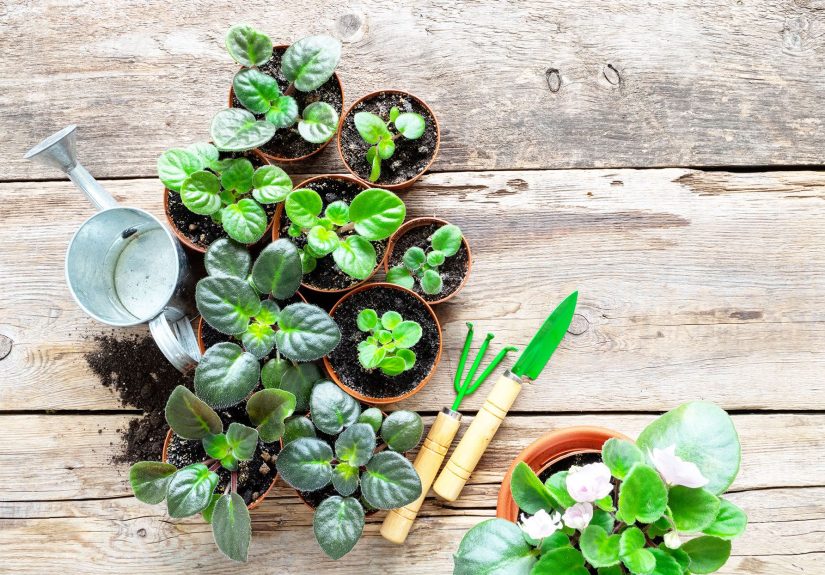
African violet leaf propagation (small leaf, big dreams)
- Select a firm, healthy leaf (not the oldest, not the baby-newest).
- Cut with a clean blade, leaving some petiole (leaf stem).
- Insert the petiole into a moist, airy medium (many growers use mixes that include vermiculite/perlite).
- Keep warm with bright, indirect light and gentle humidity.
- Wait for plantlets to form at the basethis one rewards patience, not hovering.
Snake plant leaf section cuttings (the “slice and repeat” method)
For snake plants, you can cut a leaf into sections and root them, but note: variegated snake plants often won’t
stay variegated from leaf cuttings. If you want to preserve stripes, division is your best bet.
- Cut a healthy leaf into several segments and keep track of which end was “down.”
- Let cut ends dry briefly to reduce rot risk.
- Insert the bottom end into a barely moist, well-draining medium.
- Go easy on water and be patientnew pups can take a while.
Method 3: Division (The Fastest Way to Get Multiple Plants Today)
Division is the propagation method for impatient people (hi, it’s me). It works best when a plant naturally forms clumps
or multiple crownsthink snake plant, ZZ plant, peace lily, ferns, and many houseplants that “bush out” from the base.
How to divide a houseplant without starting a feud
- Water the plant the day before so roots are less brittle.
- Slide it out of the pot and gently loosen the root ball.
-
Separate into sections so each division has roots and some stems/leaves.
(A division without roots is basically a cutting with confidence issues.) - Repot each section into a small container with fresh mix.
- Water in and keep in bright, indirect light while it settles.
Offsets and pups (nature’s “buy one, get one free”)
Some plants produce baby plants you can remove and pot up. Spider plants are the poster child, but you’ll also see pups
on aloe, some bromeliads, and other rosette-forming houseplants. The key is waiting until the baby has enough roots (or
at least enough size) to live independently.
Method 4: Air Layering (For Leggy Plants That Need a Reset)
Air layering is the elegant option for tall, woody, or leggy houseplantsrubber plant, dracaena, schefflera, some
philodendronswhere you want roots to form before you cut. It’s like installing a new root system upstairs
before moving out of the basement.
Air layering in a nutshell
- Choose a spot on the stem where you want new roots.
- Create a small wound (method varies by stem type).
- Optional: apply rooting hormone.
- Wrap with moist sphagnum moss and cover with plastic to hold moisture.
- Check moisture periodically. Once roots form, cut below the rooted area and pot it up.
Method 5: Succulent Propagation (Callus First, Water Later)
Succulents (like jade plant) play by different rules. The big one: let cut surfaces callus before placing
in soil or water. This reduces rot and helps the cutting transition into root mode.
- Stem cuttings: take a healthy segment, let it callus, then place in gritty, well-draining mix.
- Leaf propagation: remove a whole leaf cleanly, let it callus, lay on soil, and water sparingly.
With succulents, too much humidity and too much water are the fastest ways to turn your propagation project into a
composting project. Bright, indirect light and restraint are your superpowers here.
Aftercare: Turning Fresh Cuttings Into Thriving Plants
Pot size matters (yes, even for tiny plants)
New roots don’t want a mansion. Start small2–4 inch pots are often plentythen size up once you see active growth.
Oversized pots hold extra moisture, which increases the risk of rot.
Light, water, and the “don’t panic” principle
- Light: bright, indirect light helps roots and new leaves develop without scorching.
- Water: keep evenly moist for many tropical cuttings; let succulent mix dry more thoroughly.
- Humidity: helpful for thin-leaved cuttings; less important for thick, succulent leaves.
- Patience: roots often form before you see new top growth.
Troubleshooting: When Your Cuttings Get Dramatic
Problem: The cutting turns mushy
That’s rot. Usually caused by soggy conditions, dirty tools, or a leaf sitting in water/soil. Trim back to healthy tissue,
refresh the medium, and reduce moisture. If rooting in water, keep water clean and don’t submerge leaves.
Problem: The cutting shrivels
That’s dehydration. Add humidity (a loose bag helps), reduce direct light, and make sure the medium stays lightly moist.
Thin-leaved plants lose water quickly before roots exist.
Problem: Roots form in water, then the plant sulks in soil
Totally normal. Water roots aren’t identical to soil roots. Transplant gently, keep soil lightly moist at first,
and avoid fertilizing until you see new growth.
Problem: Nothing happens for weeks
Check temperature, light, and the node situation. Many cuttings root faster when warm. Also: some plants simply take
their time. Not everyone is a pothos overachiever.
A Simple Propagation Plan to Grow Your Collection (Without Chaos)
- Start with easy wins: pothos, tradescantia, spider plant pups, and philodendron.
- Pick one method at a time: master stem cuttings, then add division, then leaf cuttings.
- Batch your work: do a monthly “propagation day” to keep it fun instead of frantic.
- Label everything: future-you will not remember which jar is which.
- Use backups: take a couple cuttings, not just one, especially for slower plants.
My (Very Human) Propagation Notes: 10 Lessons From the Windowsill
Here’s the part nobody tells you: propagation is equal parts horticulture and learning what kind of plant parent you
actually are. I used to think I was a calm, patient person. Then I tried to propagate a cutting in winter and caught myself
staring at a jar like it owed me rent.
Lesson 1: Clean tools save feelings. The first time a cutting turned to mush, I blamed the plant,
the water, the moon phaseeverything except my not-so-clean scissors. Once I started wiping blades with alcohol,
my success rate magically improved. Coincidence? Plants say no.
Lesson 2: Nodes are not optional. I once stuck a beautiful leaf-only vine piece into water and waited.
And waited. It remained beautifullike a decorative salad garnishuntil it gave up. Now I treat nodes like boarding
passes: no node, no flight.
Lesson 3: Water propagation is a gateway hobby. It starts with “I just want to see roots.”
Then you buy a cute glass vessel. Then a second. Then you have a “propagation station” and pretend it was always part
of the décor plan. The roots are gorgeous, though, and they do make you feel like a wizard.
Lesson 4: Soil propagation is calmerif you can stop checking. Water lets you peek.
Soil asks you to trust the process like a motivational poster. If you’re the type who digs up a cutting to “see how it’s doing,”
congratulationsyou have learned the ancient art of undoing your own work.
Lesson 5: Small pots are your friend. I once potted a tiny rooted cutting into a container big enough
to host a family reunion. It stayed wet forever and slowly rotted while I insisted I was “watering responsibly.”
Now I size pots to roots, not to ambition.
Lesson 6: Not all plants love the same aftercare. Some cuttings want humidity like they’re at a spa.
Otherssucculents especiallywant you to back away slowly and stop misting them like they’re a rainforest exhibit.
Once I separated my “humid crew” from my “dry crew,” I stopped losing plants to mixed signals.
Lesson 7: Warmth is underrated. Cuttings in a chilly corner just… linger. Move them to a warmer spot
with bright indirect light and suddenly they remember they’re alive. It’s not magic, it’s metabolism.
Lesson 8: Division is the confidence boost method. The first time I divided a clumping plant,
I expected drama. Instead, I got two healthy plants in one afternoon. If you want quick results, division is the “instant gratification”
of indoor gardeningwithout the questionable late-night online shopping.
Lesson 9: Transplant shock is real, but temporary. When moving water-rooted cuttings to soil,
I used to interpret any droop as personal betrayal. Now I treat it like jet lag: keep conditions steady, don’t overreact,
and give it a little time to adjust.
Lesson 10: Propagation teaches restraint (eventually). You don’t need to take cuttings every time you walk by.
But you’ll probably do it anyway at first. The trick is to propagate with a purpose: fill out a pot, share with a friend,
or make a backup of a favorite plant. Otherwise, you’ll wake up one day surrounded by jars and wonder when your home became
a botanical side quest. (Answer: the moment it worked the first time.)
Conclusion
Learning how to propagate your houseplants is the fastest way to grow a bigger, fuller collection while getting better at
reading what plants need. Start with simple stem cuttings, graduate to leaf cuttings and division, and use air layering
when you want to reboot a leggy favorite. Keep your tools clean, your light indirect, your moisture consistent, and your
expectations realisticroots run on plant time, not human impatience.
And if your first attempt flops? Congrats: you’re officially a plant person now. Propagation is a skill, not a personality test.
Try again with a healthier cutting, better airflow, and a slightly more hands-off approach. Your future selfand your future
windowsill junglewill thank you.